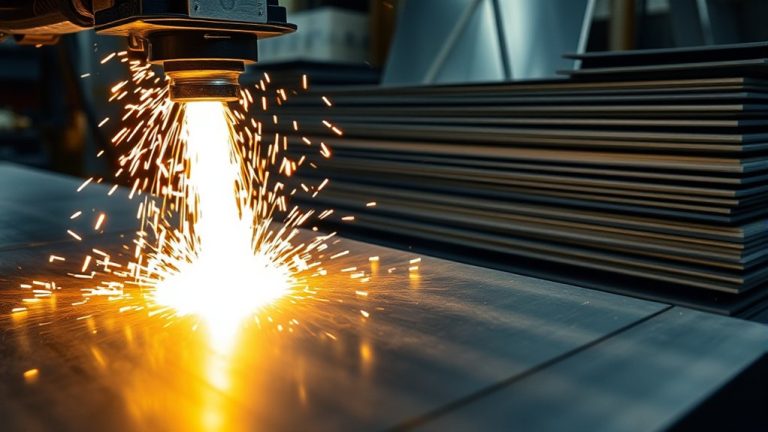
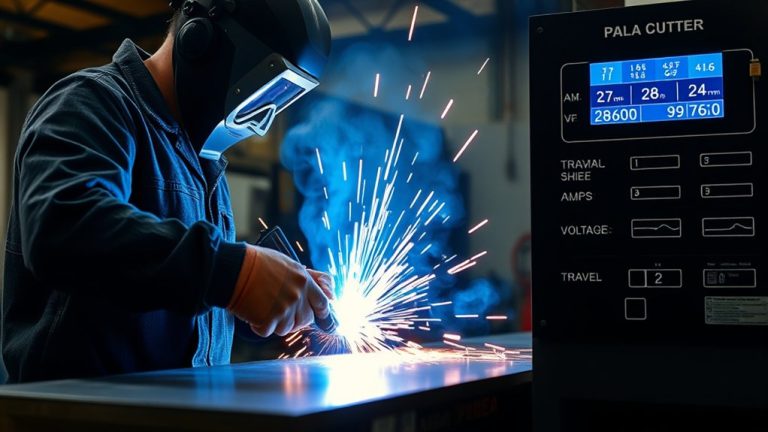
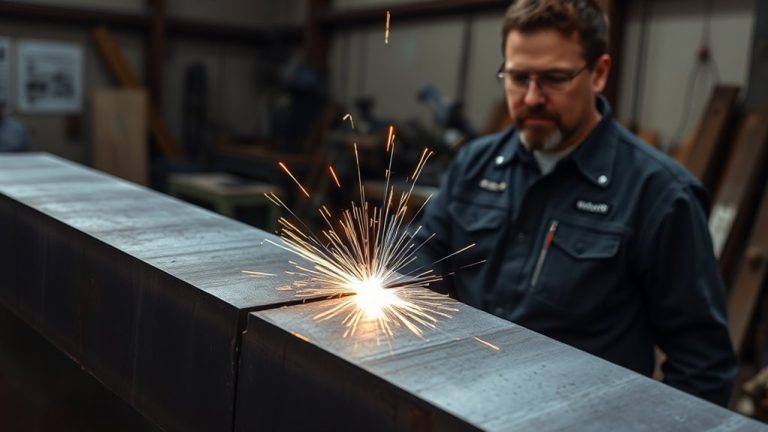
Plasma cutting galvanized steel requires precision, attention to fume management, and the right safety setup. The zinc coating on galvanized steel releases toxic zinc fumes when cut, which can cause serious health problems including metal fume fever. Using effective ventilation, high-quality respirators, correct plasma settings, and proper personal protective equipment (PPE) are all essential for doing this job safely.
Quick Answer
- Yes, you can plasma cut galvanized steel, but the zinc coating releases toxic fumes that require serious precautions.
- Always use a respirator rated for metal fumes and set up local exhaust ventilation (LEV) at the source.
- Wear fire-resistant clothing, a welding helmet, safety glasses, and heat-resistant gloves.
- Start plasma settings at 7620mm/min, 20A, and 30PSI, and adjust as needed for material thickness.
- Inspect consumables and ground cables regularly, keep flammables 35 feet away, and never work in wet conditions.
Understanding Plasma Cutting and Galvanized Steel

Plasma cutting uses an arc of ionized gas to slice through metal efficiently. It works well on galvanized steel, which has a zinc coating that resists corrosion but creates hazards when cut.
Getting good results means dialing in the right air pressure and amperage for your machine. That precision keeps cuts clean without damaging the material.
The zinc coating releases toxic fumes when it heats up, so ventilation is not optional. Use exhaust hoods or air-supplied respirators to keep your breathing zone safe.
Wear fire-resistant clothing and full PPE to protect yourself from sparks and hot metal. With the right setup, plasma cutting galvanized steel is manageable and safe.
The Risks of Cutting Galvanized Steel

Cutting galvanized steel releases toxic zinc fumes that can cause metal fume fever. Symptoms include fever, chills, nausea, and coughing. According to the CDC/NIOSH, metal fume fever typically appears a few hours after exposure and can sideline a worker for a full day or more.
As the plasma arc burns through the zinc coating, harmful gases build up fast. Without fume extraction systems and proper airflow, exposure levels climb quickly.
Before you cut, inspect the material for contamination. Impurities on the surface can increase fume output and hurt cut quality.
Keep good airflow in your workspace at all times. Schedule regular health screenings if you cut galvanized steel often, so you can catch any early signs of exposure-related problems.
Protective Equipment for Safe Plasma Cutting

Getting the right protective equipment in place before you start is non-negotiable.
Wear safety glasses with side shields and a welding helmet to guard against bright light and flying debris. Fire-resistant clothing, leather or heavy denim, protects against sparks and hot metal.
Use a properly fitting respirator to block zinc fumes, and wear leather or Kevlar-lined gloves when handling hot or sharp material.
Essential Safety Gear
Each piece of gear serves a specific purpose, and skipping any of it raises your risk. An auto-darkening welding helmet handles the intense arc light. Fire-resistant clothing reduces burn exposure. Kevlar-lined, tightly woven gloves protect hands from both heat and sharp cut edges. Add hearing protection too, since plasma cutters run loud.
| Safety Gear | Function |
|---|---|
| Safety Glasses | Protect against sparks |
| Welding Helmet | Shield from intense light |
| Fire-Resistant Clothing | Minimize burn risks |
| Tightly Woven Gloves | Safe handling of hot metal |
| Kevlar-Lined Gloves | Cut resistance |
Fume Protection Measures
Zinc fumes are the biggest health threat when cutting galvanized steel. They cause metal fume fever and build up fast in enclosed spaces. A high-quality respirator rated for metal fumes is your first line of defense.
Your workspace also needs an efficient fume extraction system. This pulls hazardous gases away from your breathing zone and disperses them safely. Ventilation is not just a precaution here; it is a baseline requirement.
Fire-Resistant Clothing
Choose garments made from fire-resistant fabrics such as leather or heavy denim. Make sure your clothing fits well; loose garments catch sparks more easily. Avoid polyester or nylon entirely since these materials can melt and stick to skin.
Wear tightly woven, fire-resistant gloves when handling hot metal. Follow ANSI and OSHA guidelines to confirm your attire meets the requirements for plasma cutting work.
| Clothing Type | Recommendation |
|---|---|
| Gloves | Tightly woven, fire-resistant fabrics |
| Shirts and Pants | Heavy denim or leather |
| Fit and Design | Well-fitted, avoid loose garments |
| Material Exclusion | No polyester or nylon |
Ensuring Proper Ventilation in Your Workspace

Good ventilation is one of the most important safety measures when plasma cutting galvanized steel. Toxic zinc fumes accumulate quickly, and poor airflow turns even a short cutting session into a health risk.
Local exhaust ventilation (LEV) systems capture fumes directly at the source before they spread through the workspace. Combine LEV with fans and vents to keep air moving and push contaminants away from your breathing zone.
Follow these steps for solid fume control:
- Install LEV Systems: Position them close to the cutting area to capture fumes at the source and maximize their effectiveness.
- Enhance Airflow: Use fans and vents to keep air circulating and move contaminants away from workers.
- Use Respirators in Confined Spaces: In areas with limited ventilation, air-supplied respirators provide a reliable fresh air supply.
Check air quality regularly to confirm your ventilation setup is actually working. Do not assume good airflow; verify it.
Adjusting Plasma Cutter Settings for Optimal Results

Getting your cutter settings right makes a real difference in cut quality and material integrity. A good starting point for galvanized steel is 7620mm/min (300 IPM), 20A, and 30PSI. If the arc fails to start or hold, bump air pressure to 45PSI and amperage to 25A.
Air pressure is critical for torch initiation. Too low, and the torch struggles to fire or maintain a clean arc.
| Issue | Adjustment Needed |
|---|---|
| Arc failure | Increase to 45PSI, 25A |
| Poor cut quality | Fine-tune air pressure |
| Excessive dross | Adjust cutting speed |
| Material warping | Monitor heat concentration |
On thicker steel, you may need to slow your cutting speed and adjust settings further to avoid excessive dross. Write down what works for each thickness. Those notes save time on future jobs and take the guesswork out of setup.
Watch for material movement during the cut. Unrestrained steel can shift and warp under concentrated heat.
Consumable Selection and Maintenance Tips

Settings alone will not produce clean cuts if your consumables are worn out. Different nozzle sizes match different material thicknesses: 0.65mm/20amp tips work well for fine cuts on thinner steel, while 0.8mm/30amp tips handle heavier material.
Inspect nozzles and electrodes before each session. Worn consumables cause poor cut quality and excess dross, which can be hard to distinguish from a settings problem.
Using the right consumables ensures precision and prevents excessive dross in plasma cutting galvanized steel.
Keep these habits in place:
- Variety in Stock: Keep multiple consumable types on hand so you can match the tip to the steel thickness without stopping work.
- Routine Checks: Inspect for wear and damage before each use, and replace rather than push a worn consumable past its limit.
- Document Experiences: Track which consumable and setting combinations produced the best results on each material. That record pays off over time.
Fire Safety Precautions and Best Practices

Keep all flammable materials at least 35 feet from your cutting area. If moving them is not possible, cover them with flame-proof blankets or shields.
Position Class D fire extinguishers, which are rated for metal fires, in easy reach throughout the workspace. Knowing where they are before something goes wrong matters a lot.
Inspect your equipment regularly for damage or debris that could become a fire hazard. A clean, organized workspace reduces combustible material buildup.
Follow proper shutdown procedures after every session. Skipping them risks equipment overheating, one of the more common fire causes in cutting operations. Make sure everyone in your workspace knows the emergency exit paths and extinguisher locations.
Electrical Safety Measures and Grounding
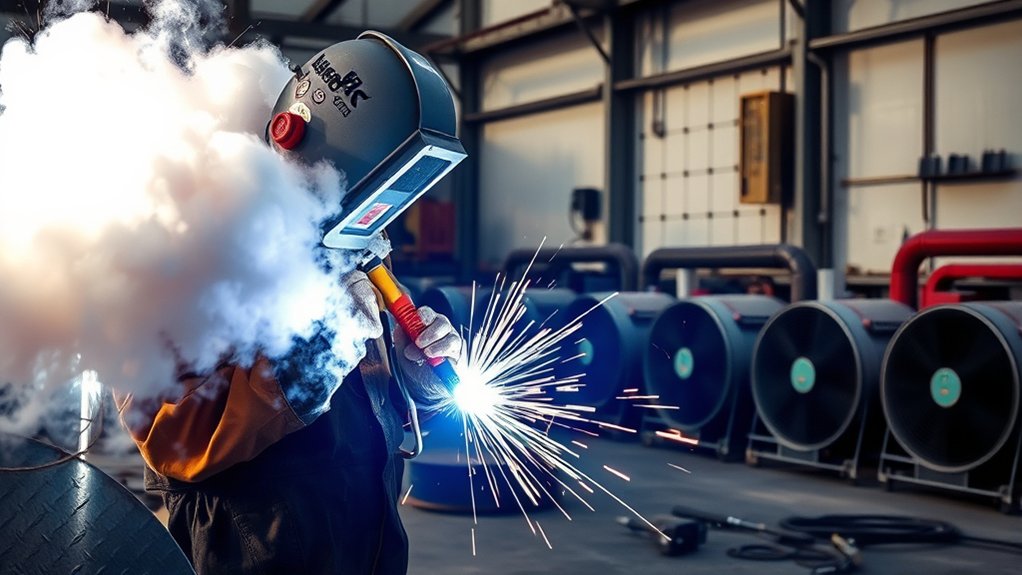
Electrical hazards are real when operating a plasma cutter. Proper grounding, per National Electrical Code (NFPA 70) and OSHA standards, is required to prevent shock. Always work in dry conditions and stand on rubber mats.
Inspect ground cables daily and replace damaged cables immediately; do not try to repair them.
Voltage Risk Mitigation
Controlling voltage risk comes down to three consistent practices:
- Inspect Ground Cables Daily: Confirm condition and connectivity, following NFPA 70 and OSHA standards to maintain proper voltage regulation.
- Avoid Wet Conditions: Work only in dry environments. Stand on rubber mats or non-flammable surfaces to reduce shock risk significantly.
- Regular Training: Run safety training sessions that focus on shock prevention and proper handling procedures.
Proper Grounding Techniques
Proper grounding does two things: it prevents electric shock and it stabilizes the arc for cleaner cuts.
Check ground cables and connections every day. Replace any worn or broken components right away; repair is not a safe option here. Do not use chains or ropes as ground connectors; they are not reliable substitutes.
Work only in dry conditions and stand on dry rubber mats. Verify that each ground connection is secure before you start cutting.
Equipment Inspection Protocols
Daily inspection is the backbone of electrical safety in plasma cutting. A few specific checks to run each session:
- Cable Inspection: Look over all plasma cutter cables for wear, cracking, or damage. Address problems before starting work, not after.
- Connection Integrity: Secure all connections and confirm they meet National Electrical Code (NFPA 70) and OSHA standards to minimize shock risk.
- Grounding: Skip chains or ropes as grounding methods. Use proper grounding hardware and confirm connections are solid before each session.
Regular Training and Skill Development

Plasma cutting galvanized steel carries real risks, and regular training keeps those risks under control. Assess skills on a consistent schedule to confirm that everyone working with cutting equipment stays sharp.
Training sessions should cover proper PPE use, including respirators, and explain how ventilation and fume extraction systems work. Hands-on time with the machine, practicing setting adjustments for different steel thicknesses, builds the kind of confidence that reduces mistakes.
Stay current with new equipment and safety developments in plasma cutting. Techniques and tools improve over time, and outdated practices can create unnecessary risk.
Frequently Asked Questions
Can Plasma Cutting Affect the Structural Integrity of Galvanized Steel?
Yes. The high temperatures involved can weaken the metal and cause warping or localized damage. Pay attention to heat concentration and material movement during cutting to protect structural integrity.
What Are the Environmental Impacts of Plasma Cutting Galvanized Steel?
Fume generation from cutting affects local air quality and is subject to environmental regulations. Managing fumes properly through extraction and ventilation limits harmful emissions for both workers and the surrounding area.
How Does Plasma Cutting Impact the Coating Lifespan of Galvanized Steel?
Plasma cutting causes coating degradation and heat distortion at the cut zone, which reduces corrosion protection in that area. Optimizing your cutting technique reduces, but does not eliminate, this effect.
Can Plasma Cutting Be Done in Outdoor Settings Safely?
Yes, with the right precautions. Pay attention to wind direction so fumes blow away from you, use full PPE, and keep your workspace organized. Outdoor conditions can actually help with fume dispersal when wind direction is favorable.
What Alternative Methods Exist for Cutting Galvanized Steel Safely?
Laser cutting and waterjet cutting are two solid alternatives. Both minimize heat generation and reduce fume output, making them safer options in environments where fume management is difficult.
Conclusion
Plasma cutting galvanized steel is practical and achievable, but it demands a serious safety approach. Use high-quality PPE, maintain solid ventilation, and control zinc fumes at the source. Set your plasma cutter correctly for the material you are cutting, keep consumables in good shape, and follow fire and electrical safety rules every time. Consistent training keeps skills current and safety standards high. With the right habits in place, you can cut galvanized steel efficiently while keeping health risks to a minimum.