Disclosure: As an Amazon Associate, we earn from qualifying purchases. If you click a link on this page and make a purchase, we may receive a small commission at no extra cost to you.
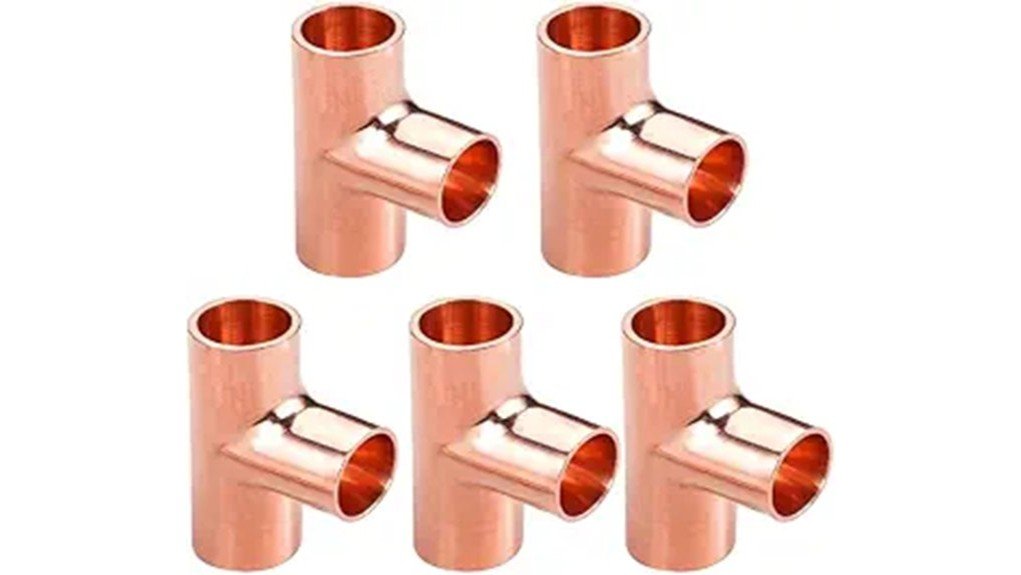
Choosing a copper tee fitting can feel simple until the sizing is wrong. The Copper Tee for 3/4" OD tubing is made for copper tubing connections where you need to split, combine, or redirect a fluid line in a plumbing or HVAC setup. Its main appeal is the T-shaped three-way design and smooth copper surface for soldered connections. The main limitation is fit: this is for 3/4" outside-diameter tubing, so you should not assume it fits standard 3/4" nominal copper pipe without checking the actual outside diameter first.
Quick Verdict
Rating: 7.6/10
Best For: Buyers who need a copper tee for 3/4" OD tubing in soldered plumbing or HVAC work.
Bottom Line: This copper tee is worth considering when your project calls for a three-way copper fitting with a solderable surface. It is not a good buy if you have not confirmed the exact tubing outside diameter, because standard nominal pipe sizes can cause confusion.
| Specification | Detail |
|---|---|
| Product type | Copper tee fitting |
| Design | T-shaped three-way fitting |
| Listed size | For 3/4" OD tubing |
| Material | Copper |
| Connection style | Soldered or welded copper tubing joint, depending on your project method |
| Compatibility | Article states use with M, L, or K type copper pipes or tubing when dimensions match |
| Notable limitation | Not for standard US 3/4" nominal copper pipe if your pipe has a 7/8" outside diameter |
| Best use | Plumbing and HVAC line routing, branch connections, and flow-direction changes |
| Safety note | Follow local code, use proper soldering safety gear, and call a licensed professional for regulated plumbing or HVAC work. |
What Is the Copper Tee for 3/4" OD Tubing?
The Copper Tee is a three-way fitting used to connect copper tubing in a T-shaped layout. You can use this type of fitting when one line needs to branch into another direction or when two lines need to meet a main run.
The article describes it as a copper fitting with a smooth, clean surface designed for effective soldering. That matters because a rough or dirty fitting surface can make it harder to create a clean joint. Still, the fitting only works well when the tubing size is correct and the joint is prepared properly.
Before You Buy: Confirm the actual outside diameter of your tubing before ordering. A fitting listed for 3/4" OD tubing is not automatically the same as a fitting for standard 3/4" nominal copper pipe.
Who Should Buy It?
Best For
- You need a copper tee for 3/4" outside-diameter tubing.
- You are building or repairing a soldered copper plumbing or HVAC line.
- You want a simple three-way fitting for redirecting or combining flow.
Skip If
- You need a fitting for standard US 3/4" nominal copper pipe with a 7/8" outside diameter.
- You are connecting plastic tubing and do not have the correct adapter or transition fitting.
- Your project requires a certified fitting or code-specific part not stated on the product listing.
Product Features and Specifications
The main feature is the T-shaped three-way configuration. It gives you one straight path and one branch path, which helps when a line needs to split or merge inside a plumbing or HVAC layout.
The fitting is made from copper, which is common in water lines and HVAC applications. Copper also supports soldered joints when the tubing and fitting are cleaned, fluxed, heated, and joined correctly.
The article highlights a smooth, impurity-free surface. For buyers, the practical takeaway is simple: inspect the fitting before use. Do not solder over oil, oxidation, burrs, or visible debris because surface condition affects joint quality.
Fit and Compatibility
Fit is the most important buying factor for this copper tee. The product is described for 3/4" OD tubing, which means the outside diameter of the tubing matters more than the label printed on a pipe.
This matters because standard copper pipe sizing can confuse buyers. A standard 3/4" nominal copper pipe is commonly larger than 3/4" outside diameter, so this tee may not slide onto it. Measure your tubing with a caliper or check the tubing label before you buy.
The article says the fitting works with M, L, or K type copper pipes or tubing when the dimensions match. Because those types can refer to wall thickness and plumbing use, you should still confirm the actual outside diameter and code requirements before installation.
Materials and Build Quality
Copper fittings are valued because they can form strong soldered joints in compatible systems. This tee’s simple one-piece shape also reduces moving parts, gaskets, and extra hardware that could complicate a basic copper line connection.
The build quality depends on clean openings, round sockets, and smooth edges. Before installing, check the three ends for dents, out-of-round openings, cracks, or sharp burrs. A small defect at the fitting mouth can make alignment harder and may affect the final joint.
Installation and Compatibility
Before installation, dry-fit the tee on the actual tubing you plan to use. The tubing should seat evenly without forcing, wobbling, or leaving a visibly uneven gap. If the fit feels loose or too tight, stop and recheck the size instead of trying to solve the problem with extra solder.
Clean the tubing end and fitting socket before applying flux. A wire brush, fitting brush, or abrasive cloth can help remove oxidation. Keep the surface clean after preparation, because fingerprints, oil, and grit can weaken the quality of the soldered joint.
For plumbing and HVAC work, follow the product label, local code, and professional guidance. If the line carries potable water, refrigerant, gas, or any regulated fluid, use the correct fitting type and hire a qualified professional when required.
Pro Tip: Measure the pipe or tubing outside diameter before ordering, then test-fit the tee before cleaning and fluxing. This prevents wasted time and helps you catch a nominal-size mismatch early.
Performance and Applications
When sized and installed correctly, the Copper Tee can help create a reliable branch connection in a copper line. Its three-way design works for changing direction, joining a branch line, or combining flow paths in a compact layout.
The fitting is best suited for projects where copper tubing is already part of the system. It can support residential and commercial applications, but the final result depends on correct sizing, proper soldering technique, and whether the fitting meets the needs of your local code.
It is not a repair shortcut for damaged tubing, poor line support, or bad system design. If the surrounding copper is corroded, kinked, poorly supported, or the wrong size, replace or correct those issues before installing the tee.
How It Performs in Real Use
For Residential Plumbing Repairs
In a home plumbing project, this tee makes sense when you need to add or reroute a copper branch line and your tubing is the correct 3/4" OD size. It gives you a clean three-way connection, but it still requires proper prep and soldering skill.
For HVAC Copper Tubing Work
For HVAC-related copper tubing layouts, the tee can help when your system calls for a compatible copper branch fitting. Do not assume it is correct for refrigerant or pressure-rated work unless the product listing and your project requirements support that use.
For Commercial Maintenance
In a commercial maintenance setting, the fitting may be useful for simple copper line routing where the exact tubing size is known. The biggest advantage is the straightforward design, while the biggest risk is installing it on a line that uses a different sizing standard.
For Outdoor or Exposed Installations
Copper can be used in many exposed applications, but outdoor use depends on the full system, local code, water quality, freeze risk, and joint protection. If the fitting will face weather, vibration, or temperature swings, make sure the installation plan accounts for those conditions.
How to Use It Correctly
Start by confirming the tubing outside diameter, not just the name of the pipe size. Then cut the tubing square, remove burrs, clean the mating surfaces, apply the correct flux, and heat the joint evenly. Follow the solder manufacturer’s instructions and avoid overheating the fitting.
Support the line so the tee does not carry stress from unsupported tubing. A fitting can leak later if movement, vibration, or pipe tension pulls against the joint. After installation, inspect and test the system using the correct method for your application.
Compatibility and Safety
This copper tee is not designed as a direct connector for plastic tubing. If your project mixes copper with plastic, use the correct transition fitting and follow the material manufacturer’s instructions. Do not force mismatched materials together.
Use safety glasses, gloves, and heat-safe work practices during installation. Keep flammable materials away from the soldering area, protect nearby surfaces, and make sure the line is safe to work on before applying heat.
If you are working on potable water, HVAC refrigerant lines, gas, or a pressurized system, get professional help when needed. A small fitting mistake can lead to leaks, property damage, failed inspections, or unsafe operation.
Pros and Cons
Pros
- T-shaped design supports branch connections and flow-direction changes.
- Copper construction works with soldered copper tubing systems.
- Smooth fitting surface can help with clean joint preparation.
- Useful for plumbing and HVAC projects when the tubing size matches.
- Simple fitting design has no moving parts or built-in gasket to manage.
Cons
- Fit can be confusing because 3/4" OD tubing is not the same as standard 3/4" nominal copper pipe.
- Requires correct cleaning, fluxing, heating, and soldering technique.
- Not a direct solution for plastic tubing unless you use the right transition fitting.
Is It Worth the Price?
This copper tee can be a smart buy for everyday copper tubing work if the size matches your project. The value comes from its simple design, copper material, and ability to create a three-way connection without extra adapters.
It is not the best fit if you are unsure about your pipe size, need a code-specific listed fitting, or want a push-fit connector that avoids soldering. You get the most value from it when you already know your tubing OD and have the tools and skill to make a clean soldered connection.
How It Compares to Alternatives
Compared with push-fit tee connectors, this copper tee is better for buyers who want a traditional soldered copper joint. Push-fit fittings may be easier for quick repairs, but they use a different sealing method and may cost more per fitting.
Compared with brass or plastic transition tees, this fitting makes more sense for copper-to-copper work. If you are joining copper to PEX, PVC, or another material, a proper transition fitting is the safer comparison point.
Frequently Asked Questions
Is this copper tee for standard 3/4" nominal copper pipe?
Do not assume that it is. The article describes the fitting for 3/4" OD tubing, while standard 3/4" nominal copper pipe commonly has a 7/8" outside diameter. Measure your tubing before buying.
What does 3/4" OD tubing mean?
OD means outside diameter. For this product, the key number is the outside measurement of the tubing that slides into the fitting, not just the nominal pipe label.
Can I use it with Type M, Type L, or Type K copper?
The source article states compatibility with M, L, or K type copper pipes or tubing when the dimensions match. Still, you should confirm the actual outside diameter because copper type and copper size are not the same thing.
Can I use this copper tee with plastic tubing?
Not directly. Copper and plastic tubing usually need the correct transition fitting or adapter. Check the plastic tubing type and follow the manufacturer’s connection instructions.
How should I clean the fitting before soldering?
Clean the fitting socket and tubing end with a fitting brush, wire brush, or abrasive cloth until the surfaces are bright and free from oxidation. Avoid touching the cleaned surfaces with oily fingers before applying flux.
Is it suitable for outdoor use?
It may be suitable in some outdoor copper systems, but that depends on the full installation, exposure, freeze risk, and local code. Protect the joint and surrounding line from stress, corrosion, and weather-related damage where needed.
What safety gear should I use during installation?
Wear safety glasses and gloves when cutting, cleaning, and soldering copper. If you use heat, keep flammable materials away and use a heat shield near walls, framing, or finished surfaces.
Who should skip this fitting?
Skip it if your pipe does not measure 3/4" outside diameter, if you need a no-solder push-fit solution, or if your project requires a specific certification not shown on the listing. Also skip it for plastic tubing unless you have the correct transition parts.
The Bottom Line
The Copper Tee for 3/4" OD tubing is a practical choice when you need a simple copper three-way fitting for compatible tubing. Buy it only after confirming the actual outside diameter and installation method, because the main drawback is sizing confusion with standard 3/4" nominal copper pipe.