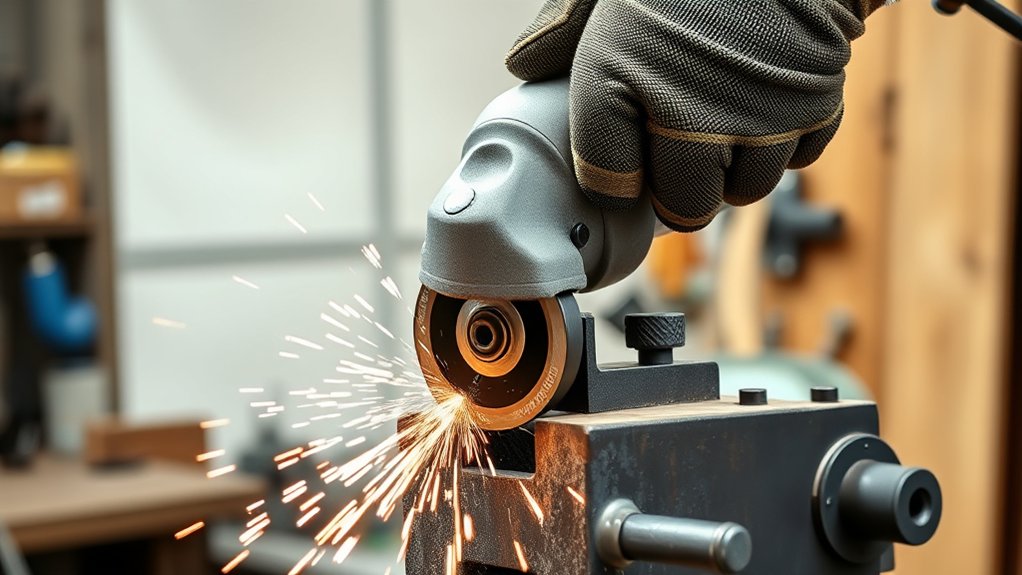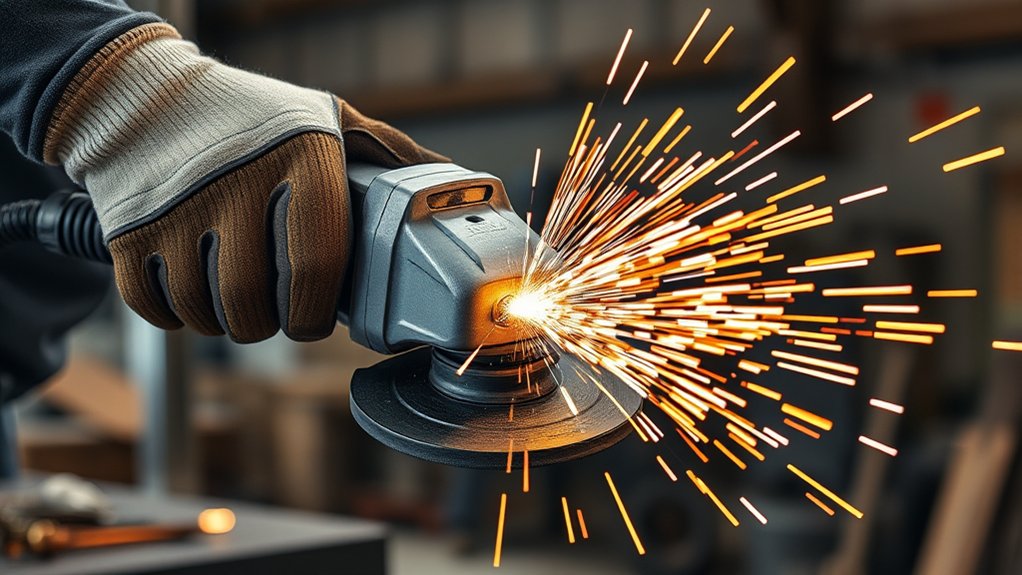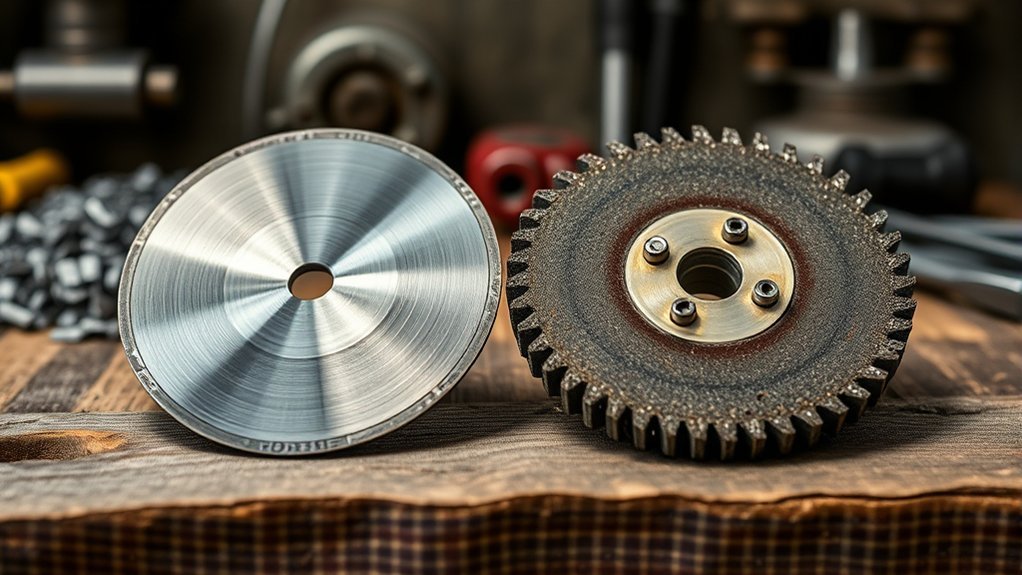
The thickness of your cutoff wheel can decide whether you get a fast, clean cut or a rough cut with extra waste. Thin wheels remove less material and work well when accuracy matters. Thick wheels add strength and stability when you cut harder or thicker stock. This guide explains how wheel thickness affects kerf, speed, safety, and wheel life so you can choose the right disc for your job.
Quick Answer
Use thin cutoff wheels when you need clean, narrow cuts with less material loss. Choose thick cutoff wheels when you need more strength, control, and wheel life on tougher or thicker materials. Always match the wheel type, thickness, and revolutions per minute rating to your tool and material.
Key Takeaways
- Thin cutoff wheels make narrow kerfs, which helps reduce waste and improve cut quality.
- Thick cutoff wheels add durability and stability for harder or thicker materials.
- Wheel thickness affects speed, heat, burrs, and how much material the cut removes.
- Material type, tool speed, and wheel style matter as much as thickness.
- Safe cutting starts with the right wheel, proper guards, secure work, and personal protective equipment.
Understanding Cutoff Wheel Thickness: The Basics
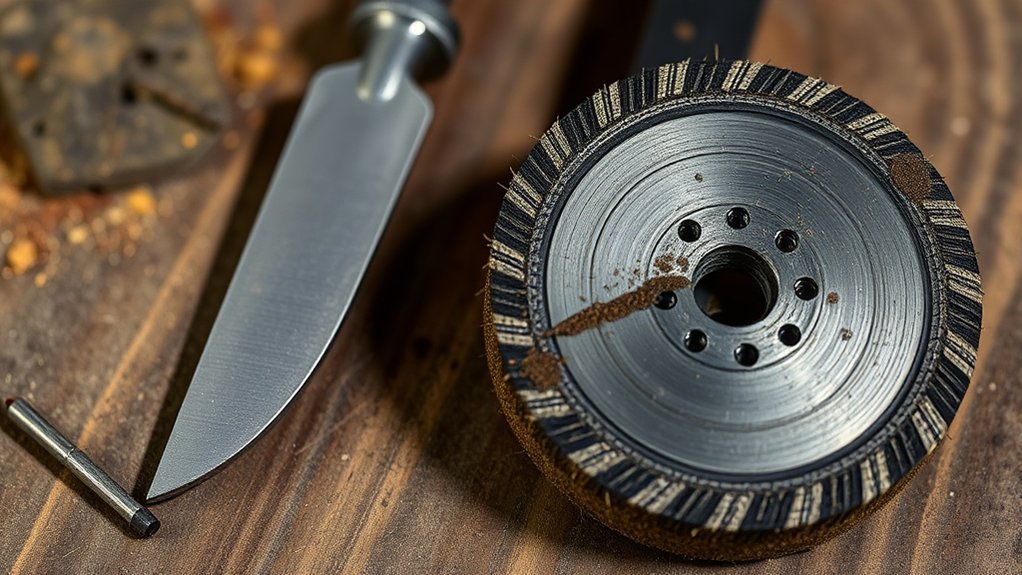
Cutoff wheel thickness matters because it changes how much material the wheel removes with each cut. A thinner wheel creates a narrower kerf, which means less waste, less heat, and a cleaner cut in many jobs.
Cutoff wheels often range from about 0.3 mm to more than 4 mm thick. Thin wheels work best for precise cuts because they remove less material and move through the work faster.
Thick wheels, often 2.5 mm and above, give you more strength and control. They suit heavy-duty cutting where the workpiece is thick, hard, or less forgiving.
Thin Cutoff Wheels: Advantages and Applications
Thin cutoff wheels work well when you need speed, accuracy, and a clean finish. Many thin wheels measure from about 0.045 to 0.125 inches thick, depending on wheel type and tool size.
They suit stainless steel, sheet metal, tubing, and other tasks where you want to reduce heat and burrs. A thinner wheel also helps preserve costly material because it cuts a narrower path.
| Advantage | Explanation |
|---|---|
| Precision Cutting | Thin wheels create clean, narrow cuts for detailed work. |
| Less Material Waste | A smaller kerf removes less metal from each cut. |
| Fast Cutting | A narrow wheel moves through many metals with less resistance. |
Products Worth Considering

CLEAN PRECISION CUTS: Flat Type 1 design and aluminum oxide abrasive deliver burr-free, precise cuts for pipes, tubes, sheet metal, and rebar while minimizing vibration for smoother operator handling

THIN-PROFILE PRECISION: Designed for clean, accurate cuts on metal, steel, stainless steel, aluminum, pipes, tubes, and flat sheets with a 6" diameter, 0.045" thin kerf and 7/8" arbor for minimal material loss. Built for craftsmen and DIY enthusiasts

[High-Performance Cutting] Designed for cutting metal & stainless steel, these cut off wheels 4 1/2 inch work efficiently with any angle grinder wheel, supporting speeds up to 13,300 RPM.
Thick Cutoff Wheels: Strengths and Use Cases
Thick cutoff wheels give you more strength for heavy-duty work. They handle deeper cuts, harder metals, and rougher shop tasks better than very thin wheels.
Choose a thicker wheel when the job calls for stability more than a fine finish. You may remove more material, but you gain better resistance to flex and breakage.
- Increased Stability: Wheels from about 2.5 mm and above help you control cuts in thicker stock.
- Better Durability: Extra thickness helps the wheel withstand longer cuts and harder use.
- Steadier Performance: Thick wheels handle sustained loads better in demanding cutting tasks.
- Useful for Bulk Cutting: They work well when speed and durability matter more than a narrow kerf.
Warning: Never use a cutoff wheel for side grinding unless the wheel and tool instructions clearly allow it.
Understanding Kerf: How Thickness Affects Cutting Performance
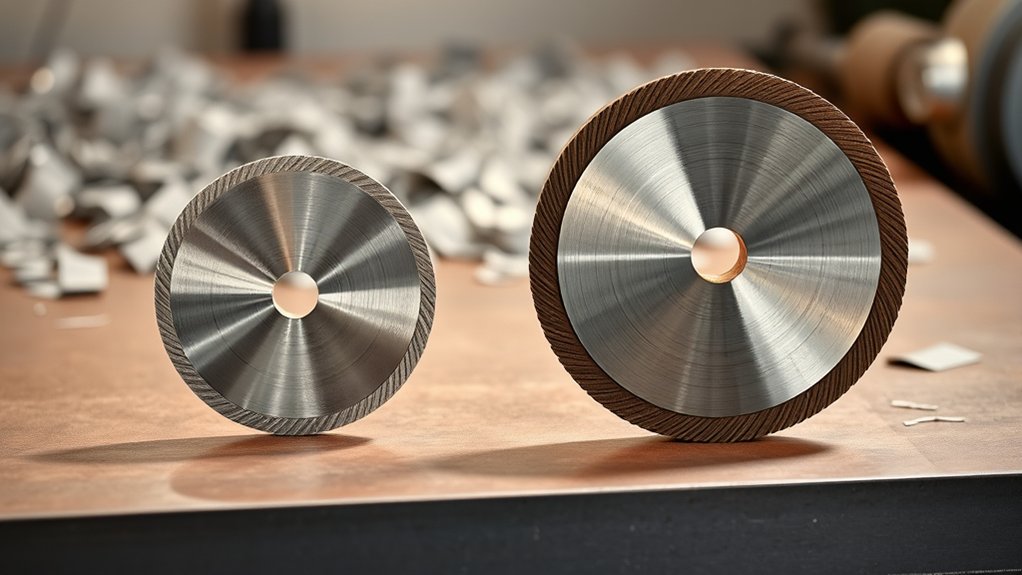
Kerf means the width of the cut the wheel leaves behind. Wheel thickness has a direct effect on kerf, which then affects speed, waste, heat, and finish quality.
A thin wheel creates a narrow kerf and removes less material. A thick wheel creates a wider kerf, which can improve strength during the cut but also increases waste.
Kerf Width Considerations
Choose wheel thickness with kerf in mind. A narrow kerf helps when you need accurate cuts, tight fit-up, or less cleanup.
- Thinner wheels, from about 0.3 mm to 2.5 mm, create narrow cuts for precision work.
- Thinner wheels often generate less heat because they remove less material.
- Thicker wheels, starting around 2.5 mm, create wider cuts for tougher jobs.
- Wider kerfs remove more material, which helps in rough cutting but wastes more stock.
Impact on Cutting Speed
Wheel thickness also affects cutting speed. A thinner wheel usually cuts faster because it meets less resistance as it enters the workpiece.
A thicker wheel often cuts more slowly, but it gives you more strength and a steadier feel. That tradeoff makes thick wheels useful for heavier fabrication work.
| Wheel Thickness | Kerf Width | Recommended Use |
|---|---|---|
| Thin, up to about 2 mm | Narrow | Precision cuts and clean edges |
| Thick, about 2.5 mm and above | Wide | Heavy-duty cutting and thicker stock |
Choosing the Right Thickness for Your Cutting Needs
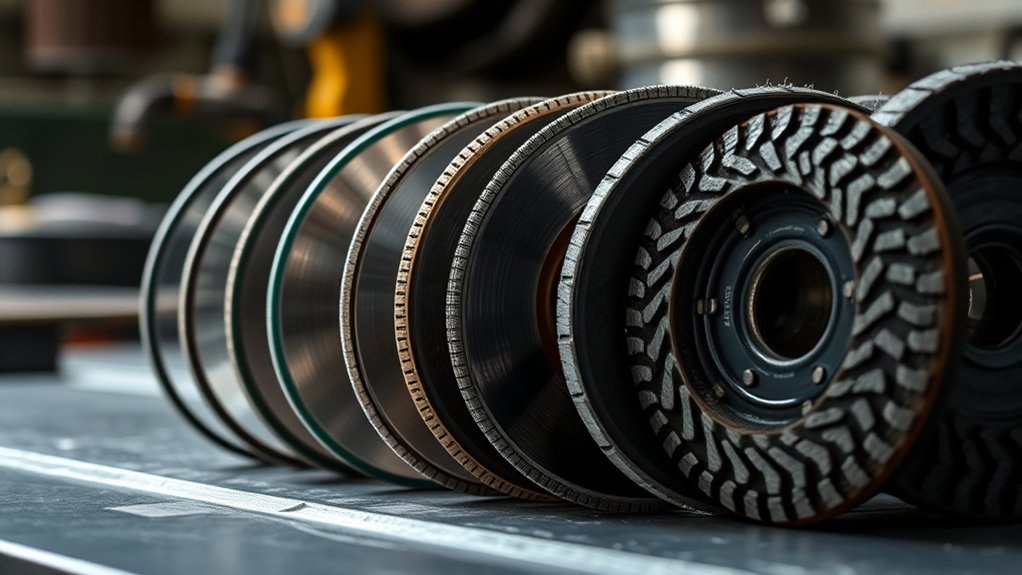
The right wheel thickness depends on the material, the finish you need, and the tool you use. Start with the workpiece, then choose the wheel that gives you enough speed, control, and safety.
- Material Type: Use thinner wheels for sheet metal and stainless steel. Use thicker wheels for tougher steel and iron jobs.
- Cut Quality: Choose a thin wheel when you want a narrow cut with fewer burrs.
- Speed vs. Stability: Pick a thin wheel for speed. Pick a thick wheel for strength and control.
- Tool Compatibility: Match the wheel diameter, arbor, type, and revolutions per minute rating to your grinder or saw.
Pro tip: When you cut expensive material, test one offcut first so you can check kerf width, heat, and edge quality.
Products Worth Considering


Cut-off Wheels are reinforced with fiberglass for increased durability to cut, trim and groove into a variety of metals including hardened steel. Ideal for easily cutting or slotting bolts, screws or sheet metal, thin wood, ceramic and plastic.

Thin .045" wheel design for fast burr free cutting
Thin vs. Thick Wheels: Performance Comparison
Thin and thick cutoff wheels both have clear strengths. Thin wheels favor speed and clean cuts, while thick wheels favor control and wheel life.
Neither option works best for every job. The better choice depends on whether you value accuracy, speed, durability, or stability most.
Cutting Precision and Speed
Thin cutoff wheels cut quickly because they remove less material. They also help reduce burrs, which can save cleanup time after the cut.
- Thin cutoff wheels, often 0.045 to 0.125 inches, help reduce waste in precise cuts.
- Thicker cutoff wheels, often 0.125 to 0.250 inches, add stability for heavier work.
- Thinner wheels leave cleaner edges when you use the right speed and pressure.
- Thin wheels usually create less heat because they remove a smaller path of material.
Durability and Longevity
Wheel thickness affects how long a disc lasts. Thin wheels cut fast, but they can wear out faster in rough or heavy work.
Thick wheels usually last longer because they carry more abrasive material and resist flex better. Use them when you need stronger performance in thicker metal.
Material Compatibility Considerations
Your material should guide your wheel choice. Stainless steel, aluminum, mild steel, and cast iron can each respond differently to heat, pressure, and abrasive type.
- Thin cutoff wheels, about 0.8 mm to 2.5 mm: Use them for clean cuts in sheet metal, tubing, and stainless steel.
- Thick cutoff wheels, about 2.5 mm and above: Use them for heavier cuts in thicker or tougher metals.
- Aluminum: Use a wheel rated for aluminum to reduce loading, glazing, and poor cut quality.
- Steel and iron: Use a durable wheel that matches the material and tool speed.
Cutoff Wheel Compatibility: Choosing the Right Type for Your Needs
Wheel thickness matters, but wheel type matters too. A wheel that fits the job poorly can cut slowly, wear fast, or fail during use.
Use Type 1 wheels for straight cutting on compatible die grinders, chop saws, and similar tools. Use Type 27 wheels on right-angle grinders when the wheel design and tool instructions support that setup.
Always check the revolutions per minute rating on the wheel and compare it with your tool. The wheel rating must meet or exceed the tool speed.
Match abrasive material to the work. Aluminum oxide often suits mild steel, zirconia alumina works well for harder use, and ceramic alumina helps on tough metals such as stainless steel.
Safety Tips for Using Cutting Wheels
Cutting wheels can break, bind, or throw sparks when you use the wrong setup. Safe work habits protect you, your tool, and the people near your workspace.
Wear the right personal protective equipment, secure the workpiece, and keep the grinder guard in place. Do not force the wheel through the cut.
Personal Protective Equipment
Use personal protective equipment before you start cutting. Sparks, dust, noise, and broken abrasive pieces can cause serious injuries.
- Safety goggles or a face shield: Protect your eyes and face from sparks and debris.
- Hearing protection: Use earplugs or earmuffs when cutting creates high noise levels.
- Gloves: Wear snug work gloves that improve grip without catching on moving parts.
- Sturdy work boots: Protect your feet from sparks, sharp edges, and falling stock.
Proper Workpiece Securing
Secure the workpiece before you cut. Clamps, vises, and stable supports help prevent movement, binding, and kickback.
Support large or heavy material so it does not tip or pinch the wheel near the end of the cut. Keep the area clear so you can stand safely and move with control.
Safe Operating Procedures
Follow the tool and wheel instructions before every cut. Small setup errors can create major safety risks at high speed.
- Check the revolutions per minute rating: Confirm that the wheel rating matches or exceeds the tool speed.
- Inspect the wheel: Do not use cracked, chipped, wet, or damaged wheels.
- Secure the workpiece: Clamp the material so it cannot shift during the cut.
- Use the right wheel: Match the wheel type, thickness, and abrasive to the material.
Keep steady pressure and let the wheel cut at its own pace. Too much side force can damage the wheel and increase the risk of breakage.
Tips for Maximizing the Longevity of Your Cutting Wheels
You can extend wheel life by using steady pressure, the right angle, and the correct wheel for the job. Let the wheel do the cutting instead of pushing it through the material.
Use quality wheels that match your material and tool. The right abrasive grain can reduce heat, glazing, and early wear.
Keep the cut straight and avoid twisting the wheel. If heat builds up, pause and let the material cool before you continue.
Common Mistakes to Avoid When Selecting Cutting Discs
Many cutting problems start before the tool touches the metal. The wrong disc can waste time, damage material, or create unsafe conditions.
- Choosing the wrong thickness: A thick disc can waste material in precise cuts. A thin disc can fail in rough work.
- Ignoring revolutions per minute ratings: A wheel with too low a rating can break at unsafe speeds.
- Overlooking material compatibility: The wrong abrasive can overheat, clog, or wear too quickly.
- Neglecting workpiece shape: Round, thin, or unsupported stock can shift and pinch the wheel.
Note: Wheel labels often list material type, tool type, wheel size, arbor size, and maximum revolutions per minute.
Frequently Asked Questions
What Is the Difference Between Thin and Thick Cut-Off Wheels?
Thin cut-off wheels make narrow cuts with less material loss. Thick wheels offer more durability and stability for harder or thicker materials.
Are Thinner or Thicker Wheels Better?
Neither choice works best for every job. Choose thinner wheels for speed and precision, and choose thicker wheels for strength and heavier cutting.
What Thickness Cut-Off Wheel Should You Use?
Use a thin wheel when you need a clean, narrow cut in sheet metal, tubing, or stainless steel. Use a thicker wheel when you cut tougher stock or need more wheel stability.
How Do You Choose the Right Cutoff Wheel?
Choose a cutoff wheel by matching it to the material, tool type, arbor size, wheel diameter, and revolutions per minute rating. Then choose the thickness based on whether the job needs precision or durability.
Can You Use a Cutoff Wheel for Grinding?
Do not use a standard cutoff wheel for side grinding. Cutoff wheels are made for edge cutting, and side pressure can damage the wheel unless the manufacturer rates it for that use.
Conclusion
The best cutoff wheel thickness depends on the cut you need and the material in front of you. Choose thin wheels for clean, fast cuts with less waste, and choose thick wheels for stronger performance in demanding work. Check the wheel label, match it to your tool, and secure the work before you cut. With the right setup, you’ll get safer cuts, better edges, and longer wheel life.