Disclosure: As an Amazon Associate, we earn from qualifying purchases. If you click a link on this page and make a purchase, we may receive a small commission at no extra cost to you.
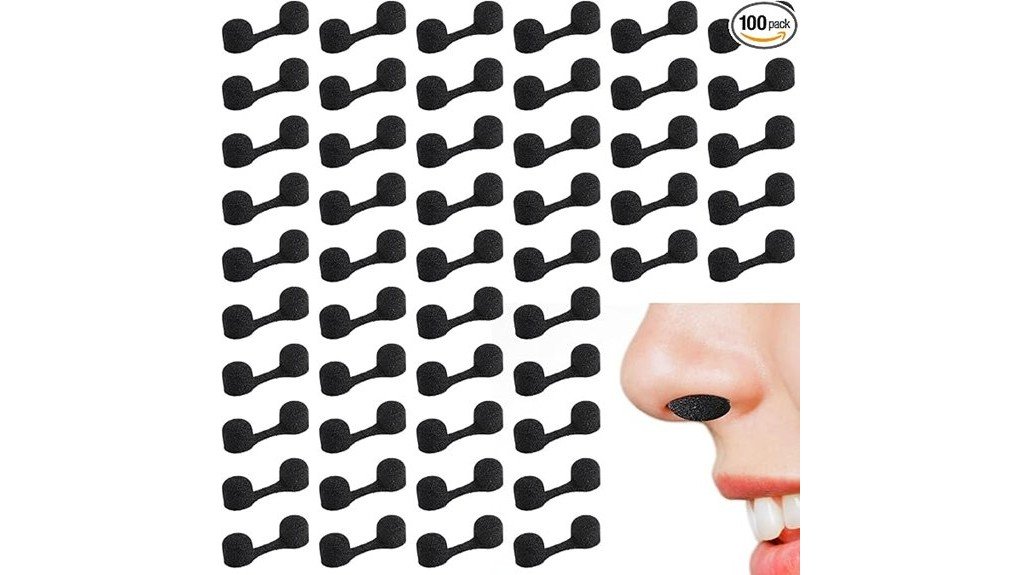
Strong smells, dust, pool water, and certain salon or hobby tasks can make you want a simple nose barrier that you can throw away after use. The 100 Disposable Nose Plugs are soft sponge plugs designed for short-term use in settings where you want help blocking nuisance odors, light airborne particles, or chlorinated water exposure. This review looks at the stated size, material, comfort, use cases, limits, and safety notes so you can decide if they make sense for your routine. They are convenient and low-effort, but they are not a replacement for a certified respirator, medical mask, or professional protective equipment.
Quick Verdict
Rating: 7/10, Recommended with caveats
Best For: Short-term odor control, swimming, spray tanning, painting prep, dusty chores, and other low-risk everyday situations.
Bottom Line: These disposable sponge nose plugs are a practical pick when you want a simple, soft, one-time-use nose barrier. The main tradeoff is that the brand, certifications, and full product specifications are not stated in the source article, so you should treat them as a convenience item, not certified safety gear.
| Specification | Detail |
|---|---|
| Product type | Disposable nose plugs |
| Count or quantity | 100 disposable nose plugs, based on the product name |
| Material | Premium sponge material, as stated in the source article |
| Skin/contact layer | Soft sponge surface described as odorless and skin-friendly |
| Approximate size | About 1.5 x 0.5 inches per plug |
| Design | Soft insert-style sponge plug for the nostrils |
| Best use | Odor control, pool use, spray tanning, painting, light dusty chores, and similar short-term tasks |
| Reusable or disposable | Disposable, one-time-use product |
| Safety note | Not verified as certified respiratory protection. Use proper safety gear for hazardous dust, fumes, chemicals, or workplace exposure. |
| Care or storage note | Store unused plugs in a clean, dry, sealed container or bag to help keep them free from dust and moisture. |
Key Takeaways
- The main appeal is convenience: you get a disposable sponge nose plug that can be used once and thrown away.
- The source article states an approximate size of 1.5 x 0.5 inches, which should fit many adults, but fit can still vary by nose shape.
- They are most useful for nuisance odors, light dusty settings, swimming, spray tanning, and painting prep.
- They are not a substitute for a certified respirator, dust mask, or medical device when real respiratory protection is required.
- The soft sponge material should feel gentler than hard plastic clips, but sensitive users may still need to test comfort carefully.
Before You Buy: These nose plugs are best treated as a simple comfort and nuisance-control item. Do not rely on them for hazardous fumes, heavy dust, chemical exposure, infection protection, or any situation that calls for certified respiratory protection.
What Are the 100 Disposable Nose Plugs?
The 100 Disposable Nose Plugs are small sponge plugs made to sit inside the nostrils and create a soft barrier. The article describes them as odorless, skin-friendly, and made from premium sponge material. Their stated size is about 1.5 x 0.5 inches, which makes them compact enough for short-term use during activities where smell, dust, or water irritation is a concern.
They are designed for buyers who want a simple disposable option rather than a washable nose clip or reusable nasal filter. Since the source article does not state a brand, model name, certification, or filtration rating, the safest way to view them is as a basic sponge barrier for everyday nuisance use. That makes them better for convenience than for serious safety needs.
Who Should Buy It?
Best For
- You want a disposable option for short-term odor control during chores, painting, or spray tanning.
- You need a soft nose plug for occasional pool use or exposure to chlorinated water.
- You prefer a bulk pack so you can keep extras in a bathroom, travel bag, work kit, or salon supply drawer.
Skip If
- You need verified N95-style filtration, workplace respiratory protection, or chemical fume protection.
- You have very sensitive nasal skin, frequent nose irritation, or a medical concern that should be discussed with a clinician.
- You want a reusable, adjustable, or size-specific nose clip instead of a disposable sponge plug.
Material Safety and Comfort
The source article lists the material as premium sponge, which is the most important comfort detail. Sponge has more give than hard plastic, so it may feel less sharp or pinchy during short wear. The soft texture also helps the plug compress during insertion, which can make placement easier for many users.
The tradeoff is that sponge can absorb moisture, sweat, pool water, and odors. Because these plugs are described as disposable, you should not wash and reuse them. Replace them after use, especially after swimming, painting, spray tanning, or exposure to dust.
Fit and Ease of Use
Each plug is listed at about 1.5 x 0.5 inches. That size may work for many adult noses, but it does not mean every user will get the same fit. Nose shape, nostril size, and sensitivity can all affect comfort.
The simple insert-style design is useful when you want something fast. You do not need straps, clips, filters, or a separate holder. Place the plug gently, check that you can breathe comfortably, and remove it if you feel pressure, pain, dizziness, or irritation.
Pro Tip: Wash and dry your hands before handling the plugs, then insert them gently without pushing them deep into the nose. A shallow, comfortable fit is better than forcing a tight fit.
Odor and Particle Blocking
The article says these plugs help block harmful particles and odors. A more careful way to frame that benefit is that the sponge barrier may help reduce direct exposure to nuisance smells, light dust, and similar irritants during short tasks. That can be useful when you are painting a small area, working near strong scents, or doing a messy chore.
There is no verified filtration rating in the article, so you should not compare these to a certified mask, respirator, or industrial nasal filter. For fine dust, fumes, solvents, smoke, mold, or workplace hazards, use properly rated protective equipment instead.
Versatile Applications for Everyday Use
These disposable nose plugs make the most sense in low-risk, short-duration settings. For swimming, they can help reduce the amount of water entering your nostrils. For spray tanning, they can help create a small barrier while product is being applied around the face.
They can also be useful for painting prep, dusty storage rooms, craft projects, or other tasks where you want a simple plug you can throw away after use. The bulk 100-count format is helpful if several people in a household, salon, or workspace need a fresh pair often.
How It Performs in Real Use
For Swimming
In pool settings, the soft sponge design may help reduce water entry and chlorinated smell. The fit matters most here because a loose plug can shift once wet. Remove and replace the plugs after swimming rather than drying them for reuse.
For Spray Tanning
During spray tanning, the plugs can act as a disposable barrier while mist is applied around your face. They are compact and easy to discard afterward, which is useful in salon settings. They should not replace proper ventilation or the safety steps recommended by the tanning product or technician.
For Painting and Strong Odors
For light painting tasks or strong household smells, these plugs may help reduce how much odor reaches your nose. They are not suitable for solvent fumes, enclosed spaces, or jobs that require a respirator. Use them only as an added comfort item when the task itself is safe.
For Dusty Chores
For cleaning storage spaces, sweeping light dust, or handling mildly dusty items, the plugs may offer a basic barrier. They are not enough for heavy dust, construction dust, silica, mold, or other hazardous particles. In those cases, use certified respiratory protection and follow workplace or product safety guidance.
How to Use It Correctly
Start with clean, dry hands and remove only the plugs you plan to use. Gently compress the sponge between your fingers, place it at the nostril opening, and let it expand enough to sit comfortably. Do not push it deep into your nose.
Once placed, check your comfort before starting the activity. If the plug feels painful, blocks breathing too much, or causes irritation, remove it right away. After use, throw it away and use a fresh plug next time.
Common Mistakes to Avoid
- Using them as safety equipment: These are not verified as certified respirators or medical protection.
- Reusing wet plugs: Sponge can hold moisture and debris, so reuse is not a good idea.
- Pushing them too far in: Insert gently and keep placement shallow enough to remove easily.
- Ignoring fit issues: If the plug slips, pinches, or feels too tight, it may not be the right product for you.
- Letting young children use them unsupervised: Children need close adult supervision because small plugs can be misused or misplaced.
Storage and Travel
A 100-count pack is easy to split between different locations. You can keep a few unused plugs in a clean pouch for travel, a salon kit, a pool bag, a painting supply box, or a drawer near cleaning supplies. Keep them dry until use.
For hygiene, avoid leaving loose plugs exposed on counters, in damp bathrooms, or inside dusty tool bags. A small sealed container or resealable bag helps keep unused plugs cleaner before they touch your skin.
Pros and Cons
Pros
- Soft sponge material is more comfortable than many hard plastic nose clips.
- Disposable design is convenient for messy, wet, dusty, or odor-heavy tasks.
- Approximate 1.5 x 0.5 inch size makes the plugs compact and easy to carry.
- 100-count pack gives you enough pieces for repeated short-term use.
- Useful for several everyday settings, including swimming, spray tanning, painting prep, and light dusty chores.
Cons
- No verified brand, certification, or filtration rating is available from the source article.
- Fit may vary because the product is not described as size-specific or adjustable.
- Disposable sponge design means frequent replacement is needed.
Is It Worth the Price?
These nose plugs are best judged as a budget-friendly convenience item. The value comes from the 100-count pack, disposable format, and broad everyday usefulness. If you need fresh plugs often for swimming, salon use, painting prep, or odor-heavy chores, the bulk quantity may make sense.
The limitation is that you are not getting a verified safety rating or advanced filtration system based on the article details. This is a smart buy for everyday nuisance control, but not the best fit if you need certified respiratory protection or a reusable adjustable product.
How It Compares to Alternatives
Compared with reusable silicone swim nose clips, these disposable sponge plugs may feel softer and more hygienic for one-time use, but they create more waste and may not grip as firmly in water. Compared with nasal filters, they are simpler and cheaper in concept, but the article does not provide a filtration rating.
If you need stronger fit control for swimming, a reusable nose clip may be better. If you need real protection from dust, fumes, or workplace hazards, a properly rated mask or respirator is the safer choice. These disposable nose plugs make the most sense when convenience and short-term comfort matter most.
Frequently Asked Questions
Are the 100 Disposable Nose Plugs reusable?
No. The source article describes them as disposable, so they should be treated as one-time-use plugs. Throw them away after swimming, painting, spray tanning, dusty work, or any use where they get wet or dirty.
What size are these disposable nose plugs?
The article states an approximate size of 1.5 x 0.5 inches. That compact size should fit many users, but comfort can vary based on nostril shape and sensitivity.
Can these nose plugs replace a mask or respirator?
No. They are not verified as certified respiratory protection. Use a properly rated mask or respirator for hazardous dust, fumes, chemicals, mold, smoke, or workplace exposure.
Are they good for swimming?
They can be useful for pool use if the fit is comfortable and secure. Because sponge can absorb water, you should discard them after swimming instead of trying to reuse them.
Can children use these nose plugs?
Children should only use small nose plugs with close adult supervision. Check the fit carefully, do not force insertion, and stop use if the child feels discomfort, irritation, or trouble breathing.
Do they come in different sizes?
The article does not confirm multiple sizes. It only gives the approximate plug size of 1.5 x 0.5 inches, so shoppers with very small or very large nostrils should expect some trial and error.
How should you store unused nose plugs?
Keep unused plugs in a clean, dry, sealed container or resealable bag. This helps protect the sponge from dust, moisture, and contact with dirty surfaces before use.
Who should skip these disposable nose plugs?
Skip them if you need certified protection, a reusable product, or a size-adjustable nose clip. You should also avoid them if you have nasal irritation, breathing concerns, or a medical condition that makes nose inserts uncomfortable.
The Bottom Line
The 100 Disposable Nose Plugs are worth considering if you want a soft, single-use sponge plug for short-term odor control, swimming, spray tanning, painting prep, or light dusty chores. They are easy to use and convenient in bulk, but you should skip them if you need certified respiratory protection, a verified filtration rating, or a reusable adjustable fit.