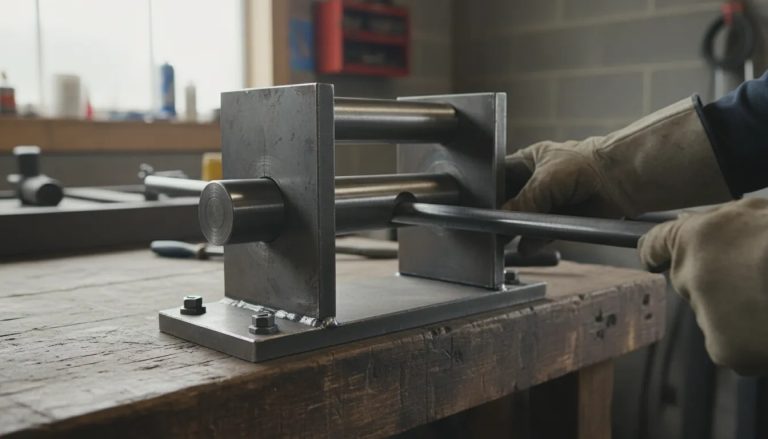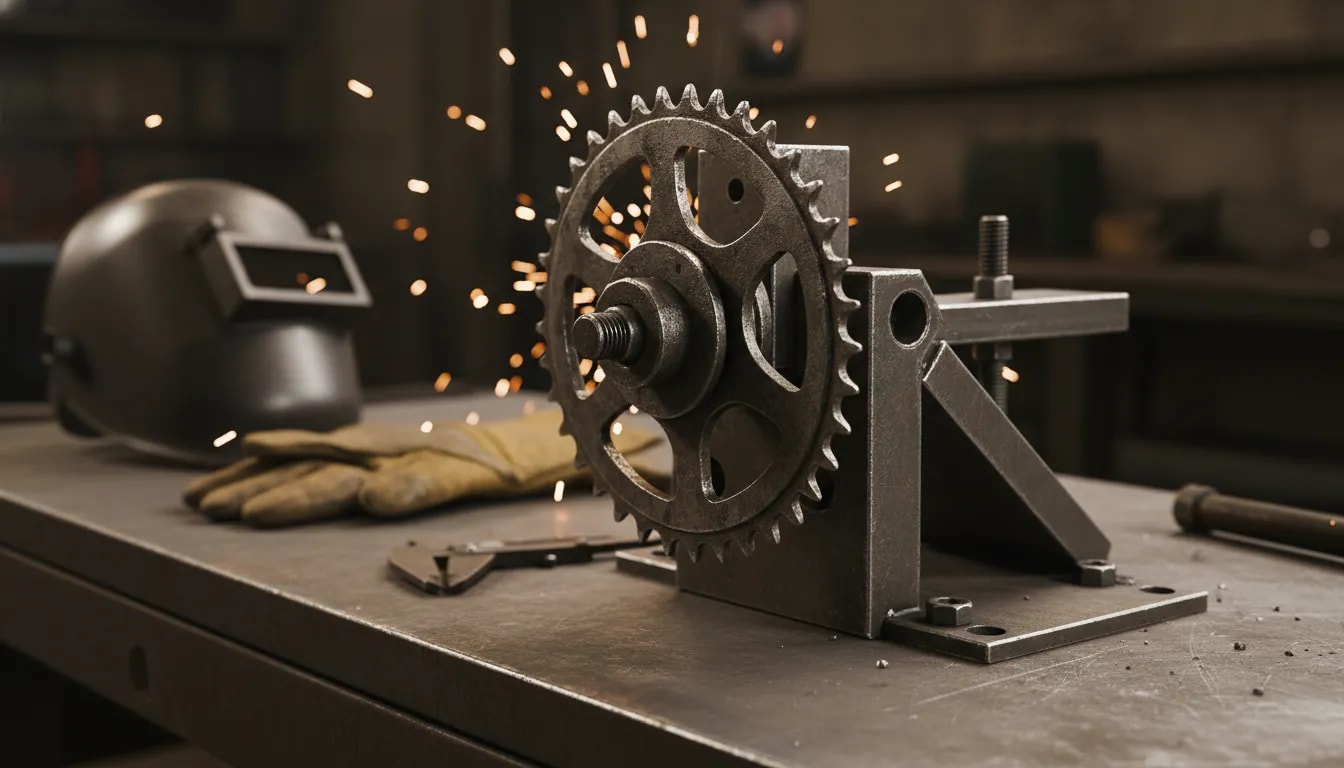
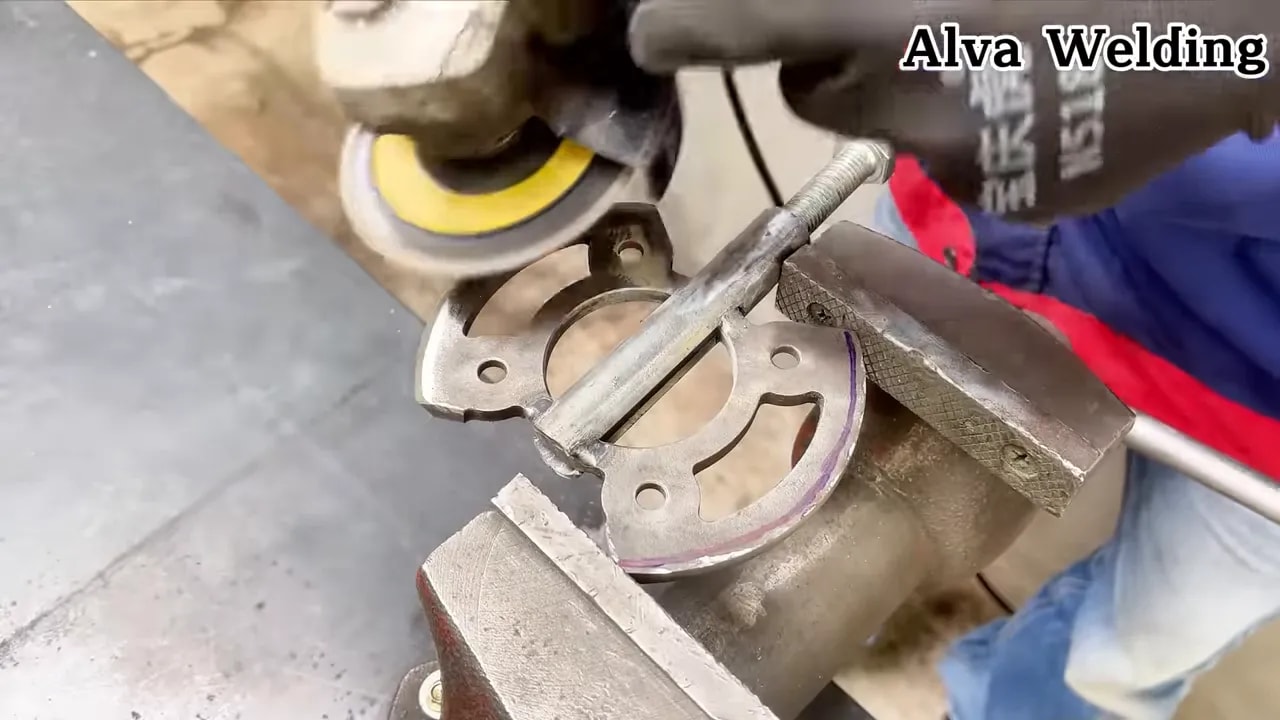
Instead of discarding an old bicycle sprocket, you can repurpose it into a practical handmade metal tool with welding and simple fabrication skills. This is a great scrap metal project for beginners and hobbyists who want to practice welding fundamentals while also making something functional.
🧰 Why recycle a bicycle sprocket instead of throwing it away?
A bicycle sprocket is already shaped, hardened, and engineered to handle repeated mechanical load. When it is no longer usable on a bike (worn teeth, damaged hub interface, or corrosion), that same geometry can still be valuable for a DIY project.
Recycling it can help you:
- Save money by using existing, “free” steel parts.
- Reduce scrap waste by giving old components a second life.
- Practice metalworking with a familiar, small part.
- Build purposeful tools for cleaning, scraping, gripping, or general shop tasks.
🧱 What you can build with a sprocket (common DIY options)
Depending on the sprocket size and the condition of the teeth, common repurposing directions include:
- Scraping and cleaning tools using the tooth profile.
- Grip or traction attachments for handling materials.
- Small shop jigs or guides where repeated tooth contact is useful.
- Replacement-style components for non-critical custom parts.
One key idea: you are not trying to make the sprocket “work like a bike part.” You are using its steel and tooth geometry for a new purpose.
⚙️ Materials and tools checklist for a sprocket welding project
Before starting, gather materials and plan your build. Most successful scrap-metal tool projects follow the same pattern: clean metal, secure alignment, and controlled welding.
Materials
- Old bicycle sprocket (ideally steel, not aluminum)
- Handle or mounting metal (flat bar, rod, scrap plate, or an existing handle material)
- Optional reinforcement pieces (gussets, washers, small brackets)
- Grinding consumables (wheels, flap discs)
- Rust protection (spray primer, paint, or oil depending on use)
Tools
- Welding equipment (MIG or stick is commonly used for scrap projects; TIG can work but takes more setup)
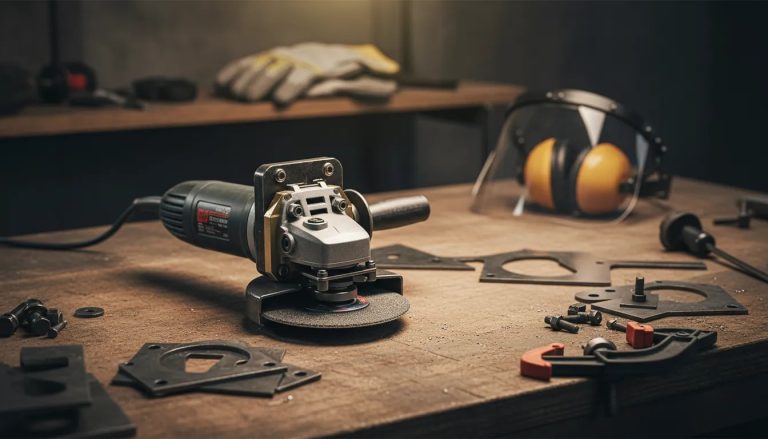
- Angle grinder with cutting and grinding discs
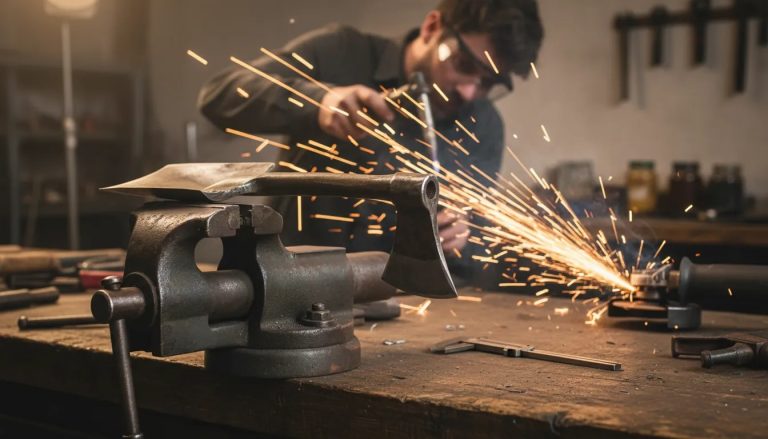
- Clamp set or a vise to hold parts tight during tack welding
- Steel brush and a degreasing solvent
- Personal protective equipment (PPE): helmet, gloves, eye protection, and hearing protection
🧼 Step-by-step: build a welded DIY tool from a scrap sprocket
The exact design depends on your intended job, but the workflow usually stays consistent. Use this as a safe, repeatable method.
Step 1: Inspect and choose the right sprocket
- Check for cracks near mounting holes or around the hub area.
- Look for heavy pitting that might weaken weld holding points.
- Confirm material type if possible. Steel sprockets weld differently than aluminum.
Step 2: Clean and prep surfaces for welding
- Remove rust and old grease with a wire brush and degreaser.
- Grind weld contact points until you reach clean, bare metal.
- Dry parts completely before welding.
Step 3: Fit-up and align the handle or base
Fit-up accuracy determines strength. Plan how the sprocket tooth area will contact the work, then align the mounting piece so the tool does not twist under load.
- Dry-fit parts first.
- Use clamps or a fixture so alignment does not shift while tack welding.
- Ensure the sprocket sits square relative to the handle.
Step 4: Tack weld in a pattern
Start with small tacks, not full welds. A tack pattern reduces distortion and keeps parts from pulling out of alignment.
- Tack at multiple points around the joint.
- Re-check alignment after tacking.
- Only then proceed to full weld passes.
Step 5: Weld in controlled passes
Scrap metal pieces can vary in thickness and chemistry. Work in short segments to manage heat.
- Let the metal cool slightly between passes.
- Avoid overheating thin mounting pieces.
- Focus on strong fusion at the joint, not excessive bead size.
Step 6: Grind and finish safely
- Grind any sharp edges where hands will contact the tool.
- Clear slag and spatter so the contact teeth or working edge stays usable.
- Test the movement and stability under light force before real use.
Step 7: Protect against rust
Many bicycle parts are stored outdoors at some point, and tooth cavities can trap moisture. After fabrication:
- Wipe down and remove dust.
- Apply primer and paint if the tool will be exposed.
- For heavy-duty shop use, a light oil coating can help prevent early corrosion.
🧠 Welding tips specific to bicycle sprockets and mixed scrap
Sprockets are often small-diameter steel with hardened regions. Mixed scrap can also have unknown thickness and coatings. Use these practical tips to improve results.
Control heat to reduce warping
Small steel rings can distort when overheated. Tack first, weld in sections, and avoid continuous long beads.
Be cautious about hardened steel areas
Some parts near teeth or press-fit zones can be harder. If you notice cracking around welds, reduce heat input, use lower travel speed consistency, and consider adding reinforcement rather than forcing heavy weld buildup.
Use proper clamps and support
Even “small” tools can experience leverage forces. Good clamping during tack welding prevents misalignment that later requires grinding and weakens edges.
Match your welding method to your setup
- MIG welding is often faster for beginners and scrap builds, especially on flat mounting pieces.
- Stick welding can handle thicker, dirtier scrap more easily, but needs good technique to avoid excessive spatter.
- TIG welding offers precision for thin or clean material but requires more experience and setup.
✅ Pitfalls to avoid (and how to fix them)
Most failures in scrap metal tool projects come from prep mistakes, heat distortion, or weak joint design. Here are common issues and solutions.
Problem: weak attachment that breaks under load
Fix: Improve the joint design. Add a larger contact area, use a thicker mounting plate, or include a gusset for shear resistance.
Problem: sprocket teeth become damaged during grinding
Fix: Grind only where needed for fit-up and hand safety. Keep working on the mounting weld areas rather than the functional tooth edge.
Problem: cracking around welds
Fix: Reduce heat input, weld in segments, and inspect for cracks before welding further. Consider switching to a more forgiving weld bead strategy or adding mechanical reinforcement.
Problem: rust returns quickly
Fix: Clean thoroughly after fabrication and use primer plus top coat, especially in tooth cavities and under brackets.
📏 Design checklist for a practical sprocket-based tool
Before you weld, verify these items so the finished tool is actually useful:
- Function: What will the tool do, and where will the teeth or edge contact?
- Grip and balance: Is the handle comfortable and does the tool feel stable?
- Joint strength: Is the mounting area large enough and properly reinforced?
- Heat control: Can you weld in sections without overheating?
- Safety: Are there sharp edges, burrs, or hot spots?
- Corrosion protection: Will it be used indoors or outdoors?
🛠️ Frequently Asked Questions
Can a bicycle sprocket be welded safely if its material is unknown?
Test-clean a small area and inspect for behavior during welding. If you see severe cracking, excessive brittleness, or unusual melting, stop and reconsider. When possible, identify the material and choose a welding process and heat input accordingly.
What welding method works best for scrap metal sprocket projects?
MIG and stick welding are commonly used for beginner-friendly scrap tool builds. TIG can work when the material is thin and clean, but it takes more setup and fine control.
How do I prevent warping when welding a small round part?
Tack first in multiple locations, clamp parts tightly, and weld in short segments while allowing cooling between passes. Avoid long continuous beads that add too much heat at once.
What should I do before grinding the tool after welding?
Let the work cool, remove spatter and slag, then grind only the areas that need shaping or smoothing. Leave functional surfaces, like tooth geometry, as intact as possible.
How can I stop the tool from rusting quickly?
Thoroughly clean after grinding, then apply primer and a top coat. For shop-use tools exposed to moisture, a light protective oil can also help, especially on tooth cavities.
🎯 Key takeaway: turn scrap into a durable, practical tool
A worn bicycle sprocket is more than scrap. With proper cleaning, careful alignment, controlled welding, and finishing, it can become a useful handmade metalworking tool that saves money and builds real fabrication skills.