Disclosure: As an Amazon Associate, we earn from qualifying purchases. If you click a link on this page and make a purchase, we may receive a small commission at no extra cost to you.
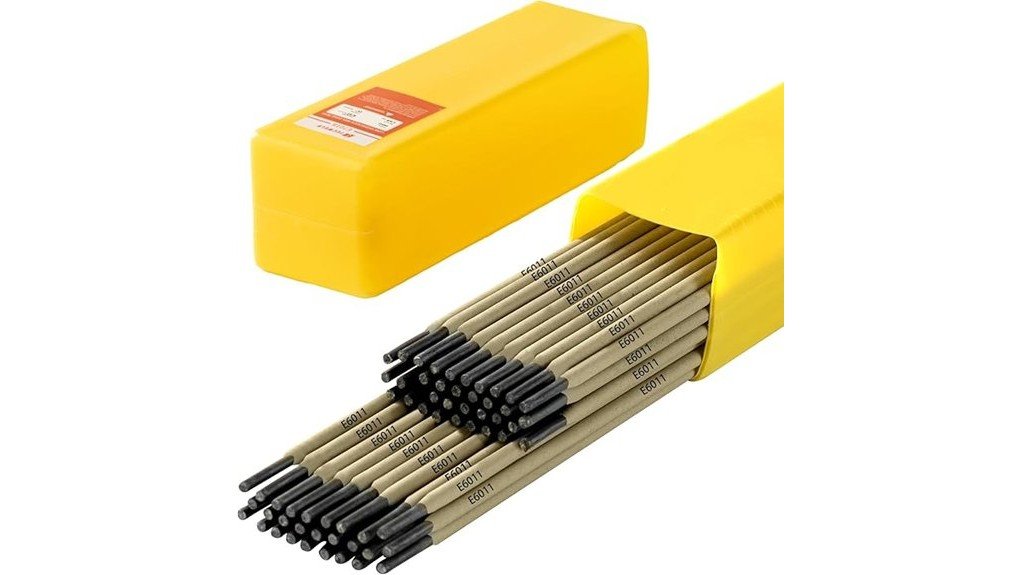
Rusty, painted, oily, or awkwardly positioned steel can make stick welding harder than it needs to be. These E6011 welding rods are positioned as a practical electrode choice for deep penetration, stable arc control, and all-position repair work. This review helps you decide whether the listed 1/8 in (3.2 mm), 14 in, 2.2 lb pack makes sense for your repair, maintenance, pipe, or fabrication projects. The main appeal is flexibility on imperfect metal, but you still need the right welder settings, safe prep, and dry storage to get reliable results.
Quick Verdict
Rating: 8.1/10
Best For: DIY welders, repair shops, farm maintenance, pipe repairs, and steel projects where full surface prep may be difficult.
Bottom Line: These E6011 welding rods are worth considering if you need deep penetration, all-position use, and better tolerance for imperfect surfaces. Skip them if you need verified brand documentation, a low-hydrogen rod for a controlled procedure, or a gentler rod for very thin cosmetic work.
Key Specifications
| Specification | Detail |
|---|---|
| Product type | E6011 stick welding rods |
| Rod diameter | 1/8 in (3.2 mm), based on the provided product details |
| Rod length | 14 in, based on the provided product details |
| Pack weight | 2.2 lb per pack, based on the provided product details |
| Welding position | Flat, horizontal, vertical, and overhead use listed in the article details |
| Main performance claim | Deep penetration with stable arc control |
| Surface condition | Useful on rusted, painted, or oily surfaces when full prep is difficult |
| Possible uses | Repairs, equipment maintenance, pipe work, auto body work, structural steel fabrication, and ship repairs |
| Package note | Brand, certification, amperage range, warranty, and exact package count were not verified from the provided source |
| Storage note | Store in a cool, dry place to help reduce moisture exposure to the flux coating |
What Are These E6011 Welding Rods?
These E6011 welding rods are stick electrodes made for repair and fabrication jobs where you need strong penetration and flexible positioning. The listed 1/8 in (3.2 mm) diameter and 14 in length make them a common working size for many home, shop, and field repairs.
The main selling point is performance on less-than-perfect steel. When you are dealing with rusted, painted, or oily surfaces, E6011 rods can reduce the amount of prep work compared with rods that demand cleaner base metal. That does not make cleaning optional, but it does make them useful when the repair cannot wait for ideal shop conditions.
The 2.2 lb pack size also fits buyers who want a manageable supply rather than a large bulk purchase. It makes sense for occasional repairs, practice sessions, and small maintenance jobs, as long as you store the rods properly between uses.
Key Takeaways
- E6011 welding rods are made for deep penetration and stable arc control across common welding positions.
- The article-supported size is 1/8 in (3.2 mm) diameter, 14 in length, and 2.2 lb per pack.
- They are useful for rusted, painted, or oily steel where full surface prep is difficult.
- They can fit pipe repairs, equipment maintenance, auto body work, structural fabrication, and ship repair tasks.
- You should confirm the rod label, welder compatibility, current type, polarity, and amperage range before welding.
Who Should Buy It?
Best For
- Welders who need deep penetration for repair and maintenance work.
- DIY users repairing farm equipment, gates, brackets, frames, trailers, or outdoor steel parts.
- Shops that want a general-purpose rod for flat, vertical, horizontal, and overhead welding tasks.
Skip If
- You need a verified brand-specific rod for a code-controlled welding procedure.
- You want a light-penetration rod for smooth cosmetic beads on thin decorative work.
- Your welder setup does not match the rod label, amperage range, current type, or polarity requirements.
Before You Buy: Confirm the package label before use. The provided article supports the 1/8 in, 14 in, 2.2 lb details, but brand, certification, amperage range, warranty, and full listing documentation were not independently verified here.
Welding Performance
The biggest reason to consider E6011 rods is the deep-penetrating arc. That extra bite helps when you are joining steel that needs practical strength for repairs, outdoor use, vibration, or repeated stress.
The stable arc control listed in the provided details helps you manage the puddle more easily. This matters in vertical and overhead positions, where poor control can cause uneven beads, slag pockets, or wasted rods.
The article details also mention low slag and minimal spatter. Less cleanup can help when you are doing several small repairs in a row, but you should still chip, brush, and inspect each weld before starting another pass.
Surface Prep and Dirty Metal Use
E6011 rods are useful when the base metal is rusty, painted, oily, or difficult to clean fully. That makes them practical for older trailers, farm equipment, fencing, frames, and machinery where perfect prep is not always realistic.
You should still remove loose rust, thick paint, grease, dirt, and flammable material before welding. Cleaner steel helps the arc start better, improves bead consistency, and reduces the fume risk from coatings or contaminants.
Pro Tip: Keep a wire brush, chipping hammer, and sealed rod tube near your welding station. A quick brush before welding and dry storage after welding can improve starts, bead consistency, and cleanup.
Electrode Size and Machine Compatibility
The listed 1/8 in (3.2 mm) diameter is a practical size for many repair jobs, but it still needs a welder that can run the rod correctly. Before you strike an arc, match the rod label to your welder’s output, current type, polarity, and recommended amperage range.
This step matters most on thin steel. A 1/8 in rod can put too much heat into light-gauge panels if your settings are too high or your travel speed is too slow. Test on scrap metal that is close to the same thickness before welding the final part.
All-Position Use and Control
The all-position capability makes these rods useful when the workpiece cannot be moved to a bench. You can approach flat, horizontal, vertical, and overhead welds with one rod type, which helps on brackets, frames, pipe, and equipment that must be repaired in place.
All-position welding still requires practice. Vertical and overhead welds need a steady hand, good arc length, and careful puddle control. If you are new to E6011, practice those positions on scrap before working on load-bearing or hard-to-access parts.
Storage and Moisture Control
Stick electrodes depend on a sound flux coating. Moisture exposure can make starts rougher, create more inconsistent arc behavior, and reduce confidence in the final bead.
Store these rods in a cool, dry place between jobs. A sealed rod tube or dry storage container is a smart add-on if you weld outdoors, keep rods in a truck, or work in a humid garage.
Wide Range of Applications
E6011 rods can fit many repair and fabrication jobs because they combine penetration, positional flexibility, and tolerance for imperfect steel. The article lists pipe repairs, equipment maintenance, auto body work, structural steel fabrication, and ship repairs as possible uses.
For pipe repairs, the deep-penetrating arc can help when the joint needs a stronger root than a lighter-duty rod can provide. For equipment maintenance, the ability to weld older or slightly contaminated surfaces can help when a field repair cannot wait.
For auto body or thin metal work, use caution. E6011 can penetrate aggressively, so thin panels may require lower heat, careful timing, and short test welds to avoid burn-through.
How It Performs in Real Use
For Farm and Equipment Repairs
These rods make sense for gates, brackets, small frame repairs, and older equipment where the surface may have rust, oil, or weather exposure. You still get better results if you brush the joint first and remove loose material before striking an arc.
For Pipe and Fixed-Position Work
The deep penetration and all-position use can help when you need to weld around fixed pipe, awkward joints, or vertical surfaces. For any code-required weld, follow the approved welding procedure instead of relying on a general-purpose product review.
For Garage and DIY Projects
DIY welders can use E6011 rods for common steel repairs where practical penetration matters more than a perfectly smooth bead. Expect a learning curve if you are new to stick welding, especially on thin metal or overhead joints.
For Outdoor Repairs
E6011 rods are practical for outdoor repairs because they are often chosen for less controlled conditions. Keep your rods dry, shield your work area when possible, and avoid welding in wet, windy, or unsafe conditions.
How to Use E6011 Rods Correctly
Start by checking the rod package and your welder manual. Match the rod size, recommended amperage, current type, and polarity to your machine before welding.
Clean the joint as much as the job allows. E6011 rods can handle rusted or painted surfaces better than many alternatives, but heavy contamination can still hurt bead quality and create fumes.
Practice on scrap metal if you are new to this rod type. Watch the puddle, keep a steady travel speed, and inspect the bead after chipping slag. If the weld looks undercut, porous, or weak, adjust technique and settings before working on the final piece.
Common Mistakes to Avoid
- Skipping the label check: Do not assume every 1/8 in E6011 rod runs the same way. Confirm the package details before use.
- Welding through heavy contamination: These rods are forgiving, but thick paint, grease, and dirt can still cause poor weld quality and unsafe fumes.
- Using too much heat on thin steel: Deep penetration can burn through light-gauge metal if your settings or travel speed are wrong.
- Ignoring storage: Leaving rods exposed in a damp shop or truck can make arc starts and weld consistency worse.
Safety Notes Before You Weld
Welding creates heat, sparks, bright arc light, fumes, and electrical hazards. Wear a proper welding helmet, welding gloves, flame-resistant clothing, eye protection, and sturdy boots. Keep bystanders away from the arc and protect nearby surfaces from sparks.
Ventilation matters, especially when welding painted, oily, coated, or dirty metal. Burning coatings and contaminants can create harmful fumes. When in doubt, clean the metal more thoroughly, improve ventilation, or ask a qualified welding professional for guidance.
Do not weld on sealed containers, fuel tanks, pressure vessels, unknown metals, or parts that may contain flammable residue. E6011 rods can be useful, but they do not remove the need for safe work habits, proper training, and a project-appropriate welding procedure.
Pros and Cons
Pros
- Deep penetration suits repair, maintenance, and fabrication work.
- All-position capability helps when the workpiece cannot be moved.
- Works on rusted, painted, or oily steel when full prep is difficult.
- Low slag and minimal spatter claims can reduce cleanup time when technique is correct.
- 1/8 in, 14 in, 2.2 lb details give buyers a clear size and pack reference.
Cons
- Brand, certification, amperage range, and warranty details were not verified from the provided article.
- May be too aggressive for very thin sheet metal without careful amperage control.
- Requires proper dry storage because moisture can hurt welding performance.
Is It Worth the Price?
These E6011 rods are worth considering if you want a practical stick electrode for repair jobs, maintenance work, and imperfect steel surfaces. The value comes from versatility: one rod type can cover flat, vertical, horizontal, and overhead welding tasks.
The strongest value is for welders who need deep penetration and do not want to spend extra time cleaning every surface to a polished finish. This can make the pack a smart buy for occasional repair use, especially if you often work on older steel.
The limitation is verification. Because the provided source does not confirm a brand, certification, amperage range, or warranty, buyers who need documented specs for professional or code-controlled work should verify the package details before ordering.
How It Compares to Alternatives
E6011 rods are often chosen when penetration and dirty-metal performance matter more than bead appearance. If you want a smoother, easier bead for lighter work, E6013 may be worth comparing. If you need a low-hydrogen electrode for a specific structural procedure, E7018 may be the more appropriate rod.
Compared with E6010, E6011 is generally the more familiar choice for many general-purpose users who want flexibility across common repair work. The best choice still depends on your welder, base metal, position, current requirements, and project procedure.
Frequently Asked Questions
What materials can E6011 rods effectively weld?
E6011 rods are mainly used for carbon steel repair and fabrication work. The provided details note that they can work on rusted, oily, dirty, or painted surfaces, but you should still clean the joint when possible.
Are these rods good for beginners?
They can work for beginners who need a forgiving rod for repair tasks, but practice is still important. Start on scrap steel so you can learn arc length, travel speed, heat control, and slag cleanup before welding the final part.
How do E6011 rods compare to E6010 rods?
Both rod types are known for strong penetration and repair usefulness. E6011 is often treated as a flexible general-repair choice, while E6010 may be preferred in some professional pipe and root-pass applications.
Can E6011 rods be used outdoors?
Yes, they are often useful for outdoor repair work, especially when the metal is older or not perfectly clean. Avoid wet conditions, protect the work area when possible, and store the rods dry between uses.
What safety gear should you use with E6011 rods?
Use a welding helmet, welding gloves, flame-resistant clothing, eye protection, and sturdy boots. You also need ventilation and spark control because welding can create fumes, heat, UV light, and fire hazards.
How should E6011 rods be stored?
Store them in a cool, dry place away from moisture. A sealed rod tube or dry storage container can help protect the flux coating and support more consistent arc starts.
Are these rods suitable for thin metal?
They can be used on some thinner steel, but the deep penetration can cause burn-through if the settings or technique are wrong. Use scrap metal for testing and lower your heat when the workpiece is thin.
Who should skip these E6011 welding rods?
Skip them if you need verified brand documentation, a specific certification, or a rod required by an approved welding procedure. Another rod type may also be better for very smooth cosmetic beads on clean, light-gauge metal.
The Bottom Line
These E6011 welding rods are a strong fit if you need a practical stick electrode for deep penetration, all-position use, and repair work on less-than-perfect steel. They are best for DIY repairs, maintenance jobs, and general shop use where flexibility matters more than brand documentation.
Skip them if you need verified certification details, a low-hydrogen rod for a controlled procedure, or a gentler electrode for thin cosmetic work. The 8.1/10 verdict reflects strong practical usefulness with clear verification and setup caveats.