As an Amazon Associate I earn from qualifying purchases. Buying through these links costs you nothing extra.
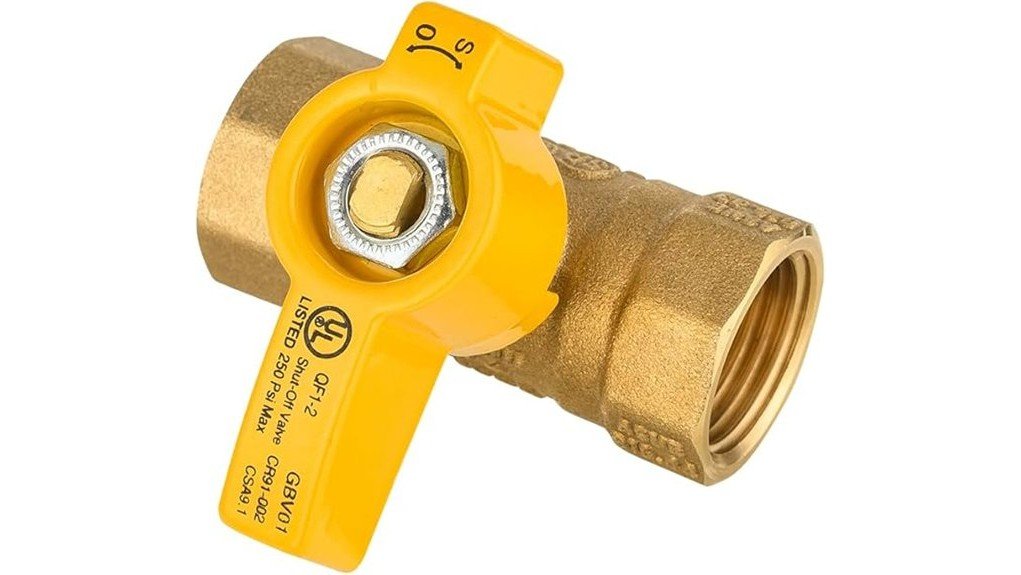
A gas shutoff valve is a small part, but choosing the wrong connection size or pressure rating can create a serious installation problem. The EFIELD Gas Ball Valve VALVE234 is a 1/2-inch FIP x 1/2-inch FIP brass valve designed for stationary gas appliances, with a quarter-turn lever for simple on/off control. Its main strengths are straightforward construction, a broad -40°F to 150°F operating range, and CSA and UL approvals. Its biggest limitation is equally important: this is a low-pressure valve rated up to 0.5 psi, so you need to confirm that rating, thread size, appliance requirements, and local code before installation.
Quick Verdict
Best For: Buyers who need a 1/2-inch female-threaded, low-pressure shutoff valve for a compatible stationary gas appliance.
Bottom Line: The EFIELD VALVE234 keeps the design simple with brass construction, a quarter-turn lever, and recognized safety approvals. It is a practical option when its 1/2-inch FIP connections and 0.5 psi rating match your system, but it should not be treated as a universal gas valve.
| Specification | Detail |
|---|---|
| Brand | EFIELD |
| Model / SKU | VALVE234 |
| Product Type | Gas ball shutoff valve |
| Connection Size | 1/2-inch FIP x 1/2-inch FIP |
| Connection Type | Female threaded connections |
| Body Pattern | Straight |
| Material | Brass |
| Handle | Metal lever |
| Operation | Quarter turn |
| Rated Pressure | Up to 0.5 psi |
| Operating Temperature | -40°F to 150°F |
| Approvals | CSA and UL approved |
| Intended Use | Compatible indoor or outdoor stationary gas-appliance installations |
| Important Limitation | Connection size and 0.5 psi pressure rating must match the installation requirements. |
What Is the EFIELD Gas Ball Valve?
The EFIELD VALVE234 is a compact shutoff valve intended to control gas flow in a compatible stationary appliance installation. Both sides use 1/2-inch female iron pipe connections, so it is designed for threaded fittings rather than a flare connection.
The valve body is made from brass and uses a metal lever that moves through a quarter turn. This simple mechanism lets you move between open and closed positions without repeatedly turning a multi-turn handle.
What makes this particular model worth considering is not a long feature list. Its appeal comes from using a common 1/2-inch threaded size, a straightforward shutoff design, and CSA and UL approvals. Correct compatibility remains more important than convenience, especially with fuel-gas components.
Before You Buy: Confirm that your system actually requires 1/2-inch FIP x 1/2-inch FIP connections and is within the valve’s 0.5 psi pressure rating. A valve that physically threads into a line is not automatically suitable for that appliance, fuel, location, or local code.
Who Should Buy It?
Best For
- Installations specifically requiring a 1/2-inch FIP x 1/2-inch FIP gas shutoff valve.
- Low-pressure stationary gas-appliance systems within the valve’s 0.5 psi rating.
- Buyers who want simple quarter-turn shutoff control with a metal lever.
Skip If
- Your installation requires a flare outlet, a different thread size, or another connection standard.
- Your system exceeds 0.5 psi or requires a different valve certification or specification.
- You have not confirmed appliance, fuel, and local-code compatibility.
Build Quality and Materials
The valve uses a brass body, a common material for fittings and valves because it provides a solid metal structure in a compact form. The handle is also metal rather than a soft plastic control.
For you, the practical benefit is straightforward durability. A shutoff valve does not need complicated controls, displays, or moving assemblies. The VALVE234 keeps the mechanism simple, which is appropriate for a part whose main job is to open or stop flow when installed in a compatible system.
The operating range of -40°F to 150°F also supports use across a wide range of environmental temperatures. That does not mean every outdoor installation is automatically acceptable. Exposure, enclosure requirements, appliance instructions, and local codes still matter.
Quarter-Turn Operation
The quarter-turn lever is one of the valve’s most useful features. Instead of rotating a handle several times, you turn the lever through roughly 90 degrees between its open and closed positions.
This design makes the valve’s position easier to understand at a glance and keeps normal operation simple. For a shutoff device, uncomplicated controls are valuable because you do not want to spend time figuring out how a valve works when you need to close it.
As with any gas-system component, the lever should move as intended without being forced. A valve that binds, feels damaged, or shows signs of leakage should be inspected rather than repeatedly worked back and forth.
Fit and Compatibility
The reviewed model uses 1/2-inch FIP connections on both ends. FIP refers to female threaded pipe connections, so both mating components need the correct male-threaded connection and specification.
This distinction matters because EFIELD also sells similar-looking valves with flare connections and other sizes. A 1/2-inch FIP x 1/2-inch OD flare model, for example, is not interchangeable with this FIP x FIP version simply because both products mention 1/2 inch.
Pro Tip: Check the markings and connection type on the existing installation before ordering. Match both ends of the valve, not just the nominal 1/2-inch size, because FIP and flare connections serve different fitting arrangements.
Pressure Rating and Temperature Range
The EFIELD VALVE234 is rated for pressure up to 0.5 psi. That makes the pressure specification one of the first details you should verify rather than something to check after purchase.
A higher-pressure application needs a valve rated for that system. Do not assume that a brass valve can handle an installation simply because its threads fit.
The stated operating temperature range is -40°F to 150°F. This gives the valve a broad temperature envelope for compatible stationary appliance installations, including settings exposed to seasonal temperature changes.
Certifications and Safety
The product is listed as CSA and UL approved. Those approvals are a meaningful buying factor for a fuel-gas component because they provide more useful information than vague claims about being “heavy duty” or “professional grade.”
Certification does not replace correct installation. The valve still needs to match the appliance, pressure, connection type, fuel system, and applicable local requirements.
Gas work can create fire, explosion, or carbon-monoxide hazards when components are selected or installed incorrectly. If you are not qualified to work on the gas system, use a licensed gas fitter, plumber, HVAC technician, or other professional permitted to perform the work in your area.
Installation and Setup Safety
The original appeal of this valve is its simple threaded format, but threaded construction should not be confused with a risk-free DIY job. Fuel-gas installations may have specific requirements for approved joint compounds, shutoff placement, pressure testing, accessibility, and appliance connections.
Before installation, the gas supply must be made safe according to the appliance instructions and local procedures. The installer should verify the direction and location of the valve, use connection materials approved for that gas system, tighten fittings correctly, and perform the required leak or pressure test after work is completed.
Never test a suspected gas leak with a flame. If you smell gas or suspect an active leak, follow your gas utility’s emergency instructions and move away from the source when required.
How It Performs in Real Use
As an Appliance Shutoff
In a correctly matched stationary appliance installation, the valve’s quarter-turn lever provides simple open-and-close control. There are no extra adjustments or controls to learn, which suits a shutoff valve well.
In Tight Utility Areas
A lever-operated valve can be convenient where you need a clear visual indication of the valve position. You still need enough physical clearance to operate the handle fully and keep the shutoff accessible as required by the installation.
In Hot or Cold Locations
The -40°F to 150°F stated temperature range provides flexibility across many indoor and outdoor environments. The actual installation still needs protection and placement appropriate to the appliance, surrounding materials, weather exposure, and local rules.
For Long-Term Ownership
A gas shutoff valve should generally require little interaction when everything is working correctly. Periodic inspection of accessible components for damage, corrosion, looseness, or signs of leakage is more useful than repeatedly operating or disassembling the valve without reason.
Common Mistakes to Avoid
- Buying by diameter alone: A 1/2-inch flare connection is not the same as a 1/2-inch FIP connection.
- Ignoring the pressure limit: The reviewed valve is rated up to 0.5 psi.
- Assuming all gas types and appliances are interchangeable: Confirm the exact application before installation.
- Using unapproved thread-sealing materials: Follow the product, appliance, fuel-gas, and local-code requirements.
- Skipping post-installation testing: Gas-system work should be checked using the approved testing procedure for the installation.
- Forcing a damaged or stiff handle: Have a questionable valve inspected instead of relying on force.
Maintenance and Inspection
The valve’s simple brass and lever design does not call for complicated routine maintenance. Your main concern should be keeping the installation accessible and watching for obvious signs of damage or deterioration.
If a connection becomes loose, the handle no longer works normally, the body is damaged, or you suspect leakage, stop treating the valve as a routine maintenance item and have the gas system evaluated properly.
Do not disassemble a gas valve or alter its components in an attempt to repair an internal fault unless the manufacturer specifically provides an approved service procedure and you are qualified to perform it.
Pros and Cons
Pros
- Brass body provides a simple, solid construction.
- Quarter-turn metal lever makes shutoff operation straightforward.
- 1/2-inch FIP connections suit compatible female-threaded valve applications.
- -40°F to 150°F operating range supports varied installation environments.
- CSA and UL approvals add useful third-party safety credentials.
Cons
- The 0.5 psi rating limits it to compatible low-pressure systems.
- FIP x FIP construction will not replace a valve that requires a flare outlet or another connection type.
- Gas-system installation may require a licensed professional and code-specific testing.
Is It Worth the Price?
The EFIELD VALVE234 is a basic utility component rather than a premium product built around extra features. Its value comes from offering the required shutoff function, brass construction, recognized approvals, and a common threaded connection format in one simple valve.
It is worth considering when the specifications line up exactly with your system. Paying less for a mismatched valve is not a saving, and paying more does not automatically give you a better installation. Correct size, connection, pressure rating, certification, and code compliance should drive the buying decision.
It is not the best fit if you need a flare connection, a different diameter, a higher pressure rating, or a valve specified differently by your appliance manufacturer.
How It Compares to Alternatives
EFIELD sells several similar gas valves, and the main difference is often the connection configuration. The VALVE231, for example, uses a 1/2-inch FIP connection on one end and a 1/2-inch OD flare connection on the other. The reviewed VALVE234 uses 1/2-inch FIP connections on both sides.
EFIELD also offers larger threaded gas-valve sizes such as a 3/4-inch FIP x 3/4-inch FIP version. The VALVE234 makes the most sense when your installation specifically calls for the 1/2-inch FIP x 1/2-inch FIP configuration and its low-pressure rating.
Note: this is a shutoff valve for stationary gas appliances. It is not a welding regulator, flowmeter or oxy-fuel line component. For welding gas gear, see our guides on how a welding gas regulator works and how to size a shielding gas regulator for MIG welding.
Frequently Asked Questions
What size connections does the EFIELD VALVE234 use?
It uses 1/2-inch FIP x 1/2-inch FIP threaded connections. Check both ends of your existing installation because the same nominal pipe size can also appear on valves with different connection types, including flare fittings.
What is the maximum pressure rating?
The valve is rated up to 0.5 psi. Do not use it in a system that requires a higher-rated valve simply because the threads appear to fit.
Is the EFIELD Gas Ball Valve CSA and UL approved?
Yes. The listing for the VALVE234 shows CSA and UL approval. You should still verify that the valve meets the requirements of your appliance and local installation code.
Can this valve be used outdoors?
The product is listed for compatible indoor and outdoor stationary gas appliances and has a stated operating range of -40°F to 150°F. Outdoor suitability still depends on the complete installation, exposure, appliance instructions, and applicable code.
Can I use it for propane or natural gas?
The listing describes it as a valve for stationary gas appliances but does not, by itself, establish that every propane or natural-gas installation is compatible. Confirm the fuel, appliance requirements, pressure, fittings, and local code before using it.
Should I install the valve myself?
Gas installation can involve serious fire, explosion, and carbon-monoxide hazards. Use a licensed or otherwise qualified professional when required, and follow the appliance instructions, manufacturer guidance, utility procedures, and local code.
What is the biggest buying mistake with this valve?
The biggest mistake is choosing it only because you see “1/2 inch” in the description. Verify that you actually need FIP connections on both ends and that the system falls within the valve’s 0.5 psi rating.
The Bottom Line
The EFIELD VALVE234 is a sensible choice when you specifically need a 1/2-inch FIP x 1/2-inch FIP, quarter-turn brass gas valve for a compatible low-pressure stationary appliance installation. Its simple lever operation, broad stated temperature range, and CSA/UL approvals are useful strengths, while the 0.5 psi limit and specific connection format mean you need to confirm compatibility before buying.
If your system needs a different connection, pressure rating, or specification, choose the valve required by the appliance and local code instead of trying to adapt this one.