Disclosure: As an Amazon Associate, we earn from qualifying purchases. If you click a link on this page and make a purchase, we may receive a small commission at no extra cost to you.
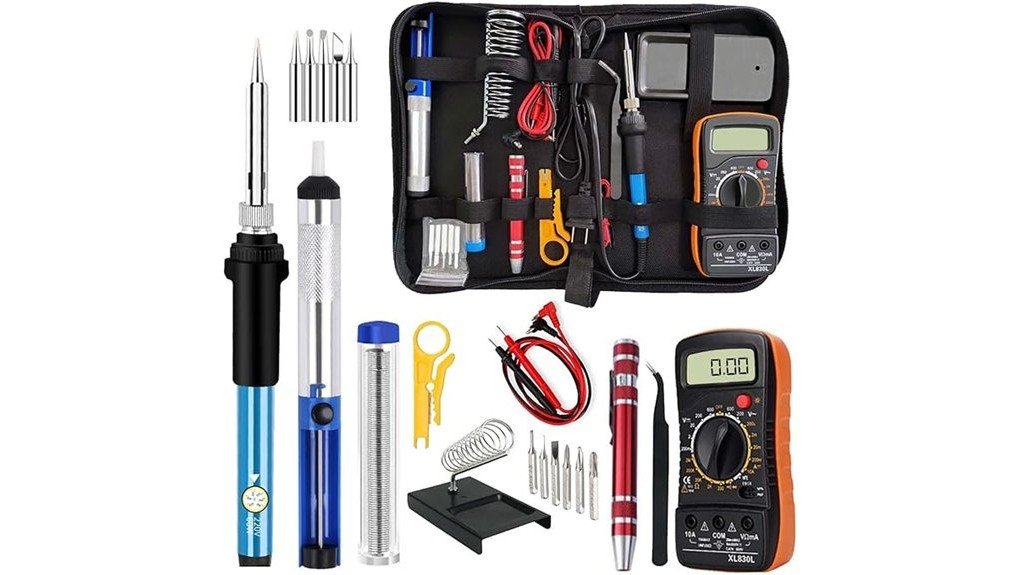
Small soldering repairs can get frustrating when your iron heats unevenly, lacks control, or leaves you guessing during basic electrical checks. The Electric Soldering Iron Kit aims to solve that with a 60W adjustable temperature soldering iron, a 200℃ to 450℃ heat range, two replacement tips, and a digital multimeter for testing common electrical issues.
This review helps you decide whether the kit makes sense for electronics repairs, household projects, light automotive electrical checks, and general DIY work. Its biggest strength is the all-in-one setup, but buyers should confirm the exact brand, accessory count, and product listing details before ordering because the provided source does not verify every specification.
Quick Verdict
Rating: 7.5/10
Best For: DIY users who want one compact kit for soldering, basic electronics repair, and simple voltage or continuity checks.
Bottom Line: This kit gives you adjustable 60W heat, useful testing functions, and portable storage in one package. It is not the best fit if you need a verified professional soldering station, confirmed certifications, or exact brand-level specifications before buying.
Key Takeaways
- The soldering iron uses a 60W heating element, which gives it enough output for many electronics and household soldering tasks.
- The 200℃ to 450℃ adjustable temperature range helps you match heat to different soldering jobs instead of using one fixed setting.
- The kit includes two replacement soldering tips, giving you backup tips for wear or different work styles.
- The included digital multimeter supports common checks such as AC/DC voltage, resistance, continuity, and diode testing.
- Its portable design and organized storage make it easier to keep tools together for garage, bench, or small repair work.
| Specification | Detail |
|---|---|
| Product Type | Electric soldering iron kit with digital multimeter |
| Power | 60W soldering iron |
| Temperature Range | Adjustable from 200℃ to 450℃ |
| Heat Control | Manual adjustable temperature setting |
| Included Tips | Two replacement soldering tips |
| Multimeter Functions | AC/DC voltage testing, resistance, continuity, diode testing, data hold, and LCD reading |
| Solder Compatibility | Compatible with lead-free solder and flux-core solder options |
| Best Use | Electronics repairs, circuit boards, connectors, household gadgets, and light automotive electrical checks |
| Storage | Compact, portable design with organized component storage |
| Safety Note | Follow the product instructions, work in a ventilated area, and let hot tips cool fully before handling or storing. |
What Is the Electric Soldering Iron Kit?
The Electric Soldering Iron Kit is a compact repair kit built around a 60W adjustable soldering iron. The article-supported temperature range runs from 200℃ to 450℃, giving you more control than a basic fixed-temperature pen iron.
The kit is designed for users who want to solder wires, connectors, circuit boards, small gadgets, and other household repair items. It also includes a digital multimeter, which helps you test electrical conditions before or after a repair instead of working by guesswork.
The biggest selling point is convenience. You get soldering heat control, testing support, replacement tips, and portable storage in one setup, which can be useful when you do not want to buy every tool separately.
Before You Buy: The provided article does not confirm the exact brand, model number, warranty, certifications, or full accessory count. Check the Amazon listing details before ordering, especially if you need a professional-grade soldering station or certified electrical testing equipment.
Who Should Buy It?
Best For
- DIY users who need adjustable heat for small electronics and household repairs.
- Beginners who want a soldering iron and multimeter in one practical starter kit.
- Garage or workbench users who value portable storage and replacement tips.
Skip If
- You need a verified brand-name soldering station with exact calibration specs.
- You work on sensitive professional electronics that require tight temperature accuracy.
- You need confirmed certifications, warranty terms, or a complete manufacturer spec sheet before buying.
Features of the Soldering Iron Kit
60W Adjustable Heat
The main tool in the kit is a 60W soldering iron with an adjustable range from 200℃ to 450℃. That range gives you flexibility for different materials and solder types, especially when you move between small wire joints, circuit board work, and general repair tasks.
Lower heat can help reduce the risk of overheating delicate parts, while higher heat may help when you need faster solder flow on larger joints. You still need to match the temperature to your solder, workpiece, and experience level because too much heat can damage components or lift pads on circuit boards.
Quick Heating for Small Repairs
The source article describes the iron as quick heating, which helps reduce waiting time before a repair. That matters when you only need to fix a loose wire, refresh a connector, or make a few small joints instead of running a long bench session.
Actual heat-up time can vary by outlet, tip condition, ambient temperature, and the temperature setting you choose. For best results, give the iron enough time to stabilize before touching the solder to the joint.
Two Replacement Tips
The kit includes two replacement soldering tips, which improves long-term usefulness. Tips wear down, oxidize, or become less effective if they are overheated, cleaned too aggressively, or stored while dirty.
Having spare tips also helps when you want to switch between detail work and broader joints. Keep each tip clean and lightly tinned during use, then let it cool before storage.
Advantages of the Digital Multimeter
The included digital multimeter makes this kit more useful than a soldering iron alone. It supports common testing tasks such as AC/DC voltage checks, resistance measurement, continuity testing, and diode testing.
The source article also notes a large LCD display and a data hold function. Those features help when you need to pause a reading, check a value in a tight space, or confirm whether a circuit path is open or connected.
For DIY troubleshooting, the multimeter can help you test before you solder. For example, you can check whether a wire has continuity, confirm polarity on a low-voltage circuit, or inspect a connector before replacing it.
Practical Applications and Portability
This kit works best for small repair tasks where portability and fast setup matter. The compact design and organized storage help keep the iron, tips, multimeter, and related components together, which reduces wasted time when you need a quick fix.
| Application Type | Common Uses | Buyer Benefit |
|---|---|---|
| Electronics Repair | Circuit boards, connectors, small wires | Helps you make controlled joints and test connections. |
| Automotive Electrical Checks | Fuses, battery connections, basic continuity checks | Useful for light diagnostic work before repair. |
| Household Projects | Small appliances, gadgets, loose wire repairs | Can reduce the need to replace simple items too quickly. |
Compatibility and Safety
The article notes compatibility with lead-free solder and flux-core options. That gives you flexibility, but you should still match the solder type to the material, joint, and project requirements.
Because this kit touches hot metal, electrical components, and live testing situations, safety matters. Work on unplugged devices when soldering, avoid touching the metal tip, keep the iron away from flammable surfaces, and use the multimeter only within its rated limits as listed by the manufacturer.
Ventilation also matters when soldering. Flux fumes can irritate your eyes or throat, so work in a well-ventilated area and follow the solder and kit instructions.
How It Performs in Real Use
For Electronics Repairs
The adjustable heat range helps when you work on small electronics because you can lower or raise the temperature based on the joint. The replacement tips add flexibility, especially if one tip becomes worn or you want a different point size for detailed work.
For Household Projects
For simple gadget repairs, loose wires, and small appliance fixes, the kit offers a practical mix of soldering and testing. The multimeter can help you confirm continuity or voltage before you commit to a repair.
For Light Automotive Electrical Work
The multimeter can help with basic automotive checks such as fuses, battery-related connections, and continuity on low-voltage wiring. You should avoid complex vehicle electronics unless you have the right training, service information, and safety gear.
For Storage and Transport
The compact design and organized storage make the kit easier to carry between a garage, desk, or small workbench. This is useful if you do not have a permanent soldering station set up.
How to Use It Correctly
Start by choosing the lowest temperature that allows solder to melt and flow cleanly for your project. This reduces the chance of overheating wires, pads, insulation, or sensitive components.
Keep the soldering tip clean during use, and do not scrape it aggressively with hard tools. A dirty or oxidized tip transfers heat poorly, which can make you raise the temperature too much and create a weaker joint.
Use the digital multimeter before and after repairs when it makes sense. Continuity checks can confirm a connection, while voltage checks can help you identify whether a circuit has power before you start troubleshooting.
Pro Tip: Tin the soldering tip before and after use. A thin layer of solder helps protect the tip surface and improves heat transfer on your next joint.
Pros and Cons
Pros
- 60W soldering iron gives useful power for many small repair tasks.
- 200℃ to 450℃ adjustable range supports different soldering needs.
- Two replacement tips improve long-term usability and flexibility.
- Digital multimeter adds voltage, resistance, continuity, and diode testing support.
- Portable storage helps keep the kit organized between projects.
Cons
- Exact brand, model, warranty, and certifications are not confirmed in the provided article.
- Not ideal for professional calibration-sensitive electronics work.
- Beginners may need practice to avoid overheating components or making cold solder joints.
Is It Worth the Price?
This kit is worth considering if you want a practical starter setup instead of buying a soldering iron and digital multimeter separately. The strongest value comes from the combination of adjustable heat, testing functions, spare tips, and portable storage.
It makes the most sense for everyday DIY use, small electronics repairs, and occasional household troubleshooting. It is not the best fit if your work requires verified industrial-grade temperature accuracy, full manufacturer documentation, or advanced soldering station features.
How It Compares to Alternatives
Compared with a basic fixed-temperature soldering iron, this kit gives you more heat control and includes a multimeter for testing. Compared with a dedicated soldering station, it is more portable and simpler, but it may not offer the same stability, display control, or verified precision.
If you only need to solder one or two simple joints, a smaller basic iron may be enough. If you want one compact kit for repairs, testing, and learning, this Electric Soldering Iron Kit is the more useful option.
Frequently Asked Questions
What temperature range does the soldering iron offer?
The soldering iron has an adjustable range from 200℃ to 450℃. That gives you control for different solder types, wire sizes, and small repair jobs.
Can you use it for fine electronics work?
Yes, the adjustable heat range can help with fine electronics work when used carefully. For sensitive boards, use controlled heat, avoid long contact time, and practice on scrap parts first if you are new to soldering.
How long does the soldering iron take to heat up?
The source article describes the iron as quick heating. Exact heat-up time can vary based on the selected temperature, outlet, tip condition, and surrounding temperature.
What types of solder work with this kit?
The article states that the kit is compatible with lead-free solder and flux-core options. Always match the solder to your project material and follow the solder manufacturer’s instructions.
What can the digital multimeter test?
The multimeter supports AC/DC voltage testing, resistance, continuity, and diode testing. The article also notes a large LCD display and a data hold function for easier reading.
Is the multimeter suitable for automotive use?
It can help with basic automotive electrical checks such as continuity, fuses, and low-voltage troubleshooting. For advanced vehicle electronics, follow the service manual or ask a qualified technician.
How do you replace the soldering tips?
Follow the product instructions for tip replacement. In general, you should power down the tool, allow it to cool safely unless the manual says otherwise, remove the old tip carefully, and secure the new tip before use.
Who should skip this soldering kit?
Skip it if you need confirmed professional calibration, known brand documentation, or a full soldering station with advanced controls. It is better suited to general DIY repairs and starter work than specialized production use.
The Bottom Line
The Electric Soldering Iron Kit is a useful pick for DIY users who want adjustable 60W soldering power, a digital multimeter, replacement tips, and portable storage in one package. Its main limitation is verification: the provided source does not confirm the exact brand, model, warranty, or certifications.
Buy it if you want a practical starter kit for electronics, household, and light automotive electrical work. Skip it if you need a verified professional soldering station or exact manufacturer-level specifications before purchase.