Disclosure: As an Amazon Associate, we earn from qualifying purchases. If you click a link on this page and make a purchase, we may receive a small commission at no extra cost to you.
A high-wattage soldering iron can save time on larger joints, thick wires, and heat-hungry repair work, but it is not always the best choice for delicate circuit boards. The LEPEVNEY 300W Electric Soldering Iron is a corded 110V pencil-style soldering iron made for buyers who want fast heat and strong thermal output in a simple tool. This review helps you decide if its 300W power, stainless-steel construction, and basic design match your repair work, workshop use, or DIY projects. It looks useful for heavier soldering tasks, but beginners and precision-only electronics users should understand its limits before buying.
Quick Verdict
Rating: Recommended with caveats, 8/10
Best For: DIY users, repair hobbyists, and workshop buyers who need a powerful corded iron for larger soldering jobs.
Bottom Line: The LEPEVNEY 300W Electric Soldering Iron gives you strong heat output, a stainless-steel body, and a straightforward 110V setup. Its main tradeoff is control, since a 300W iron can be too aggressive for very small electronics or heat-sensitive parts.
| Specification | Detail |
|---|---|
| Brand | LEPEVNEY |
| Model / ASIN | B0DCW73W8T |
| Product type | Corded electric soldering iron |
| Selected power option | 300W |
| Voltage | 110V |
| Plug type | USA 2-pin plug |
| Listed frequency | 50 Hz, as stated in the product listing |
| Material | Stainless steel body construction |
| Length options listed | 26 cm / 30 cm soldering iron length options |
| Power cord options listed | 136 cm / 130 cm power cord length options |
| Welding head options listed | 2 cm / 2.7 cm welding head length options |
| Best use | Larger solder joints, thick wires, workshop repair, jewelry work, and general DIY soldering |
| Safety note | Use only with a compatible power source, a stable stand, ventilation, and proper eye and heat protection. |
What Is the LEPEVNEY 300W Electric Soldering Iron?
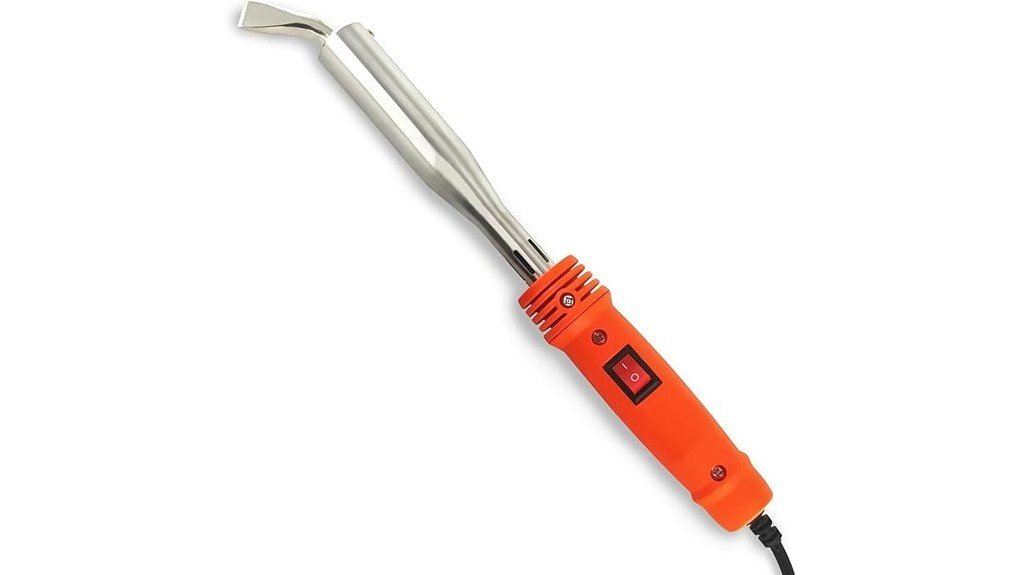
The LEPEVNEY 300W Electric Soldering Iron is a corded soldering tool designed for high-heat work. It uses a 110V USA 2-pin plug and a 300W power rating, which puts it above many small electronics-only pencil irons.
The listing describes a stainless-steel body that resists rusting and oxidation caused by heat. That matters because soldering irons face repeated heating and cooling cycles, especially during repair work or long workshop sessions.
This is a simple plug-in soldering iron, not a full digital soldering station. You should consider it when you need strong heat for larger joints, but you may want a temperature-controlled station if you mainly work on tiny circuit boards or sensitive components.
Before You Buy: A 300W soldering iron can be too powerful for delicate PCB work, small pads, thin wires, or heat-sensitive parts. Confirm your voltage, workspace, solder type, and project size before you choose this over a lower-wattage or temperature-controlled tool.
Who Should Buy It?
Best For
- DIY users who need stronger heat than a small hobby iron can provide.
- Workshop users soldering larger joints, thicker wire, or heat-hungry metal parts.
- Jewelry, craft, and repair users who want a simple corded tool without a control station.
Skip If
- You mainly repair delicate circuit boards, phones, or very small electronics.
- You need digital temperature control, sleep mode, or preset heat settings.
- You want a cordless soldering iron for field work or travel repairs.
Key Features of the 300W Electric Soldering Iron
High 300W Power Output
The main reason to consider this LEPEVNEY model is its 300W power rating. That extra power helps the tip recover heat faster when it touches larger metal surfaces, thicker wires, or joints that pull heat away quickly.
This makes the tool better suited to heavier soldering than a small low-wattage iron. It also means you need more care around small components, because too much heat can damage parts, lift pads, or melt nearby plastic.
Stainless-Steel Construction
The listing highlights stainless-steel construction for resistance to rust and heat-related oxidation. For a soldering iron, this is useful because the tool body is exposed to heat, flux residue, and workshop moisture over time.
Stainless steel does not remove the need for care, but it gives the tool a more durable base than a very basic plastic-heavy design. You should still keep the iron dry, clean residue after use, and store it away from damp work areas.
Simple Corded 110V Setup
The product uses a 110V corded electric design with a USA 2-pin plug. That makes setup simple for compatible outlets, since you do not need batteries, fuel, or charging time before use.
The tradeoff is portability. You need a safe outlet, a stable workbench, and enough cord reach to work without pulling the iron or stand across the table.
Steel Bracket and Heat Dissipation
The original article notes a steel bracket and heat dissipation holes. These details matter because a high-power iron needs a safe resting position between joints and enough airflow to help reduce heat buildup.
Always place the iron in a stable stand when you are not actively soldering. Do not lay a hot 300W iron directly on the bench, near cords, or close to plastic parts.
Performance and Efficiency
The LEPEVNEY 300W Electric Soldering Iron is built around quick heat and strong output, not fine electronic temperature management. For larger solder joints, that can make the work feel faster because the iron spends less time struggling to transfer heat.
For small electronics, the same strength can become a drawback. If your project involves narrow PCB traces, tiny pads, surface-mount parts, or plastic housings, use a lighter touch and consider a lower-wattage iron or a temperature-controlled station instead.
| Performance Factor | What It Means for You |
|---|---|
| 300W output | Better for larger joints and thicker material than small hobby irons. |
| Quick heating | Reduces wait time once the iron is ready for soldering. |
| Stainless-steel body | Helps resist rust and heat-related oxidation with basic care. |
| No verified digital control | Less precise than a soldering station for delicate components. |
Design and Build Quality
The soldering iron uses a pencil-style shape, which keeps the tool familiar for users who already know basic soldering technique. The article-supported ergonomic design helps reduce hand strain during longer sessions, but the real comfort depends on your grip, work angle, and bench setup.
The stainless-steel construction is the strongest verified build detail. It gives the iron better resistance to rust and oxidation than bare low-grade metal, especially when the tool is exposed to repeated heat cycles.
The listed length options of 26 cm and 30 cm suggest a longer tool than many compact electronics irons. That can help keep your hand farther from the hot working area, but it may feel less nimble for very tight electronics repairs.
Compatibility and Safety
This soldering iron is listed for 110V use with a USA 2-pin plug. Before you buy, confirm that your outlet, extension cord, and workspace match the tool’s power needs. Do not use it with an incompatible voltage source.
Because this is a high-power soldering iron, basic safety matters. Work in a ventilated area, keep flammable materials away from the hot tip, wear eye protection when needed, and keep the iron in its stand when you pause.
For solder choice, both lead-based and lead-free solder can be used for different projects, but each behaves differently. Lead-free solder often needs higher heat, while lead-based solder melts at a lower temperature but requires careful handling and cleanup. Always follow the solder manufacturer’s safety instructions.
How It Performs in Real Use
For Larger Wire and Workshop Repairs
The 300W output makes the most sense when your project pulls heat away from the joint quickly. Thicker wire, larger terminals, and heavier repair parts can benefit from the stronger heat reserve.
For Electronics Repair
The product can handle electronics repair, but you should be selective. It is better for larger through-hole joints, connectors, and general wiring than for tiny surface-mount components or sensitive circuit-board pads.
For Jewelry and Craft Work
The quick heating and high output can help with craft and jewelry tasks that need a stronger iron. You should test on scrap material first, since different metals, fluxes, and solder types respond differently to heat.
For Long Work Sessions
The ergonomic shape and lightweight description help with longer use, but heat management matters more during extended sessions. Give the iron safe rest periods, keep the tip clean, and avoid leaving it powered when you are not working.
How to Use It Correctly
Start with a stable, heat-safe work area. Place the stand where the cord will not tug on the iron, then keep solder, flux, cleaning tools, and parts within easy reach.
Let the iron heat fully before touching the joint. Touch the heated tip to the work surface, feed solder into the joint rather than directly onto the tip, and remove heat as soon as the solder flows cleanly.
Clean the tip often with a damp sponge or brass tip cleaner, then apply a small amount of solder to the tip before storage. This simple habit helps protect the tip from oxidation and improves heat transfer during the next use.
Pro Tip: Match the iron to the job size. Use this 300W iron for larger joints and thicker material, but switch to a temperature-controlled precision iron for small PCB pads, micro connectors, or heat-sensitive parts.
Common Mistakes to Avoid
- Using too much heat on small parts: A 300W iron can damage delicate components when you hold it on the joint too long.
- Skipping tip cleaning: Oxidation reduces heat transfer and makes solder flow poorly.
- Using the wrong solder for the project: Match solder type and flux to the material you are joining.
- Resting the hot iron on the bench: Always use a stable stand or bracket to reduce burn and fire risk.
- Ignoring voltage compatibility: Confirm the 110V requirement before use, especially outside standard compatible regions.
Pros and Cons
Pros
- 300W output gives stronger heat for larger joints and thicker wire.
- Stainless-steel construction helps resist rust and heat-related oxidation.
- 110V USA 2-pin plug keeps setup simple for compatible outlets.
- Quick-heating design reduces waiting time before soldering.
- Useful for DIY repair, workshop soldering, jewelry work, and craft projects.
Cons
- May be too powerful for delicate PCB work and small surface-mount parts.
- No verified digital temperature control or preset heat settings.
- Corded design limits use away from a compatible power outlet.
Is It Worth the Price?
The LEPEVNEY 300W Electric Soldering Iron is worth considering if you need a high-power corded iron for larger soldering tasks and do not need a full station. Its value comes from the 300W output, stainless-steel construction, and simple 110V plug-in design.
It is a stronger fit for workshop repair than ultra-fine electronics work. If you need temperature readouts, preset controls, auto sleep, or a small precision tip system, a digital soldering station may be the smarter buy.
For buyers who already know how to manage heat and clean a soldering tip, this can be a practical tool. For beginners, it may require more care and practice than a lower-wattage starter kit.
How It Compares to Alternatives
Compared with smaller 60W to 100W pencil irons, the LEPEVNEY 300W model offers more heat for larger joints but less forgiveness on delicate work. A lower-wattage iron is often easier for basic electronics kits and small wires.
Compared with digital soldering stations such as the FNIRSI DWS-200 or Weld Lux 939D+, this LEPEVNEY iron keeps the setup simpler but gives up display-based temperature control and station-style features. A cordless butane kit such as the LEXIVON LX-770 may suit field use better, while this iron makes more sense for bench work near a 110V outlet.
Frequently Asked Questions
Is the LEPEVNEY 300W Electric Soldering Iron good for beginners?
It can work for beginners who understand basic soldering safety, but the 300W output is not the most forgiving starting point. A lower-wattage or temperature-controlled iron may be easier for small electronics practice.
Can you use it for electronics repair?
Yes, but it is better for larger electronics joints, connectors, and wiring than tiny surface-mount parts. For delicate circuit boards, use short contact time and consider a precision soldering station.
What voltage does this soldering iron use?
The product is listed for 110V use with a USA 2-pin plug. Confirm your local outlet compatibility before using it, especially if you are outside a 110V region.
What type of solder works best with this iron?
The right solder depends on your project material and safety needs. Lead-based solder melts at a lower temperature, while lead-free solder usually needs more heat and careful technique.
Does it have adjustable temperature control?
No verified digital temperature-control feature was added to this review. If temperature control is important to you, compare this tool with a soldering station before buying.
How should you maintain the soldering tip?
Clean the hot tip regularly with a damp sponge or brass cleaner, then keep a thin coat of solder on the tip before storage. This helps reduce oxidation and keeps heat transfer more consistent.
Is it good for jewelry making?
It can be useful for some jewelry and craft work that needs stronger heat. Test on scrap material first, since different metals, solder types, and fluxes can react differently.
Who should skip this soldering iron?
Skip it if you mostly work on delicate boards, phone repairs, or tiny surface-mount components. A lower-wattage precision iron or digital station will usually give you better control for those jobs.
The Bottom Line
The LEPEVNEY 300W Electric Soldering Iron is a solid choice if you need a powerful corded iron for larger joints, workshop repairs, crafts, or thicker wire. Its main strengths are the 300W output, stainless-steel construction, and simple 110V setup, while its main limitation is the lack of verified digital temperature control for delicate precision work.
Buy it if you need heat strength more than fine control. Skip it if your main work involves small circuit boards, sensitive components, or field repairs away from an outlet.