Disclosure: As an Amazon Associate, we earn from qualifying purchases. If you click a link on this page and make a purchase, we may receive a small commission at no extra cost to you.
A scratched or heat-marked welding helmet lens can make clean welds harder than they need to be. The ESAB Sentinel A50 Lens is a replacement lens made for welders who want clearer visibility and continued protection in an ESAB Sentinel A50 welding helmet. It uses optical-grade polycarbonate, according to the source article, and is designed to help shield your view from sparks, spatter, and harsh welding conditions. This review helps you decide whether it is the right replacement part for your helmet, or whether you should skip it because of compatibility limits.
Quick Verdict
Rating: Recommended with caveats
Best For: Welders replacing a worn, scratched, or damaged lens on an ESAB Sentinel A50 helmet.
Bottom Line: The ESAB Sentinel A50 Lens is a practical replacement part if you need better clarity from your existing A50 helmet setup. Its biggest strength is the article-supported polycarbonate build, but its main limitation is narrow helmet compatibility.
Key Takeaways
- The ESAB Sentinel A50 Lens is designed as a replacement lens for the ESAB Sentinel A50 welding helmet.
- The article lists optical-grade polycarbonate as the lens material, which supports impact resistance and clear visibility.
- The listed size is approximately 3.93 x 2.47 x 0.05 inches, so fit matters before you buy.
- It is best used as part of the complete welding helmet system, not as a standalone eye-protection product.
- Regular cleaning with a soft, non-abrasive cloth can help preserve clarity and reduce scratch risk.
| Specification | Detail |
|---|---|
| Brand | ESAB |
| Model | Sentinel A50 Lens |
| Product type | Replacement welding helmet lens |
| Compatibility | Designed for the ESAB Sentinel A50 welding helmet |
| Listed dimensions | Approximately 3.93 x 2.47 x 0.05 inches |
| Material | Optical-grade polycarbonate, according to the source article |
| Best use | Replacing a scratched, worn, or heat-marked A50 helmet lens |
| Care note | Clean with a soft, non-abrasive cloth and suitable lens-safe cleaning solution |
| Safety note | Use only as part of the proper helmet setup and follow the helmet manufacturer’s instructions. |
What Is the ESAB Sentinel A50 Lens?
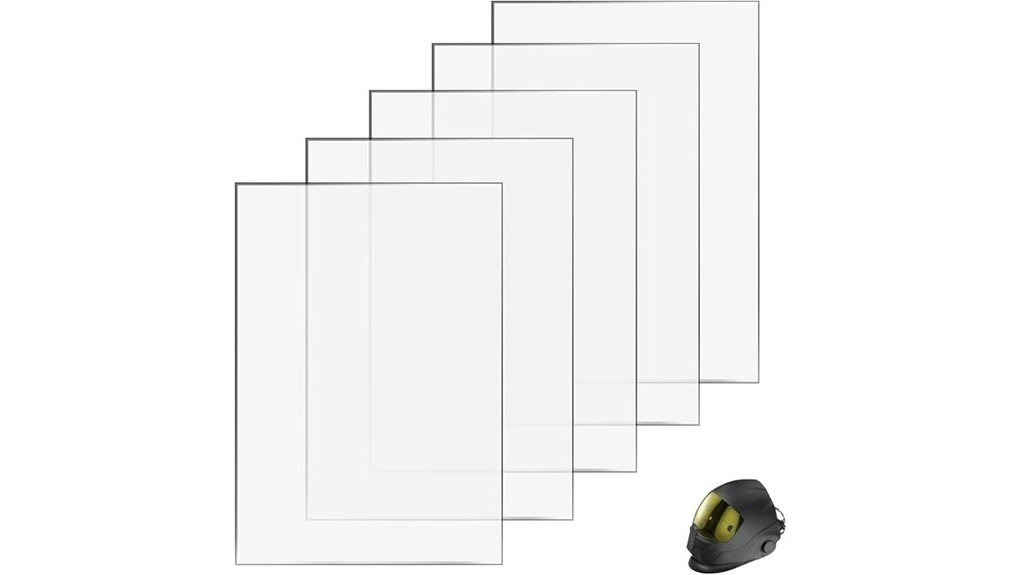
The ESAB Sentinel A50 Lens is a replacement component for the ESAB Sentinel A50 welding helmet. It is meant to restore a clearer viewing surface when your existing lens becomes scratched, cloudy, burned, or difficult to clean.
The article lists the lens as optical-grade polycarbonate with impact and abrasion resistance. For you, that matters because welding work can expose the front viewing area to sparks, dust, spatter, and frequent handling.
This lens makes the most sense if you already use the ESAB Sentinel A50 helmet and want a direct replacement part. It is not a universal lens for every helmet, and it should not be treated as a substitute for a complete, properly rated welding helmet system.
Before You Buy: Confirm that your helmet is the ESAB Sentinel A50 before ordering. A replacement lens that is close in size may still fit poorly, shift during use, or leave gaps if it is not made for your helmet model.
Who Should Buy It?
Best For
- Welders who already own an ESAB Sentinel A50 helmet.
- DIY and shop users dealing with scratched, cloudy, or worn lens surfaces.
- Anyone who wants better visibility without replacing the entire helmet.
Skip If
- You use a different welding helmet model and cannot confirm fit.
- You need a full auto-darkening filter or complete helmet replacement.
- Your helmet shell, headgear, or filter system is already damaged.
Benefits of Using the Replacement Lens
A clean replacement lens helps you see the workpiece, puddle, edges, and joint line more clearly. That can make a real difference when you are trying to keep a steady bead or check small details before striking an arc.
The source article highlights three main benefits: protection, clarity, and material quality. The lens helps shield the viewing area from sparks and harsh shop debris, while the optical-grade polycarbonate build supports better durability than a weak or heavily worn lens surface.
| Feature | Buyer Benefit |
|---|---|
| Polycarbonate material | Helps resist impact and everyday shop wear. |
| Clear viewing surface | Supports better visibility for setup, tack welds, and detail work. |
| A50-specific fit | Works best when installed in the intended ESAB Sentinel A50 helmet. |
| Simple replacement process | Lets you refresh the lens surface without replacing the full helmet. |
Feature-by-Feature Review
Visibility and Clarity
The main reason to replace a welding helmet lens is visibility. A scratched or stained lens can make your view look hazy, especially when you work under shop lights or near bright reflections.
The ESAB Sentinel A50 Lens is described as offering strong clarity and brightness. That can help you line up parts, inspect joint fit-up, and see smaller details before and after welding.
Materials and Build Quality
The article lists optical-grade polycarbonate as the lens material. Polycarbonate is useful in welding environments because it can handle everyday impacts better than fragile plastic surfaces.
This does not mean the lens is impossible to scratch. It still needs careful cleaning and storage, especially if you work around grinding dust, metal chips, and dirty gloves.
Fit and Compatibility
Compatibility is the biggest buying factor here. The lens is specifically described for the ESAB Sentinel A50 welding helmet, so you should not assume it will fit other ESAB helmets or helmets from other brands.
The listed dimensions are approximately 3.93 x 2.47 x 0.05 inches. Use those measurements as a fit checkpoint, but give the helmet model priority because shape, tabs, and retention points can matter as much as size.
Installation and Maintenance Tips
Installing the replacement lens is described as a straightforward process. Start by removing the plastic caps from both sides of the lens, then insert the new lens into the helmet and make sure it sits snugly.
After installation, check that the lens does not shift when you move the helmet. A loose lens can distract you during work and may allow debris to reach areas that should stay protected.
Pro Tip: Keep one clean microfiber cloth near your welding area and one spare cloth away from grinding dust. A dirty cloth can scratch the lens faster than normal welding use.
How It Performs in Real Use
For Daily Shop Use
For regular welding tasks, the lens gives you a fresh viewing surface when your old one becomes hard to clean. This is helpful if you frequently switch between welding, fitting, and inspecting your work.
For Detail Work
When you need to see joint edges, tack placement, or small gaps, clarity matters. A cleaner lens can reduce visual strain and make it easier to check your setup before you begin welding.
For Dusty or Spark-Heavy Work
In busy shop conditions, lenses can pick up dust, spatter marks, and surface scratches. The ESAB Sentinel A50 Lens is useful as a replacement part when cleaning no longer restores your old lens.
For Long-Term Helmet Care
Replacing the lens as needed can extend the useful life of your helmet setup. It is a smaller maintenance step than buying a new helmet, as long as the rest of your helmet remains in safe working condition.
How to Use It Correctly
Before installing the lens, inspect your helmet and remove loose debris from the lens area. Do not force the lens into place, and do not trim or modify it to fit a different helmet.
After installation, look for gaps, movement, or uneven seating. If the lens does not sit securely, stop and check the helmet manual or product instructions before using the helmet for welding.
Clean the lens with a soft, non-abrasive cloth and a suitable cleaning solution. Avoid wiping it with dirty gloves, paper towels with grit, or shop rags that may contain metal dust.
Compatibility and Safety
This replacement lens should be used only as part of the correct welding helmet system. It is not a standalone safety product, and it does not replace the need for a proper welding helmet, filter, gloves, clothing, and other protective equipment.
The original article mentions protection from sparks and harmful rays. For safe use, you should still rely on the complete ESAB Sentinel A50 helmet system and follow the manufacturer’s instructions for lens placement, filter use, and replacement intervals.
Replace the lens when scratches, burns, clouding, or surface damage begin to interfere with visibility. Poor visibility can lead to mistakes, eye strain, and less control over your weld.
Pros and Cons
Pros
- Designed for the ESAB Sentinel A50 helmet.
- Article-supported optical-grade polycarbonate construction.
- Helps restore visibility when the old lens becomes scratched or cloudy.
- Simple installation process with plastic caps removed from both sides.
- Useful maintenance part for welders who want to keep their helmet working well.
Cons
- Limited compatibility if you do not own an ESAB Sentinel A50 helmet.
- Not a replacement for a full helmet or auto-darkening filter system.
- Still needs careful cleaning to prevent scratches and haze.
Is It Worth the Price?
The ESAB Sentinel A50 Lens is worth considering if your current lens makes your helmet harder to use. A clear replacement lens can be a smart buy for everyday use because it targets a common problem without forcing you to replace the entire helmet.
It offers the most value to welders who already like the fit and feel of the Sentinel A50 helmet. If the helmet itself is still in good condition, replacing the lens can help restore visibility at a lower commitment than buying a new welding helmet.
The main limitation is compatibility. If you are not sure your helmet is the A50 model, check the helmet label, manual, or seller details before buying.
How It Compares to Alternatives
Compared with generic welding helmet cover lenses, the ESAB Sentinel A50 Lens makes more sense when you want a part intended for the Sentinel A50 helmet. Generic lenses may be cheaper, but they can create fit issues if the dimensions, tabs, or retention points do not match.
If your auto-darkening filter, shell, or headgear is damaged, a replacement lens alone will not solve the problem. In that case, compare the cost of the lens with the cost of repairing or replacing the full helmet setup.
Frequently Asked Questions
How often should you replace the ESAB Sentinel A50 Lens?
Replace it when scratches, burns, clouding, or cleaning marks reduce your view. Heavy shop use may require more frequent replacement than occasional DIY welding.
Can you use this lens with other welding helmets?
This lens is described for the ESAB Sentinel A50 helmet. It may not fit other helmets correctly, even if the measurements seem close.
Is the lens scratch-resistant?
The article describes the lens as impact and abrasion resistant. That does not make it scratch-proof, so clean it with a soft cloth and keep it away from grit and metal dust.
Does this lens replace the auto-darkening filter?
No. Treat it as a replacement lens component for the helmet, not as a full filter or complete eye-protection system. Always use the complete helmet according to the manufacturer’s instructions.
What size is the ESAB Sentinel A50 Lens?
The article lists the dimensions as approximately 3.93 x 2.47 x 0.05 inches. Confirm your helmet model before ordering because size alone does not guarantee a secure fit.
How should you clean the lens?
Use a soft, non-abrasive cloth and a lens-safe cleaning solution. Do not wipe the lens with a dirty shop rag, dusty glove, or abrasive cleaner.
Who should skip this replacement lens?
Skip it if you do not own an ESAB Sentinel A50 helmet or cannot confirm compatibility. You should also skip it if your helmet needs a new shell, headgear, or auto-darkening filter instead of just a lens.
The Bottom Line
The ESAB Sentinel A50 Lens is a useful replacement part for welders who want to restore clearer visibility in an ESAB Sentinel A50 helmet. Buy it if your current lens is scratched, cloudy, or worn, but skip it if you need a universal lens or a full helmet repair.
Its biggest strength is the article-supported optical-grade polycarbonate build. Its biggest limitation is that it only makes sense when the fit matches your helmet.