Disclosure: As an Amazon Associate, we earn from qualifying purchases. If you click a link on this page and make a purchase, we may receive a small commission at no extra cost to you.
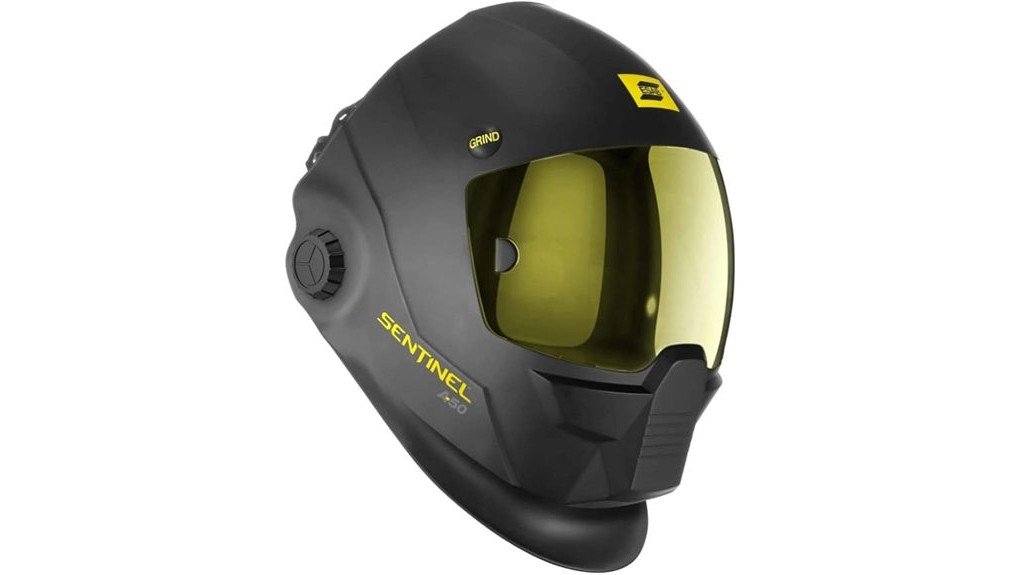
Clear visibility and a steady fit matter when you spend long hours under a welding hood. The ESAB Sentinel A50 Welding Helmet is built for welders who want a larger viewing area, auto-darkening protection, and more control than a basic helmet offers. This review helps you decide whether its touchscreen interface, 5-point headgear, and premium design fit your work style. It is strongest for serious shop use, but casual welders may find the controls more advanced than they need.
Quick Verdict
Rating: 8.5/10, Recommended with caveats
Best For: Professional welders, fabrication shops, and serious hobbyists who want a wide lens and adjustable comfort fit
Bottom Line: The Sentinel A50 gives you strong visibility, stable headgear, and useful memory controls for repeated welding tasks. Its main tradeoff is complexity, especially if you prefer simple knob controls or only weld occasionally.
| Specification | Detail |
|---|---|
| Brand | ESAB |
| Model | Sentinel A50 |
| Product Type | Auto-darkening welding helmet |
| Design | Low-profile helmet shell for tighter work positions |
| Shell Material | High-impact resistant nylon shell |
| Viewing Area | 3.93" x 2.36" lens |
| ADF Rating | 1/1/1/2 optical rating |
| Headgear | 5-point adjustable ergonomic system |
| Controls | Color touchscreen interface with memory settings |
| Memory Settings | Eight memory slots for repeated welding setups |
| Grind Mode | External grind mode button |
| Best Use | MIG, TIG, fabrication, grinding, and general welding tasks |
| Safety Note | Inspect the lens, shell, and sensors before use and follow the helmet manual |
| Care Note | Store dry and shaded, and clean lens surfaces with non-abrasive materials |
What Is the ESAB Sentinel A50 Welding Helmet?
The ESAB Sentinel A50 is an auto-darkening welding helmet made for welders who need clear arc visibility and consistent eye protection. It uses a 3.93" x 2.36" viewing lens and an ADF system rated 1/1/1/2, which helps you see the weld area with less visual distortion than many basic hoods.
The helmet targets professional shop use and serious hobby welding. Its low-profile shell, high-impact resistant nylon body, and 5-point headgear are designed to keep the helmet stable while you move between joint positions.
The main selling point is control. The color touchscreen and eight memory slots help you save repeated settings, which can reduce setup time when you switch between MIG, TIG, grinding, and other shop tasks.
Design and Build Quality
The high-impact resistant nylon shell is designed for welding environments where sparks, heat exposure, and daily handling can wear down weaker helmets. The low-profile shape also helps when you work near fixtures, frames, or tight corners.
The shell design matters because a bulky hood can hit your shoulder, chest, or workpiece during angled welding. The Sentinel A50 gives you a more compact feel while still offering a wide lens area for joint tracking.
This is still a premium-style helmet, not a simple disposable hood. You should treat the lens covers, sensors, and shell as working safety parts and inspect them before each session.
Viewing Clarity and Lens Performance
The 3.93" x 2.36" viewing area gives you more room to track the weld pool, joint edges, and nearby work surface. That wider view can reduce the need to lift and reposition your head between passes.
The ADF 1/1/1/2 rating supports clear, stable arc viewing. In real use, that helps you follow the puddle during MIG and TIG work, especially when you need consistent bead placement.
The wider lens also helps during fit-up and tack welding. You can keep better awareness of clamps, edges, and surrounding material before you strike an arc.
Controls and Ease of Use
The color touchscreen lets you adjust shade settings and save presets through the helmet interface. The eight memory slots are useful when you repeat the same welding processes and do not want to reset the helmet from scratch each time.
The external grind mode button is one of the most practical workflow features. You can switch between welding and surface prep without removing the helmet or stopping to open internal controls.
The tradeoff is learning time. If you are used to a basic helmet with a few knobs, the touchscreen may feel slower until you learn the menu layout and save your preferred settings.
Before You Buy: The Sentinel A50 makes the most sense if you will use its touchscreen, memory settings, and grind mode often. If you only need a simple helmet for occasional repairs, a basic auto-darkening model may be easier and more cost-effective.
Fit, Comfort, and Headgear
The 5-point adjustable headgear gives you more ways to balance the helmet across your head. That helps reduce forehead pressure and neck strain during long welding sessions.
A stable fit is especially useful during overhead welding or angled work. When the helmet stays in place, you can focus on torch angle, travel speed, and the weld joint instead of fighting slipping headgear.
The best fit will still depend on your head shape, cap, glasses, and preferred tension. Expect to spend a few minutes adjusting the rear band, top strap, and pivot points before your first full session.
Compatibility and Safety Notes
The article-supported use cases include MIG, TIG, grinding, fabrication, and general welding tasks. For any welding process, you should confirm the settings in the product manual and match the shade level to your actual work.
Do not use the helmet if the viewing lens, protective cover, shell, or auto-darkening sensors appear cracked, blocked, or damaged. Welding eye protection depends on clean sensors and a working lens system.
You should also keep using the rest of your welding PPE. A helmet protects your face and eyes, but it does not replace gloves, sleeves, ventilation, hearing protection, or process-specific safety practices.
Setup Tips Before First Use
Start by adjusting the headgear before you begin welding. The helmet should sit securely without needing excessive rear-band tension, because overtightening can cause pressure during long sessions.
Next, save your common settings into the memory slots once you find a setup that works for your usual welding process. This makes the touchscreen more useful and reduces repeated menu changes later.
Finally, test the grind mode button before you start a mixed welding and grinding job. Fast switching is helpful, but only when you know the helmet is in the correct mode for the task in front of you.
Pro Tip: Adjust the rear headband slightly looser than you think you need, then use the top strap and pivot points to balance the helmet. This can reduce forehead pressure during longer welding shifts.
How It Performs in Real Use
For Daily Workshop Welding
The Sentinel A50 works well for repeated MIG or TIG sessions because the headgear stays stable and the larger lens keeps the joint easier to follow. The memory slots are useful when you repeat similar shop jobs throughout the week.
For Overhead and Angled Work
The balanced headgear helps when you weld above shoulder level or work from a crouched position. A stable helmet reduces the need for mid-weld adjustments, which helps you keep your hands steady.
For Grinding and Surface Prep
The external grind mode button helps when you move between welding and cleanup. This is useful for fabrication tasks where you tack, grind, check fit, and weld again in the same work area.
For Long Fabrication Sessions
The 5-point headgear and low-profile shell help reduce fatigue during full-day shop work. The main thing to watch is setup time, because the advanced controls are most helpful after you save the settings you use most.
Who Should Buy It?
Best For
- Professional welders who need long-session comfort and a stable hood
- Fabrication shops that switch between welding and grinding tasks often
- Serious hobbyists who want a wide lens, memory settings, and more control
Skip If
- You want the simplest possible auto-darkening helmet
- You prefer knob-based controls instead of a touchscreen interface
- You only weld occasionally and will not use the saved memory settings
Pros and Cons
Pros
- 3.93" x 2.36" viewing area improves joint visibility and workspace awareness
- 1/1/1/2 ADF rating supports clearer and more stable arc viewing
- 5-point adjustable headgear helps reduce pressure during long sessions
- Touchscreen controls and eight memory slots support repeatable setups
- External grind mode button helps with mixed welding and finishing work
Cons
- Touchscreen controls may take time to learn if you are used to basic helmets
- Premium design may be more than occasional repair work requires
- Fit may require trial and error with glasses, caps, or different head shapes
Care and Storage Tips
Keep the helmet dry, shaded, and away from direct sunlight when you store it. This helps protect the shell, lens surfaces, and auto-darkening sensors from avoidable wear.
Clean the viewing lens with a soft microfiber cloth and mild cleaner. Avoid abrasive pads or harsh scrubbing, because scratches can reduce visibility and make arc tracking harder.
Replace damaged protective covers or worn parts according to the product instructions. A clear lens surface matters for both comfort and accuracy.
Is It Worth the Price?
The ESAB Sentinel A50 sits in the premium category because it offers a larger lens, touchscreen controls, memory settings, and a highly adjustable headgear system. Those features give the most value to welders who use a helmet often.
It is worth considering if you care about comfort, visibility, and faster switching between repeated setups. The value is weaker if you only need a basic helmet for short, occasional repair jobs.
For shop use, the strongest argument is reduced friction during long sessions. For casual use, the main limitation is that you may pay for controls you rarely use.
How It Compares to Alternatives
Compared with entry-level auto-darkening helmets, the Sentinel A50 gives you a wider viewing area, more adjustment, and more advanced controls. Basic helmets may still be better if you want simple operation and lower upfront cost.
Against premium alternatives such as the Miller Digital Elite or Lincoln Viking series, the Sentinel A50 stands out most for its touchscreen interface and saved memory settings. If you prefer traditional controls, those alternatives may feel more familiar.
Frequently Asked Questions
Is the ESAB Sentinel A50 good for beginners?
Yes, beginners can use it, but it is better for users willing to learn the touchscreen controls. A simpler knob-based helmet may feel easier for your first few welding projects.
What welding processes is it best for?
The article-supported use cases include MIG, TIG, fabrication, grinding, and general welding tasks. Always match the helmet settings to your welding process and follow the product manual.
Can I wear prescription glasses under this helmet?
Most users should be able to wear prescription glasses because the helmet has adjustable headgear and internal room. Fit can still vary with large frames, caps, or your preferred helmet angle.
How useful are the memory settings?
The eight memory slots are helpful if you repeat the same welding processes or switch between tasks often. If you only use one basic setup, you may not benefit from this feature as much.
Does the external grind mode matter?
Yes, it can save time when you alternate between welding and surface prep. Just confirm the helmet is back in the correct welding mode before striking an arc again.
How should I clean and store the lens?
Use a soft microfiber cloth and mild cleaner on lens surfaces. Store the helmet in a dry, shaded place and avoid abrasive cleaning tools that can scratch the viewing area.
Who should skip the Sentinel A50?
Skip it if you want the lowest-cost helmet or dislike touchscreen controls. It is also not the best match if you weld rarely and will not use the saved presets or advanced adjustments.
The Bottom Line
The ESAB Sentinel A50 is a strong choice if you want wide viewing, stable headgear, and advanced controls for frequent welding. You should skip it if you need a simple budget helmet or prefer knob-based adjustments. Its best strength is visibility and comfort, while its main limitation is the learning curve that comes with the touchscreen interface.