

Flux core aluminum welding rods are one of those things that had me scratching my head the first time I came across them. Most of us learn early on that aluminum is best handled with TIG for precision or MIG with a spool gun and proper shielding gas — so the idea of running aluminum with a flux core rod feels almost too good to be true.
The challenge is that aluminum behaves very differently than steel: it’s softer, conducts heat faster, and demands careful joint prep and arc control to avoid burn-through, weak fusion, or messy welds. That’s why a lot of welders, especially DIY enthusiasts and trainees, get frustrated when they try flux core aluminum rods and don’t get the results they expect.
But understanding when and how to use them can actually save time, reduce setup costs, and make small repair jobs more practical without dragging out a full TIG setup. In this guide, I’ll break down the real pros, cons, and shop-tested tips for using flux core aluminum welding rods the right way.
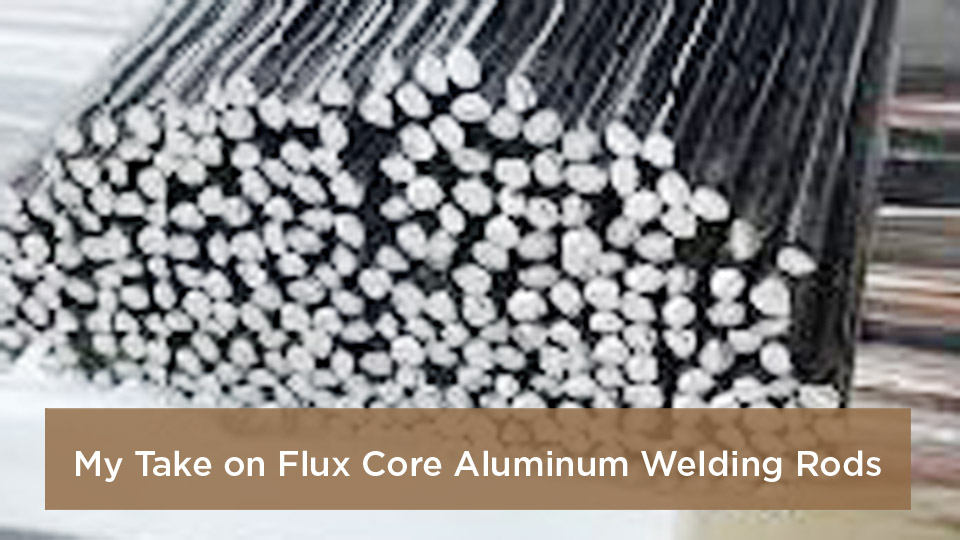
Image by atelier-tel
What Are Flux Core Aluminum Welding Rods?
You’re holding a slim rod that’s got a core packed with flux, designed to melt at a lower temp than straight aluminum filler. Flux core aluminum welding rods aren’t your standard MIG wire—they’re often flux-cored brazing rods meant for torch work, where the flux inside cleans the metal as it heats up, breaking through that pesky oxide skin that aluminum loves to form. The flux does double duty: it shields the molten puddle from air contamination and helps the filler flow into the joint for a smooth fill.
In my early days as a fab shop apprentice, I grabbed a pack thinking they’d let me arc weld like steel, but nope—these are mostly for oxy-fuel or propane torches. The rod melts around 700-800°F, way below aluminum’s 1,200°F melt point, so you’re brazing more than welding.
That means you’re not fusing the base metals; you’re creating a strong alloy bond that’s corrosion-resistant and flexible enough for vibration-heavy jobs like ATV frames.
Why bother with them? Material compatibility is key—aluminum hates mixing with steel fillers, leading to brittle joints. These rods match aluminum’s expansion rate, reducing cracks from thermal shock.
And cost-wise? A pack of 10 runs under $20 at the local supply house, versus $50+ for TIG rods. For hobbyists or students on a budget, it’s a no-brainer entry point.
Can You Weld Aluminum with Flux Core?
True fusion welding aluminum with standard flux core MIG wire? It’s tough and not ideal for most setups. Flux core shines on steel because the gasless shield works great outdoors, but aluminum’s high conductivity and oxide issues demand argon gas and a spool gun to push the soft wire without bird-nesting. I’ve tried it on a windy site with my old Hobart—ended up with porous beads and wasted spools.
That said, “flux core aluminum welding rods” usually points to those torch-friendly brazing sticks. Yes, you can “weld” in the loose sense—join aluminum effectively—using them. They’re flux-cored to self-clean, so no separate flux brush needed. In practice, for thicknesses over 1/8-inch, they give 70-80% of TIG strength, plenty for repairs like radiator tanks or trailer hitches.
Just know the limits: for structural code work under AWS D1.2, you’d want certified TIG or MIG. But for shop fixes? They’re my go-to when time’s tight.
Flux Core Brazing Rods vs. True Aluminum Welding: Breaking It Down
Brazing with flux core rods isn’t the same as arc welding. Brazing heats the rod to melt into the joint without liquifying the base aluminum, creating a fillet that’s strong but not as deep-penetrating.
True welding, like TIG, melts everything for a homogeneous bond. I once brazed a customer’s aluminum toolbox lid; it held up for years under tool abuse, but if I’d welded, it’d be overkill and risk distortion.
Here’s a quick comparison to help you pick:
| Aspect | Flux Core Brazing Rods | True Aluminum Welding (TIG/MIG) |
|---|---|---|
| Heat Source | Torch (propane/MAPP gas) | Arc welder (AC/DC TIG or MIG) |
| Temp Range | 700-850°F | 1,100-1,400°F |
| Strength (Tensile) | 20,000-35,000 PSI | 40,000-50,000 PSI |
| Best For | Repairs, thin sheets, non-structural | Load-bearing frames, high-stress parts |
| Skill Level | Beginner-friendly | Intermediate to advanced |
| Cost per Joint | Low ($1-2 in rods) | Higher (gas, wire, setup) |
| Cleanup | Minimal slag, easy brush-off | Possible oxidation, grinding needed |
Semantically, folks search for “brazing vs welding aluminum” because they want durability without the hassle. Brazing wins on speed—10 minutes per joint versus 30 for setup on TIG. But if your project’s under vibration, like engine mounts, lean welding for integrity.
Best Flux Core Aluminum Rods for Your Setup
I’ve burned through dozens of brands, from cheap imports to shop staples. For DIY welders, the 1/8-inch Harris 438 or Bernzomatic AL3 flux-cored rods top my list—they flow like butter on clean metal, with a low melt point that forgives torch wobbles. Pros? Great corrosion resistance for marine work; I used them on a buddy’s jon boat repair, and it survived a season in saltwater.
For hobbyists tinkering with bike frames, grab the Forney 61504 pack—50 rods for under $15, easy-melt formula that bonds cast to wrought aluminum. Students in welding class? Lincoln Electric’s flux-cored sticks for their consistency; they match AWS specs for practice beads.
If you’re fabbing pros, Hobart’s 4043 flux variant handles dirty surfaces better, reducing prep time on rusty castings. Avoid no-name Amazon specials—they pit and crack under heat cycles. Pro tip: Always match rod diameter to joint thickness; 3/32 for under 1/16-inch sheets, 1/8 for beefier stuff.
In 2025, with supply chains steady, these hold steady as winners. Pair with a MAPP torch for faster heat-up than propane—cuts my repair time in half.
How to Use Flux Core Aluminum Welding Rods: A Hands-On Guide
I’ve guided more greenhorns through this than I care to admit, and the key is patience—aluminum sucks heat like a sponge, so build it slow. This is for torch brazing with flux core rods; if you’re MIG-curious, I’ll touch that later.
Prepping Your Aluminum Joint Like a Pro
First things first: clean or cry. That oxide layer? It’s like invisible rust—grinds off with 80-grit sandpaper or a stainless brush, then wipe with acetone. I skipped this once on a trailer fender; the joint popped on the first bump. For edges, bevel 45 degrees for better filler flow. Degrease with brake cleaner—cheap and effective. If it’s cast aluminum, hit it with a grinder to expose fresh metal.
Torch Setup and Brazing Technique
Grab a turbo tip on your propane torch or upgrade to MAPP for 3,700°F punch. Light up, adjust to a soft blue flame—too bushy, and you’ll overheat. Heat the joint evenly, not the rod; let the base hit 750°F till it sparkles. Dip the rod tip in—flux smokes, cleans, and flows. Use a push-pull motion, 1/4-inch per second, overlapping beads. I tell trainees: “Think painting a fence—steady, no rushing.”
For vertical joints, tack top and bottom first to hold alignment. Common fix: If it balls up instead of flowing, your metal’s not hot enough—circle the torch wider.
MIG Flux Core for Aluminum: When and How
Rare bird, but if you’ve got a spool gun and DCEN polarity machine (like my Lincoln Power MIG 210), load 4043 flux-core aluminum wire (.035 diameter). Set voltage 18-22V, wire speed 200-300 IPM, amps 120-180 for 1/8-inch plate. Clean as above, then weave the gun 15 degrees push angle.
First time I ran it, I dialed too hot—warped a panel flat. Start low, test on scrap. Needs argon shield too, despite the flux; pure flux core skips gas but skips quality on aluminum.
Post-braze, quench in water? Nah—air cool to avoid cracks. Grind smooth if needed, then hit with zinc chromate primer for longevity.
Pros and Cons of Flux Core Aluminum Rods in Action
Let’s weigh it out, shop-style. Pros: No gas cylinder to lug—perfect for field repairs, like that time I fixed a ranch gate 20 miles from nowhere. Flux self-shields, so windy days don’t ruin your bead. Cost-efficient for hobby batches; a $10 pack does a weekend project’s worth. And versatility—works on galvanized, copper-aluminum hybrids for electrical fixes.
Cons hit hard too. Lower strength means no-go for high-load beams; I’ve seen brazed joints shear under 5,000 PSI torque. Cleanup’s a flux residue mess if you don’t brush hot—leads to corrosion pits.
Heat control’s finicky; overdo it, and you get voids. For pros, it’s slower than MIG on production runs. But for 80% of shop tasks? The pros outweigh, especially if you’re mobile.
| Pros | Cons |
|---|---|
| Gasless, portable setup | Not fusion strength (brazing) |
| Low melt point, less distortion | Flux residue needs brushing |
| Affordable for DIY volumes | Tricky on thin (<1/16″) sheets |
| Good for dirty/outdoor work | Requires clean prep every time |
| Flexible bonds for vibration | Slower than arc for big jobs |
Common Mistakes with Flux Core Aluminum Rods and Quick Fixes
Oh man, the stories I could tell. Newbie mistake #1: Skipping the clean—results in a weak, gassy bond that fails fast. Fix: Dedicate a brush just for aluminum; cross-contam with steel grit kills it.
Overheating’s killer two: Torch too hot warps thin stock. I melted a customer’s AC condenser once—$200 lesson. Dial back flame, heat parent metal first, rod last.
Pushing too fast? Stringy beads with holes. Slow your roll—practice on angle iron till it’s muscle memory. And polarity flip on MIG? No penetration. Double-check DCEP for oxide busting.
Underrated fix: Test beads on identical scrap. Saved my bacon on a mismatched alloy job—turns out 6061 doesn’t play nice with 3003 rods without extra flux.
Safety First: Handling Flux Core and Aluminum Heat
Welding’s no joke—I’ve got the scars to prove it. With flux core rods, the biggie is fumes: Flux vaporizes nasty stuff like zinc chloride. Work ventilated, or hook up a shop fan; respirator if indoors. Gloves? Leather with long cuffs—aluminum spits like bacon grease.
Torch work means fire watch: Clear flammables 35 feet out, per OSHA. Eye pro mandatory—UV from the flame blinds quick. And post-weld, that hot metal? Let it cool; quenching shocks can crack it.
For MIG flux, spatter flies—leather jacket over cotton. Ground your machine solid to avoid shocks. In the field, I’ve seen arc flash from poor leads—inspect cables daily. Bottom line: Gear up like it’s your first strike; saves hospital trips.
Real-World Applications: From Garage Hacks to Fab Shop Wins
Flux core aluminum rods shine in everyday chaos. DIY? Patch that leaky camper shell—clean, braze, done in 30 minutes. Hobbyists love ’em for custom grills; I fabbed a smoker hood last summer, held up through 500°F cooks.
Students, practice joints mimic trailer hitches—build a mock frame to AWS D1.2 lite specs. Pros on job sites? Quick-fix radiators or HVAC ducts; saved a crew from downtime on a commercial retrofit. Even marine: Bond hull patches where TIG’s overkill.
Mid-winter, client’s snowplow blade cracked—aluminum edge on steel. Flux core bridged it perfect, no preheat needed in the cold. Cost? Under $5 in rods. That’s why it resonates—solves real pains without fancy tools.
When to Skip Flux Core: Smart Alternatives for Aluminum Joins
Not every job needs rods. For precision, TIG’s king—clean, strong beads on thin aero parts. I switch to it for bike frames; argon purity matters, but results justify the hassle.
MIG with spool gun? Faster for fab runs, but gas costs add up. Stick welding aluminum? Rare, but 4043 electrodes work in a pinch for dirty castings.
Non-weld options: Rivets for structural—drill and buck ’em like aircraft. Adhesives like JB Weld for low-stress. Or bolts with locknuts for vibration. Chose based on load: Under 1,000 PSI? Rods rule. Over? Go fusion.
Wrapping It Up: Pick Your Rods and Get Welding
There you have it—flux core aluminum welding rods demystified, from torch tricks to MIG tweaks. Key takeaways? They’re killer for quick, strong brazed joints on non-critical work, saving time and sanity if you clean right and heat smart.
You’re now geared to spot the right rod for your project, dodge those newbie pitfalls, and crank out bonds that last. Whether you’re a garage tinkerer or shop vet, confidence comes from practice—grab a pack, hit the scrap pile, and build something solid.
FAQs
Can I Use Flux Core MIG Wire Straight for Aluminum?
Not recommended without mods. Standard flux core’s for steel; aluminum needs a spool gun, argon mix, and special 4043 wire to handle softness and oxides. For true gasless, stick to torch brazing rods—they’re safer for beginners.
What’s the Easiest Torch for Flux Core Aluminum Rods?
A MAPP gas setup like the Bernzomatic TS8000—hits temp fast without lugging oxy tanks. Propane works for small jobs, but upgrade for thicker stock; aim for a swirl tip to spread heat evenly.
Do Flux Core Rods Work on Cast Aluminum?
Absolutely, but grind off the rough surface first—castings have impurities. I’ve fixed engine blocks with ’em; just use a slower heat ramp to avoid porosity. Strength hits 25,000 PSI easy.
How Do I Know If My Joint Is Strong Enough?
Test it: File or hammer the edge—if it doesn’t flake, it’s good. For critical stuff, do a bend test on scrap. Remember, these are 70% of TIG strength, so spec for your load.
Are There Flux Core Rods for Stainless to Aluminum Joins?
Tricky—most are aluminum-specific. For dissimilar, try nickel-based flux core like 55% nickel rods; they bridge expansion rates. Clean both sides religiously, or it’ll crack from thermal mismatch.


