Disclosure: As an Amazon Associate, we earn from qualifying purchases. If you click a link on this page and make a purchase, we may receive a small commission at no extra cost to you.
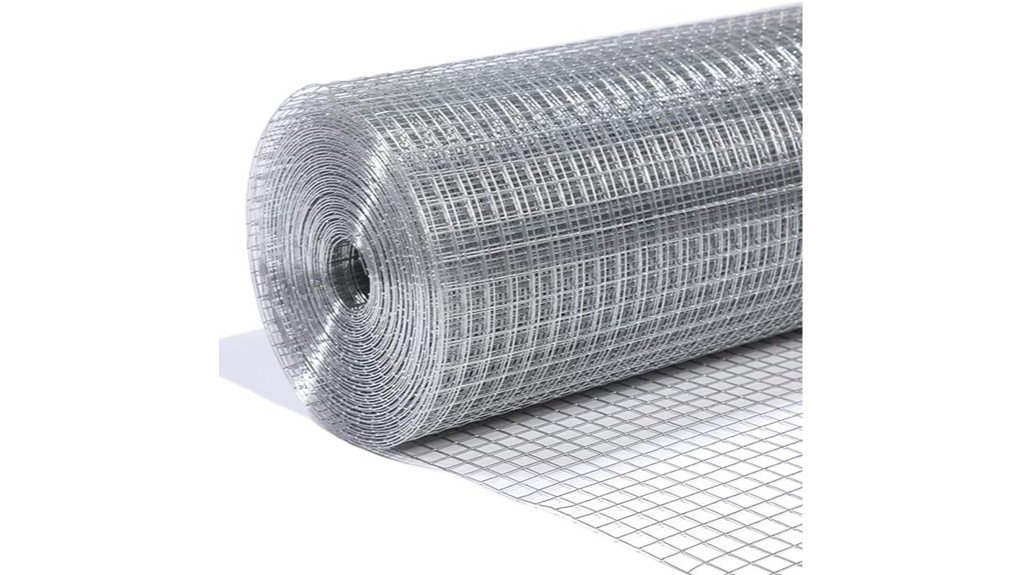
Protecting a garden, chicken coop, or shed from small animals takes more than thin plastic netting. You need mesh that holds its shape, resists chewing, and can handle outdoor exposure without failing quickly. This 1/2-inch galvanized hardware cloth uses 19-gauge steel wire with a hot-dip galvanized finish, giving you a stronger option for fencing, raised beds, and rodent barriers.
This review helps you decide if the 48-inch by 100-foot roll is the right size and strength for your project. It is a durable choice for long fence runs and enclosure work, but the stiff wire and sharp cut edges mean installation takes planning, gloves, and the right tools.
Quick Verdict
Rating: 8/10, Recommended with caveats
Best For: Garden fencing, chicken coops, raised beds, shed skirting, and rodent protection barriers
Bottom Line: The 19-gauge steel wire and hot-dip galvanized coating make this hardware cloth a strong pick for outdoor containment and protection. It is less convenient if you need soft, flexible mesh or a tool-free setup.
| Specification | Detail |
|---|---|
| Product Type | Hardware cloth / wire mesh |
| Wire Gauge | 19-gauge steel wire |
| Coating | Hot-dip galvanized finish |
| Opening Size | 1/2 inch mesh |
| Roll Size | 48 in x 100 ft |
| Primary Use | Fencing, garden protection, animal enclosures, and pest barriers |
| Best Installation Surface | Wood framing, metal posts, raised beds, coop frames, shed bases, and fence lines |
| Corrosion Resistance | High for outdoor use due to galvanization, with extra care needed at cut edges |
| Safety Note | Wear gloves and eye protection when cutting or tensioning the mesh |
What Is the 1/2-Inch Galvanized Hardware Cloth?
This hardware cloth is a steel wire mesh made for outdoor barrier and enclosure projects. The 1/2-inch openings let air and light pass through while helping block rabbits, squirrels, and many small rodents when the mesh is installed tightly.
The 48-inch height works well for garden fencing, coop walls, raised bed covers, and shed skirting. The 100-foot roll gives you enough material for a long fence line or several smaller protection projects.
The main strength is the combination of 19-gauge steel and a hot-dip galvanized coating. The steel wire adds structure, while the zinc coating helps slow rust when the mesh sits outside in rain, soil, and changing weather.
Who Should Buy It?
Best For
- Gardeners who need a stronger barrier around raised beds or vegetable rows
- Chicken keepers who want tougher coop mesh than basic chicken wire
- Homeowners sealing gaps around sheds, decks, crawl spaces, or fence bottoms
- DIY users who need one large roll for several outdoor protection projects
Skip If
- You want soft mesh that bends easily around tight curves
- You do not have snips, staples, fasteners, gloves, or anchoring tools
- You need heavy livestock fencing or a stand-alone barrier for large animals
Key Features and Build Quality
19-Gauge Steel Wire
The 19-gauge steel wire gives the mesh more strength than lightweight plastic netting or thin decorative mesh. It resists chewing, pushing, and sagging better when you attach it firmly to a frame.
This wire gauge also makes the roll stiff. That stiffness helps the mesh hold its shape, but it also means cutting, flattening, and forming corners take more effort.
1/2-Inch Mesh Openings
The 1/2-inch opening size is useful when you want protection from smaller pests without blocking airflow or sunlight. It is a practical size for vegetable beds, coop vents, window openings, and under-shed barriers.
Correct installation matters. Gaps at corners, loose overlaps, or raised edges can reduce the benefit of the small mesh openings.
48-Inch by 100-Foot Coverage
The 48-inch width gives you enough height for many garden and enclosure projects. You can use the full height for fencing or cut the roll into narrower strips for bed covers, bottom skirts, vents, or underground barriers.
The 100-foot length makes the roll better for medium to large projects than small repair jobs. If you only need a short patch, this size may be more material than you need.
Corrosion Resistance and Outdoor Durability
The hot-dip galvanized coating adds a protective zinc layer over the steel wire. That coating helps slow rust when the hardware cloth faces rain, garden soil, humidity, and regular outdoor exposure.
Cut edges and scratched spots deserve extra attention because exposed steel can rust sooner than coated areas. You can improve long-term results by folding sharp edges inward, keeping cut ends away from standing water, and checking high-contact areas during seasonal maintenance.
Before You Buy: This material is stiff and sharp at cut edges. Plan for gloves, eye protection, wire snips, and proper fasteners before installation.
Installation and Handling
This hardware cloth works best when you unroll it on a flat surface before cutting. The roll memory can make the mesh spring back, so keep your hands clear of cut ends and avoid working without gloves.
For wood frames, heavy-duty staples or screws with washers can help spread pressure across the mesh. For metal posts or existing fence lines, wire ties or appropriate metal fasteners can help keep the mesh tight.
Do not rely on the mesh alone if animals can push under the edge. A buried skirt, bottom overlap, or secure ground anchor can improve protection along fence lines and coop runs.
Applications and Real-World Use
Garden Protection
You can use the 1/2-inch mesh to protect vegetable beds, raised gardens, and young plants. The small openings help block rabbits and many common garden pests while still letting sunlight and airflow reach the plants.
Chicken Coops and Animal Enclosures
The 19-gauge steel wire gives chicken coops and small animal enclosures better bite resistance than plastic mesh. It works well for coop walls, run panels, windows, and vent openings when you fasten it securely to a strong frame.
Rodent Barriers
This mesh can help close gaps around decks, sheds, crawl spaces, and garden beds. The 1/2-inch openings help block many small rodents, but careful overlap and edge sealing matter as much as the mesh size.
Fence Skirts and Underground Barriers
You can bury the mesh along fence lines to help reduce burrowing entry points. For best results, overlap seams, secure the top edge, and avoid leaving loose corners that animals can lift.
How It Performs in Real Use
For Raised Garden Beds
In raised beds, the mesh helps protect plant roots and seedlings from burrowing pests. It performs best when cut to fit the bed base or attached tightly to a frame around the bed.
For Chicken Runs
For chicken runs, the wire gives you a stronger barrier than basic chicken wire. It is most useful along lower walls, windows, vents, and the perimeter where pests and predators test weak points.
For Sheds and Decks
Under sheds and decks, the mesh helps close open spaces without fully blocking ventilation. You should secure the top and bottom edges because loose mesh can bend outward over time.
For Long Fence Runs
The 100-foot roll is useful when you need consistent coverage across a long run. The challenge is keeping tension even, so long sections often need two people for cleaner alignment and fewer waves in the mesh.
Setup Tips Before First Use
Measure your project area before cutting, then add extra length for overlaps at corners and seams. Cutting too close can leave gaps that are hard to fix after the mesh is attached.
Use sharp wire snips, sturdy gloves, and eye protection. Cut edges can snag clothing or scratch skin, so fold or cap exposed ends when people or animals may brush against the mesh.
For buried sections, keep the mesh pressed firmly against the fence or frame before covering it with soil. Loose buried mesh can shift and create weak spots over time.
Pro Tip: Cut sections flat on the ground before installation, then pre-bend corners before fastening. This reduces spring-back and helps you get cleaner edges.
Compatibility and Safety Notes
This hardware cloth is best treated as a barrier material, not a complete structure by itself. It needs a solid frame, posts, staples, screws, ties, or anchors to work correctly.
For chicken coops and small animal areas, check the mesh often for lifted corners, torn fasteners, or rust at cut points. For high-pressure predator areas, pair the mesh with strong framing and secure latches instead of relying on the wire alone.
Keep cut scraps away from pets, children, and garden paths. Small wire pieces can be sharp and hard to see in grass or soil.
Pros and Cons
Pros
- 19-gauge steel wire resists bending better than lighter mesh
- Hot-dip galvanized coating improves outdoor rust resistance
- 1/2-inch openings help block rabbits, squirrels, and many small rodents
- 48-inch width works well for gardens, coop walls, and shed skirting
- 100-foot roll covers long runs or several smaller projects
Cons
- Cut edges are sharp and require careful handling
- Stiff roll can be hard to flatten, shape, and tension alone
- Not ideal as a stand-alone fence for large animals or heavy impact
Need Stronger Garden or Coop Protection?
Check the current product details before you plan your project.
Is It Worth the Price?
This galvanized hardware cloth fits the practical mid-range category for outdoor mesh. It costs more effort to install than plastic netting, but the 19-gauge steel and galvanized coating give you better durability for serious garden, coop, and barrier work.
You get the most value if you need a large roll for multiple projects or a long perimeter. The 48-inch by 100-foot size can cover raised beds, animal enclosures, shed bases, and fence skirts without buying several smaller rolls.
It is not the best fit if you only need a small patch or want a flexible mesh that bends easily by hand. In that case, a smaller roll or lighter mesh may be easier to manage.
How It Compares to Alternatives
Compared to plastic poultry netting, this steel mesh offers better chew resistance, structure, and outdoor durability. Plastic netting is easier to cut and shape, but it is not as strong for coop protection or rodent barriers.
Compared to heavier welded wire fencing, this hardware cloth is more flexible for raised beds, vents, skirts, and small gaps. Welded wire may be better for larger animals or rigid fence panels, while this roll makes more sense for small-animal protection and detailed barrier work.
Frequently Asked Questions
Can this hardware cloth be used underground?
Yes, you can bury it as a rodent or burrowing pest barrier. The galvanized coating helps slow rust, but proper overlap, anchoring, and edge coverage are needed for better long-term performance.
Is it safe for chicken coops?
Yes, 19-gauge steel hardware cloth is a practical choice for coop walls, vents, and lower run sections. It should be fastened to a strong frame and checked for loose edges or damaged spots.
Does galvanized hardware cloth rust over time?
The hot-dip galvanized coating helps slow rust, especially on the coated wire surface. Cut edges, scratches, and areas in constant soil contact may wear faster and should be inspected over time.
Can it keep rabbits and squirrels out of a garden?
The 1/2-inch mesh can help block rabbits, squirrels, and many small garden pests when installed tightly. It works best when the bottom edge is secured so animals cannot push under it.
What tools do you need for installation?
Plan on using gloves, eye protection, wire snips, measuring tape, and proper fasteners. Depending on your frame, you may also need staples, screws with washers, zip ties, wire ties, or ground anchors.
Is the 48-inch by 100-foot size too large for small repairs?
It may be more than you need for a small patch or one vent opening. The larger roll makes more sense if you plan to cover a garden perimeter, coop run, shed base, or several projects.
What common mistakes should you avoid?
Avoid leaving gaps at corners, using weak fasteners, or skipping gloves when cutting. Also avoid stretching long sections alone if you need a clean, tight fence line.
The Bottom Line
The 1/2-inch galvanized hardware cloth is a strong choice if you need durable garden protection, coop reinforcement, shed skirting, or rodent barriers. Its 19-gauge steel wire and galvanized coating give it better outdoor strength than lightweight mesh, but the stiff roll and sharp cut edges make installation more demanding.
Buy it if you value durability and have the tools to install it correctly. Skip it if you need soft, flexible mesh, a small repair patch, or heavy fencing for large animals.