Disclosure: As an Amazon Associate, we earn from qualifying purchases. If you click a link on this page and make a purchase, we may receive a small commission at no extra cost to you.
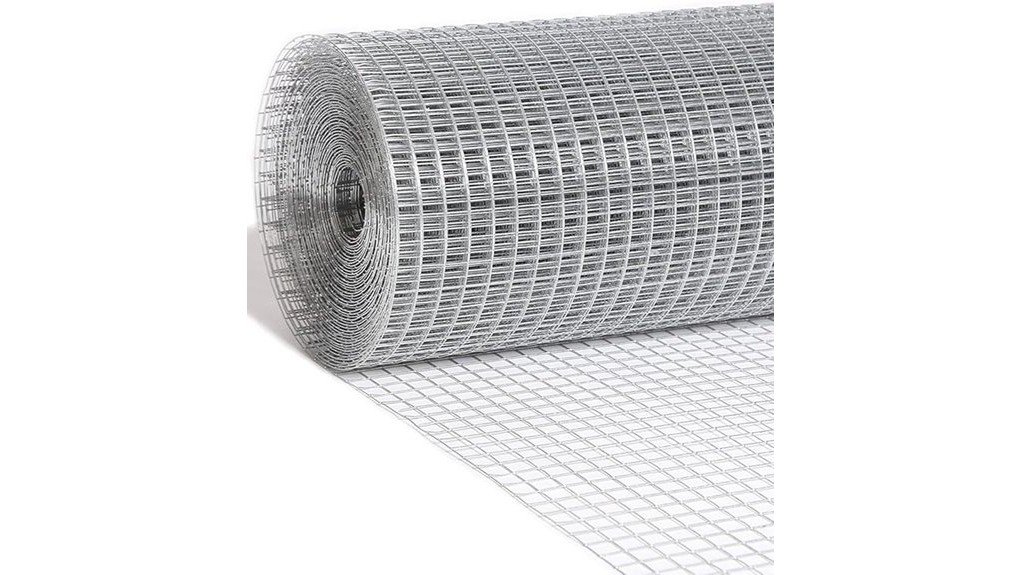
Keeping small animals out of gardens, raised beds, crawl spaces, and coops often comes down to the mesh you choose. This 1/2 inch hardware cloth is a 24 inch by 50 foot galvanized steel roll made for rodent control, garden fencing, critter barriers, and light enclosure work. It gives you a tighter barrier than many wider welded-wire fences, but it still needs careful cutting, secure fastening, and safe handling around sharp edges. This review explains where it works best, what to check before buying, and how to use it without overestimating what a roll of hardware cloth can do.
Quick Verdict
Rating: Recommended with caveats, 8.2/10
Best For: Gardeners, homeowners, and coop builders who need a 1/2 inch mesh barrier for small pests and general outdoor protection.
Bottom Line: This hardware cloth is a practical choice when you need a corrosion-resistant galvanized steel mesh in a manageable 24 inch width. The main tradeoff is that the article does not verify the brand, gauge, or warranty, so you should confirm those details on the Amazon listing before buying.
| Specification | Detail |
|---|---|
| Product Type | Hardware cloth / welded wire mesh |
| Mesh Size | 1/2 inch x 1/2 inch |
| Roll Size | 24 inches x 50 feet |
| Material | Galvanized annealed steel wire |
| Finish | Galvanized finish for corrosion resistance |
| Best Uses | Garden fencing, raised beds, rodent barriers, chicken coops, critter screens, and light DIY protection |
| Installation Areas | Above-ground use and article-supported underground applications |
| Care Note | Store dry when not in use and protect cut edges from moisture where possible |
| Safety Note | Cut edges can be sharp, so gloves and eye protection are recommended during cutting and installation |
What Is the 1/2 Inch Hardware Cloth?
This 1/2 inch hardware cloth is a roll of galvanized steel wire mesh designed for barriers, screening, and light-duty protection projects. The article-supported size is 24 inches wide by 50 feet long, which makes it useful for narrow runs, raised bed protection, coop openings, vent screens, and perimeter reinforcement.
The 1/2 inch x 1/2 inch mesh is the key detail. It creates smaller openings than many general welded-wire fences, so it can help block common garden pests and small rodents when you install it tightly and fasten it securely. It is not a finished fence system by itself, so you still need posts, staples, screws, washers, frames, or other hardware depending on your project.
Who Should Buy It?
Best For
- Gardeners who need a tighter mesh barrier around raised beds or planting areas.
- Homeowners sealing small openings where rodents or critters may enter.
- DIY users building or repairing chicken coops, cages, vent covers, or outdoor screens.
Skip If
- You need a tall standalone fence without adding posts, framing, or extra support.
- You need verified gauge, brand, warranty, or load details before ordering.
- You want a soft, flexible netting product instead of steel wire mesh.
Before You Buy: Confirm the current Amazon listing details before ordering, especially the gauge, brand, warranty, package contents, and exact roll dimensions. The article supports the 1/2 inch mesh and 24 inch by 50 foot size, but it does not verify every seller-specific detail.
Build Quality and Materials
The article describes the mesh as galvanized annealed steel wire. Galvanizing matters because outdoor mesh often faces moisture, soil contact, rain, and repeated watering around gardens. A galvanized finish helps reduce corrosion compared with untreated steel, although any cut edge can still become a weak point over time.
The steel-wire construction gives this hardware cloth more bite resistance and shape retention than plastic netting. That makes it a better choice for rodent barriers, coop openings, and raised bed protection where light mesh may tear or stretch. For best results, fasten it to a solid frame rather than relying on the roll to stand on its own.
Mesh Size and Coverage
The 1/2 inch x 1/2 inch mesh is one of the most useful sizes for home and garden work. It is small enough for many pest-control tasks while still being open enough to allow airflow, drainage, and visibility. That balance helps when you need to screen vents, line beds, or protect coop windows.
The 24 inch width is easy to handle compared with wider rolls, especially for one-person installation. The 50 foot length gives you enough material for several small projects or one longer run, depending on how much overlap, burying, and trimming your setup requires.
Garden, Coop, and Rodent Control Uses
For garden fencing, you can use this mesh around the lower section of a bed or fence line to discourage chewing, digging, and entry through larger gaps. In raised beds, many users place hardware cloth beneath the soil layer to help reduce burrowing pests. You should secure the edges well so animals cannot push underneath loose sections.
For chicken coops and small animal enclosures, the mesh can cover vents, windows, and lower wall sections. It should not replace strong framing, predator-proof latches, or proper coop design. Hardware cloth works best as a barrier layer attached to wood, metal, or another stable structure.
For crawl spaces, shed gaps, and utility openings, this mesh can help close off small access points while still allowing airflow. Always check for electrical, plumbing, HVAC, or pest-control concerns before fastening mesh around building openings.
Cutting and Installation
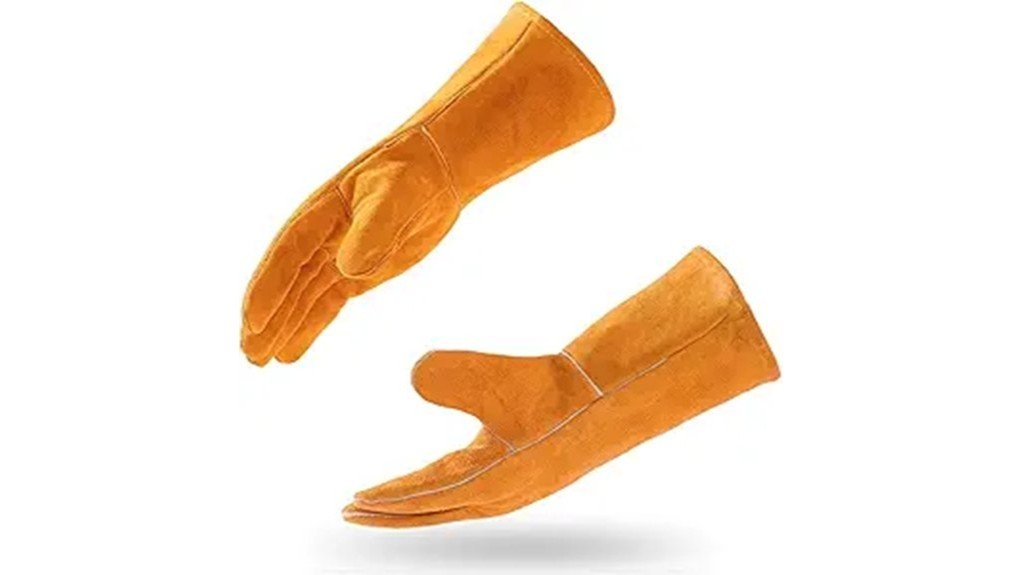
This hardware cloth can be cut to fit specific spaces, but steel mesh needs the right tools and careful handling. Use wire cutters, aviation snips, or another suitable cutting tool for the thickness of the wire. Wear work gloves because the trimmed ends can scratch skin, snag clothing, or injure pets.
For wood frames, staples may work for light-duty use, but screws with washers often provide a stronger hold. For outdoor barriers, overlap seams by a few inches and fasten them tightly. Loose seams can become entry points for small animals.
Pro Tip: Measure the full run before cutting, then add extra length for overlap, corners, and buried edges. A few extra inches can prevent gaps that pests may exploit later.
How It Performs in Real Use
For Raised Garden Beds
In raised beds, the 1/2 inch mesh can act as a bottom barrier against burrowing pests. The 24 inch width may require multiple strips for larger beds, so plan for overlap before cutting. Fastening the mesh to the bed frame helps keep it from shifting while you add soil.
For Chicken Coops
On coops, this hardware cloth works best over vents, windows, and lower openings where small animals may try to enter. The steel mesh gives better protection than plastic netting, but the final strength depends on how you fasten it. Weak staples, loose corners, or unprotected gaps can reduce its effectiveness.
For Rodent Barriers
For rodent control, the 1/2 inch opening size is more useful than wider fencing. You can use it around sheds, garden edges, and small openings where pests may squeeze through. For serious infestations or building-entry problems, combine mesh work with proper cleaning, sealing, trapping, or professional pest guidance.
For Underground or Soil-Contact Projects
The article supports underground use, and galvanized steel is better suited to soil contact than untreated wire. Still, soil moisture can be harsh over time. Keep cut edges protected where practical and inspect buried or damp areas seasonally for rust, gaps, or lifting.
Safety and Handling Notes
Hardware cloth looks simple, but it can be sharp once cut. Wear gloves, long sleeves, and eye protection during trimming and installation. Roll tension can also make the mesh spring back, so unroll it slowly and keep children and pets away from the work area.
If you use it near pets or livestock, cover or fold sharp ends so animals cannot rub against exposed wire. Hardware cloth should help contain or protect spaces, but it should not create snag points, loose loops, or sharp corners inside an enclosure.
Common Mistakes to Avoid
- Leaving gaps at corners: Small animals often enter through loose edges rather than the middle of the mesh.
- Using weak fasteners: A strong mesh can still fail if the staples, screws, or frame are not secure.
- Skipping overlap: Butt-jointed seams can separate, especially on uneven ground or flexible frames.
- Ignoring cut edges: Freshly cut wire ends can rust faster and may scratch hands, pets, or animals.
- Expecting it to stand alone: Hardware cloth usually needs a frame, posts, or backing support.
Pros and Cons
Pros
- 1/2 inch x 1/2 inch mesh is useful for garden protection and small-pest barriers.
- 24 inch by 50 foot roll size works well for raised beds, coop panels, and smaller DIY runs.
- Galvanized annealed steel wire offers better outdoor durability than plastic mesh.
- Can be cut to custom sizes for vents, beds, frames, and enclosure repairs.
- Suitable for both above-ground and article-supported underground applications.
Cons
- Brand, gauge, warranty, and exact package details are not verified in the article.
- Cut edges can be sharp and need careful handling around pets and people.
- Requires separate fasteners, tools, and support framing for most installations.
Is It Worth the Price?
This hardware cloth is worth considering if you need a practical steel mesh roll for garden, coop, rodent-control, or light home-improvement work. The value comes from the 24 inch by 50 foot coverage, the 1/2 inch mesh size, and the galvanized steel construction described in the article.
It makes the most sense for buyers who can install it properly and already have the right cutting and fastening tools. It is not the best fit if you need a complete fence kit, verified heavy-duty gauge information, or a product with clearly confirmed warranty terms before purchase.
How It Compares to Alternatives
Compared with wider welded-wire fencing, 1/2 inch hardware cloth offers a tighter barrier for smaller pests and coop openings. Compared with plastic garden netting, galvanized steel wire is more durable and harder for animals to chew through, but it is also sharper and less flexible.
If you need an even tighter barrier for very small pests, 1/4 inch hardware cloth may be worth comparing. If you care more about appearance or extra coating, PVC-coated hardware cloth may look cleaner, though coating quality and durability vary by product.
Frequently Asked Questions
What is 1/2 inch hardware cloth used for?
It is commonly used for garden fencing, raised bed protection, chicken coop screens, vent covers, rodent barriers, and light enclosure work. The 1/2 inch mesh gives you smaller openings than many general-purpose wire fences.
Can this hardware cloth help with rodent control?
Yes, the 1/2 inch mesh can help block many small entry points when it is installed tightly. For best results, secure all edges and combine the mesh with proper sealing, cleaning, and pest-control steps.
Can it be cut to custom sizes?
Yes, the article supports cutting it to custom sizes. Use proper wire cutters or snips, wear gloves, and handle the cut edges carefully because the wire can be sharp.
Is it safe to use around pets?
It can be used around pet areas when installed safely, but exposed cut ends should be folded, covered, or positioned away from animals. Check the enclosure often for loose wire, snags, or sharp corners.
Can you use it underground?
The article supports underground use, and the galvanized steel finish helps with corrosion resistance. Soil moisture can still wear down metal over time, so inspect buried edges and damp areas when you maintain the project.
What tools do you need for installation?
Most projects need wire cutters or snips, gloves, measuring tape, and suitable fasteners. Depending on the surface, you may also need staples, screws with washers, zip ties, posts, or a wood frame.
How should you store leftover hardware cloth?
Store leftover mesh in a dry area and keep it covered if possible. Tie the roll securely so it does not spring open or expose sharp cut ends during storage.
What warranty does this product include?
The original article mentions warranty confidence but does not provide a verified warranty period. Check the current Amazon listing and seller details before buying if warranty coverage matters to your project.
The Bottom Line
This 1/2 inch hardware cloth is a smart buy for everyday garden, coop, rodent-barrier, and light DIY protection projects when you need a 24 inch by 50 foot galvanized steel mesh roll. It is best for buyers who can install it securely, cut it safely, and verify seller-specific details before ordering.
Skip it if you need a full fence kit, verified gauge data, or a product with fully confirmed brand and warranty details in the article. For the right project, its main strength is the tight 1/2 inch galvanized mesh, while its main limitation is the need for careful installation and listing verification.