Disclosure: As an Amazon Associate, we earn from qualifying purchases. If you click a link on this page and make a purchase, we may receive a small commission at no extra cost to you.
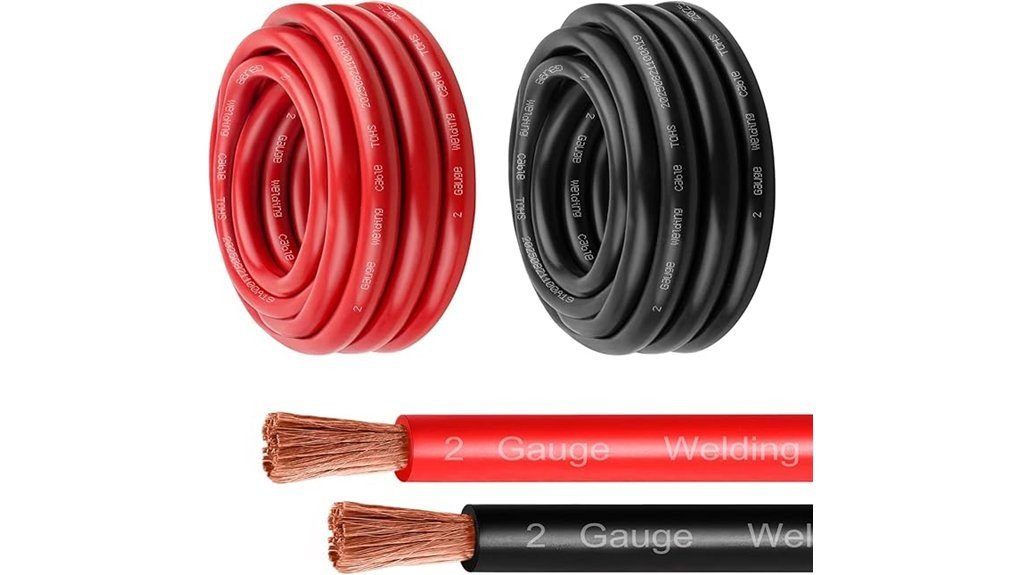
Choosing battery cable is not only about picking a thicker wire. You also need the right gauge, conductor material, insulation, flexibility, and safety margin for your setup. This 2 Gauge Battery Cable is listed with 742 strands of 0.24mm pure copper, a 600V rating, durable PVC insulation, and a flexible stranded design for high-demand electrical connections. This review helps you decide where it fits well, where you should be cautious, and what to check before you install it.
Quick Verdict
Rating: Recommended with caveats
Best For: Automotive, solar, marine, inverter, generator, and battery storage wiring where 2 gauge cable is the correct size.
Bottom Line: This cable makes sense if you need a flexible 2 gauge copper cable with PVC insulation and a 600V rating. The main tradeoff is that you still need to confirm ampacity, lug size, fuse protection, and code requirements for your exact project.
Key Takeaways
- The cable is listed as a 2 gauge battery cable with 742 strands of 0.24mm copper for flexible, low-resistance power connections.
- The 600V rating and PVC insulation make it suitable for many automotive, solar, marine, generator, and inverter setups when the size matches the load.
- The stranded design helps with routing through tight spaces compared with stiffer cable types.
- It can help reduce voltage drop in high-demand systems, but cable length, current draw, terminals, and installation quality still matter.
- You should confirm ampacity, fuse sizing, lug compatibility, and local electrical rules before using it in any permanent or high-current project.
Key Specifications
| Specification | Detail |
|---|---|
| Product type | 2 gauge battery cable |
| Conductor material | Listed as pure copper |
| Strand count | 742 strands |
| Strand size | 0.24mm copper strands |
| Voltage rating | 600V |
| Temperature range | -40°F to +221°F |
| Insulation | PVC insulation |
| Design | Flexible stranded construction |
| Best use | Automotive, marine, solar, generator, inverter, and battery storage connections |
| Safety note | Confirm load, cable length, terminal size, fuse protection, and installation rules before use. |
What Is the 2 Gauge Battery Cable?
The 2 Gauge Battery Cable is a heavy electrical cable made for power transfer between batteries, inverters, generators, solar equipment, and vehicle electrical systems. Its main listed feature is a stranded pure copper conductor made from 742 strands of 0.24mm copper.
That strand count matters because stranded cable bends more easily than solid wire. For automotive, marine, RV, and solar layouts, that flexibility can make routing easier around battery trays, compartments, terminals, and tight corners.
The cable also uses PVC insulation and carries a 600V rating. Those details make it more practical for demanding DC power work, but they do not remove the need for correct sizing, crimping, strain relief, and fuse protection.
Before You Buy: Do not choose 2 gauge cable by appearance alone. Match the cable to your system current, cable length, voltage drop target, terminal size, insulation rating, and any code or manufacturer requirements.
Performance Characteristics of 2 Gauge Battery Cables
The main performance appeal of this cable is its combination of size, copper construction, and flexibility. A 2 gauge cable can support high-current connections when it is properly matched to the system and installed with the right terminals.
The listed 742-strand construction helps the cable bend during installation. That can reduce frustration when you need to route cable through battery compartments, around engine-bay obstacles, or inside solar and inverter enclosures.
The 600V rating and operating temperature range of -40°F to +221°F give the cable a broad use window. Still, heat, abrasion, chemical exposure, moisture, vibration, and poor crimping can shorten cable life if the installation is not protected.
Advantages of Stranded Pure Copper Construction
Pure copper is valued in battery cable because it conducts electricity well and helps limit unnecessary resistance. In a high-demand system, lower resistance can support steadier power delivery and reduce avoidable voltage drop.
The stranded design adds another benefit: easier handling. A cable made from many small strands can flex better than a stiff cable, which helps when you need clean routing without sharp bends.
| Feature | Why It Matters |
|---|---|
| Pure copper conductor | Supports efficient current flow when the cable is correctly sized. |
| 742-strand design | Improves flexibility for tight routing and battery compartment work. |
| PVC insulation | Helps protect the conductor from abrasion and everyday handling damage. |
| 2 gauge size | Useful for many high-current applications, depending on length and load. |
Who Should Buy It?
Best For
- Vehicle owners wiring batteries, grounds, winches, power accessories, or high-current upgrades that call for 2 gauge cable.
- Solar, inverter, generator, and battery storage users who need flexible copper cable for short, high-current runs.
- Marine or RV installers who need cable that bends more easily than stiff low-strand wire.
Skip If
- Your project requires a different gauge, tinned marine cable, building wire, welding cable, or a specific certification not listed here.
- You do not know your current draw, cable length, terminal size, or required fuse rating.
- You need a complete ready-made cable assembly with pre-installed lugs and heat shrink.
Applications and Versatility in Different Settings
This 2 gauge battery cable fits a wide range of electrical projects when the cable size matches the load. Common uses include automotive battery connections, solar power systems, marine setups, generator connections, inverter wiring, and battery storage systems.
For automotive work, the flexible design helps with routing from batteries to grounds, power distribution points, or accessories. For solar and inverter setups, the copper conductor can help maintain stable power flow across short, high-current cable runs.
For marine and RV applications, flexibility is useful because compartments often have tight bends and limited access. Still, you should confirm whether your environment requires tinned copper, extra oil resistance, or a different insulation type.
Installation and Setup
Installation quality has a major effect on battery cable performance. Even a high-quality cable can overheat, loosen, or lose efficiency if the lug is too large, the crimp is weak, or the cable is not protected from rubbing.
Use terminals that match both the cable gauge and the stud size on your battery, inverter, fuse block, or bus bar. A proper crimping tool matters because pliers, hammers, or undersized crimpers can leave a loose connection.
Route the cable away from sharp edges, hot exhaust parts, belts, fans, and moving suspension parts. Add grommets, loom, clamps, or strain relief when the cable passes through metal or sits near vibration.
Pro Tip: Cut the cable only after you test the route with slack for bends, service access, and strain relief. A cable that is too tight can pull on the terminal and weaken the connection over time.
Compatibility and Safety
This cable touches electrical systems, vehicles, batteries, and power equipment, so safety matters. Always disconnect power before installation, wear eye protection, and avoid tools or jewelry that can bridge battery terminals.
Use a fuse or breaker sized for the cable and the connected equipment. The fuse should protect the cable from short circuits, not only the device connected at the far end.
This cable may be useful for many low-voltage DC systems, but it is not automatically suitable for fixed home wiring. For house, grid-tied, code-governed, or high-risk electrical work, follow local code and ask a licensed electrician.
How It Performs in Real Use
For Automotive Battery and Ground Connections
In vehicle use, the 2 gauge size and flexible stranded construction help when you need a strong connection between a battery, chassis ground, starter circuit, or high-current accessory. The copper conductor supports efficient current flow when the run length and protection are correct.
For Solar and Inverter Systems
For solar battery banks and inverter connections, this cable works best on short runs where voltage drop matters. Confirm the inverter manual’s cable size, fuse size, and maximum length before you install it.
For Marine and RV Compartments
Marine and RV spaces often force cable around tight corners. The stranded design helps with handling, but you should still protect the insulation from moisture, abrasion, vibration, and fuel or chemical exposure.
For Generator and Battery Storage Use
Generator and battery storage setups can put steady demand on cable and terminals. Check connections after initial use because vibration and heat cycling can loosen hardware if it was not secured correctly.
Common Mistakes to Avoid
- Choosing cable by gauge only: Current draw, length, temperature, insulation rating, and voltage drop all matter.
- Using the wrong lugs: The lug must fit 2 gauge cable and the stud size on your equipment.
- Skipping fuse protection: A shorted battery cable can create dangerous heat very quickly.
- Making sharp bends: Tight bends can stress strands, insulation, and terminal connections.
- Leaving copper exposed: Use proper terminals, heat shrink, and covers where needed.
Pros and Cons
Pros
- 742-strand copper construction supports flexibility and efficient current flow.
- 2 gauge size suits many high-demand battery, inverter, generator, and vehicle power connections.
- 600V rating gives it a broad electrical use range when the installation is appropriate.
- PVC insulation helps protect against abrasion during routing and normal handling.
- Temperature range of -40°F to +221°F supports use in many cold and warm environments.
Cons
- No brand, cable length, included lug details, or certification information is confirmed in the provided article.
- Not a plug-and-play cable assembly if your project needs pre-crimped terminals.
- May not be suitable for fixed home wiring, extreme chemical exposure, or marine projects that require tinned copper.
Is It Worth the Price?
This cable can be a strong value for the price if your project needs flexible 2 gauge copper cable rather than a thinner, stiffer, or lower-conductivity option. You get article-supported details that matter for demanding electrical work: copper strands, PVC insulation, 600V rating, and a wide temperature range.
It is worth considering if you are building or repairing a battery connection and already know that 2 gauge cable is the correct size. It is not the best fit if you need verified brand documentation, pre-installed lugs, or a cable made for a very specific code-governed installation.
How It Compares to Alternatives
Compared with smaller 4 gauge cable, this 2 gauge cable is better suited to higher-current setups when the system calls for a larger conductor. Compared with larger 1/0 cable, it can be easier to route, but it may not carry enough current for every large inverter, winch, or battery bank.
If your setup is exposed to saltwater or harsh marine conditions, tinned marine battery cable may be worth comparing. If your project needs a finished cable with lugs already attached, a pre-made battery cable assembly may save time.
Frequently Asked Questions
Is this 2 gauge battery cable pure copper?
The article lists the cable as pure copper with 742 strands of 0.24mm copper. Since independent verification was not available, confirm the current Amazon listing before you buy if conductor material is critical.
What can I use this cable for?
It is suited for many automotive, marine, solar, generator, inverter, and battery storage connections when 2 gauge cable is the right size. Always match the cable to your current draw, run length, fuse size, and equipment manual.
Does the cable come with battery lugs or terminals?
The provided article does not confirm included lugs, terminals, heat shrink, or accessories. Check the Amazon listing carefully so you know whether you are buying cable only or a complete cable kit.
Can I use this cable for home electrical projects?
Do not assume battery cable is suitable for fixed home wiring. For house wiring, grid-connected systems, or code-governed work, follow local electrical code and consult a licensed electrician.
Is 2 gauge cable enough for an inverter?
It depends on the inverter wattage, battery voltage, cable length, and fuse rating. Check the inverter manual because many high-power inverters need very short runs or larger cable.
How should I install 2 gauge battery cable?
Use proper 2 gauge lugs, a suitable crimping tool, fuse protection, and insulation covers where needed. Route the cable away from heat, sharp edges, moving parts, and areas where vibration can rub through the jacket.
Will this cable reduce voltage drop?
A properly sized 2 gauge copper cable can help reduce voltage drop compared with smaller cable. The final result depends on total cable length, current draw, connection quality, and system voltage.
Who should skip this cable?
Skip it if your project requires a different gauge, tinned marine cable, specific certifications, pre-crimped ends, or verified manufacturer documentation. You should also skip it if you are not comfortable sizing and protecting high-current wiring.
The Bottom Line
The 2 Gauge Battery Cable is a practical choice if you need flexible copper cable for automotive, solar, marine, generator, inverter, or battery storage use and your system calls for 2 gauge wiring. Its main strengths are the listed 742-strand copper construction, 600V rating, PVC insulation, and bend-friendly design.
Skip it if you need verified brand details, pre-installed terminals, tinned marine construction, or a cable approved for a specific code-governed installation. For the right project, it is recommended with caveats because performance depends heavily on proper sizing, crimping, routing, and fuse protection.