Disclosure: As an Amazon Associate, we earn from qualifying purchases. If you click a link on this page and make a purchase, we may receive a small commission at no extra cost to you.
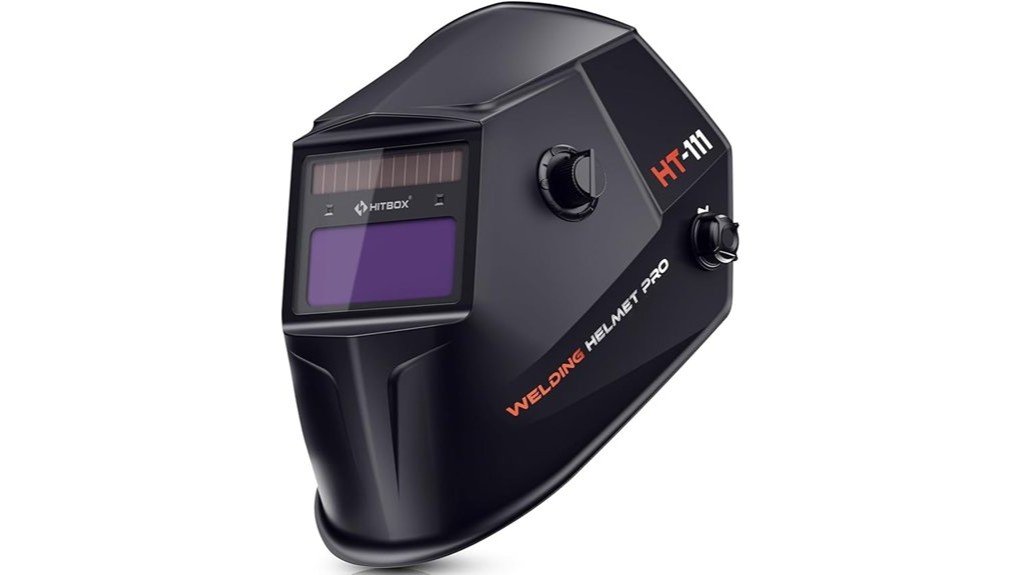
A welding helmet has to protect your eyes, stay comfortable, and give you a clear view of the puddle while you work. The HITBOX Welding Helmet is built around a lightweight 390-gram design, auto-darkening protection, true color viewing, and a 3.66″ x 1.69″ viewing screen. This review helps you decide whether it fits your TIG, MIG, ARC, or occasional plasma cutting needs. Its main strength is the light feel and simple protection setup, but you should still confirm the current listing and manual details before using it for professional or code-critical work.
Quick Verdict
Rating: 8/10, Recommended with caveats
Best For: DIY welders, garage users, students, and hobby welders who want a light auto-darkening helmet for TIG, MIG, and ARC work.
Bottom Line: The HITBOX Welding Helmet is a practical choice if you want low weight, adjustable shade protection, and a clearer true color view. It is not the best pick if you need a verified industrial certification, a larger viewing window, or a helmet for heavy daily shop use without checking the current manual first.
| Specification | Detail |
|---|---|
| Brand | HITBOX |
| Product type | Auto-darkening welding helmet |
| Amazon listing identifier | B0DBHMTM1K |
| Viewing area | 3.66″ x 1.69″ |
| Shade range | 4/9-13 |
| Weight | 390 grams, about 13.8 ounces |
| Lens style | Auto-darkening lens with true color viewing |
| Power design | Solar-powered design described in the source article |
| Supported welding processes | TIG, MIG, and ARC use; plasma cutting may be possible when settings match the task |
| Best use | Garage welding, DIY repair work, training, and light to moderate welding sessions |
What Is the HITBOX Welding Helmet?
The HITBOX Welding Helmet is an auto-darkening welding hood made for welders who want eye protection, a lighter head feel, and a clear view during common welding tasks. It is listed for TIG, MIG, and ARC welding, which covers many garage, repair, fabrication, and training jobs.
The helmet uses a 3.66″ x 1.69″ viewing area and a 4/9-13 shade range. That shade range gives you more control than a fixed-shade hood because you can match the lens darkness to the process and current. The true color lens is meant to reduce the green tint that older lenses often create, so you can see the weld area more naturally.
At 390 grams, the helmet is light enough to appeal to users who dislike heavy headgear. That lower weight can help during longer projects, but comfort still depends on your head shape, headgear adjustment, and how often you raise and lower the hood.
Before You Buy: Confirm the current Amazon listing and product manual before industrial use. The source article does not verify safety certifications, replacement lens part numbers, or a detailed warranty document.
Who Should Buy It?
Best For
- DIY welders who want an affordable auto-darkening helmet for garage projects.
- Students and occasional welders who value low weight during practice sessions.
- Users who want TIG, MIG, and ARC coverage with an adjustable 4/9-13 shade range.
Skip If
- You need verified ANSI, CSA, CE, or jobsite-specific certification details before purchase.
- You prefer a large viewing window for production welding or frequent out-of-position work.
- You need confirmed replacement lens part numbers before ordering.
Comfort Features for Extended Use
Comfort matters because neck strain can build up quickly when you weld for more than a few minutes at a time. The HITBOX Welding Helmet weighs 390 grams, which is one of the most useful details in the article because weight affects fatigue directly.
The ergonomic headgear is described as adjustable, so you can tighten or loosen the fit to keep the hood stable. A secure fit helps when you bend over a workbench, tack a part in place, or move between grinding and welding tasks. The helmet still needs careful adjustment because even a light hood can feel awkward if the headband sits too high or too low.
Safety and Protection Mechanisms
The main safety feature is the auto-darkening lens. When the welding arc starts, the lens darkens to protect your eyes from bright flashes. This helps because you do not have to flip the helmet down between every tack or restart.
The article states that the helmet blocks ultraviolet and infrared radiation during welding. That protection is essential, but it should be treated as part of a full safety setup. You still need gloves, sleeves, ventilation, eye protection when grinding, and the correct shade setting for the process and amperage.
The 4/9-13 shade range gives you flexibility. Lower settings may help with lower-amperage work, while darker settings are used for brighter arcs. Always follow the product manual and your welding process chart instead of guessing.
Viewing Area and True Color Lens
The 3.66″ x 1.69″ screen gives you a usable view of the weld zone without making the helmet bulky. It is not the largest viewing area you can buy, but it should be enough for many garage welding jobs, bench work, and basic repair tasks.
True color technology is useful because it can make the weld puddle, joint line, and surrounding metal easier to read. A clearer view can help you hold a steadier travel speed and spot fit-up issues sooner. The tradeoff is that the article does not provide optical class details, so buyers who need strict lens clarity ratings should verify those details on the current listing.
Build Quality and Daily Handling
The article focuses more on comfort and lens function than shell material or impact rating. That means the helmet is easier to judge for light and moderate use than for demanding shop environments. For garage users, the light shell and adjustable fit are the main practical benefits.
For heavier work, check the current product page for shell material, replacement lens availability, and safety standard information. A helmet can feel comfortable and still be the wrong choice if your workplace requires a specific certification or documented PPE rating.
How It Performs in Real Use
For TIG Welding
The adjustable shade range helps for TIG work because lower-amperage TIG often needs a clear view of a small puddle. The true color lens can also make it easier to see tungsten position and filler placement. Before using it for fine TIG work, confirm that the sensitivity and delay settings meet your needs.
For MIG Welding
For MIG projects, the auto-darkening lens helps during repeated tacks and short beads. You can position the gun, start the arc, and keep both hands focused on control. The 390-gram weight also helps if you are moving around a vehicle panel, frame bracket, cart, or repair bench.
For ARC Welding
Stick welding produces a bright arc and more spatter, so shade control and face coverage matter. The 4/9-13 range gives you room to darken the lens for brighter work. You should still pair the helmet with proper clothing and avoid relying on the hood alone for full-body protection.
For Outdoor or Mobile Work
The article describes the helmet as suitable for outdoor use. In bright sunlight, you may need to adjust sensitivity to avoid unwanted lens triggering. Outdoor work also makes fit more important because wind, glare, and body position can affect how stable the helmet feels.
Setup Tips Before First Use
Start by adjusting the headgear before you strike an arc. The helmet should sit low enough to protect your face but not so low that it blocks your view when raised. Tighten the headband until it feels secure without causing pressure points.
Next, test the lens response in a safe way according to the manual. Check the shade, sensitivity, and delay controls if the helmet includes them on the current model. Make small adjustments, then test again before welding on a real project.
Pro Tip: Before a long weld, wear the helmet for a few minutes and move your head through normal work positions. If it slips, tilts, or pinches, adjust the headgear before the arc starts.
Common Mistakes to Avoid
Do not use one shade setting for every job. TIG, MIG, ARC, and plasma cutting can require different shade levels based on brightness and amperage. A setting that feels fine for one process may be too light or too dark for another.
Do not assume the solar-powered design means you can ignore lens checks. Inspect the viewing screen, sensors, and shell before each use. If the lens response seems delayed, inconsistent, or unclear, stop using the helmet until you confirm the cause.
Do not use the helmet as your only protection. Welding also requires skin coverage, gloves, safe ventilation, and protection for nearby people who may be exposed to arc flash.
Customer Feedback and Support Options
The original article described customer feedback as generally positive, with buyers noting comfort, low weight, and auto-darkening performance. Because current Amazon review data could not be verified during this edit, exact star ratings and review counts are not repeated here.
The article also described customer support options that may include replacement or refund support for quality issues. Since support terms can change by seller, you should review the current Amazon return window and any written warranty terms before purchase.
Pros and Cons
Pros
- 390-gram weight helps reduce neck fatigue during longer welding sessions.
- Auto-darkening lens protects your eyes when the arc starts.
- 4/9-13 shade range gives flexibility across TIG, MIG, and ARC work.
- True color viewing can make the weld area easier to see than older green-tint lenses.
- Adjustable headgear helps you tune the fit for your head shape and work position.
Cons
- Certification details are not confirmed in the source article.
- The 3.66″ x 1.69″ viewing area may feel small if you prefer a panoramic lens.
- Replacement lens and accessory compatibility should be checked before buying extras.
Is It Worth the Price?
The HITBOX Welding Helmet looks like a strong value for the price if you need basic auto-darkening protection, low weight, and a shade range that covers common welding jobs. It is a smart buy for everyday garage use when your main goals are comfort, visibility, and simple setup.
You get the most value if you weld occasionally or need a backup helmet for TIG, MIG, or ARC work. It is not the best fit if you need a documented industrial PPE package, a larger lens, or brand-backed accessories that are easy to verify before checkout.
How It Compares to Alternatives
Compared with many budget auto-darkening helmets, the HITBOX model stands out for its light 390-gram weight and true color viewing. Compared with premium helmets from brands such as Lincoln Electric or Miller, the main tradeoff is that this review cannot confirm advanced lens ratings, shell material, or certification details from the current listing.
The HITBOX helmet makes the most sense if you want an affordable, lightweight helmet for common home and shop tasks. If you weld every day, need a larger view, or must meet workplace PPE requirements, compare it with a higher-end helmet before you buy.
Frequently Asked Questions
Can the HITBOX Welding Helmet be used for TIG, MIG, and ARC welding?
Yes, the article lists the helmet for TIG, MIG, and ARC welding. The 4/9-13 shade range gives you adjustment room, but you should still match the shade to your process, amperage, and manual guidance.
Can it be used for plasma cutting?
The source article says the helmet can be used for plasma cutting. Before doing so, confirm that the shade setting and manual instructions match your plasma cutter and cutting current.
Is the 3.66″ x 1.69″ viewing area large enough?
It should be enough for many bench, garage, and repair jobs. If you often weld out of position or prefer a wider view of the work area, you may want to compare it with helmets that have larger viewing windows.
How heavy is the HITBOX Welding Helmet?
The helmet weighs 390 grams, or about 13.8 ounces. That light weight can help reduce fatigue during longer welding sessions, especially if you dislike heavy hoods.
Does the solar-powered feature mean it never needs maintenance?
No. A solar-powered design can support the auto-darkening system, but you should still inspect the lens, sensors, shell, and headgear before use. Follow the manual for any battery, storage, or lens-care instructions.
Is this helmet good for outdoor welding?
The article describes it as suitable for outdoor use. In bright sunlight, test the lens response and adjust sensitivity if the helmet allows it, because strong ambient light can affect some auto-darkening lenses.
Who should skip this HITBOX helmet?
Skip it if you need verified safety certification details, a large viewing screen, or documented replacement lens part numbers before purchase. It is better for light to moderate use than for buyers who need a fully documented industrial helmet.
What should you check when the helmet arrives?
Check the shell, lens, sensors, headgear, and shade controls before welding. Also review the manual, confirm the correct shade setting, and make sure the helmet darkens properly before starting real work.
The Bottom Line
The HITBOX Welding Helmet is worth considering if you want a lightweight auto-darkening helmet with true color viewing, a 3.66″ x 1.69″ screen, and a 4/9-13 shade range for TIG, MIG, and ARC work. It is best for DIY users and occasional welders, while professionals should verify certification, lens ratings, and replacement parts before relying on it for daily shop use.
The main strength is comfort for the price. The main limitation is that some deeper safety and accessory details need to be confirmed on the current listing or product manual.