Disclosure: As an Amazon Associate, we earn from qualifying purchases. If you click a link on this page and make a purchase, we may receive a small commission at no extra cost to you.
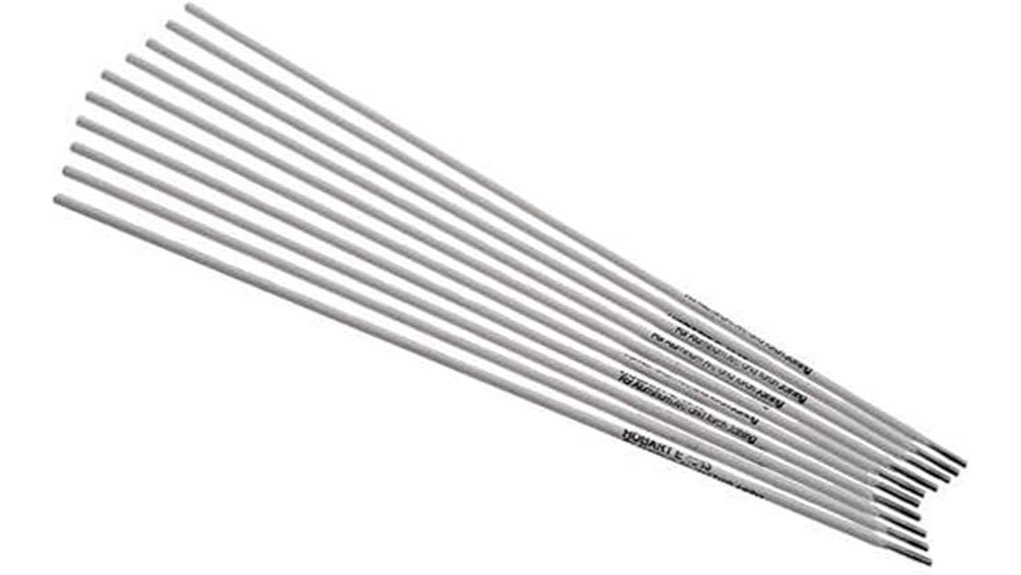
Stick welding aluminum can be useful when you need a repair without setting up a MIG spool gun or TIG system, but the electrode and power source have to match. The Hobart H722844-RDP is a 1/8-inch 4043 aluminum stick electrode made specifically for DC electrode-positive welding. You get ten 14-inch electrodes intended for flat, horizontal, and vertical work. The main advantage is a straightforward stick-welding format for aluminum, while the main limitation is just as important: an AC-only welder is not compatible.
Quick Verdict
Rating: 8/10, Recommended with caveats
Best For: Welders who need a small pack of 4043 aluminum stick electrodes and have a machine capable of DCEP operation.
Bottom Line: The Hobart H722844-RDP gives you a verified 4043 aluminum electrode in a convenient 10-pack with support for flat, horizontal, and vertical welding. Its DCEP-only requirement and the learning curve of aluminum stick welding make it less suitable for every machine or every beginner.
Features and Specifications
| Specification | Detail |
|---|---|
| Brand | Hobart |
| Model | H722844-RDP |
| Product Type | Aluminum stick welding electrode |
| Aluminum Classification | 4043 |
| Diameter | 1/8 inch |
| Length | 14 inches |
| Package Quantity | 10 electrodes |
| Required Polarity | DC electrode positive (DCEP) only |
| Welding Positions | Flat, horizontal, and vertical |
| Best Use | Aluminum stick-welding jobs where DCEP operation is available |
Key Takeaways
- The Hobart H722844-RDP is a 1/8-inch 4043 aluminum stick electrode supplied in a 10-piece package.
- Each electrode is 14 inches long.
- Hobart specifies DC electrode positive only, so you should check your welder before ordering.
- The electrode is intended for flat, horizontal, and vertical welding positions.
- The smaller 10-count package makes sense when you need electrodes for occasional aluminum repairs rather than bulk production work.
- Aluminum stick welding can require more practice than familiar steel electrodes, especially during arc starts and short repair runs.
What Is the Hobart H722844-RDP?
The Hobart H722844-RDP is a coated stick electrode for welding aluminum with a compatible DC stick-welding power source. It uses 4043 aluminum filler material and has a 1/8-inch diameter. Unlike aluminum MIG wire or TIG filler rod, this product is designed for the shielded metal arc welding process.
The package contains ten electrodes, so it is aimed more toward repair work, maintenance, occasional fabrication, and smaller jobs than high-volume welding. Hobart lists the electrode for flat, horizontal, and vertical applications.
Its most important requirement is polarity. Hobart specifies DC electrode positive. You should confirm that your welding machine can provide that output before you buy the electrodes.
Who Should Buy It?
Best For
- You have a stick welder that supports DCEP output.
- You need 4043 aluminum electrodes for occasional repair or maintenance work.
- You prefer a small 10-electrode package instead of buying a large bulk supply.
Skip If
- Your welder is AC-only or cannot provide DC electrode-positive output.
- You need a large quantity of aluminum electrodes for regular production work.
- You specifically need an aluminum welding process or filler alloy different from 4043 stick electrode.
Before You Buy: Check your welder’s polarity capability. Hobart specifies DCEP only for the H722844-RDP. An AC-only stick welder does not meet that requirement.
Welding Applications and Performance
4043 Aluminum Filler
The H722844-RDP uses 4043 aluminum filler material. That gives you a clearly identified aluminum electrode rather than a general-purpose rod with uncertain compatibility. You should still confirm that 4043 is appropriate for the aluminum alloy and repair you plan to weld, especially when structural requirements or an engineered procedure apply.
For routine maintenance and repair work, the 1/8-inch diameter is a common, easy-to-identify size. The 14-inch rod length also gives you a full-length stick electrode rather than a short brazing rod.
DC Electrode-Positive Operation
Polarity is not optional with this electrode. Hobart specifies DC electrode positive only. In practical terms, your electrode holder must be connected according to the DCEP configuration required by your welding machine.
This also explains why simply owning an inverter welder does not guarantee compatibility. Some inverter machines support the required DC polarity, while others may have different output limits or operating instructions. Check the machine manual rather than assuming that every inverter will run the electrode correctly.
Flat, Horizontal, and Vertical Welding
Hobart lists the H722844-RDP for flat, horizontal, and vertical welding positions. That gives you more flexibility than an electrode intended only for flat-position work.
The position rating does not mean every joint will be equally easy. Aluminum stick welding has a different puddle response and electrode behavior from common mild-steel stick electrodes. If you have limited experience with aluminum SMAW, practice on scrap material that matches the job before working on the final part.
Arc Starting and Electrode Handling
The original user feedback associated with this product mentions occasional sticking, and current retailer feedback also suggests that starting the electrode can take some practice. This is a useful limitation to know before buying, especially if most of your experience is with forgiving steel electrodes.
Correct polarity, sound work preparation, and a stable machine setup become important when an electrode is already less familiar to you. Do not treat repeated sticking as a reason to keep increasing settings without checking the electrode instructions and your welder’s operating range.
How It Performs in Real Use
For Small Aluminum Repairs
The 10-electrode package is convenient when you have a limited repair rather than ongoing production work. You can keep a small supply available without buying a much larger container of aluminum electrodes.
The stick format can also be practical when your available equipment is a compatible DC stick welder. You do not need to choose this product if you already have another aluminum process that better suits the joint, but it provides another option for the right setup.
For Flat and Horizontal Work
Flat and horizontal joints fall directly within Hobart’s stated applications. These positions are sensible places to become familiar with the electrode before moving to more demanding work.
You should still match the welding procedure to the base material, joint design, and required strength. The product’s position rating does not replace proper weld preparation or an approved welding procedure where one is required.
For Vertical Work
Vertical welding is also listed by Hobart, which adds useful versatility for repairs that cannot be positioned flat. The tradeoff is technique. Controlling an aluminum weld outside the flat position can require more practice, so a test piece is useful when you have not run this type of electrode before.
For Occasional Versus Frequent Use
A 10-count package suits occasional repairs well. If you regularly consume aluminum stick electrodes, a larger package from another product line may offer more convenient inventory management.
That makes the Hobart pack especially appealing when you want to try or keep a modest quantity of 4043 aluminum stick electrodes without committing to a large container.
Setup Tips Before You Weld
- Confirm polarity first: Make sure your power source can operate with the electrode positive as Hobart specifies.
- Identify the base material: Do not assume every aluminum alloy or critical repair should use 4043 filler.
- Prepare the joint: Remove surface contamination and oxide using a cleaning method suitable for aluminum before striking the arc.
- Use a practice piece: If aluminum stick welding is new to you, practice starting the arc and controlling the puddle on scrap material before the actual repair.
- Follow the electrode and machine instructions: Use the operating guidance supplied with the electrodes and your welder instead of relying on settings for a different brand or electrode size.
Pro Tip: Verify DCEP operation before opening the package or preparing the job. Polarity is one of the easiest compatibility checks to make, and it can save you from troubleshooting an electrode that your machine was never configured to run.
Compatibility and Safety
The key compatibility rule is simple: use the H722844-RDP only with a welding power source that can provide the required DC electrode-positive output. If your machine cannot provide DCEP, choose an electrode or process that matches the equipment instead of trying to work around the requirement.
Use appropriate welding PPE and follow the safety instructions for your welding machine, electrode package, work area, and base material. Welding produces heat, arc radiation, sparks, and fumes, so eye protection, suitable clothing, ventilation, and fire precautions remain necessary.
For structural, load-bearing, pressure-containing, automotive safety, or other critical repairs, confirm the required filler metal and welding procedure before starting. A product being capable of welding aluminum does not automatically make it correct for every aluminum alloy or engineered application.
Pros and Cons
Pros
- Verified 4043 aluminum stick electrode from Hobart.
- 1/8-inch diameter and 14-inch length are clearly specified.
- Suitable for flat, horizontal, and vertical welding positions.
- Small 10-count package is convenient for occasional repairs.
- Works with compatible DC stick-welding equipment without requiring a MIG or TIG filler setup.
Cons
- DCEP-only operation rules out AC-only welders.
- Some users may find arc starts and sticking harder to manage than familiar steel electrodes.
- A 10-rod package may be too small for frequent or production-level aluminum welding.
Is It Worth the Price?
The Hobart H722844-RDP is best judged as a small-pack specialty consumable rather than a bulk electrode purchase. You get ten branded 4043 aluminum electrodes with clearly stated dimensions, welding positions, and polarity requirements.
That can make it a strong value for the right occasional user, especially when you already have a compatible DC stick welder and do not need a large supply. It is less attractive if you weld aluminum often and would quickly use a 10-piece pack, or if your equipment cannot provide DCEP.
How It Compares to Alternatives
The Forney 45889 E4043 is another 1/8-inch aluminum stick electrode option. It is commonly sold by weight in a 1/2-pound package rather than Hobart’s fixed 10-electrode pack, so it is worth comparing when quantity matters. Forney also specifies DC reverse polarity for its E4043 electrode.
Blue Demon E4043 is another alternative available in larger package sizes, including 1-pound and 5-pound options for some 1/8-inch versions. The Hobart H722844-RDP makes more sense when you want a smaller 10-count package and the specific Hobart model fits your job.
Frequently Asked Questions
Can the Hobart H722844-RDP be used with an AC welder?
No. Hobart specifies DC electrode-positive operation only for this model. If your machine provides only AC output, it does not meet the stated polarity requirement.
Can I use these electrodes with an inverter welder?
You can use an inverter only if that specific welder supports the required DCEP output and is suitable for the electrode. Check your machine manual rather than assuming that all inverter welders are compatible.
How many electrodes come in the H722844-RDP package?
Hobart lists this model as a 10-pack. That makes it a practical size for occasional work, testing, or keeping a small supply on hand.
What size are the Hobart H722844-RDP electrodes?
Each electrode is 1/8 inch in diameter and 14 inches long. The filler classification is 4043 aluminum.
Which welding positions does Hobart specify?
Hobart lists flat, horizontal, and vertical welding applications. The manufacturer’s product page does not list overhead welding for this specific model, so you should not assume overhead suitability.
Do these aluminum stick electrodes need external shielding gas?
These are coated stick-welding electrodes, so the process does not use an external shielding-gas cylinder in the way MIG or TIG aluminum welding normally does. You should still follow the product and welding-machine instructions for setup and safe operation.
What is the shelf life and recommended storage temperature?
Hobart’s current product page does not publish a specific shelf-life period or exact storage-temperature range for the H722844-RDP. Keep the electrodes protected from moisture, contamination, and physical damage, and follow any storage instructions printed on the package.
Who should skip the Hobart H722844-RDP?
Skip it if your welder cannot provide DCEP, if your project requires a different filler alloy, or if you need a large bulk package for frequent production work. Critical repairs should also use the filler metal and procedure specified for that application rather than choosing an electrode only by diameter.
The Bottom Line
The Hobart H722844-RDP is a practical choice when you need a small 10-pack of 1/8-inch by 14-inch 4043 aluminum stick electrodes and already have a DCEP-capable welding machine. Its strongest points are clear specifications and support for flat, horizontal, and vertical applications, while its biggest limitation is the strict DC electrode-positive requirement. Skip it if your machine is AC-only, you need another filler alloy, or you regularly need aluminum electrodes in much larger quantities.