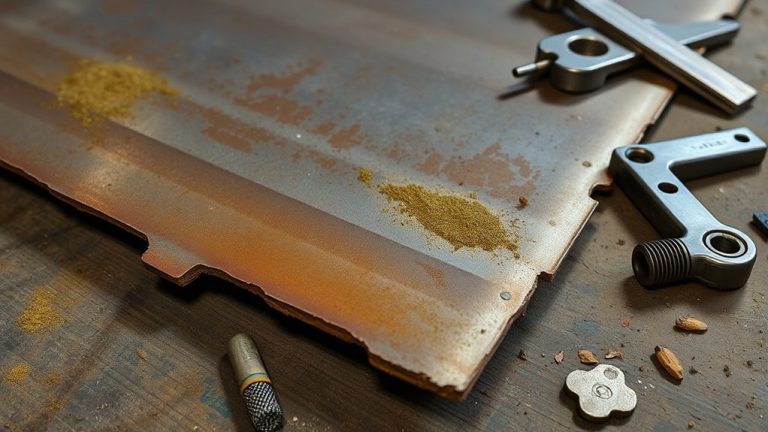
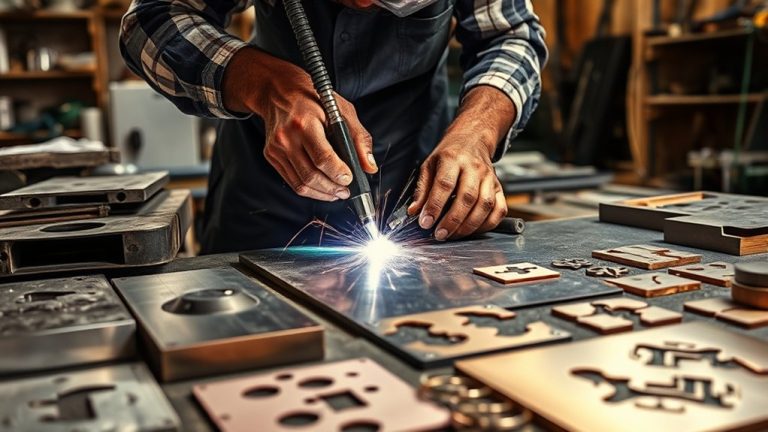
You might be intrigued by the efficiency of plasma cutting, especially when you evaluate its energy consumption, speed, and cost. Plasma cutting offers a compelling mix of low operational costs, averaging $15 per hour, while providing impressive cutting speeds for materials up to 50 mm thick. By adjusting amperage and voltage, you can achieve substantial energy savings—7.2 kWh at 30A versus 19.2 kWh at 80A. This efficiency might just redefine your expectations of cutting technology.
Understanding the Plasma Cutting Process
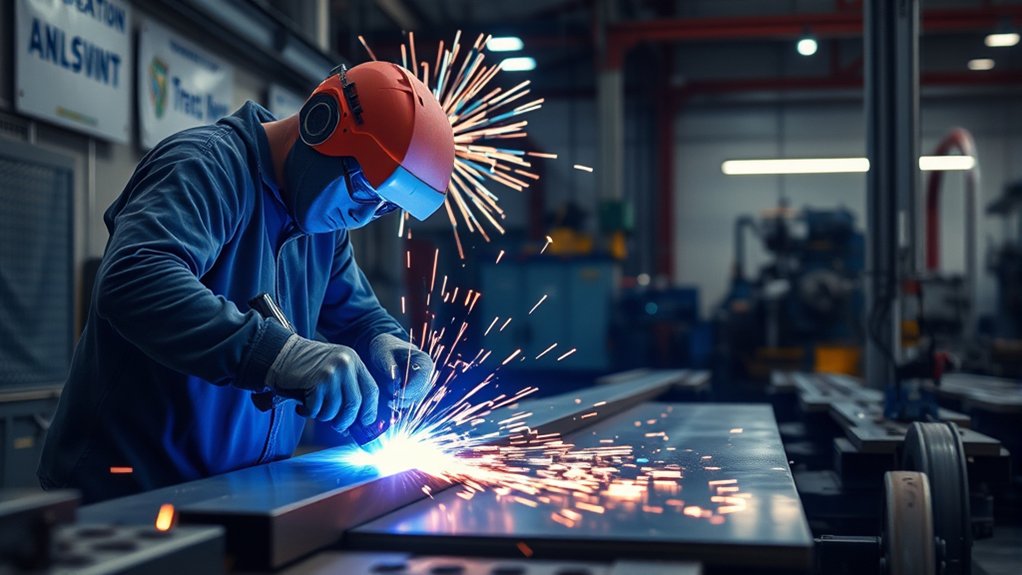
Although the intricacies of plasma cutting may seem complex at first glance, understanding the fundamental process reveals its remarkable efficiency.
Plasma cutting involves the ionization of gas, creating a highly conductive plasma state capable of melting through electrically conductive materials like steel and aluminum. With temperatures reaching up to 20,000°C, this process efficiently tackles cutting applications up to 50 mm thick, producing clean edges and minimizing dross formation through high-velocity plasma jets.
The ionized gas in plasma cutting melts through steel and aluminum, creating clean edges with high precision.
To maintain peak performance, equipment maintenance is essential. Regular checks guarantee that the electric arc’s power consumption—ranging from 7.2 kWh to 19.2 kWh based on voltage and amperage settings—remains efficient.
Additionally, integrating automation and CNC technology into your operations enhances cutting precision and reduces material waste, leveraging the full potential of plasma cutting. By understanding these aspects, you can fully grasp the efficiency and effectiveness inherent in plasma cutting processes.
Science Behind Ionized Gas and Plasma State
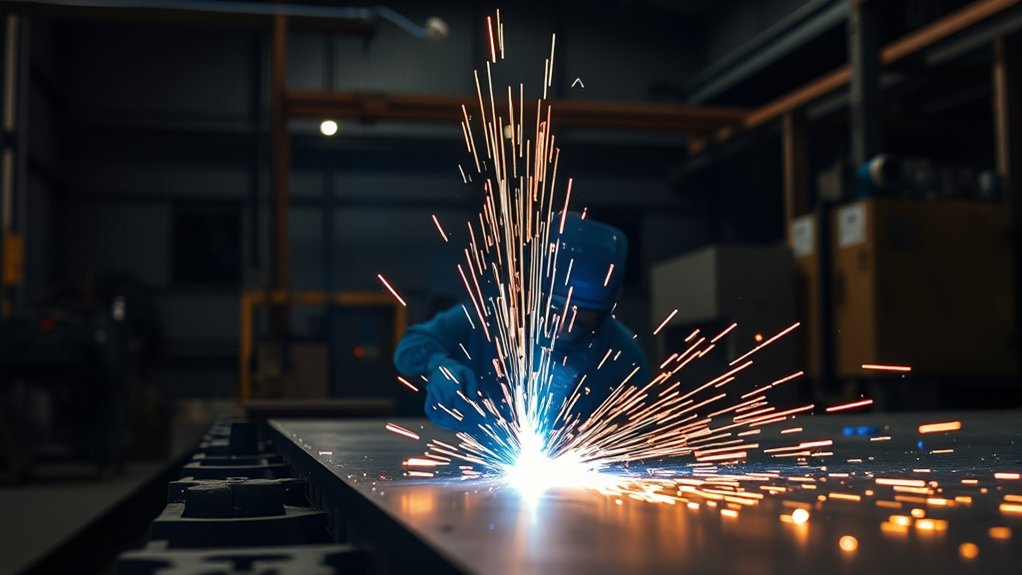
When delving into the science behind ionized gas and the plasma state, it is vital to recognize how this transformation underpins the efficiency of plasma cutting. The ionization process involves energizing a gas, often compressed air, to create plasma, a highly conductive state. This plasma reaches temperatures up to 20,000°C, enabling it to efficiently melt and cut through conductive materials like steel or aluminum.
The plasma cutter’s electric arc transfers heat directly to the metal, where high-velocity plasma jets eject the molten material, ensuring clean and precise cuts. Energy consumption, influenced by voltage and amperage settings, directly affects cutting speed and efficiency. Ideal settings are important for maximizing energy efficiency and achieving desired results.
| Factor | Description |
|---|---|
| Ionization Process | Energizes gas to create conductive plasma |
| Plasma Temperature | Reaches up to 20,000°C |
| Conductive Materials | Efficiently cuts through metals like steel |
| Electric Arc | Transfers heat to metal for cutting |
| Energy Efficiency | Dependent on voltage and amperage settings |
Key Factors Influencing Power Consumption
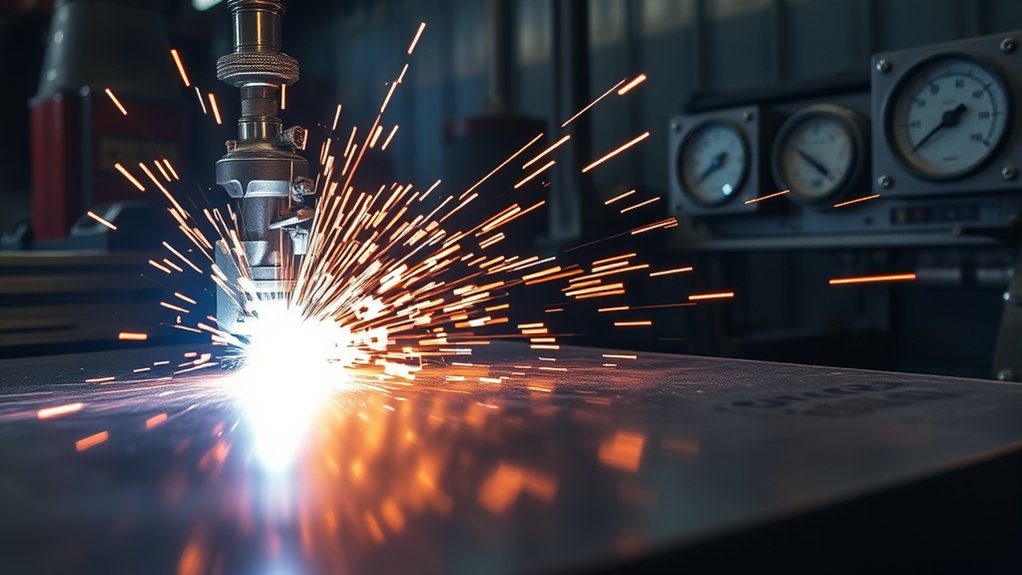
When you adjust the amperage and voltage settings on a plasma cutter, you’re directly affecting its power consumption, with higher settings increasing energy usage.
Material properties, such as the type and thickness of the metal, also play a significant role, requiring more energy for denser or thicker materials.
Amperage and Voltage Impact
Understanding the impact of amperage and voltage on plasma cutting efficiency is essential for optimizing power consumption. You need to carefully select amperage settings and engage in voltage optimization to balance energy use and cutting performance.
Higher amperage increases cutting speed but also boosts energy consumption. For instance, a plasma cutter at 30A and 120V uses around 7.2 kWh over two hours, whereas one at 80A and 240V consumes approximately 19.2 kWh in just one hour. This illustrates that higher settings, although faster, incur greater power costs.
Material Properties Influence
As you optimize amperage and voltage settings for efficient plasma cutting, it’s equally important to contemplate how material properties influence power consumption. Material thickness and thermal conductivity directly affect power settings and energy efficiency. Thicker materials demand increased amperage and voltage, escalating energy use. For conductive metals like steel, their thermal conductivity and melting point necessitate precise power settings to optimize cutting speed and efficiency.
| Material Types | Power Consumption Factors |
|---|---|
| Conductive Metals | Higher thermal conductivity |
| Non-Conductive | Lower power requirements |
| Thicker Materials | Increased amperage and voltage |
Optimizing cutting speed based on material type and thickness is essential. While faster speeds generally reduce energy use, they must be balanced with cut quality. The choice of an external compressor can further impact power consumption, making internal setups preferable for energy efficiency.
Real-World Energy Measurement Techniques
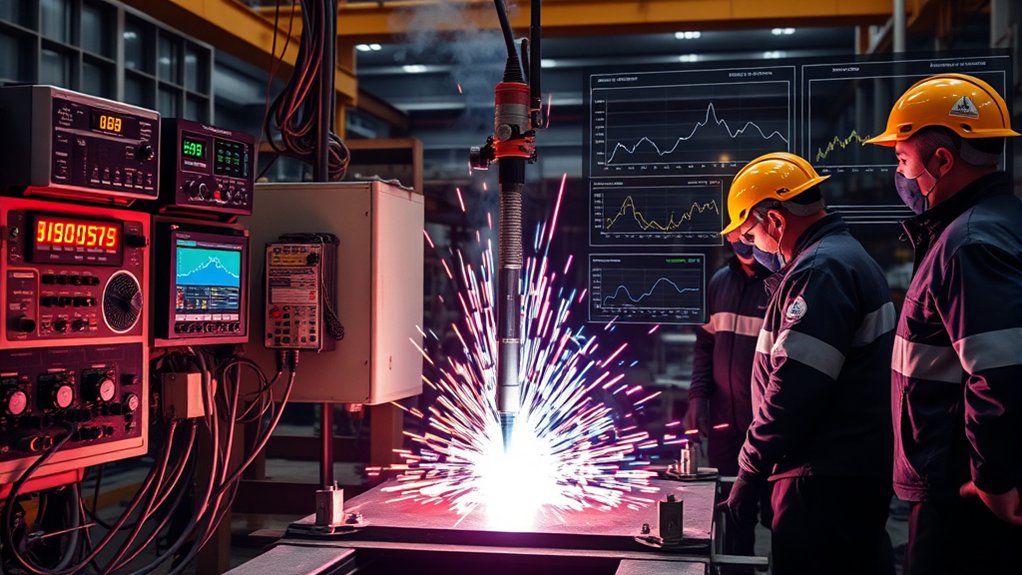
To accurately gauge the efficiency of plasma cutting, you must calculate power consumption using the formula: Power (watts) = Voltage × Current × Time.
By analyzing energy costs with precise data, such as 7.2 kWh for a 30A at 120V operation over 2 hours, you can better assess operational expenses.
Don’t overlook idle time and duty cycle factors, as they critically influence overall energy use and cost-effectiveness in real-world applications.
Calculating Power Consumption
When you’re diving into the intricacies of plasma cutting, calculating power consumption is essential for evaluating efficiency and cost. Understanding the formula: Power (watts) = Voltage × Current × Time, helps you assess energy use accurately. For instance, operating at 30A and 120V for 2 hours results in 7.2 kWh, while 80A at 240V for 1 hour consumes 19.2 kWh. This data-driven approach highlights power efficiency and potential energy savings. Remember to factor in idle power consumption and duty cycle, as these greatly impact overall energy use.
| Current (A) | Voltage (V) | Energy (kWh) |
|---|---|---|
| 30 | 120 | 7.2 |
| 80 | 240 | 19.2 |
| 50 | 200 | 10 |
| 60 | 220 | 13.2 |
Monitoring and optimizing settings can further reduce energy consumption.
Analyzing Energy Costs
After calculating power consumption, it’s important to apply this knowledge to real-world energy cost analysis. By focusing on energy efficiency, you’ll uncover potential operational savings.
Here’s a breakdown for clear visualization:
- Voltage and Amperage Settings: Cutting at 30A and 120V for 2 hours results in 7.2 kWh, while 80A and 240V for 1 hour consumes 19.2 kWh. Adjust settings to optimize energy use.
- Real-time Monitoring: Implement real-time power tracking to spot inefficiencies and reduce costs.
- Duty Cycle Management: Properly managing duty cycles prevents unnecessary energy expenditure.
- Compare Energy Costs: Regularly analyze energy bills to identify areas for savings.
Utilizing these analytical techniques guarantees that your plasma cutting operations remain cost-effective and energy-efficient, ultimately driving down expenses.
Impact of Idle Time
Although often overlooked, idle time in plasma cutting can greatly inflate your energy costs. Plasma cutters draw power even when idle, contributing to overall energy use.
To fully grasp this, apply the formula: Power (watts) = Voltage × Current × Time. Consider a scenario where a plasma cutter operates at 30A and 120V. If it idles for two hours, significant energy consumption accumulates.
Monitoring idle times is essential. Implement strategies like shutting down machines when not in use to achieve energy savings. Real-world energy measurements must include both cutting and idle times to thoroughly assess the plasma cutter’s operational efficiency.
Comparing Plasma Cutters and Other Tools
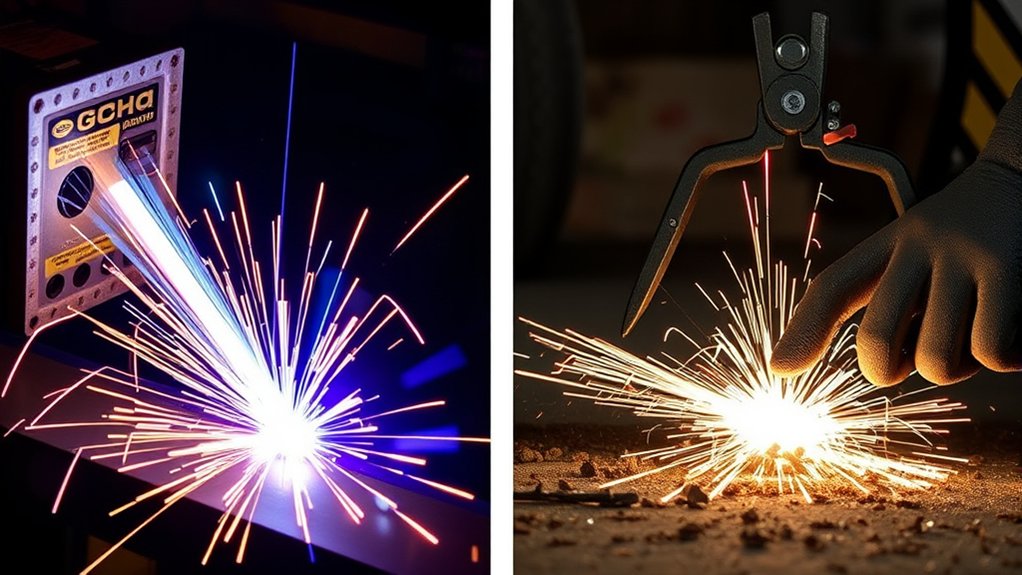
Plasma cutters stand out concerning energy efficiency and cost-effectiveness, especially when compared to other cutting tools like oxy-fuel and laser systems.
When analyzing plasma cutter advantages, consider the following data-driven insights:
- Operational Costs: Plasma systems generally operate at around $15/hour, considerably lower than oxy-fuel systems, which tend to incur higher costs.
- Energy Efficiency: Plasma cutters are more energy-efficient for thinner materials, while also excelling in cutting thicker materials (up to 38 mm) compared to laser cutters.
- Precision & Speed: Although laser cutters offer superior precision and speed, they require a higher initial investment and have operational costs approximately $20/hour, making them less economical for certain applications.
- Slag Generation: Plasma cutting generates more slag than laser cutting, increasing cleanup labor costs, but these are often offset by its lower operational expenses.
Analyzing these factors, plasma cutters prove to be a robust option concerning both performance and cost.
Strategies for Optimizing Energy Use
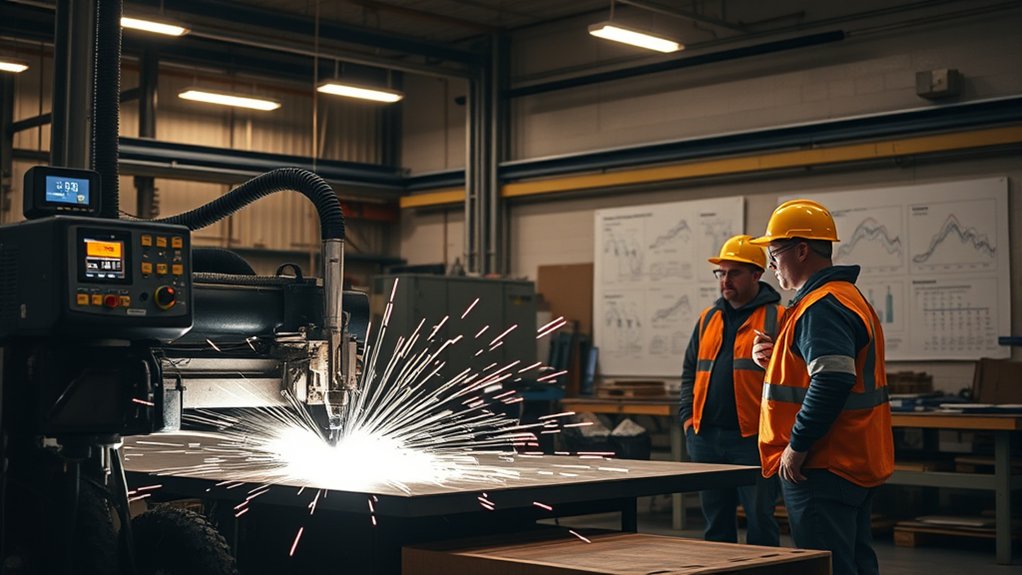
To optimize energy use in plasma cutting, focusing on equipment settings and maintenance practices is essential. Begin with a thorough energy audit to identify inefficiencies. Selecting the appropriate amperage and voltage settings directly reduces energy waste, enhancing overall efficiency.
Additionally, regular maintenance—such as replacing worn nozzles and checking for leaks—ensures your plasma cutter operates at peak energy efficiency. Investing in advanced plasma cutters equipped with energy-saving features can further decrease operational costs and electricity consumption.
Implementing operational guidelines, like shutting down machines when idle and planning cutting paths carefully, minimizes unnecessary energy use. Furthermore, utilizing nesting software maximizes material utilization, reducing waste and promoting efficient energy use.
Training and Safety Considerations

When it comes to plasma cutting, thorough training is essential for ensuring both ideal performance and safety. As an operator, you should pursue certification that emphasizes machine setup, calibration, and maintenance. Mastery in these areas will enhance cut quality and machine lifespan.
Here’s what extensive training should cover:
- Consumable Handling: Learn the importance of proper handling of nozzles and electrodes to sustain consistent cut quality and minimize replacement frequency.
- Safety Protocols: Understand the necessity of protective gear to shield against harmful fumes, intense light, and excessive noise.
- Hazard Identification: Regularly identify potential hazards, especially electrical exposure and handling of compressed air.
- Equipment Maintenance: Although plasma machines need less maintenance than lasers, routine checks are crucial to prevent issues.
Environmental and Cost Benefits of Plasma Cutting
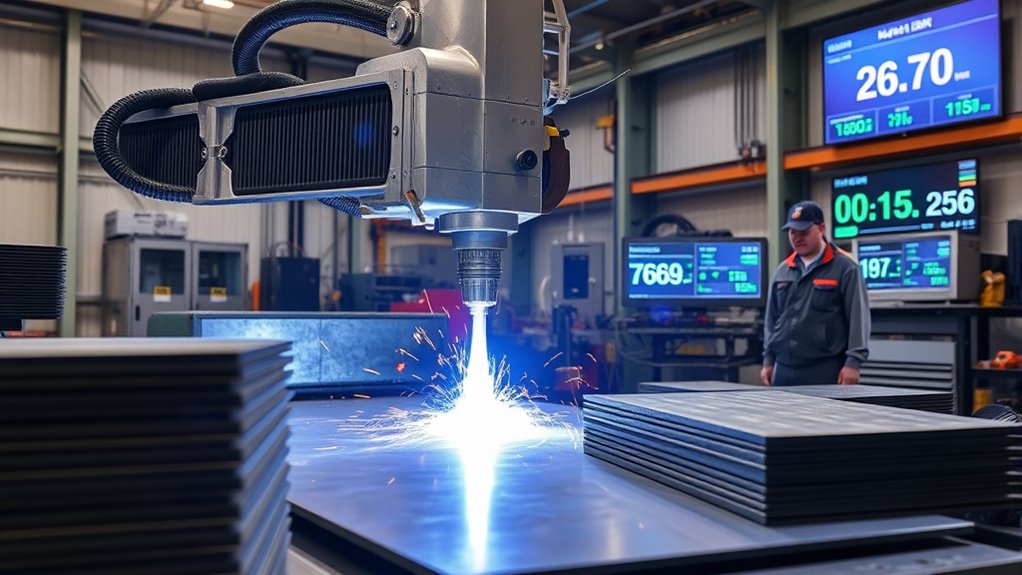
One of the primary advantages of plasma cutting lies in its cost-effectiveness and reduced environmental impact. You’ll notice plasma cutting typically incurs lower operational costs, averaging around $15 per hour. In contrast, oxy-fuel cutting can be more expensive due to higher gas consumption and longer cutting durations.
Plasma cutting also offers substantial cost savings in energy consumption. For instance, cutting at 30A and 120V for 2 hours results in approximately 7.2 kWh, whereas a high-power setting of 80A at 240V consumes about 19.2 kWh per hour.
From an environmental perspective, plasma cutting is more energy-efficient, especially for thicker materials, compared to laser cutting. This efficiency translates into sustainability benefits, as it often involves less power consumption, thereby minimizing greenhouse gas emissions.
Regular maintenance enhances these benefits, reducing downtime and operational costs, as well as ensuring ideal energy efficiency and cutting quality. Consequently, plasma cutting stands as a sustainable and cost-effective option.
Future Trends in Plasma Cutting Technology
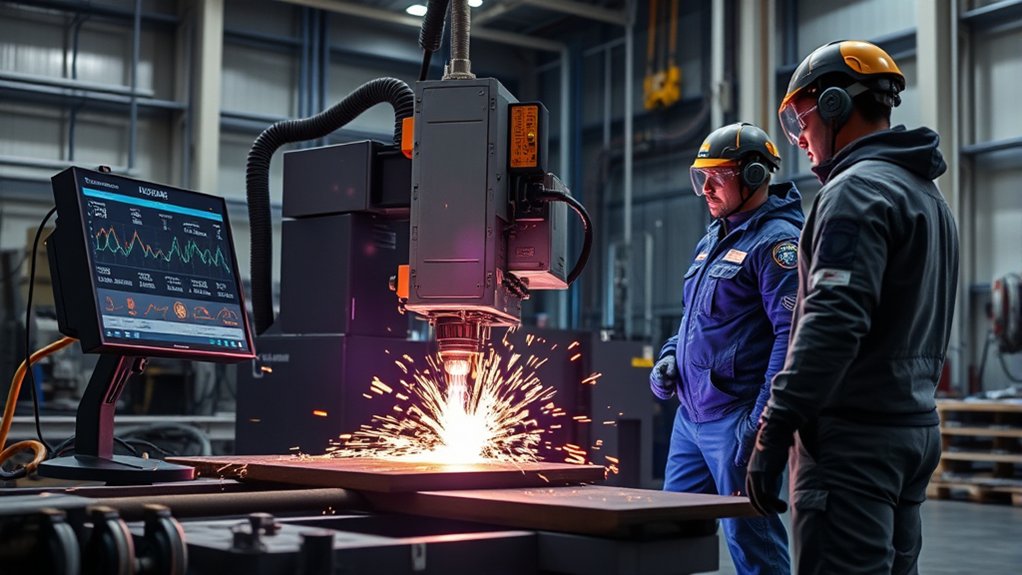
Building on the cost and environmental benefits of plasma cutting, the future of this technology is being shaped by significant advancements aimed at bolstering energy efficiency and cutting precision.
By focusing on key innovations, you can gain insights into the evolving landscape:
Gain insights into the evolving landscape by focusing on key innovations in plasma cutting technology.
- Smart Technology: Equipped with IoT, plasma systems now offer real-time monitoring and optimization, enhancing operational efficiency and reducing waste.
- Hybrid Systems: Combining plasma with laser or waterjet methods, these systems boost versatility and precision across varied materials, meeting diverse manufacturing needs.
- Alternative Gases: Efforts to develop less hazardous gases and plasma formulations are underway, creating safer work environments and supporting sustainable practices through reduced emissions.
- Automation Benefits: Integrating automation and robotics, particularly cobots, into plasma cutting processes enhances production speed and accuracy, addressing labor shortages and improving manufacturing efficiency.
Each of these trends underscores a commitment to energy efficiency and sustainable progress in plasma cutting technology.
Frequently Asked Questions
What Types of Metals Can Plasma Cutting Effectively Work On?
Imagine a sword cutting through darkness; that’s how plasma cutting handles metals. You can efficiently cut aluminum alloys, stainless steel, copper materials, and carbon steel with precision. It’s a versatile technique, targeting a range of conductive metals.
How Does Plasma Cutting Handle Intricate Designs or Shapes?
You’ll find plasma cutting excels in design precision, allowing you to create intricate patterns with ease. It efficiently handles complex shapes thanks to its focused high-temperature arc, ensuring minimal material distortion and exceptional detail accuracy.
Are There Specific Maintenance Requirements for Plasma Cutters?
Think of a plasma cutter as a well-tuned orchestra. To maintain plasma efficiency, you must regularly inspect consumables, clean torch parts, and guarantee proper gas flow. These maintenance tips considerably reduce downtime and operational costs.
Can Plasma Cutting Be Used in Underwater Environments?
Yes, you can use plasma cutting in underwater applications. Plasma technology efficiently pierces through metal underwater by maintaining a stable arc. Guarantee proper equipment and settings to handle cooling and conductivity challenges for peak performance.
How Does Plasma Cutting Affect the Structural Integrity of Materials?
Plasma cutting can impact structural integrity by causing heat affected zones and potential material distortion. You should analyze material properties and thickness, as excessive heat may weaken specific areas, leading to compromised strength or dimensional inaccuracies in the final product.
Conclusion
You’ll find plasma cutting to be a powerhouse in efficiency, blending speed, energy savings, and cost-effectiveness like no other. By adjusting settings, you can slice through materials with precision while keeping your energy bills from skyrocketing. Imagine a knife through butter—that’s the kind of clean cut you achieve. With industry trends leaning towards even greater advancements, embracing plasma cutting is like having a secret weapon in your toolkit, making it the preferred choice for savvy operators.