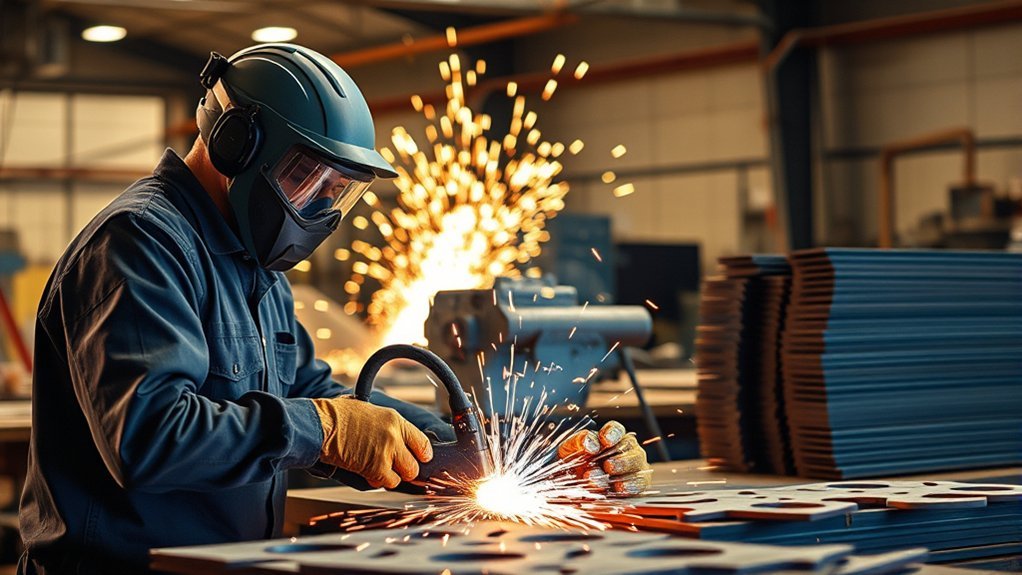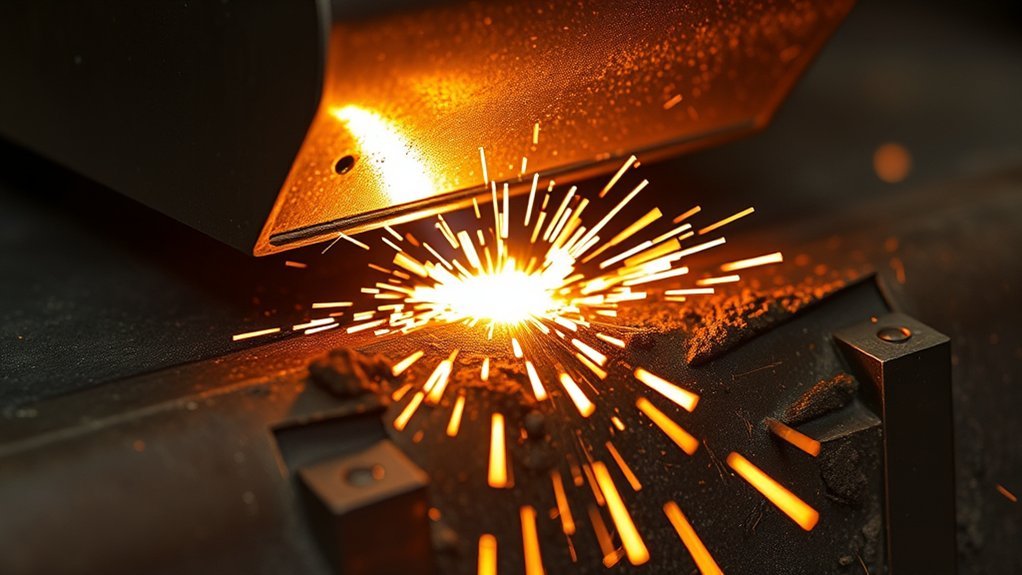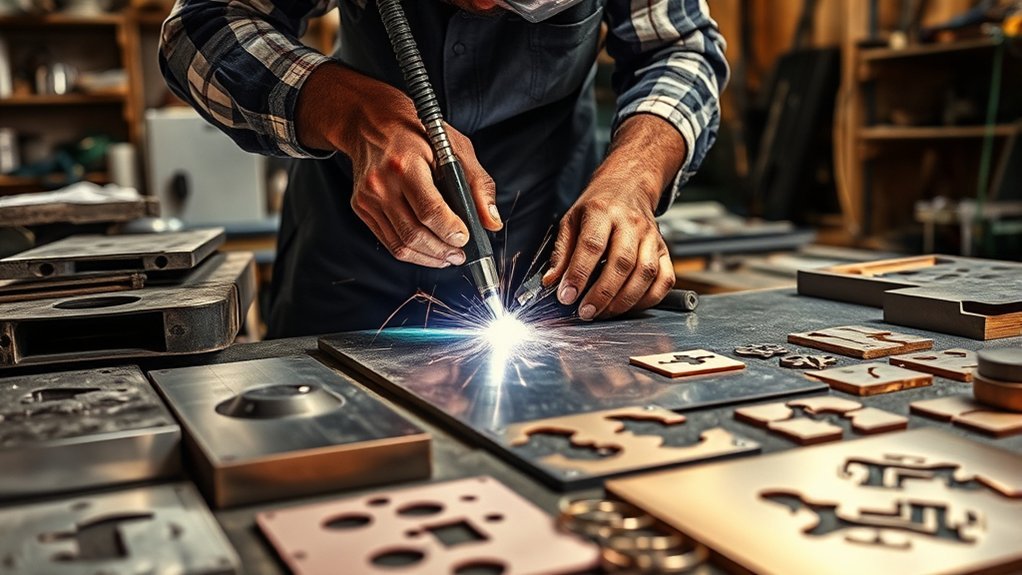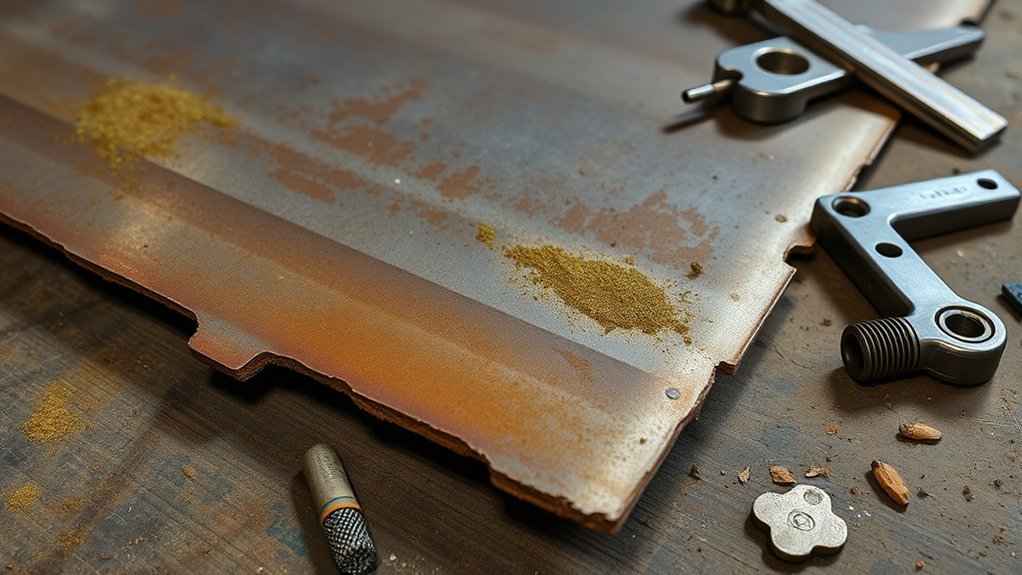
Plasma cutting is fast, flexible, and useful for many metal-fabrication jobs, but it is not perfect. The main disadvantages of plasma cutting are dross, slight edge bevel, heat-affected metal near the cut, consumable wear, noise, fumes, and extra cleanup when the settings are not dialed in. If you understand these limits before you cut, you can choose the right process, reduce rework, and avoid unsafe shop conditions.
Quick Answer
The biggest disadvantages of plasma cutting are dross on the cut edge, slight bevel instead of a perfectly square edge, a heat-affected zone, consumable replacement costs, noise, fumes, and setup sensitivity. These issues are manageable, but they can add grinding, fitting, ventilation, and safety costs to the job.
Key Takeaways
- Dross and bevel are the most common cut-quality problems, especially when speed, amperage, air pressure, or torch height is wrong.
- Heat input can change the edge of the material, so thin sheet and precision parts need careful settings.
- Consumables, electricity, compressed air, and cleanup can make the real operating cost higher than the machine price suggests.
- Safety controls matter because plasma cutting produces arc light, sparks, hot metal, fumes, and noise.
Understanding Dross Formation
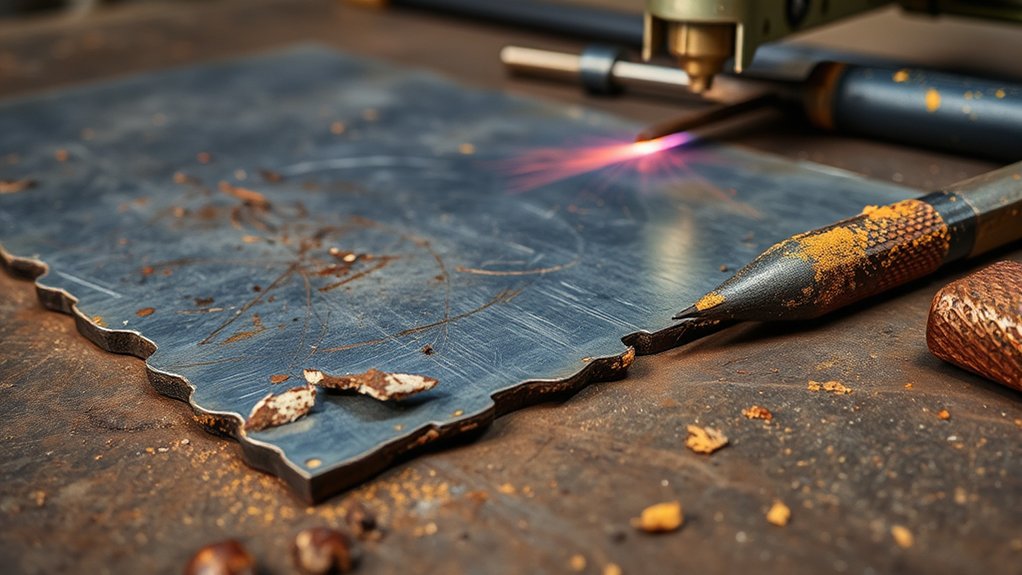
Dross is solidified molten metal that sticks to the top or bottom edge of a plasma cut. It is one of the most visible disadvantages of plasma cutting because it often means extra grinding, scraping, sanding, or chipping before the part is ready for welding, painting, or assembly.
Dross is usually a setup problem, not just a plasma problem. Speed, amperage, air quality, torch height, and consumable condition all affect how clean the cut edge will be.
Low-speed dross often forms as a thick, easy-to-remove bead on the bottom of the cut. High-speed dross is usually harder and more stubborn because the arc does not have enough time to fully clear the molten metal from the kerf. Top spatter can also show up when the torch is too high, the pierce height is wrong, the metal surface is dirty, or the air supply is wet.
To reduce dross, start with the cut chart for your plasma cutter, then adjust one setting at a time. Check travel speed, amperage, air pressure, torch height, and work clamp contact. A worn nozzle or electrode can also widen the arc and leave a rougher edge.
Pro Tip: If the bottom edge has heavy dross, make a short test cut before changing the whole program. Increase or decrease travel speed in small steps, then inspect the bottom edge, kerf width, and bevel before cutting the final part.
Impact of Bevel Angles
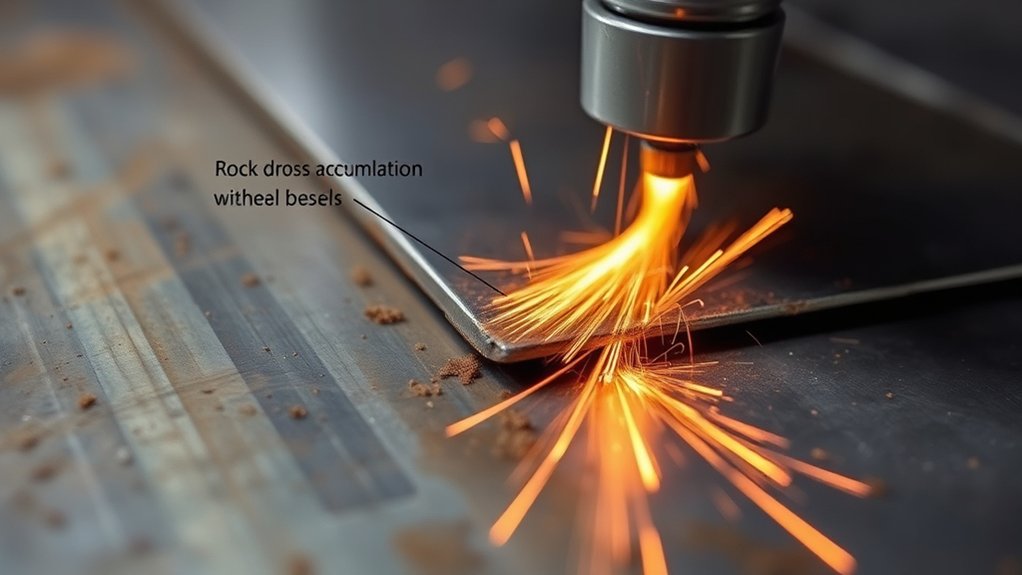
Plasma cutting does not always leave a perfectly square edge. The kerf is often slightly wider at one face of the plate than the other, which creates a small bevel. For brackets, art panels, rough fabrication, and many repair jobs, this may not matter. For precision-fit parts, tight weld prep, or machined assemblies, even a small bevel can cause gaps or misalignment.
Cut edge angle depends on the torch design, consumables, gas flow, material thickness, cutting direction, amperage, speed, and standoff distance. On CNC tables, torch height control can reduce the problem, but it cannot make every cut behave like a milled edge.
Precision Challenges in Beveling
Bevel becomes a bigger problem when you cut thick plate, small holes, slots, tabs, or parts that must fit together with little clearance. If the edge angle changes from one side of the part to the other, the part may measure correctly at the top face but not at the bottom face.
This is why plasma-cut parts sometimes need secondary machining, grinding, filing, or edge prep. The closer the part is to a finished mechanical component, the more you need to check the cut edge instead of trusting the drawing alone.
Bevel Angle Adjustment Necessities
You can reduce bevel by using the right consumables, correct amperage, clean dry air, proper torch height, and a travel speed that matches the material thickness. On CNC equipment, use the manufacturer’s cut charts and keep the torch square to the plate unless you are intentionally cutting a weld-prep bevel.
Cut direction also matters. Many plasma torches have a better side and a scrap side because of gas swirl. If the finished part edge looks worse than the drop edge, reverse the cutting direction or check the torch setup.
Exploring the Heat-Affected Zone (HAZ)
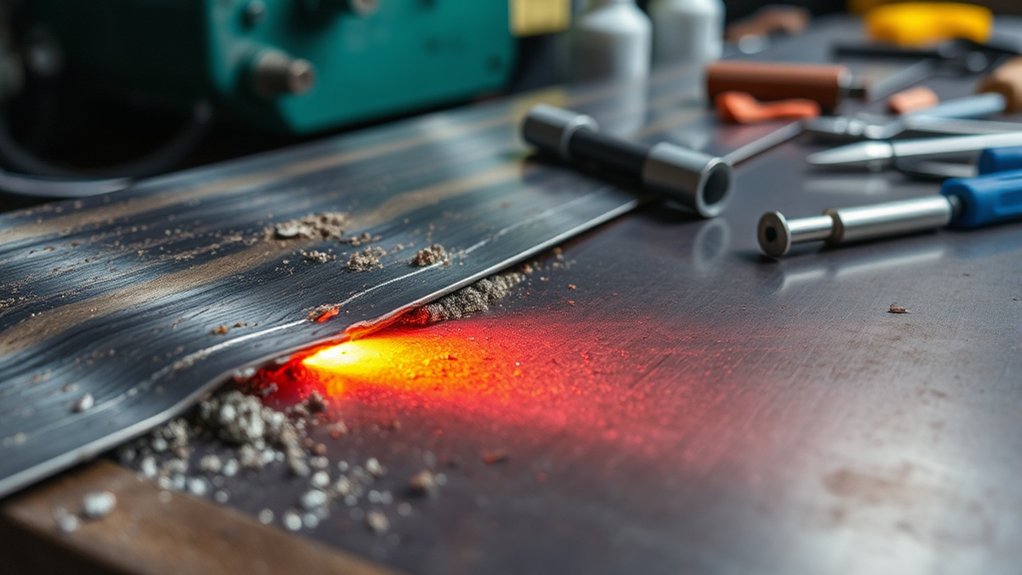
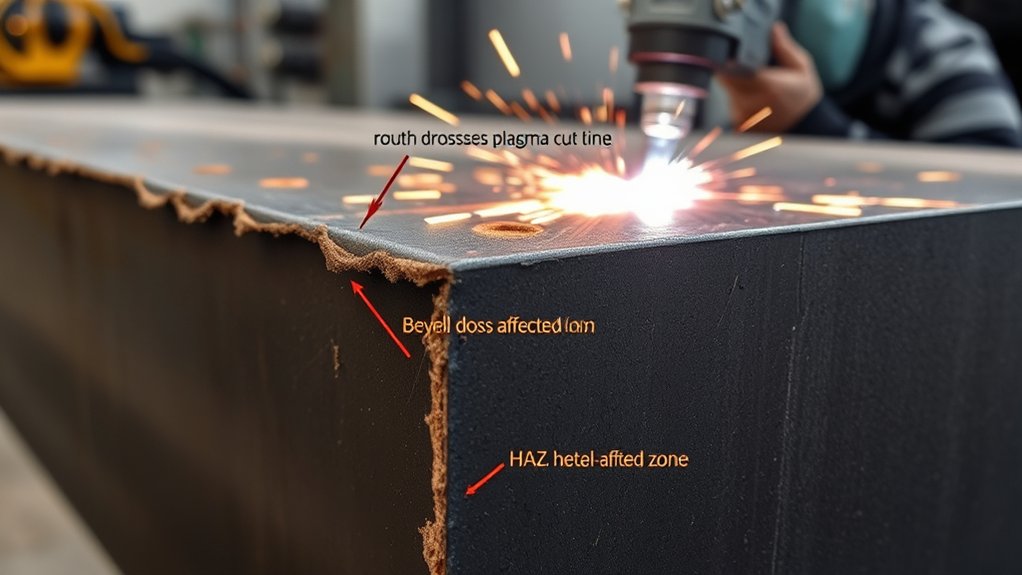
The heat-affected zone, or HAZ, is the area next to the cut where heat can change the metal without fully melting it. Plasma cutting has a narrower HAZ than many slower hot-cutting methods, but it still adds heat. This can matter on thin sheet, hardened steel, parts that will be bent, and work that needs a clean cosmetic edge.
Too much heat can cause warping, edge hardening, discoloration, or local changes in strength and ductility. Thin sheet is especially sensitive because it heats quickly and has less mass to absorb the heat.
- Material properties: Heat can change hardness, toughness, or ductility near the cut edge.
- Thin material: Sheet metal can warp if the cut is slow or the part has narrow features.
- Cutting parameters: Speed, amperage, pierce delay, and torch height all affect heat input.
- Precision impact: Excessive heat can make parts harder to fit, weld, or finish.
- Mitigation: Use correct settings, sequence long cuts carefully, and let parts cool naturally when needed.
Note: Plasma cutting is still a thermal process. If the part cannot tolerate heat, consider waterjet, shearing, sawing, or machining instead.
Materials and Thickness Limitations
Plasma cutting works on electrically conductive metals, such as mild steel, stainless steel, aluminum, brass, and copper. It does not work well on non-conductive materials such as wood, plastic, glass, ceramic, rubber, or stone because the process needs an electrical path through the workpiece.
Material thickness also changes the result. Thin sheet can warp. Thick plate can show more bevel, slower cut speeds, wider kerf, and more cleanup. Aluminum and stainless steel can be cut, but they may require cleaner settings, good air or gas control, and more attention to edge quality than plain mild steel.
If your project requires a very narrow kerf, a polished edge, no heat tint, or no thermal distortion, plasma may not be the best choice. Laser cutting, waterjet cutting, machining, punching, or shearing may give a better finish depending on the material and tolerance.
Setup Factors That Cause Poor Plasma Cuts
Many plasma cutting problems come from setup rather than the machine itself. Before blaming the cutter, check the basics. A good plasma cut needs a stable arc, clean air, correct consumables, and a steady torch path.
| Problem | Likely Cause | What to Check |
|---|---|---|
| Heavy bottom dross | Speed too slow or amperage too high | Run a test cut and adjust speed first |
| Hard high-speed dross | Speed too fast or arc lag too high | Slow the travel speed slightly |
| Wide kerf or rough edge | Worn nozzle or wrong torch height | Inspect consumables and standoff |
| Arc sputter or unstable cut | Wet air, poor ground, or low pressure | Drain compressor, check filters, clean clamp point |
Maintenance Requirements for Plasma Cutting Machines
Plasma cutters need regular maintenance to keep cut quality consistent. The torch, air system, ground path, leads, and consumables all affect the arc. If any of these are worn, dirty, loose, or contaminated, the machine may still cut, but the edge quality will suffer.
Start by inspecting and replacing consumables such as electrodes, nozzles, swirl rings, shields, and retaining caps according to the manufacturer’s guide. Look for an out-of-round nozzle or a deep electrode pit. Either one can make the arc wander and increase bevel, dross, and kerf width.
Clean internal components, check cable damage, confirm air pressure, and drain moisture from the compressor system. Moisture and oil in the air supply shorten consumable life and make cuts rougher. On CNC tables, check torch height control, table slats, grounding, and motion smoothness.
Products Worth Considering

Fit for: IPT45 IPT53 IPT60 Plasma cutter torch head and Bestarc BTC500XP, BTC650XP, BTC800XP, CUT55XP, CUT60XP, Also fit other Model CUT-65DS PRO CUT-60DS PRO, CUT-55DS PRO

Crafted from high-quality durable materials, copper components offer excellent electrical conductivity and heat resistance, stable for high-frequency, high-intensity cutting. .045"/1.1 aperture ideal for 50-60A current.

Package Include: 5 Shield Cups, 20 Nozzles .045", 5 Wire Spacer Guides, and 20 Electrodes.
Consumable Replacement and Costs
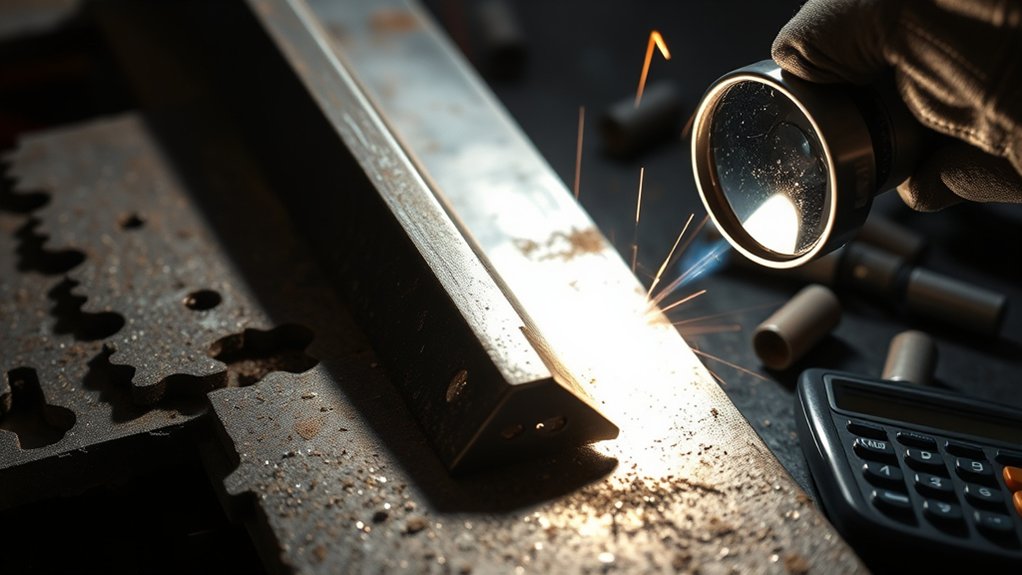
Consumables are a normal operating cost in plasma cutting. Electrodes and nozzles wear because the arc is hot and concentrated. Shields, retaining caps, and swirl rings can also wear or become damaged. The cost depends on the torch brand, amperage, cut quality level, and whether the setup is handheld or mechanized.
Consumables are not the only cost. You also need to account for compressed air, electricity, fume extraction, grinding discs, cleanup time, and scrap from bad cuts. For small shops, these costs can matter as much as the price of the cutter.
- Material type and thickness: Thicker or harder jobs usually wear consumables faster.
- Piercing frequency: Many pierces can reduce consumable life faster than long straight cuts.
- Air quality: Wet or oily air can damage the torch and reduce cut quality.
- Operator settings: Wrong amperage, speed, or standoff increases wear.
- Inventory planning: Keeping spare consumables prevents downtime in the middle of a job.
Products Worth Considering

Package Include: 10 Shield Cups, 50 Nozzles, 20 Swirl Baffle, and 30 Electrodes.

[Achieve Precise Cuts] PT31 Plasma Cutting Consumables – Your Essential Tool for Efficient Cutting! Whether you're working with sheet metal, steel, or any other material, superior cutting performance ensure clean, accurate, and smooth cuts.

High-Quality Material:Made of high quality material to ensure a longer lifespan and superior performance.
Challenges in Achieving Precision Cuts
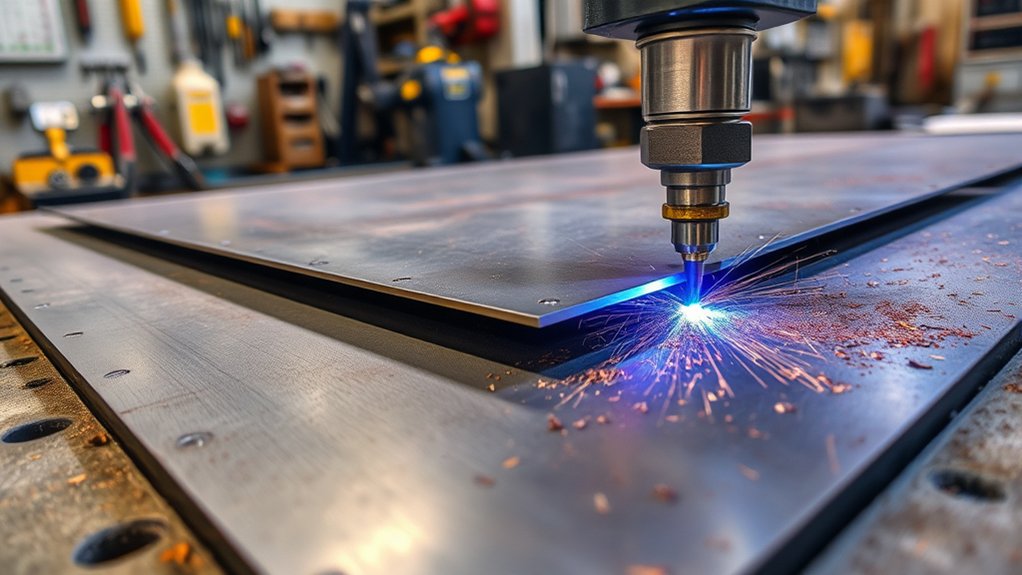
Plasma cutting can be accurate enough for many fabrication jobs, but it is not the same as machining or fine laser cutting. Dross, bevel, kerf width, heat input, and motion quality all affect the finished part. This is especially important for small holes, close-tolerance tabs, decorative cuts, and parts that must be welded with minimal gaps.
| Challenge | Practical Solution |
|---|---|
| Dross formation | Tune speed, amperage, air pressure, and torch height |
| Bevel angle | Use correct consumables, cut direction, and height control |
| Heat-affected zone | Control heat input and avoid slow cuts on thin material |
| Inconsistent cuts | Replace worn consumables and check grounding, air, and motion |
For high-precision work, always test on scrap from the same material and thickness. Measure the finished part after cutting, not just the tool path. If the job needs a machined edge, plan for secondary finishing or choose a different cutting method.
Safety Concerns and Compliance
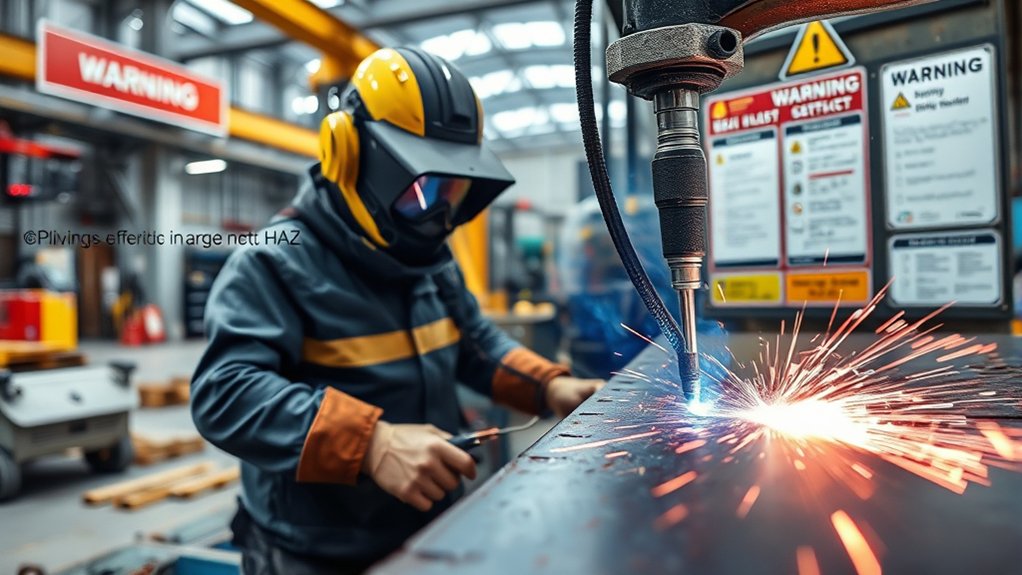
Plasma cutting creates intense arc light, sparks, hot metal, fumes, and noise. Treat it as hot work. Clear flammable materials, keep a suitable fire extinguisher nearby, protect nearby people from arc flash, and follow the safety instructions for your machine and workplace.
Warning: Never plasma cut closed containers, fuel tanks, drums, coated metals, or unknown materials unless they have been properly cleaned, identified, and approved for hot work. Vapors, coatings, and trapped pressure can create serious fire, explosion, or fume hazards.
For eye and face protection, follow OSHA eye and face protection guidance and your plasma cutter manual. OSHA lists minimum protective filter shades for plasma arc cutting based on current range. Use side protection, a proper face shield or helmet, and safety glasses where needed.
Noise and Fume Hazards
Plasma cutting can be loud, especially at higher amperage, with compressed air, on thick material, or inside a reflective shop space. OSHA’s occupational noise standard uses an 8-hour time-weighted average of 85 dBA as the action level for hearing conservation. If your exposure may meet or exceed that level, use proper monitoring and hearing protection under OSHA noise exposure requirements.
Fumes are also a serious concern. Cutting metal can release fine particles and metal fumes. Coatings, paint, galvanizing, stainless steel, and unknown alloys can increase risk. NIOSH explains that welding fumes are composed of metals and that exposure varies by material, process, and work conditions.
- Use local exhaust ventilation when possible.
- Keep your head out of the fume plume.
- Do not cut painted, galvanized, plated, or coated material without identifying the coating and using the right controls.
- Use a properly selected respirator only when ventilation and exposure assessment show it is needed.
- Take extra care in confined or poorly ventilated spaces.
Protective Gear Necessity
Basic plasma cutting PPE includes shaded eye and face protection, safety glasses, hearing protection when needed, flame-resistant clothing, leather gloves, closed-toe leather boots, and protection from sparks. Avoid synthetic clothing because sparks and hot metal can melt it into the skin.
| Hazard | Protective Equipment |
|---|---|
| Arc light and flying sparks | Proper shade lens, face shield or helmet, and safety glasses |
| Noise | Earplugs or earmuffs selected for the measured exposure |
| Burns and sparks | Flame-resistant clothing, leather gloves, and leather boots |
| Fumes | Local exhaust ventilation and, when required, a properly selected respirator |
Ventilation and Regulations
Ventilation is not optional when fumes can build up. OSHA welding, cutting, and brazing rules describe when mechanical ventilation is required and give guidance for local exhaust hoods and booths. In simple terms, do not rely on an open shop door if fumes are collecting near the operator or if the space is confined, obstructed, or poorly ventilated.
- Use local exhaust: Capture fumes close to the cut when practical.
- Watch confined spaces: Small or obstructed spaces can raise exposure quickly.
- Control coatings: Remove paint, oil, rust inhibitors, and unknown coatings when safe to do so.
- Maintain equipment: Service fans, filters, ducts, and extraction arms so airflow stays effective.
- Train operators: Make sure everyone knows the hazards, PPE, fire controls, and shutdown steps.
Noise and Fume Management
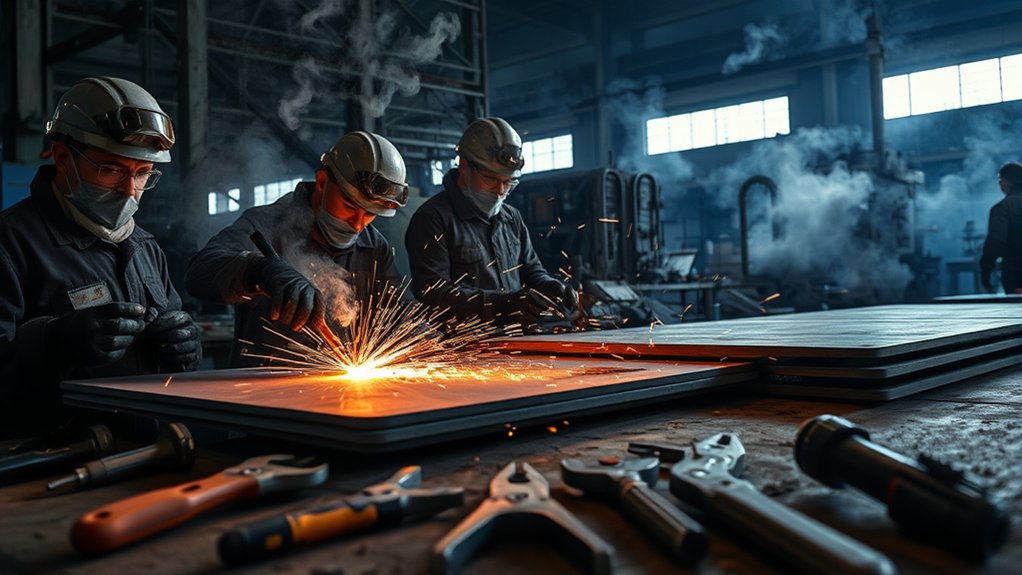
Good noise and fume management starts before the arc fires. Place the work in a ventilated area, position the extraction hood close to the cut, keep bystanders away from the arc, and choose hearing protection based on actual exposure. If you cut often, a shop noise check and fume assessment can prevent long-term problems.
For fumes, local exhaust ventilation is usually better than a fan blowing across the table. A fan may move fumes away from your face, but it can also spread them through the shop. Capture fumes near the source whenever possible.
For noise, do not guess. Plasma cutting sound levels vary by amperage, machine, compressor, material, and room shape. If workers need to raise their voices to talk at normal distance, that is a strong sign the shop needs a noise check and better hearing protection practices.
Energy Consumption Considerations
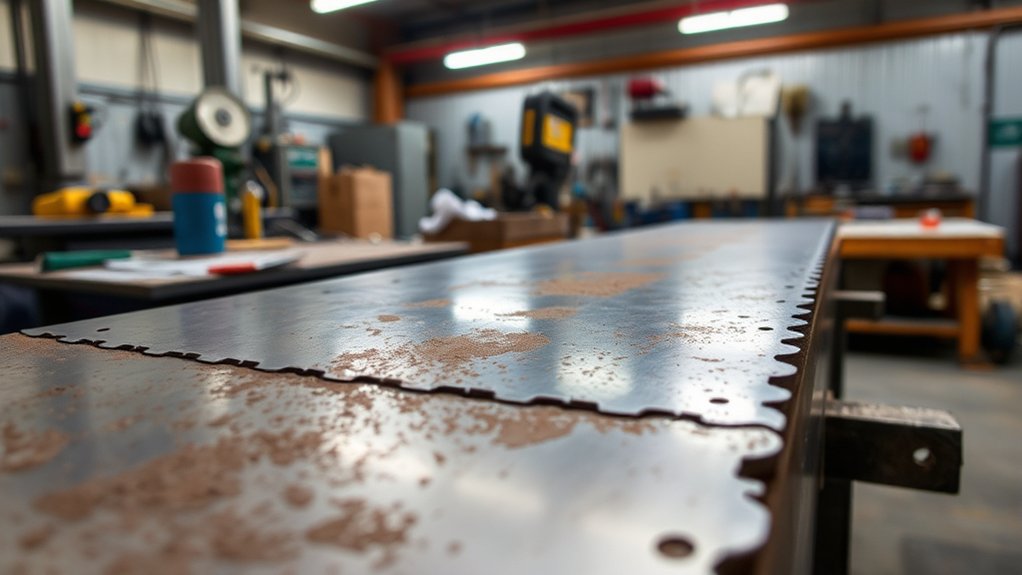
Plasma cutting uses electricity and compressed air, and many shops also run dryers, filters, CNC tables, water tables, lights, and fume extraction at the same time. High-power machines and long production runs can raise operating costs quickly.
For a small shop, the hidden cost is not only the cutter. You may need a larger electrical circuit, a stronger compressor, dry air filtration, replacement consumables, grinding tools, and ventilation. If you only cut occasionally, these support costs may affect whether plasma is the best investment.
- Electricity usage: Higher amperage and longer cuts use more power.
- Compressed air: The compressor may run often during long jobs.
- Air treatment: Dryers and filters protect the torch but add cost.
- Ventilation: Fume extraction may be required for safe operation.
- Rework: Grinding dross and correcting bad cuts adds labor time.
When Plasma Cutting Is Not the Best Choice
Plasma cutting is a strong choice for fast cuts in conductive metal, but another method may be better when the job needs a cleaner edge, tighter tolerance, less heat, or no secondary finishing.
| Use This Instead | When It May Be Better |
|---|---|
| Laser cutting | Fine detail, small holes, narrow kerf, and cleaner edges on thin to medium material |
| Waterjet cutting | No heat-affected zone, mixed materials, thick plate, or tight edge-quality needs |
| Oxy-fuel cutting | Very thick carbon steel where speed and edge finish are less important |
| Sawing or shearing | Straight cuts, low heat input, and simple shop work |
Frequently Asked Questions
How does plasma cutting compare to laser cutting in edge quality?
Laser cutting usually gives a narrower kerf, cleaner detail, and better small-hole quality on thin to medium material. Plasma cutting is often faster and more affordable for general metal fabrication, but it may leave more bevel, dross, and heat tint.
What materials are least suitable for plasma cutting?
Plasma cutting is least suitable for non-conductive materials such as wood, plastic, glass, ceramic, stone, and rubber. It can cut stainless steel and aluminum, but those materials may need better air or gas control and closer attention to cut quality.
How can plasma cutting affect the structural integrity of metal?
Plasma cutting can create a heat-affected zone near the cut edge. On some metals, this can change hardness, ductility, or edge behavior. The risk is higher with thin sheet, slow travel speed, poor settings, or parts that will later be bent, welded, or loaded.
Are there alternatives to plasma cutting for reducing operating costs?
Yes. Oxy-fuel may be cheaper for very thick carbon steel. Shearing or sawing can be cheaper for straight cuts. Waterjet avoids heat damage but usually costs more per hour. Laser cutting can reduce cleanup on precision sheet parts.
What advancements are improving plasma cutting technology?
Modern plasma systems use better CNC controls, torch height control, improved consumables, refined cut charts, nesting software, and higher-definition torches. These upgrades can reduce dross and improve consistency, but they do not remove the need for correct setup and maintenance.
Why does my plasma cutter leave so much dross?
Heavy dross usually comes from wrong travel speed, worn consumables, poor air quality, incorrect torch height, low air pressure, dirty metal, or a weak work clamp connection. Start with the manufacturer’s cut chart, then adjust speed in small steps.
Is plasma cutting safe indoors?
It can be safe indoors only when you control fire risk, arc light, fumes, noise, and ventilation. Use proper PPE, keep flammables away, use local exhaust ventilation when needed, and follow your machine manual and workplace safety rules.
Conclusion
Plasma cutting is useful because it is fast, versatile, and effective on many conductive metals. Its drawbacks are just as important to understand. Dross, bevel, heat-affected edges, consumable wear, fumes, noise, and energy use can all add cost or cleanup time. For rough fabrication and repair work, these trade-offs are often acceptable. For tight-tolerance parts, clean edges, or heat-sensitive material, compare plasma with laser, waterjet, sawing, shearing, or machining before you commit.
Sources
- OSHA 1910.133, Eye and Face Protection — filter lens and eye/face protection requirements for arc cutting hazards.
- OSHA 1910.95, Occupational Noise Exposure — 85 dBA action level, monitoring, hearing conservation, and hearing protector requirements.
- OSHA 1910.252, Welding, Cutting, and Brazing — ventilation and local exhaust guidance for welding and cutting operations.
- NIOSH, Welding Fumes and Manganese — metal fume exposure concerns and confined-space risk context.
- Cutting and Shield Gases Pressure Effects on Plasma Cutting Quality — technical reference for how plasma cutting parameters affect cut quality.