What’s in This Article
- Understanding the Heat-Affected Zone (HAZ)
- Addressing Noise and Fume Challenges
- Thickness Limitations in Plasma Cutting
- Considering Energy Consumption
- The Initial Investment and Skill Requirements
- Environmental and Safety Concerns
- Evaluating Alternatives for Optimal Cutting
- Frequently Asked Questions
- Conclusion
- References
Plasma cutting can make fast, clean cuts, but speed comes with trade-offs you can’t ignore. The process creates heat, noise, fumes, and power demands that can affect your shop, budget, and cut quality. This guide explains the main disadvantages of plasma cutting so you can decide when it fits your work and when another method makes more sense.
Quick Answer
The main disadvantages of plasma cutting include a wider heat-affected zone, loud noise, harmful fumes, high power use, and limited cut quality on very thick metal. It works well for many medium-thickness metals, but it can require more ventilation, safety gear, training, and post-cut cleanup than some alternatives.
Key Takeaways
- Plasma cutting can create a larger heat-affected zone than some precision cutting methods.
- You need strong ventilation and hearing protection because the process produces fumes and loud noise.
- Cut quality can drop on very thick materials, especially when you need smooth, precise edges.
- Power use, consumables, training, and setup costs can raise the true cost of plasma cutting.
- Laser, oxy-fuel, waterjet, and CNC machining may work better for some jobs.
Understanding the Heat-Affected Zone (HAZ)
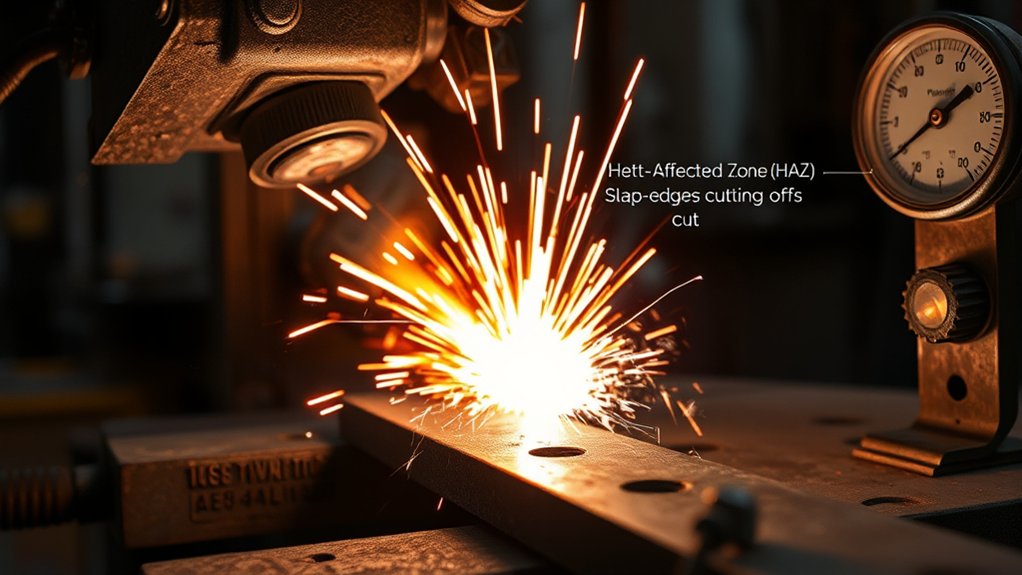
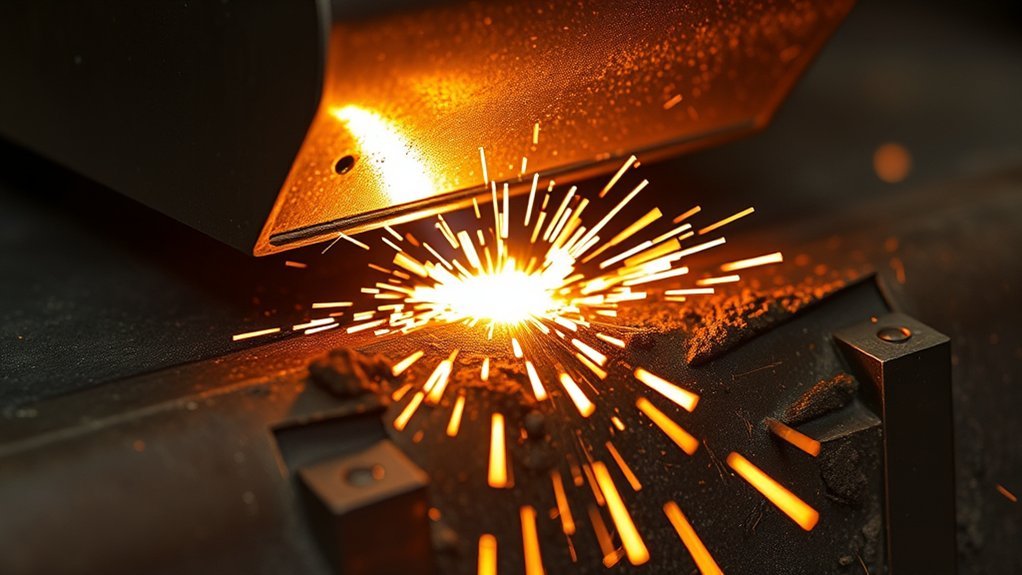
When you use plasma cutting, you need to understand the heat-affected zone (HAZ). The HAZ is the area near the cut where heat changes the metal’s structure or properties.
This heat can cause warping, edge hardening, or weaker areas near the cut. Thin metals can react more strongly because heat spreads through them quickly.
Plasma cutting can create a larger HAZ than laser or waterjet cutting, depending on the material, speed, amperage, and setup. Thicker materials often need more heat and slower travel, which can widen the affected area.
Careful setup helps reduce this problem. You can limit heat damage by using the right amperage, torch height, travel speed, and consumables for the material.
Products Worth Considering

[Achieve Precise Cuts] PT31 Plasma Cutting Consumables – Your Essential Tool for Efficient Cutting! Whether you're working with sheet metal, steel, or any other material, superior cutting performance ensure clean, accurate, and smooth cuts.

Package Include: 10 Shield Cups, 50 Nozzles, 20 Swirl Baffle, and 30 Electrodes.
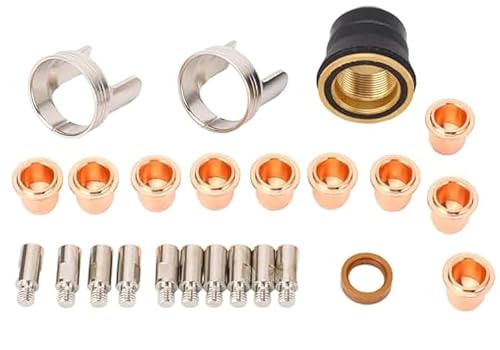
Comprehensive 24-Piece Set:Includes a robust assortment of essential IPT40 plasma cutting torch consumables, ensuring you have ample replacements on hand for continuous shop or field fabrication.
Addressing Noise and Fume Challenges
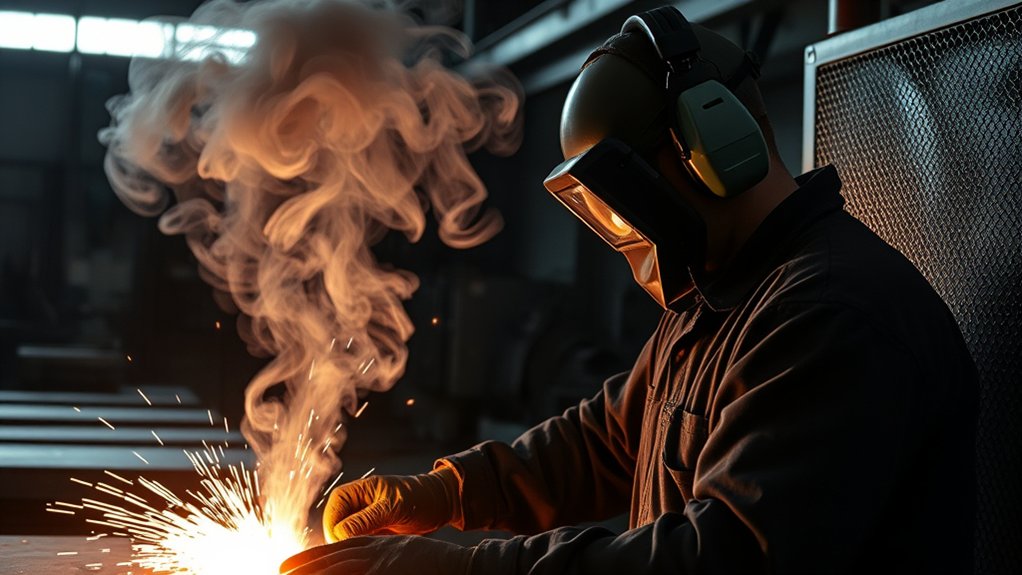
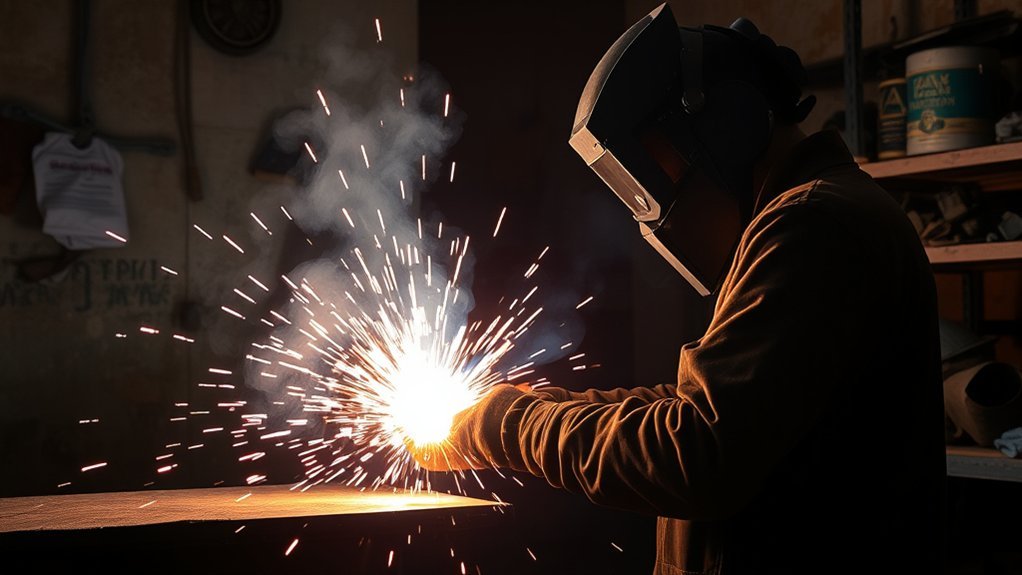
Plasma cutting creates loud noise, bright light, hot sparks, and metal fumes. You need a safe work area before you start cutting.
The Occupational Safety and Health Administration (OSHA) requires employers to protect workers from hazardous noise and airborne contaminants. You should use proper ventilation, hearing protection, eye protection, gloves, and fire-safe clothing.
Noise levels can exceed safe exposure limits, especially in enclosed shops. A loud plasma cutter can damage hearing over time if you don’t use rated earplugs or earmuffs.
Warning: Never cut coated, painted, or unknown metals without checking the material and using proper fume control.
Ventilation Requirements
Plasma cutting can release fumes, fine particles, ozone, and nitrogen oxides. These hazards can build up fast in a small or poorly ventilated area.
You should use local exhaust ventilation, fume extraction, or an approved downdraft table when the job calls for it. Good airflow pulls fumes away from your breathing zone and helps protect air quality.
Respirators can help in some settings, but they don’t replace proper ventilation. Choose respiratory protection based on the material, coating, exposure level, and safety rules in your workplace.
Hearing Protection Essentials
Plasma cutting can expose you to harmful sound levels. You should use hearing protection that matches the noise level in your shop.
High-quality earplugs or earmuffs can reduce damaging sound while you work. Fit matters, so check that the protection seals well and stays comfortable during long jobs.
Noise control should also include the workspace. Barriers, sound-damping materials, and good machine maintenance can help reduce exposure.
Thickness Limitations in Plasma Cutting
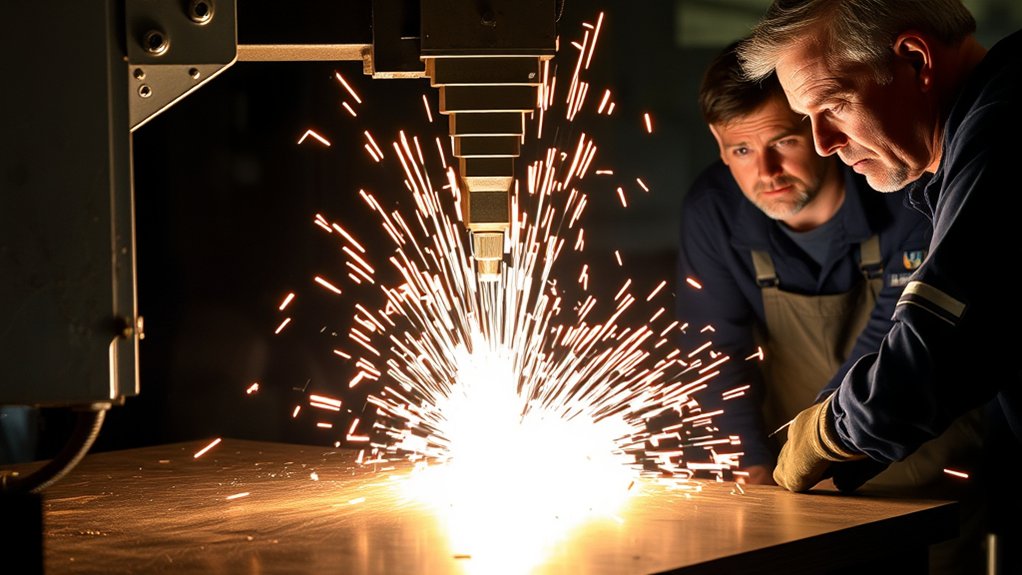
Plasma cutting works best within the thickness range your machine can handle. Many systems can cut mild steel, stainless steel, and aluminum, but clean cut capacity varies by model.
Cut quality often drops as metal gets thicker. You may see wider kerfs, more dross, rougher edges, and slower cutting speeds.
Plasma cutting works best when the material thickness matches the cutter’s rated clean-cut capacity.
Some industrial plasma systems can cut thicker sections than small shop machines. Still, oxy-fuel cutting often works better for very thick carbon steel, especially when edge finish matters less than deep cutting capacity.
You should compare the machine’s rated clean cut, severance cut, and duty cycle before choosing plasma for thick material. A cutter may sever thick metal but still leave an edge that needs grinding.
Products Worth Considering
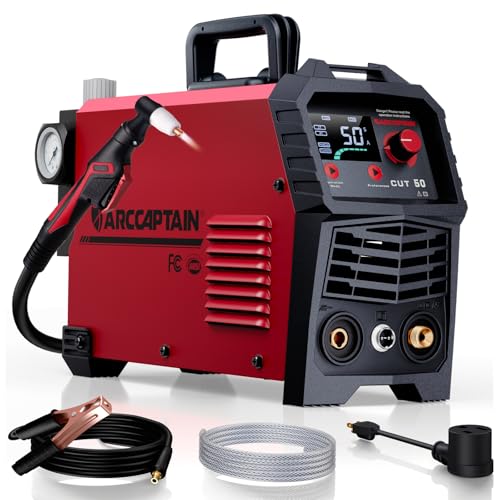
【Powerful Cutting Ability】Switch effortlessly between 110V and 220V for home or workshop use. Achieve professional 1/2" clean cuts on steel, aluminum, and copper with advanced LGBT technology. Perfect for DIY projects and heavy-duty tasks. Recommended maximum cutting thickness: 12mm @ 35A / 110V / 55 PSl; 18mm @ 50A / 220V / 75 PSI. Note: Requires compressed air (compressor sold separately).

fit SG-55 AG-60 WSD-60 Plasma Cutter Torch
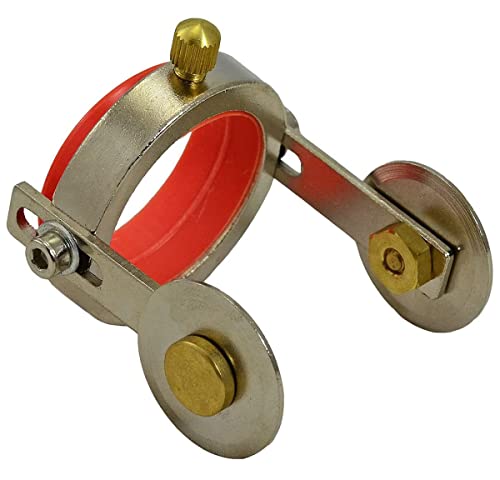
【Important】Please note that this roller guide may not be compatible with all plasma cutting torches due to their variety. It is only suitable for all P80 P-80 Style Panasonic Plasma Cutting torches. Please carefully review the sizing pictures of this product and select the correct parts.
Considering Energy Consumption
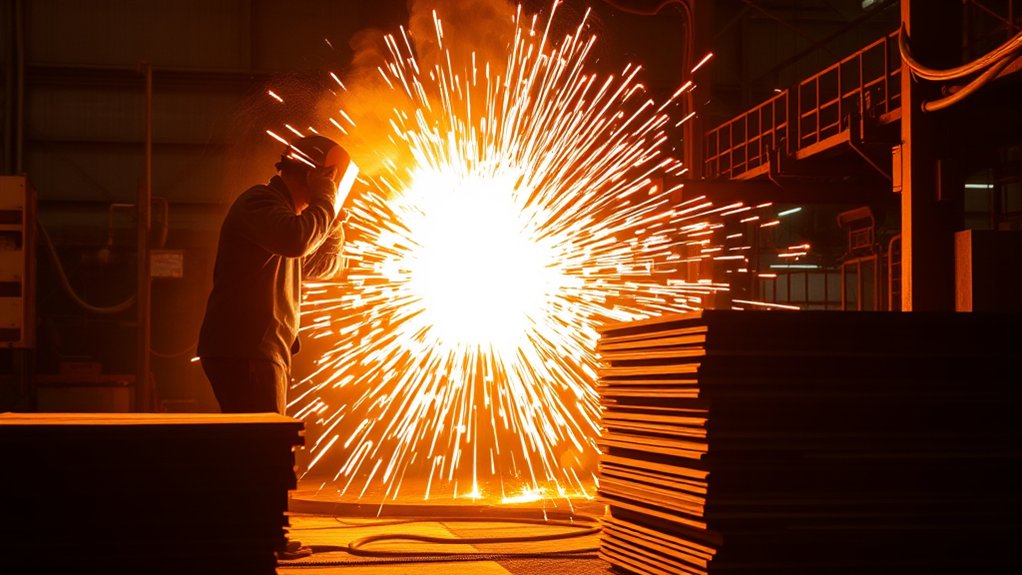
Plasma cutters need enough electrical power to create and hold a hot plasma arc. Power needs vary by machine size, material, and cut thickness.
Small units may work on lower amperage, while larger systems can draw much more current. Higher amperage can cut thicker metal, but it also raises power use and heat input.
Energy use affects operating cost, especially in busy shops. You should also account for compressed air, consumables, maintenance, and downtime when you compare cutting methods.
For a small fabrication shop, power requirements may limit where you can use the machine. Check the electrical service, breaker size, air supply, and duty cycle before buying equipment.
The Initial Investment and Skill Requirements
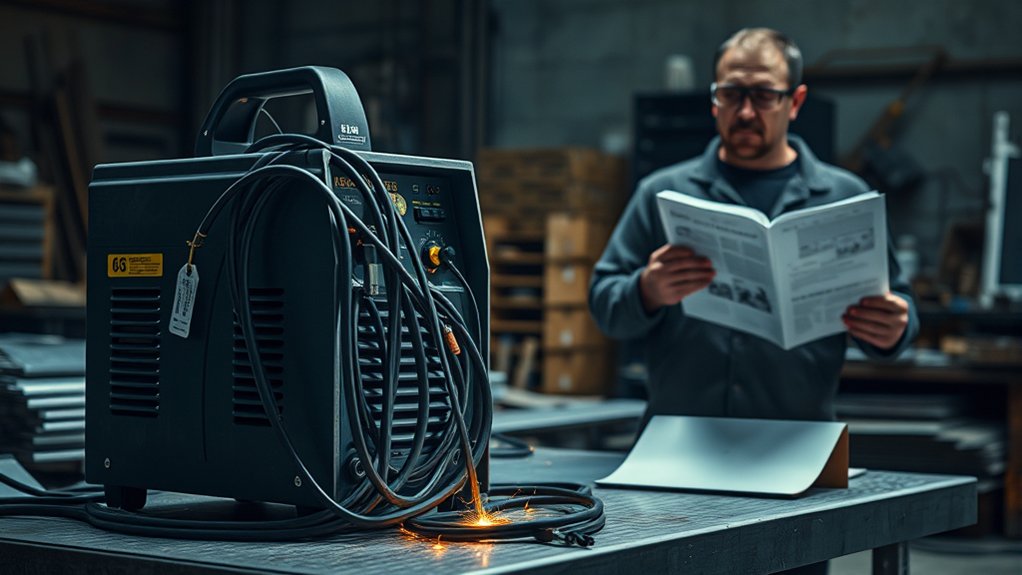
Plasma cutting can cost more than the machine price alone. You may also need a clean air supply, fume extraction, safety gear, spare consumables, and a suitable work table.
Operators also need training. Good results depend on torch height, travel speed, amperage, air pressure, and material preparation.
Before you invest, think about these cost factors:
- Equipment and setup costs: You may need the cutter, compressor, dryer, exhaust system, work table, and electrical upgrades.
- Training needs: Operators need practice to control speed, pierce height, cut direction, and consumable wear.
- Ongoing maintenance: Electrodes, nozzles, shields, filters, and ground clamps need regular checks and replacement.
These costs can still make sense for frequent metal cutting. For rare use, outsourcing or using another cutting method may cost less.
Environmental and Safety Concerns
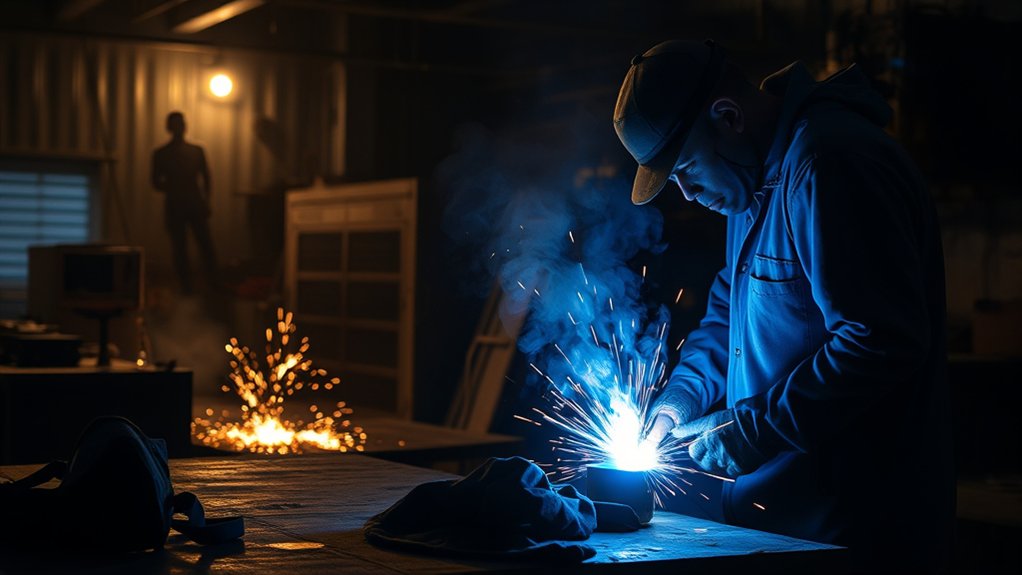
Plasma cutting can affect worker safety and shop air quality. You need to control fumes, sparks, heat, light, and noise before they cause harm.
Material choice matters. Cutting stainless steel, galvanized metal, painted metal, or coated parts can create more hazardous fumes than clean mild steel.
You should remove flammable materials from the cutting area. Sparks and molten metal can travel farther than you expect.
Noise and Fume Risks
Plasma cutting operations create risks that need direct controls. You should address both noise and fumes before production starts.
Focus on these three areas:
- Noise exposure: Use hearing protection and reduce sound where possible.
- Fume control: Use exhaust systems that capture fumes close to the cut.
- Rule compliance: Follow OSHA and local safety requirements for your shop and material type.
Ignoring these risks can lead to health problems, fines, and lost work time. A basic safety plan protects both your workers and your business.
Ventilation and Safety Measures
Good ventilation and personal protective equipment work together. Ventilation controls the air, while protective gear shields your body from heat, light, sparks, and noise.
| Risk Factor | Safety Measure |
|---|---|
| Harmful fumes | Local exhaust ventilation or fume extraction |
| Intense light | Rated eye and face protection |
| Heat and sparks | Flame-resistant clothing, gloves, and safe work spacing |
| Loud noise | Earplugs, earmuffs, or both when needed |
Pro tip: Test cuts on scrap from the same material help you dial in settings before the real part.
Evaluating Alternatives for Optimal Cutting
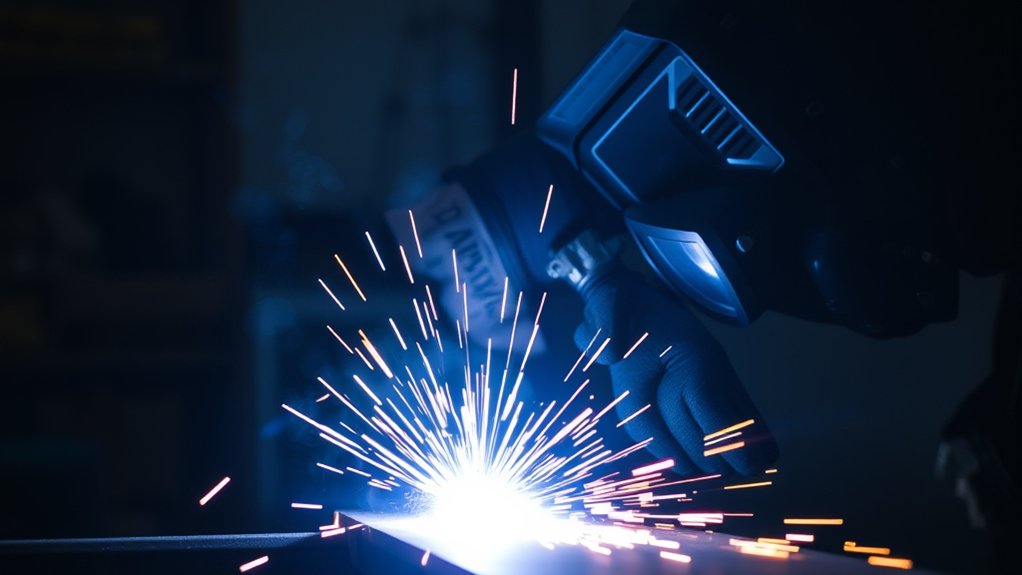
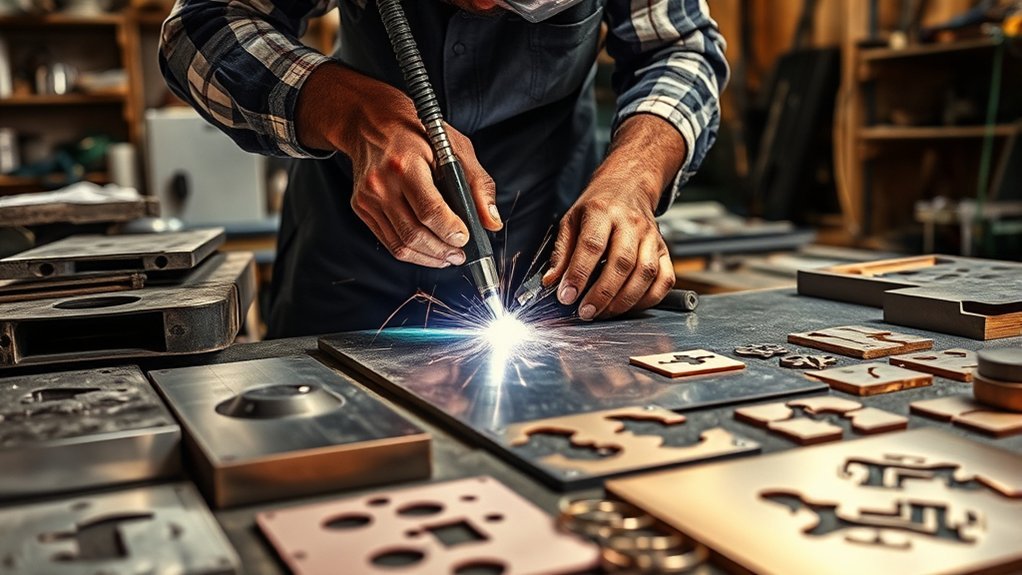
You should choose a cutting process based on material, thickness, precision, heat sensitivity, speed, and budget. Plasma cutting fits many jobs, but it doesn’t fit every job.
Match the cutting method to the material, thickness, finish, and heat tolerance of the part.
Common alternatives include:
- Laser cutting: This method works well for thin sheet metal and high-detail cuts with clean edges.
- Oxy-fuel cutting: This method works well on thick carbon steel where deep cutting matters most.
- Waterjet cutting: This method cuts without heat, which helps protect materials that can warp or harden.
- CNC machining: This method offers high precision, but it can take longer and cost more for simple cuts.
Plasma cutting often gives you a strong balance of speed and cost for medium-thickness conductive metals. Choose another method when heat damage, fine detail, or thick-section quality matters more.
Frequently Asked Questions
How Does Plasma Cutting Affect the Surface Finish of Metals?
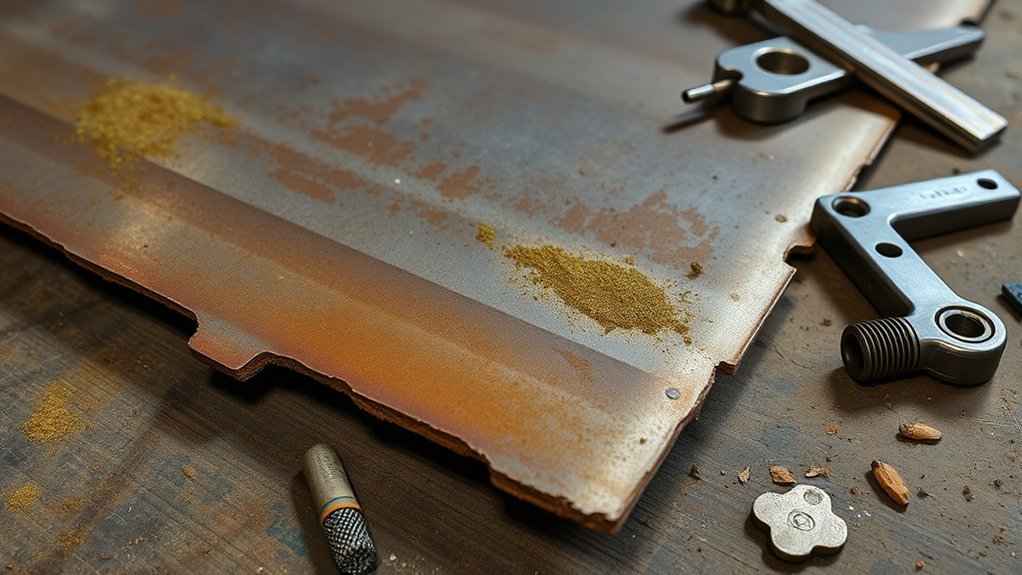
Plasma cutting can leave a rougher edge than laser or waterjet cutting. You may see dross, bevel, or heat marks, especially when the settings don’t match the material.
Good setup can improve the finish. Use the right travel speed, torch height, amperage, and clean consumables.
What Materials Are Most Challenging for Plasma Cutting?
Thick metals, coated metals, stainless steel, and aluminum can create challenges for plasma cutting. These materials may need different gases, settings, or post-cut cleanup.
Coated or painted metals also raise fume risks. Check the coating before you cut.
Can Plasma Cutting Be Automated for High-Volume Production?
Yes, you can automate plasma cutting with computer numerical control (CNC) tables. Automation can improve repeatability, speed, and material use.
Automation still needs skilled setup. Operators must control nesting, torch height, consumables, and cut parameters.
Does Plasma Cutting Require Regular Maintenance and Part Replacement?
Yes, plasma cutters need regular maintenance. Electrodes, nozzles, shields, air filters, and torch parts wear during use.
Worn parts can cause poor arcs, rough edges, misfires, and excess dross. Check consumables before critical cuts.
How Does Plasma Cutting Impact the Structural Integrity of Metals?
Plasma cutting can change metal near the cut because the arc adds intense heat. This can affect hardness, edge quality, and distortion.
The impact depends on the material, thickness, settings, and cooling rate. You may need grinding, stress relief, or another cutting method for critical parts.
Conclusion
Plasma cutting gives you fast results, but its biggest drawback comes from the heat, fumes, noise, and edge cleanup it can create. Before you choose it, match the process to your material, thickness, safety setup, and finish requirements.
If heat distortion or very clean edges matter most, compare plasma with laser, waterjet, oxy-fuel, or CNC machining. The right cutting method helps you save time, reduce risk, and produce better parts.
References
- Occupational Noise Exposure — Occupational Safety and Health Administration
- Controlling Hazardous Fume and Gases during Welding — Occupational Safety and Health Administration
- Welding and Manganese — National Institute for Occupational Safety and Health