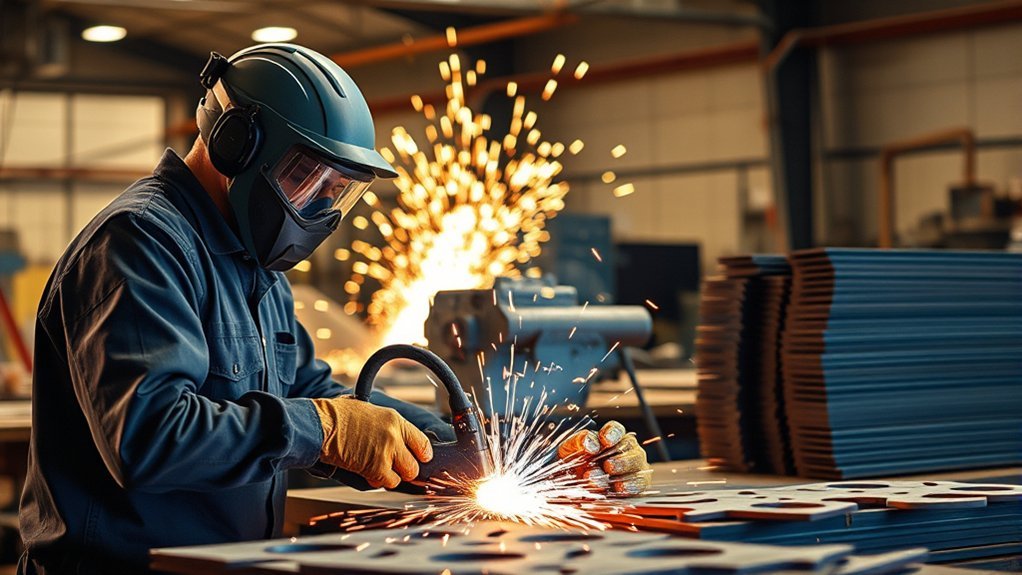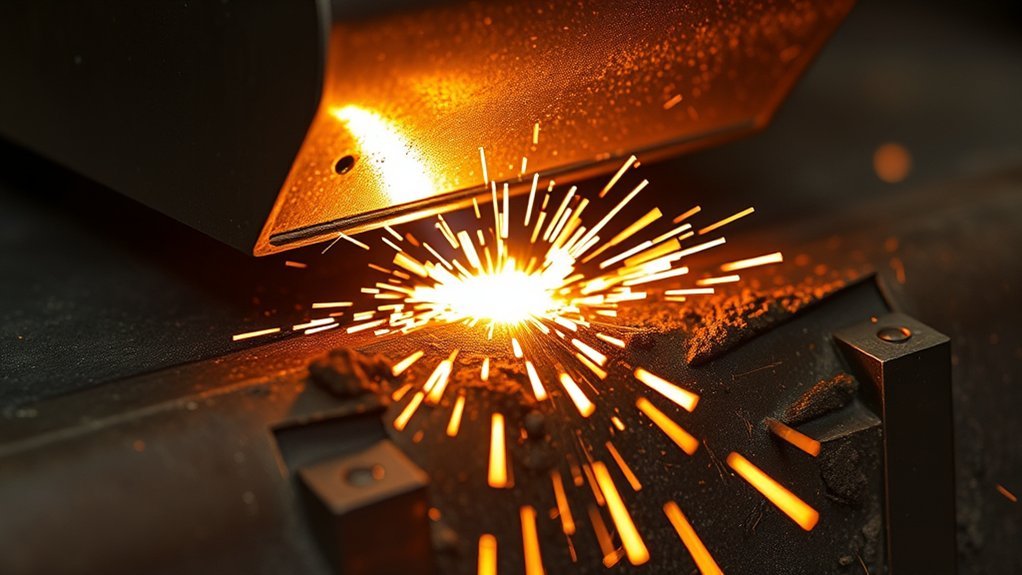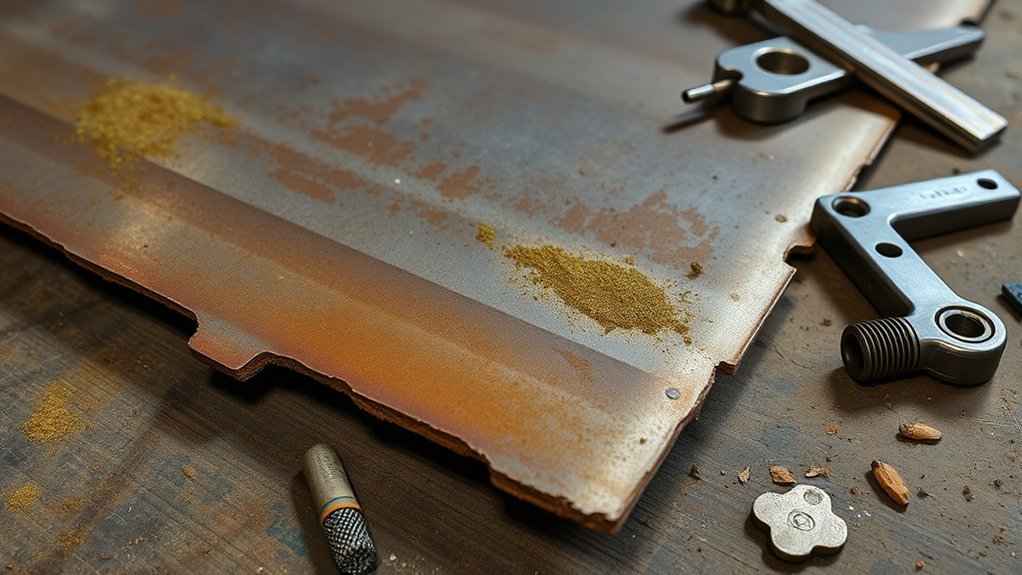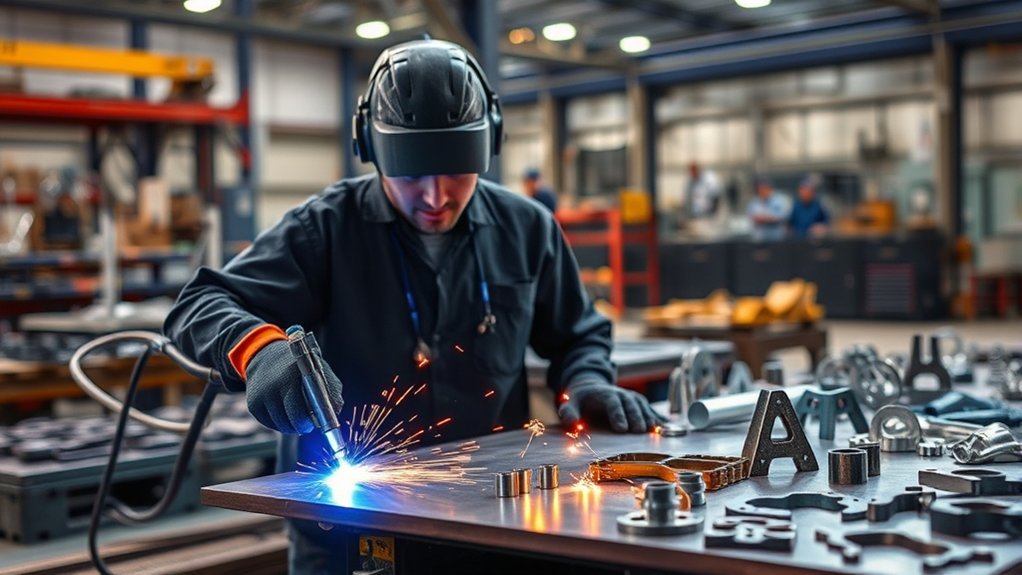
Plasma cutting is popular in metal fabrication because it gives you fast cutting, good control, and clean results on many electrically conductive metals. It works especially well when you need to cut steel, stainless steel, aluminum, copper, brass, or similar materials without waiting for long preheating steps. The biggest advantages are speed, versatility, lower heat spread than many slower hot-cutting methods, and the ability to cut shapes that would be difficult with a saw or grinder.
Quick Answer
Plasma cutting is advantageous because it cuts conductive metals quickly, handles straight or curved shapes, reduces preheating time, and can leave a clean edge when the machine is set correctly. It is not the best choice for nonconductive materials or ultra-tight tolerance work, but it is highly useful for fabrication, repair, and shop production.
Key Takeaways
- Plasma cutting works on electrically conductive metals, including mild steel, stainless steel, aluminum, copper, and brass.
- It is often faster than oxy-fuel on thin to medium plate because it does not need the same preheating step.
- Good cut quality depends on the correct amperage, travel speed, standoff distance, air quality, and consumable condition.
- Plasma cutting still creates arc radiation, sparks, fumes, noise, and hot metal, so PPE, ventilation, and fire control are required.
- Laser cutting is usually better for very fine sheet-metal precision, while plasma is often more practical for general fabrication and thicker conductive metals.
How Plasma Cutting Works
Plasma cutting uses an electrical arc and a high-velocity gas stream to melt metal and blow the molten material out of the cut. The machine sends current through the torch and into the workpiece, so the metal must be electrically conductive. That is why plasma cutting works on many metals but not on wood, plastic, glass, concrete, or other nonconductive materials.
The gas may be compressed air, oxygen, nitrogen, argon-hydrogen, or another gas mix, depending on the machine and material. In many small shops, clean dry compressed air is common. In CNC and high-definition systems, gas choice and pressure become even more important because they affect edge smoothness, dross, bevel, and consumable life.
Plasma cutting is strongest when you need fast, shaped cuts in conductive metal and can accept a slightly wider kerf than laser cutting.
Products Worth Considering
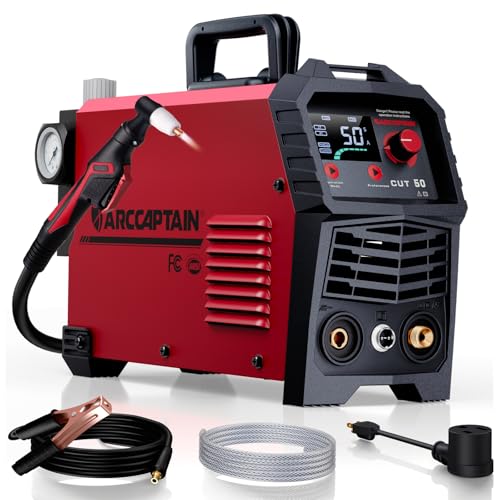
【Powerful Cutting Ability】Switch effortlessly between 110V and 220V for home or workshop use. Achieve professional 1/2" clean cuts on steel, aluminum, and copper with advanced LGBT technology. Perfect for DIY projects and heavy-duty tasks. Recommended maximum cutting thickness: 12mm @ 35A / 110V / 55 PSl; 18mm @ 50A / 220V / 75 PSI. Note: Requires compressed air (compressor sold separately).

[Powerful Cutting Ability] Dual voltage 110/220V good for home, workshop and hardware shop use. Professional performance 1/2" clean cuts on Iron, Steel aluminum and copper with Inverter IGBT Technology. Very powerful for DIY and heavy duty project. The Maximum cutting thickness is recommended to 1/2" @35A 110V 50PSI; 2/3" @50A 220V 65PSI. Dry and compressed air is required. Power breaker up to 60A@110V 35A; Up to 50A@220V 50A.

CUTTING THICKNESS UP TO 20MM: Featuring a brand-new MCU technology upgrade, the plasma cutter machine has a high degree of internal integration, combining full digitalization for more precise control of cutting parameters such as current and voltage. This results in better cutting effects and improved stability. Cutting thickness: Quality 12mm (1/2"), maximum 20mm (3/4").
Versatility Across Various Metals
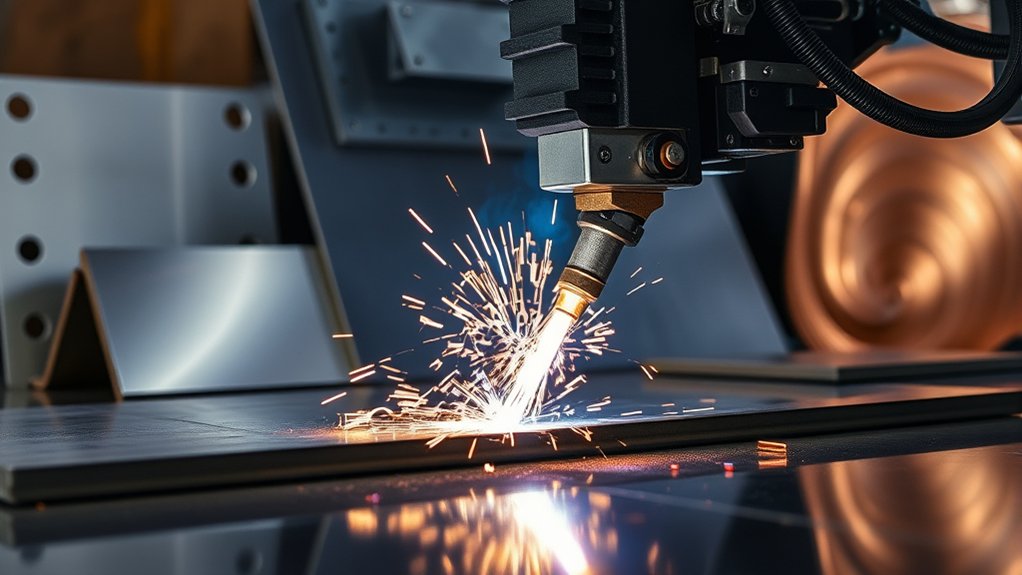
One of the biggest advantages of plasma cutting is its ability to cut many conductive metals. You can use it on mild steel, stainless steel, aluminum, copper, brass, and cast iron when the machine, consumables, gas, and amperage are matched to the job.
This gives you more flexibility than oxy-fuel cutting, which is strongest on carbon steel but does not perform well on stainless steel, aluminum, and many nonferrous metals. Plasma cutting melts the metal with an arc instead of relying on an oxidation reaction, so it can handle materials that are difficult or impossible to cut cleanly with oxy-fuel.
Note: Plasma cutting is not a universal cutting method. If the material does not conduct electricity, the arc cannot transfer through the workpiece properly.
Enhanced Precision and Quality of Cuts
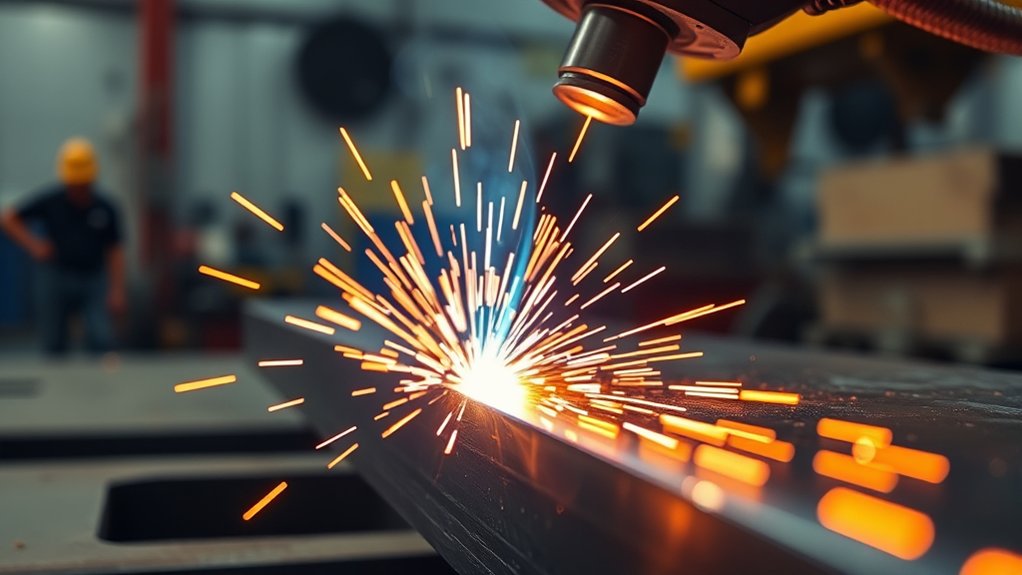
When set correctly, plasma cutting can produce clean edges, smooth profiles, and accurate shapes for fabrication work. It is useful for brackets, repair patches, frame plates, tabs, gussets, signage, artwork, and general shop cutting. A CNC plasma table can also repeat the same shape many times with better consistency than hand cutting.
Plasma is not always as precise as laser cutting on thin sheet metal, but it gives you a strong balance of speed, cost, and cut quality. For many repair and fabrication jobs, that balance matters more than holding the tightest possible tolerance.
Intricate Pattern Capabilities
Plasma cutting is useful for curves, slots, bolt-hole patterns, decorative shapes, and irregular repair panels. With a steady hand, straightedge, circle guide, template, or CNC table, you can create shapes that would take much longer with a grinder, drill, or reciprocating saw.
The quality of those patterns depends on setup. A worn nozzle, wet compressed air, wrong amperage, poor ground clamp contact, or incorrect travel speed can quickly turn a clean cut into a beveled, rough, or dross-heavy edge.
Minimized Edge Irregularities
Good plasma cuts are not automatic. They come from matching the cut settings to the material. To reduce bevel, slag, and roughness, focus on these variables:
- Amperage: Use the machine’s cut chart instead of guessing.
- Travel speed: Moving too slowly can create a wider kerf and more dross; moving too fast can leave an incomplete cut.
- Standoff distance: Keep the torch at the recommended height so the arc stays focused.
- Air or gas quality: Moisture and oil in compressed air shorten consumable life and hurt edge quality.
- Consumables: Replace worn electrodes and nozzles before they cause angled or ragged cuts.
Pro Tip: If the cut suddenly gets wider, rougher, or more angled, check the nozzle and electrode before changing every machine setting. Consumable wear is one of the most common causes of poor plasma cut quality.
Cost-Effective Operation
Plasma cutting can be cost-effective because it reduces cutting time, lowers manual cleanup when settings are right, and works across many metal types. You can often move from layout to cutting faster than with oxy-fuel because plasma does not need the same preheat process before starting a cut.
The cost advantage is strongest when you cut thin to medium metal, make repeated parts, or need shapes that would take too long with mechanical tools. For a shop, faster cutting can reduce labor time and help jobs move through layout, fit-up, welding, and finishing more smoothly.
Plasma cutting still has operating costs. You need electricity, compressed air or cutting gas, electrodes, nozzles, shields, swirl rings, filters, and occasional torch parts. The real savings come from using the right process for the metal and maintaining the machine well enough to avoid rework.
Products Worth Considering

PACKAGE INCLUDED: 5 Pcs Cup-15 Pcs Electrodes-10 Pcs Ring-30 Pcs Tip(Standard)

[Achieve Precise Cuts] PT31 Plasma Cutting Consumables – Your Essential Tool for Efficient Cutting! Whether you're working with sheet metal, steel, or any other material, superior cutting performance ensure clean, accurate, and smooth cuts.

⚡【Precision Compatibility】 Exact fit for YESWELDER CUT 55DS Pro & 65DS (2019-2024 models). Replaces OEM# IPT40-55DS/65DS.
Minimal Heat-Affected Zone
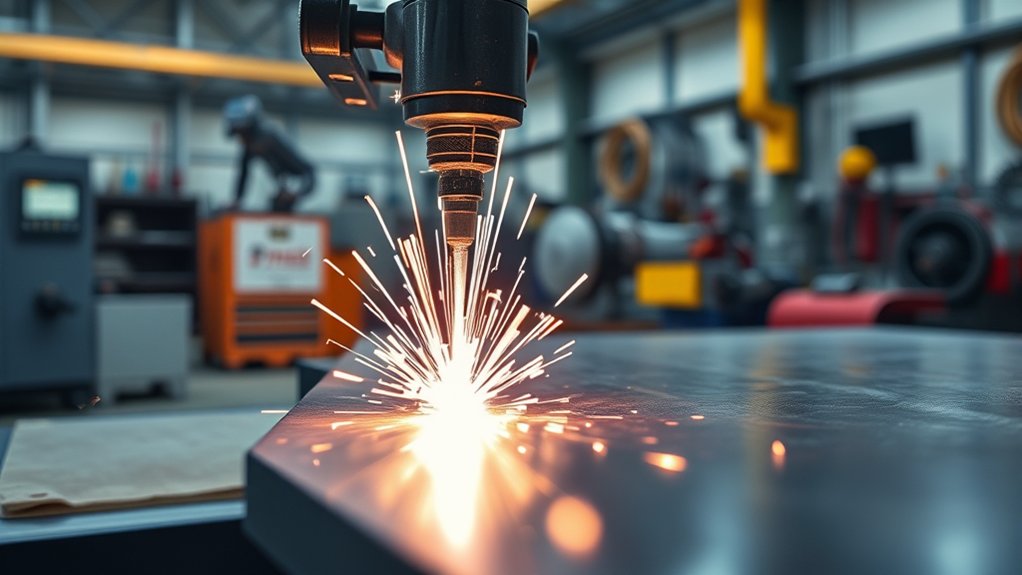
Plasma cutting concentrates heat into a narrow cutting path. Compared with slower hot-cutting methods, this can reduce the amount of heat that spreads into the surrounding metal. Less heat spread can mean less distortion, less discoloration, and less cleanup, especially when you use the correct travel speed.
This matters on thin sheet, aluminum, stainless steel, and parts that must stay flat. If you move too slowly, use too much amperage, or pause too long at corners, heat can still build up and warp the part.
Preserved Material Integrity
A smaller heat-affected zone helps preserve the surrounding metal. It can reduce the risk of pulling a thin panel out of shape and help keep holes, slots, and edges closer to the intended size.
That does not mean plasma cutting leaves the metal unchanged. The cut edge can still have a heat-affected zone, oxide layer, dross, hardening on some steels, or a slight bevel. If the edge will be welded, painted, powder coated, or inspected closely, clean and prepare it after cutting.
Reduced Warping and Distortion
Plasma cutting can reduce warping when you keep the torch moving and spread heat wisely across the workpiece. Long straight cuts on thin sheet should be planned so the part does not trap heat in one area. Clamps, small tabs, and a stable cutting table also help keep parts from shifting.
| Cutting method | Best use | Main advantage | Main limitation |
|---|---|---|---|
| Plasma cutting | Conductive metals, shop fabrication, repair work, CNC profiles | Fast, versatile, good for many metals | Wider kerf and less fine precision than laser on thin sheet |
| Oxy-fuel cutting | Thick carbon steel | Simple equipment and strong thick-plate capability | Not ideal for stainless steel, aluminum, or nonferrous metals |
| Laser cutting | Thin sheet, tight tolerances, fine details | Excellent precision and narrow kerf | Higher equipment cost and thickness limits vary by laser power |
| Waterjet cutting | Heat-sensitive materials and mixed material types | No heat-affected zone | Usually slower and more expensive to operate |
Reduced Dross Production
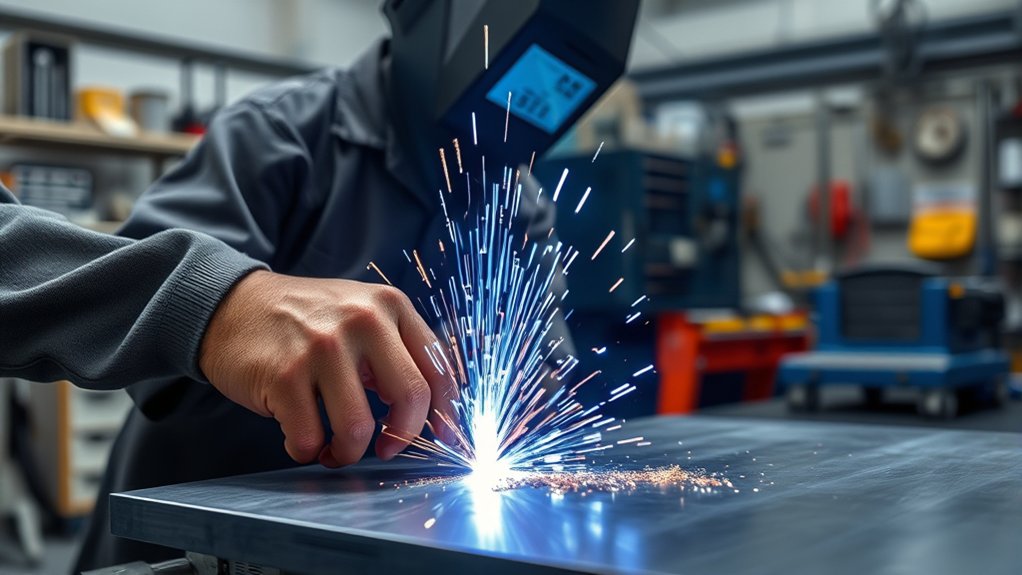
Plasma cutting can produce low-dross edges when the machine is tuned correctly. The high-velocity gas stream blows molten metal out of the kerf, which can reduce the amount of slag that sticks to the bottom of the cut.
Dross usually increases when travel speed, amperage, torch height, gas pressure, or consumable condition is wrong. It can also increase on rusty, painted, oily, or heavily scaled metal. Clean material and dry air make a noticeable difference.
- Low-speed dross: Often forms when you move too slowly or use too much heat.
- High-speed dross: Often forms when you move too quickly and the arc does not fully clear the kerf.
- Top spatter: Can happen from excessive torch height, damaged consumables, or dirty material.
- Beveled edges: Often point to worn consumables, wrong torch angle, or incorrect standoff.
Fast Cutting Speeds
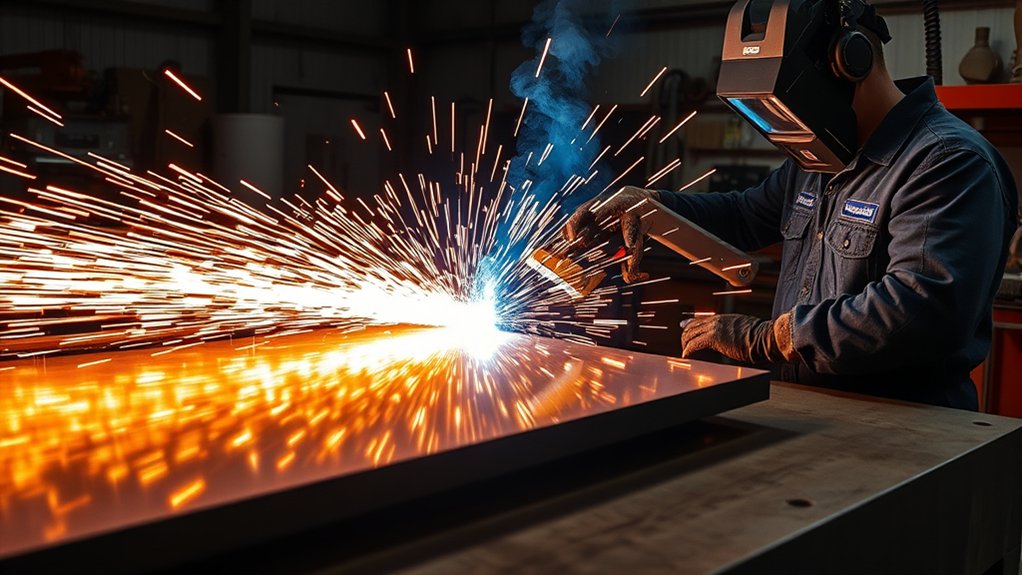
Speed is one of the clearest advantages of plasma cutting. On many thin and medium-thickness conductive metals, plasma can cut faster than oxy-fuel because it starts quickly and does not rely on heating carbon steel to its ignition temperature before cutting.
This speed helps in repair work, fabrication, demolition, HVAC layouts, auto restoration, farm equipment repair, and production cutting. It also helps when you need to make many profiles from sheet or plate on a CNC plasma table.
The exact speed depends on the machine and material. A small 30-amp unit, a 65-amp shop machine, and an industrial CNC system will not perform the same way. Always follow the cut chart for your torch, amperage, material, and thickness.
User-Friendly and Portable
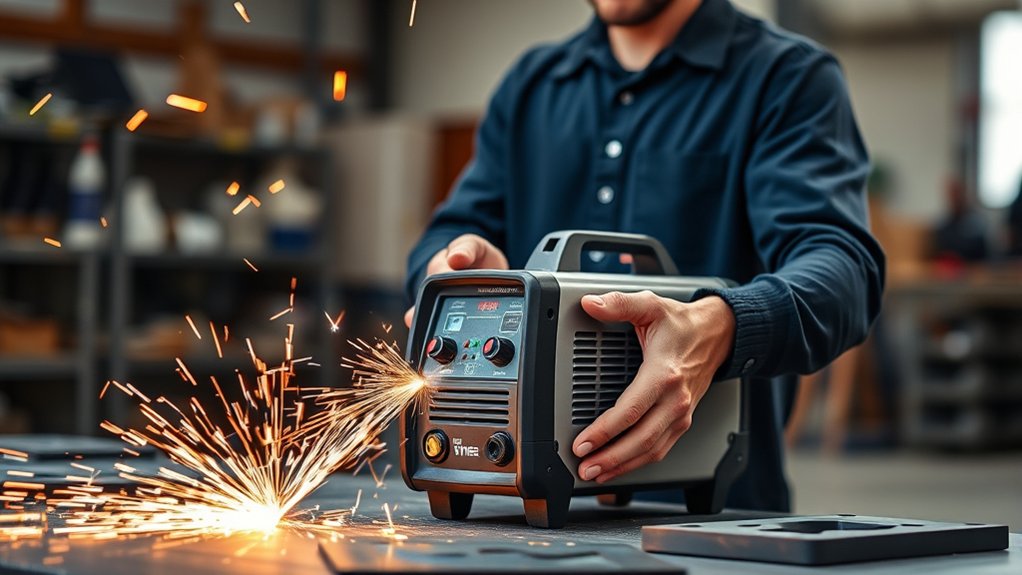
Modern plasma cutters are easier to use than older systems. Many portable inverter machines are light enough to move around a shop, load into a service truck, or take to field repairs. They often use clear front-panel controls, built-in air pressure guidance, and simple torch connections.
This makes plasma cutting useful for small shops and mobile repair work. You can cut brackets, remove damaged sections, trim patch panels, open seized hardware, and shape replacement parts without hauling every job to a large cutting table.
Beginner-friendly does not mean risk-free. A plasma cutter still uses electricity, compressed air or gas, an intense arc, and hot sparks. Learn the machine, read the manual, and practice on scrap before cutting important parts.
Suitable for Various Thicknesses
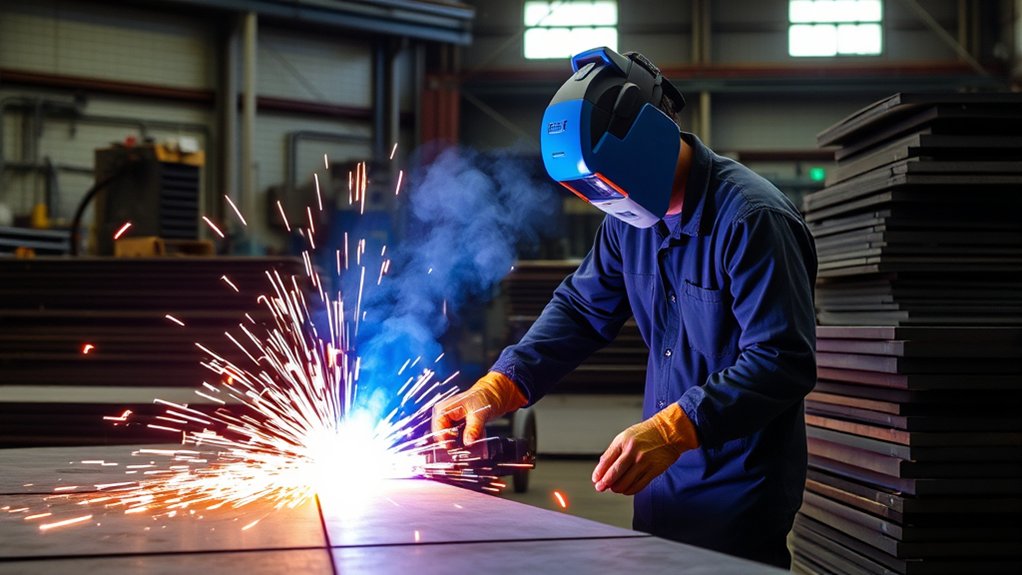
Plasma cutting can handle a wide range of thicknesses, but the exact capacity depends on the machine. Manufacturers usually list a rated cut, severance cut, and sometimes a recommended production cut. The cleanest and most useful range is usually below the absolute severance rating.
For thin sheet, use lower amperage and move quickly enough to avoid warping. For thicker plate, use the correct consumables, slower travel speed, and enough amperage to fully clear the kerf. If the machine is too small for the plate, you may get a slow cut, heavy dross, poor edge angle, or incomplete separation.
Warning: Plasma cutting is hot work. Wear a properly shaded helmet or face shield, safety glasses, gloves, flame-resistant clothing, and hearing protection. Keep combustibles away, control sparks, use ventilation, and never cut sealed containers, fuel tanks, or coated metals unless they have been made safe by a qualified person.
Energy Efficiency and Sustainability
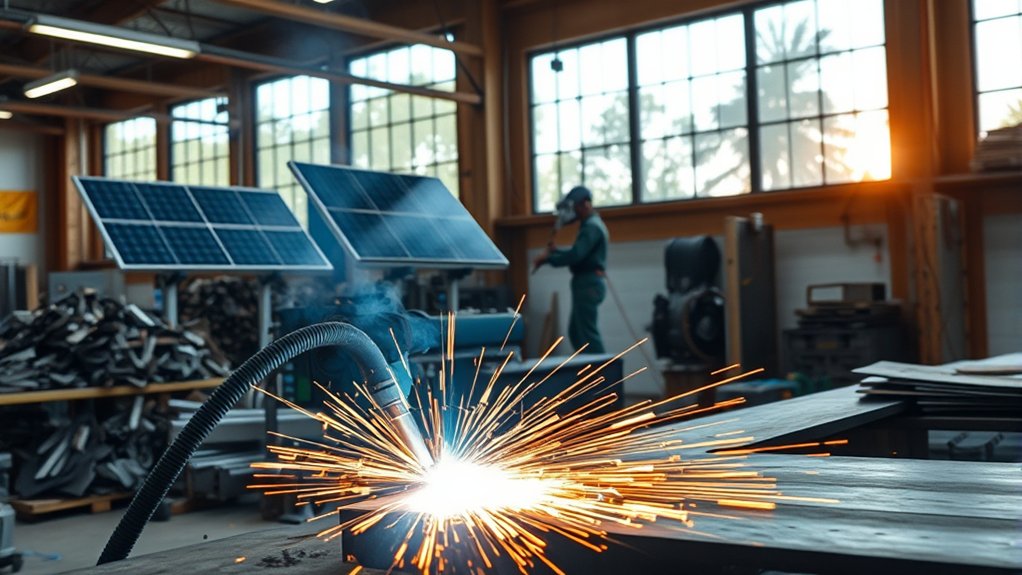
Plasma cutting can support efficient fabrication because it cuts quickly, reduces preheating time, and can reduce wasted material when parts are nested well on a CNC table. Cleaner cuts can also mean less grinding and less time spent fixing rough edges.
Energy use still depends on the equipment, duty cycle, compressor, material thickness, and cutting plan. A well-maintained machine with dry air, correct consumables, and proper settings will usually waste less time and material than a poorly maintained setup.
For a more sustainable workflow, nest parts tightly, keep consumables in good condition, use clean dry air, collect scrap for recycling, and avoid unnecessary test cuts on good material.
When Plasma Cutting Is Not the Best Choice
Plasma cutting has many benefits, but it is not perfect for every job. Choose another method when the material, tolerance, finish, or heat sensitivity demands it.
- Use laser cutting when you need very fine details, narrow kerf, and tight tolerances on thin sheet metal.
- Use oxy-fuel cutting when you need to cut very thick carbon steel and do not need stainless or aluminum capability.
- Use waterjet cutting when the material cannot tolerate heat or when you need to cut nonconductive materials.
- Use a saw, shear, or punch when the cut is simple, quiet operation matters, or the part needs little heat exposure.
Also avoid plasma cutting on sealed containers, drums, tanks, fuel systems, pressurized parts, and unknown coated materials unless the job has been inspected and prepared under a proper hot-work procedure.
Maintenance That Protects Cut Quality
Good maintenance keeps plasma cutting fast, clean, and predictable. Most cut-quality problems start with air, consumables, or setup rather than the machine itself.
- Replace consumables on time: Worn electrodes and nozzles create bevel, wandering arcs, and rough cuts.
- Use dry air: Drain the compressor tank and use a filter or dryer if your air supply has moisture.
- Check the ground clamp: A weak work lead connection causes unstable arcs and poor starts.
- Inspect torch parts: Look for cracks, damaged O-rings, burned shields, and loose fittings.
- Clean the workpiece: Heavy rust, paint, oil, and scale can reduce cut quality and increase fumes.
- Follow the cut chart: Use the recommended amperage, pressure, speed, and standoff for the material.
Frequently Asked Questions
What safety precautions are necessary when using plasma cutting?
Wear eye and face protection with the correct filter shade, safety glasses, gloves, flame-resistant clothing, hearing protection, and closed leather footwear. Use ventilation for fumes, keep combustibles away from sparks, and follow OSHA hot-work guidance for welding and cutting safety. OSHA’s eye and face protection standard lists minimum protective shades for plasma arc cutting, and OSHA’s welding/cutting standard covers ventilation and fire prevention.
How does plasma cutting compare to laser cutting in terms of precision?
Laser cutting is usually more precise on thin sheet metal and often leaves a narrower kerf. Plasma cutting is still accurate enough for many fabrication jobs and is often more practical when you need fast cuts on thicker conductive metal at a lower equipment cost than many industrial laser systems.
Can plasma cutting be used for artistic metalwork projects?
Yes. Plasma cutting works well for signs, wall art, decorative panels, garden art, brackets, and custom shapes. A CNC plasma table gives the best repeatability for detailed art, while hand cutting can still work well with templates and steady torch control.
What maintenance is required for plasma cutting equipment?
Replace worn electrodes and nozzles, keep the torch clean, check O-rings and cables, drain moisture from the air supply, inspect the ground clamp, and follow the machine’s cut chart. Clean dry air and fresh consumables are two of the simplest ways to improve cut quality.
Are there limitations to the types of materials that can be cut?
Yes. Plasma cutting works on electrically conductive metals. It is not the right choice for wood, plastic, glass, concrete, rubber, or most ceramics. It can also struggle when the machine is underpowered for the metal thickness or when the metal is heavily coated, dirty, or unsafe to heat.
Is plasma cutting better than oxy-fuel cutting?
Plasma cutting is usually better when you need to cut stainless steel, aluminum, copper, brass, or thin to medium conductive metal quickly. Oxy-fuel is still useful for very thick carbon steel and simple field work. The better choice depends on metal type, thickness, edge quality, cost, and available equipment.
Conclusion
Plasma cutting gives you a strong mix of speed, versatility, and cut quality for conductive metals. It is especially useful when you need to cut steel, stainless steel, aluminum, copper, or brass without long preheating steps. It can reduce heat spread, speed up fabrication, and handle straight or complex shapes with the right setup.
The best results come from matching the machine to the metal, using clean dry air, keeping consumables fresh, and following safe hot-work practices. Plasma cutting is not the answer for every material or every tolerance, but for many shop, repair, and fabrication jobs, it is one of the most practical cutting methods available.
Sources
- OSHA 1910.133 — Eye and Face Protection — supports plasma arc cutting filter shade and eye/face PPE guidance.
- OSHA 1910.252 — Welding, Cutting, and Brazing General Requirements — supports fire prevention, ventilation, hot-work area safety, and PPE guidance.
- Arc Plasma Torch Modeling — supports the role of plasma torches in industrial cutting, welding, and thermal processes.
- Quantification of the Influence of Morphologies on Laser Cutting Quality — supports the point that cutting quality depends on part geometry, thermal effects, defects, and process parameters.
- Plasma Cutting Overview — general background on plasma cutting process, conductive materials, applications, and cut-quality variables.