A plasma cutter helps you cut electrically conductive metal quickly, cleanly, and with less physical effort than many saw, grinder, or oxy-fuel setups. It works best when you need fast cuts on steel, stainless steel, aluminum, copper, brass, or similar conductive metals. The real benefits come from speed, flexibility, narrow kerf width, and easier shape cutting, but safe setup, dry air, good consumables, and proper PPE still matter.
Quick Answer
Plasma cutters are useful because they cut conductive metals fast, handle straight lines and curves well, need little preheating, and can reduce grinding or cleanup when set correctly. They are best for fabrication, repair, art metalwork, HVAC, automotive work, and shop projects where speed and cut flexibility matter.
Key Takeaways
- Plasma cutters work on electrically conductive metals, not wood, plastic, glass, or other non-conductive materials.
- They are often faster than saws, cutoff wheels, and oxy-fuel cutting on many sheet and plate jobs.
- Cut quality depends on amperage, travel speed, air pressure, dry air, standoff distance, and consumable condition.
- They can save labor time, but you still need to budget for electrodes, nozzles, air filtration, and safety gear.
- Plasma cutting creates sparks, fumes, UV radiation, hot metal, and electrical hazards, so PPE and ventilation are not optional.
What Is a Plasma Cutter?
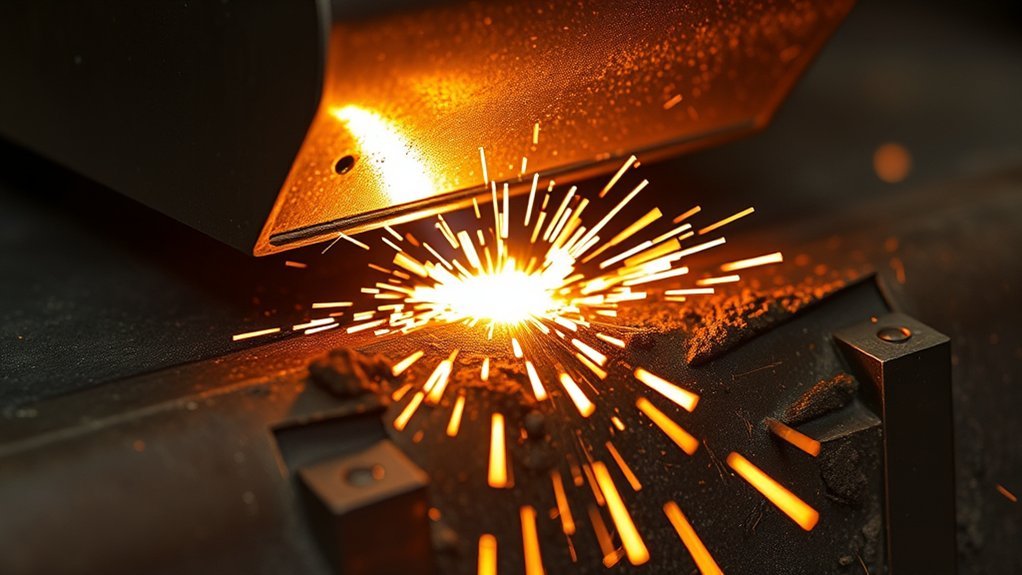
A plasma cutter uses an electric arc and a stream of gas to create very hot plasma. That plasma melts a narrow path through the metal, while the moving gas blows molten metal out of the cut. Because the process needs an electrical path through the workpiece, it is made for conductive materials.
For you, that means a plasma cutter is not just a “hot knife.” It is a controlled cutting tool that depends on a good ground clamp, correct amperage, proper air supply, clean consumables, and steady torch movement.
Versatility in Metal Cutting
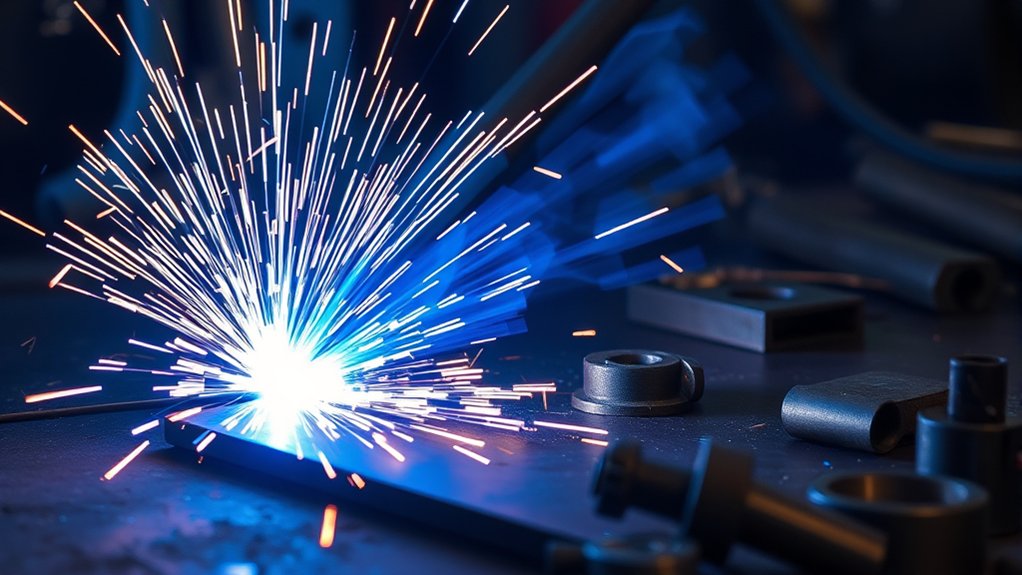
One of the biggest benefits of plasma cutters is their versatility in metal cutting. You can use them on many conductive metals, including mild steel, stainless steel, aluminum, copper, and brass, as long as your machine is rated for the material and thickness.
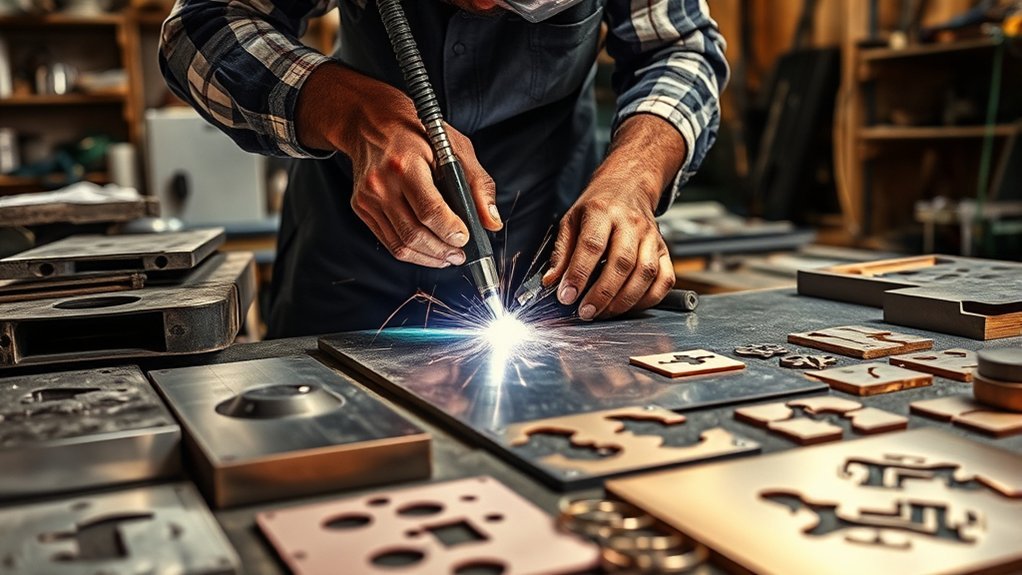
This makes plasma cutting useful for fabrication shops, auto repair, farm repairs, HVAC ductwork, metal art, salvage work, and general shop projects. You can cut straight lines, curves, notches, holes, brackets, templates, and irregular shapes without changing to a totally different tool.
The key limit is capacity. A small 120-volt unit may be best for thinner sheet and light plate, while a larger 240-volt or CNC system can handle heavier work. Instead of assuming one fixed thickness, check the cutter’s rated clean-cut and severance capacity for the metal you plan to cut.
Note: Plasma cutters are for conductive metals. They are not the right tool for wood, plastic, rubber, glass, or masonry because those materials do not complete the cutting circuit.
User-Friendly Operation
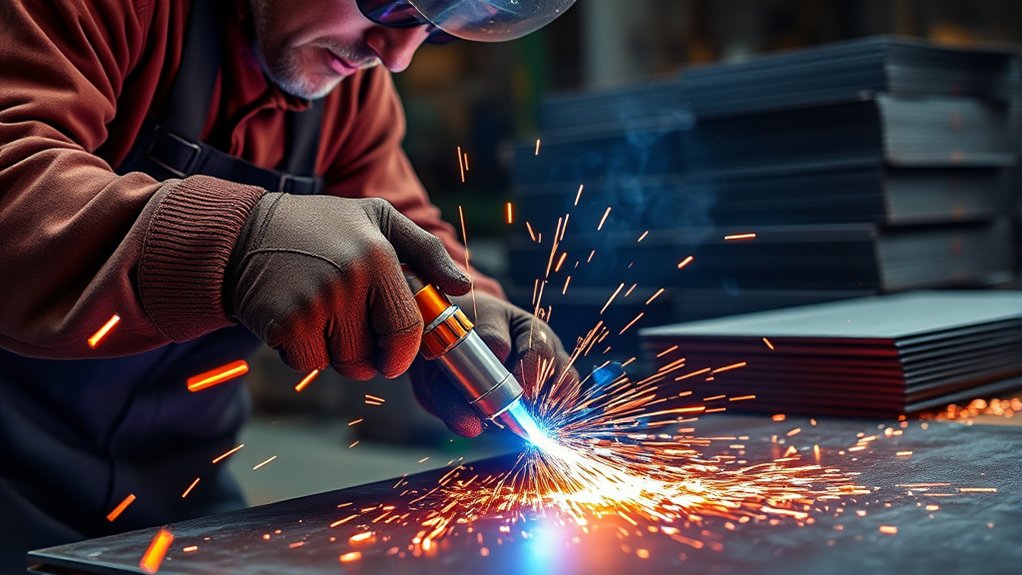
Modern handheld plasma cutters are much easier to learn than many older cutting systems, especially for basic straight cuts and rough shaping. You still need training and practice, but the setup is simple once you understand the main controls.
Most basic plasma cutting jobs follow the same pattern:
- Connect the ground clamp: Attach it to clean metal so the arc has a stable return path.
- Set amperage correctly: Match the setting to the metal type, thickness, and cut speed.
- Check air pressure and flow: Use the range listed in your cutter’s manual.
- Inspect consumables: A worn electrode or nozzle can cause a wider kerf, more dross, and poor arc starts.
- Keep steady torch movement: Move too slowly and you create extra dross; move too fast and the arc may not fully cut through.
Some advanced shop and CNC systems include digital presets, memory settings, or connected controls. Those features can help repeatability, but they are not required for the main benefit of plasma cutting: quick, flexible metal cutting with a focused arc.
Pro Tip: If your cuts suddenly get rough, check the simple things first: nozzle wear, electrode wear, moisture in the air line, weak ground contact, and travel speed.
Rapid Cutting Speeds
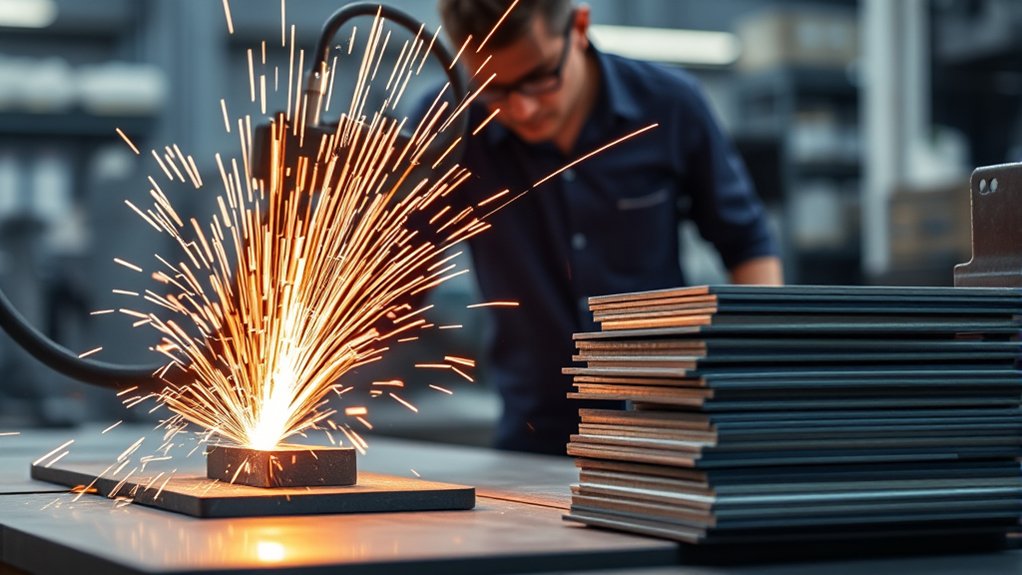
Rapid cutting speed is one of the strongest reasons to use a plasma cutter. On many metal-cutting jobs, it can finish cuts faster than a grinder with a cutoff wheel, a reciprocating saw, or a band saw, especially when the cut path has curves or irregular shapes.
Plasma cutting is also different from oxy-fuel cutting. Oxy-fuel relies on a flame and oxidation reaction, while plasma cutting uses an electric arc to melt the metal and a gas stream to remove molten material. That makes plasma especially useful for stainless steel, aluminum, and other metals that are not ideal for standard oxy-fuel cutting.
The speed benefit is strongest when the metal thickness, amperage, air pressure, and travel speed all match. A powerful cutter used poorly can still leave slag, bevel, or an incomplete cut.
For high-volume tasks, this speed can reduce handling time and labor time. You can mark, clamp, cut, and move to the next part with less tool changing and less physical effort.
Precision and Quality of Cuts
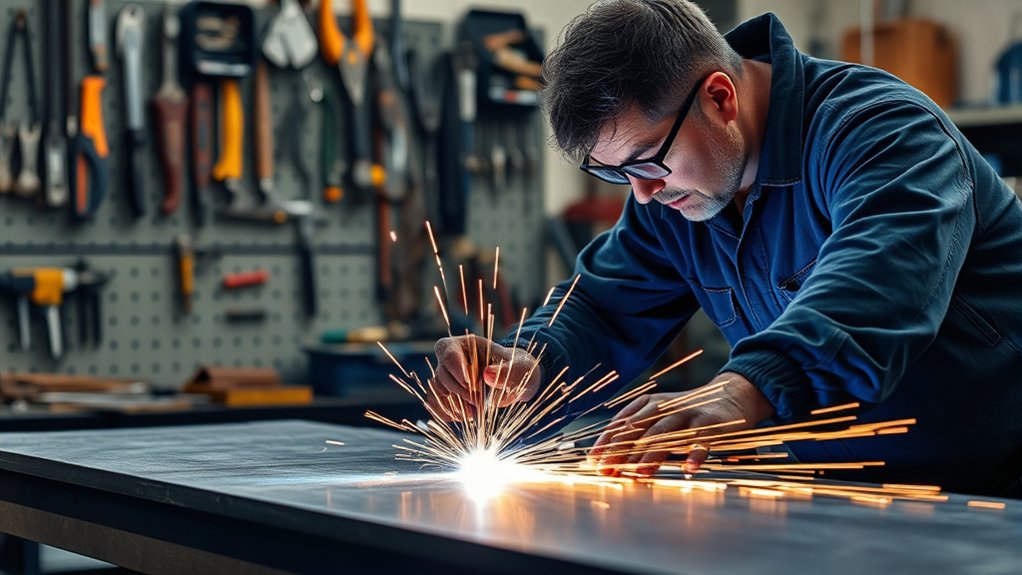
With the right settings, plasma cutting can make clean and accurate cuts with a narrow kerf. That matters when you are cutting brackets, body panels, repair patches, sign parts, templates, or decorative shapes.
Good cut quality is not automatic, though. It depends on several setup details:
- Amperage: Too low may not cut through; too high can widen the kerf or shorten consumable life.
- Travel speed: Too slow creates extra dross; too fast can leave uncut sections.
- Standoff distance: The wrong torch height can increase bevel and roughness.
- Air quality: Moisture, oil, or low air flow can damage consumables and weaken the arc.
- Consumable condition: Worn nozzles and electrodes reduce accuracy.
- Ground contact: A poor ground can cause unstable starts and inconsistent cuts.
Plasma cutting also creates a heat-affected zone, but it is often smaller than what you would see with slower heat-heavy methods on similar work. That can help reduce warping when you use proper technique, especially on thinner sheet metal.
Cost-Effectiveness
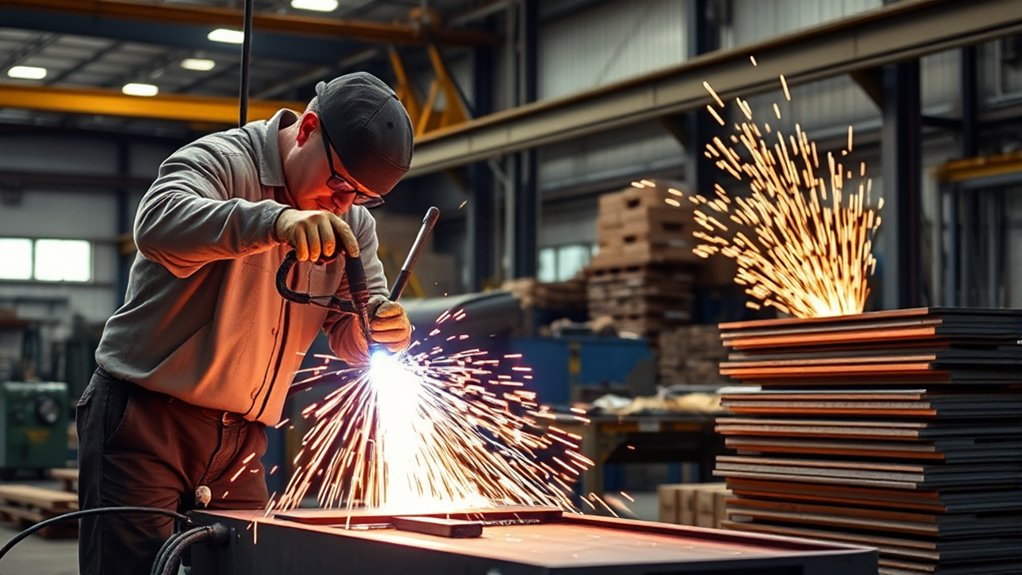
Plasma cutting can be cost-effective because it saves time, reduces manual cutting effort, and can limit cleanup when cuts are dialed in. The savings are strongest when you cut metal often, work with mixed conductive metals, or need shapes that would take longer with saws or grinders.
You should also count the real operating costs. Plasma cutters use consumables, electricity, compressed air, and sometimes air dryers or filters. If you cut indoors, you may also need better ventilation or fume extraction.
| Cost Factor | How Plasma Cutting Helps | What to Budget For |
|---|---|---|
| Labor time | Fast cutting can shorten repetitive layout and cutting jobs. | Practice time and proper setup. |
| Material use | A narrow kerf can help you nest parts closely. | Scrap from test cuts and poor settings. |
| Cleanup | Good settings can reduce grinding and edge cleanup. | Dross removal when settings are off. |
| Operating supplies | Compressed air systems avoid fuel-gas cylinders on many jobs. | Electrodes, nozzles, filters, dryers, and electricity. |
Enhanced Safety Features
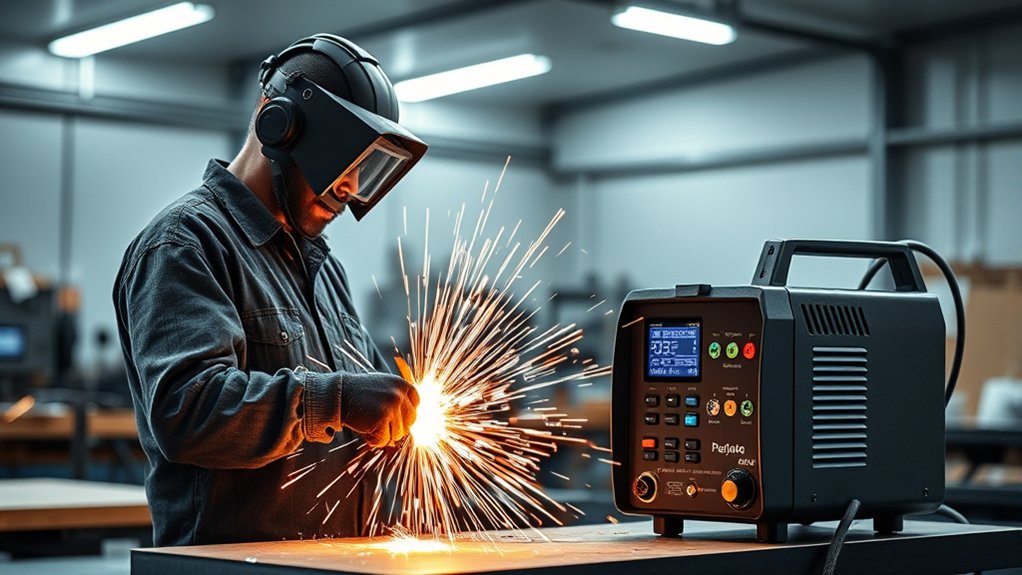
Plasma cutting can reduce some risks linked to fuel-gas cutting because many plasma systems use compressed air, nitrogen, argon, or other non-fuel gases instead of an open oxy-fuel flame. That does not make the process risk-free.
According to OSHA guidance on welding, cutting, and brazing hazards, cutting work can involve metal fumes, UV radiation, burns, eye damage, electrical shock, cuts, and crushed fingers or toes. NIOSH/CDC also notes that welding fumes are made of metals and can create health concerns, especially without good controls.
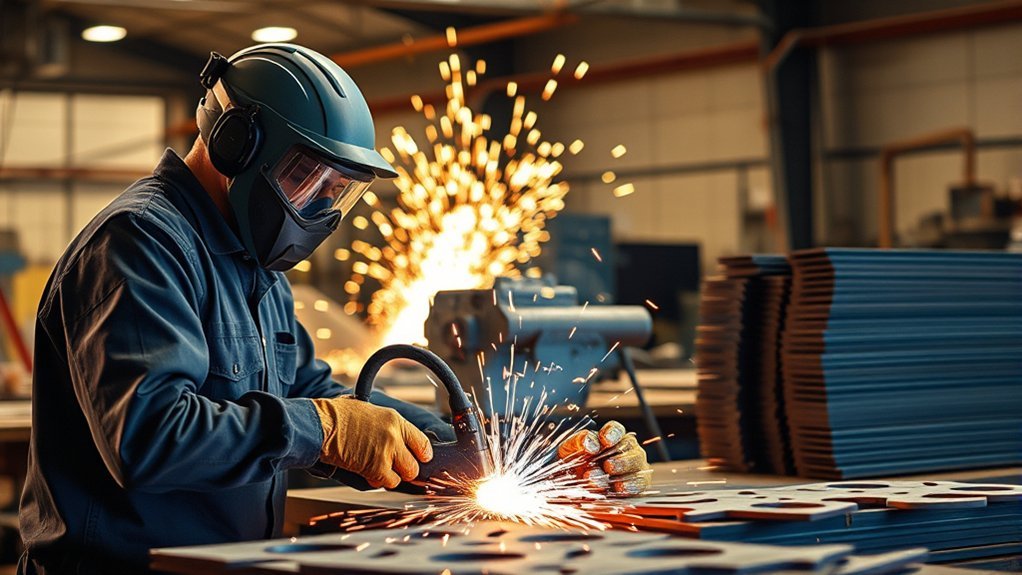
Warning: Wear proper eye and face protection, flame-resistant clothing, gloves, hearing protection, and closed leather footwear. Use ventilation or fume extraction, keep flammables away, and never cut sealed containers or unknown tanks.
For eye protection, follow your machine manual and current safety rules. OSHA’s eye and face protection standard includes filter-lens guidance for welding and cutting. Start darker when unsure, then move lighter only if it still meets the minimum shade needed for the arc and amperage.
Products Worth Considering

Lens Technology- IR 5.0 Filter Green Lens are ANSI & CSA compliant, with 99% protection from UV rays to reduce eye fatigue and prevent damage.

✅Arc & Flame Resistant for Life - This 7 oz material is a soft, breathable cotton. They will remain arc and flame retardant regardless of the washes and wear cycles. These cotton fr balaclavas are NFPA 70E Compliant, HRC / CAT 2, EBT = 12 cal/cm² and meet ASTM F1506.
When Plasma Cutting Is the Best Choice
A plasma cutter is usually a strong choice when you need speed, portability, and shape flexibility on conductive metal. It is especially helpful for:
- Cutting sheet metal and plate to rough or finished size.
- Making brackets, gussets, tabs, patch panels, and repair pieces.
- Cutting curves, holes, and irregular shapes without drilling many starter holes.
- Working with stainless steel or aluminum where oxy-fuel is not ideal.
- Doing field repairs where a portable cutter and air supply are easier than a full cutting station.
It may not be the best choice when you need laser-level precision, extremely small holes, very tight tolerances, perfectly square edges, or a finished edge with no cleanup at all. For those jobs, laser, waterjet, machining, or a CNC process may be better.
Setup and Maintenance Checklist
Plasma cutters stay accurate and reliable when you keep the setup simple and consistent. Before cutting, check these items:
- Air supply: Make sure the compressor can deliver the required pressure and flow.
- Dry air: Use a filter or dryer if your line has moisture, oil, or heavy condensation.
- Consumables: Inspect the electrode, nozzle, shield, and swirl ring before important cuts.
- Ground clamp: Attach it to clean metal near the cut when possible.
- Torch lead: Check for cuts, burns, loose fittings, or crushed sections.
- Work area: Clear away solvents, fuel, sawdust, rags, cardboard, and other flammable materials.
- Test cut: Use scrap from the same material to confirm amperage, speed, and air pressure.
If the arc sputters, the edge gets rough, or dross suddenly increases, stop and inspect the consumables and air supply before blaming the machine.
Products Worth Considering

Package Include: 10 Shield Cups, 50 Nozzles, 20 Swirl Baffle, and 30 Electrodes.

[Achieve Precise Cuts] PT31 Plasma Cutting Consumables – Your Essential Tool for Efficient Cutting! Whether you're working with sheet metal, steel, or any other material, superior cutting performance ensure clean, accurate, and smooth cuts.

⚡【Precision Compatibility】 Exact fit for YESWELDER CUT 55DS Pro & 65DS (2019-2024 models). Replaces OEM# IPT40-55DS/65DS.
Frequently Asked Questions
How does a plasma cutter work?
A plasma cutter sends an electric arc through gas to create plasma. The arc melts the metal, and the high-speed gas stream blows the molten metal out of the cut. The workpiece must be electrically conductive so the circuit can complete through the ground clamp.
What maintenance is required for plasma cutters?
Inspect and replace worn electrodes, nozzles, shields, and swirl rings. Drain compressor tanks, keep air filters clean, check cables and torch leads, and make sure the ground clamp is clean and tight. Dry air and good consumables are two of the easiest ways to improve cut quality.
Can plasma cutters be used for non-metal materials?
No, not in normal shop use. Plasma cutters need an electrical path through the workpiece, so they are made for conductive metals. Do not use them for wood, plastic, glass, rubber, concrete, or other non-conductive materials.
What power sources are compatible with plasma cutters?
Many small plasma cutters run on 120 volts, 240 volts, or dual voltage, depending on the model. Some can run from generators, but only when the generator output, wattage, and power quality meet the cutter manufacturer’s requirements. Always check the manual before using generator power.
How does plasma cutting compare to laser cutting?
Plasma cutting is usually more affordable, portable, and practical for many repair and fabrication jobs, especially on thicker conductive metals. Laser cutting is usually better for very fine detail, tight tolerances, small holes, and production parts that need minimal edge cleanup.
How thick can a plasma cutter cut?
It depends on the machine amperage, input power, duty cycle, metal type, and whether you need a clean cut or only a severance cut. Use the manufacturer’s rated capacity chart instead of relying on a general thickness number.
Is plasma cutting safe indoors?
It can be done indoors only with proper ventilation, fire control, PPE, and a safe work area. Plasma cutting can create fumes, sparks, hot slag, intense light, and noise. Avoid cutting painted, galvanized, coated, or unknown metals indoors unless you have the right fume controls and respiratory protection.
Conclusion
Plasma cutters are valuable because they combine speed, flexibility, and clean metal-cutting performance in one tool. You can use them for fabrication, repair, art metalwork, shop projects, automotive work, and field cutting when the material is conductive and the machine is rated for the job.
The best results come from matching the cutter to the metal, using dry air, keeping consumables fresh, setting the correct amperage, and moving the torch at a steady speed. Treat safety seriously, too. With the right PPE, ventilation, and fire control, a plasma cutter can become one of the most efficient cutting tools in your shop.
Sources
- Plasma cutting reference — process overview, conductive materials, and cut-quality variables.
- Plasma arc cutting reference — how plasma arc cutting differs from oxy-fuel cutting and where it applies.
- OSHA Welding, Cutting, and Brazing Hazards and Solutions — safety hazards, PPE, fumes, UV radiation, burns, shock, and other risks.
- CDC/NIOSH Welding Fumes and Manganese — welding fume composition and health concerns from metal fume exposure.
- OSHA 1910.133 Eye and Face Protection — eye and face protection requirements for workplace hazards.