Disclosure: As an Amazon Associate, we earn from qualifying purchases. If you click a link on this page and make a purchase, we may receive a small commission at no extra cost to you.
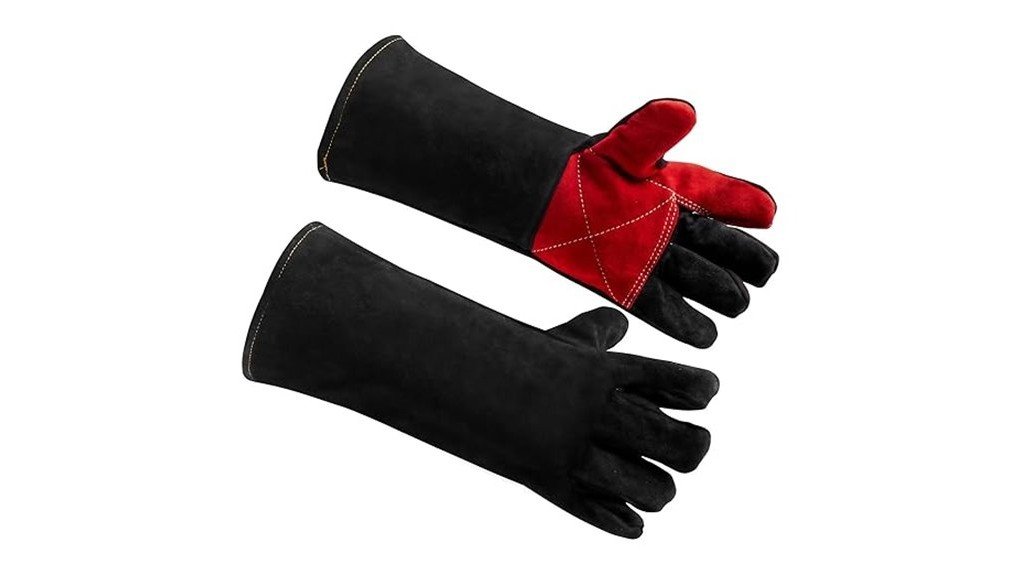
Hand protection matters when you work near sparks, heat, rough materials, thorny brush, or unpredictable animals. The AOWPFVV 16-Inch Leather Welding Gloves are made for buyers who want more wrist and forearm coverage than a short work glove provides. The article-supported highlights include 1.5mm natural cowhide split leather, Kevlar-reinforced construction, a breathable cotton lining, and heat resistance listed up to 662°F (350°C). The main tradeoff is simple: thicker leather improves coverage and durability, but it reduces fingertip feel for fine welding or small hardware work.
Quick Verdict
Rating: Recommended with caveats, 8/10
Best For: welders, grill users, gardeners, campers, and animal handlers who need extended forearm coverage.
Bottom Line: These gloves make sense if you want thick cowhide leather, a long cuff, and multi-use protection for hot or abrasive jobs. Skip them if you need ultra-thin fingertip feel, documented workplace certifications, or guaranteed protection against serious animal bites.
Key Takeaways
- The 16-inch length helps protect your wrists and lower forearms from sparks, heat, brush, and light contact hazards.
- The AOWPFVV listing details support a 1.5mm natural cowhide split leather build, which gives the gloves a tougher feel than many thin utility gloves.
- The listed heat resistance is up to 662°F (350°C), but you should still avoid prolonged direct contact with hot metal, coals, or open flame.
- The breathable cotton lining improves comfort during longer jobs, especially when your hands get warm inside thick leather gloves.
- Kevlar-reinforced construction can improve durability, but it should not be treated as a certified cut rating or a guarantee against serious animal bites.
| Specification | Detail |
|---|---|
| Brand | AOWPFVV |
| ASIN | B0BNJC228Q |
| Product type | Leather welding and animal-handling gloves |
| Design | Long-cuff pull-on glove for hand, wrist, and lower forearm coverage |
| Length | 16 inches, based on the reviewed variant |
| Size | Large, based on the reviewed product title |
| Main material | Natural cowhide split leather |
| Leather thickness | 1.5mm, based on article and fallback listing details |
| Reinforcement | Kevlar-reinforced and double-leather reinforced areas, based on source details |
| Lining | Breathable cotton lining |
| Listed heat resistance | Up to 662°F (350°C) |
| Package note | Typically listed as one pair of gloves, but confirm the current seller details before ordering |
| Water resistance | Not intended as waterproof gloves |
| Best use | Welding, grilling, gardening, camping, hot cookware handling, and controlled animal handling |
| Care note | Clean gently by hand, use a damp cloth when possible, and air dry away from direct heat |
| Safety note | Use proper welding safety gear and follow the product instructions for heat, sparks, sharp edges, and animal handling. |
What Are the AOWPFVV 16-Inch Leather Welding Gloves?
The AOWPFVV 16-Inch Leather Welding Gloves are long-cuff leather work gloves for jobs where your hands and lower forearms need more coverage than basic work gloves provide. The 16-inch length helps when you weld, handle firewood, work near a hot grill, or reach into thorny plants.
The source details support natural cowhide split leather with a 1.5mm thickness, Kevlar-reinforced construction, and a breathable cotton lining. That mix points to a glove built more for coverage, abrasion resistance, and heat-adjacent tasks than for ultra-fine dexterity.
The gloves are also promoted for more than welding. You may find them useful for gardening, camping, hot cookware, fireplace work, grilling, and controlled animal handling, as long as you understand their limits and do not treat them as certified protective equipment unless the seller documents that clearly.
Who Should Buy It?
Best For
- Welders who want a long leather glove for sparks, spatter, slag, and moderate heat exposure.
- Gardeners and yard workers who need protection from thorns, rough branches, and abrasive tools.
- Animal handlers who want thicker hand and forearm coverage during controlled handling tasks.
Skip If
- You need thin, high-sensitivity gloves for delicate TIG torch control or tiny parts.
- You need verified ANSI, EN, or workplace-specific safety certifications that are not listed in the article.
- You want a waterproof or machine-washable glove for frequent heavy cleaning.
Before You Buy: Check the current Amazon listing for size, color, length, package count, and safety claims before ordering. Some AOWPFVV glove variants may differ, and the reviewed article does not verify formal ANSI, EN, or animal-bite safety certifications.
Design and Material Quality
The biggest strength of these gloves is the combination of long coverage and thick leather. The 1.5mm cowhide split leather helps resist abrasion during welding, yard work, grilling, and handling rough materials.
The 16-inch cuff is useful when sparks, heat, brush, or animal contact can reach past your wrist. Short gloves may protect your palm but still leave your lower forearm exposed during awkward reaches.
The Kevlar-reinforced construction and double-leather reinforced areas support durability in stress zones. That matters when you grip tools, move rough branches, or handle materials that would wear down thinner fabric gloves faster.
The tradeoff is bulk. Thick leather gives you more protection, but it can reduce fingertip feel compared with thin work gloves or lighter TIG-focused gloves. That matters if you need to pick up small hardware, adjust tiny controls, or do detailed torch work.
Safety Features and Protection
The article lists heat resistance up to 662°F (350°C), which gives these gloves a practical advantage around welding sparks, hot grill tools, firewood, campfires, and heated cookware. Still, heat-resistant gloves are not the same as heat-proof gloves. Direct, prolonged contact with hot metal can still transfer heat through the leather and lining.
The long cuff gives you better forearm protection than wrist-length gloves. That helps when you weld in tight positions, move hot materials, prune thorny brush, or work around a grill or fire pit.
The reinforced leather and Kevlar-supported construction can add toughness for abrasion, scratches, and light bite risk. For animal work, use caution. No glove can guarantee full protection against serious bites, and high-risk animal handling should follow workplace rules, rescue protocols, or professional guidance.
Comfort and Flexibility
The breathable cotton lining is a helpful comfort feature because thick leather can trap heat. A lining gives your hands a softer contact layer and may reduce irritation during longer sessions.
The long cuff adds coverage, but it can also feel warmer and less nimble than a short glove. That is normal for a glove built for protection rather than fine motor control.
You should expect a break-in period because cowhide leather often feels stiff at first. After a few uses, the fingers may flex more naturally, but the glove will still feel thicker than a TIG glove or a light-duty work glove.
Pro Tip: Air the gloves out before first use, then flex the fingers by hand for a few minutes. This can reduce new-leather odor and help the glove feel more natural before a long welding, grilling, or yard-work session.
Versatile Applications
These gloves are most naturally suited for welding, but their long leather build makes them useful in other high-contact tasks. You can use them when moving firewood, handling hot grill tools, pulling thorny branches, or working around rough metal edges.
For gardening, the long cuff helps shield your wrists and lower forearms from thorns and brush. For camping, the leather can help when you need to move logs, cookware, or tools near a fire.
For animal handling, the thicker material and forearm coverage can help with scratches and light bite risk during controlled tasks. You should not use them as a guarantee against aggressive animals, venomous animals, or any situation that requires specialized protective gear.
Fit Tips Before You Buy
Confirm the exact size and variant on the current Amazon listing before you order. The reviewed product is described as a large 16-inch glove, but listings for similar AOWPFVV gloves may show different colors, padding styles, or longer animal-handling versions.
A safe work glove should feel secure without cutting off movement. If the glove is too loose, your grip may feel unstable. If it is too tight, the leather can restrict finger movement and make tool control harder.
For welding and grilling, choose a cuff length that covers your wrist and lower forearm when your arm is bent. For animal handling, make sure the cuff stays in place and does not leave exposed skin when you reach, lift, or restrain.
How It Performs in Real Use
For Welding and Hot Work
During welding, the 16-inch length is the main benefit. It gives you more coverage when sparks travel toward your wrist or when your forearm rests near hot metal. The 662°F listed heat resistance is useful, but you should still avoid holding hot workpieces longer than necessary.
For Gardening and Yard Work
For pruning, thorny plants, and moving rough branches, the cowhide leather should feel more protective than thin cloth gloves. The long cuff is helpful when you reach into dense brush or pull debris from tight spaces.
For Animal Handling
The gloves can support controlled animal handling where scratches or minor bites are a concern. They are not a replacement for training, supervision, bite-risk assessment, or professional restraint tools. If the animal is aggressive, venomous, wild, or dangerous, follow professional handling guidance.
For Camping, Grilling, and Cooking Tasks
For outdoor cooking, the gloves can help with hot cookware, firewood, grill tools, and campfire setup. They are not ideal for wet cooking tasks, and you should avoid soaking the leather because moisture can affect comfort, heat transfer, and durability.
How to Use Them Correctly
Make sure the glove cuff covers your wrist and lower forearm before you begin work. If the cuff folds back or leaves a gap, sparks, debris, thorns, or scratches can still reach your skin.
Keep the gloves dry when possible. Wet leather can transfer heat faster, feel stiff after drying, and lose comfort over time. If the gloves become damp, let them air dry naturally instead of placing them on a heater, grill, open flame, or hot metal surface.
For welding, pair the gloves with proper eye, face, sleeve, and body protection. Gloves protect only one part of your body, and they do not replace a welding helmet, flame-resistant clothing, safe ventilation, or careful work habits.
Common Mistakes to Avoid
Do not treat the 662°F heat-resistance claim as permission to hold hot metal, coals, or cookware for a long time. Heat can build through layers, and you should stop immediately if you feel warmth transferring through the glove.
Do not assume “animal handling” means the gloves are safe for every animal or every bite risk. Use them only for controlled handling, and get professional help for aggressive animals, large animals, venomous animals, or wildlife.
Do not store the gloves while they are damp. Moisture can make leather stiff, encourage odor, and shorten the life of the stitching and lining.
Cleaning and Maintenance
Clean the gloves with a damp cloth and mild soap when they pick up dirt, dust, soot, or residue. Avoid harsh chemicals because they can dry out leather and weaken stitching or lining materials.
Do not machine wash them unless the current product label clearly says that method is safe for your exact variant. Hand cleaning is the safer choice for leather gloves because machine washing can damage leather, affect fit, and reduce usable life.
After cleaning, let the gloves air dry away from direct heat. Store them in a dry place with enough airflow, and do not leave them compressed in a damp toolbox, garage corner, or vehicle trunk for long periods.
Material Safety and Comfort
Because these gloves touch your skin, comfort and material quality matter. The cotton lining creates a softer inside surface, while the cowhide exterior handles abrasion and heat better than many thin synthetic gloves.
If you have sensitive skin, check the glove interior before long use. Stop using the gloves if you notice irritation, damaged lining, sharp seams, exposed rough spots, or loose material inside the fingers.
For animal handling, remember that thicker gloves reduce injury risk but do not remove it. Use the right handling method for the animal, and get professional help when the situation is unsafe.
Pros and Cons
Pros
- 16-inch length gives better wrist and lower forearm coverage than short work gloves.
- 1.5mm cowhide split leather supports abrasion resistance and everyday durability.
- Listed heat resistance up to 662°F (350°C) helps with welding, grilling, campfire, and fireplace tasks.
- Breathable cotton lining improves comfort during longer use.
- Versatile enough for welding, gardening, camping, hot cookware, grilling, and controlled animal handling.
Cons
- Thick leather can reduce fingertip feel for detailed TIG work or small parts.
- Formal ANSI, EN, cut, puncture, and bite certifications are not verified in the source article.
- Leather care takes more effort than basic washable work gloves.
Target Audience and Recommendations
These gloves are a good match for buyers who want one rugged pair for several messy, abrasive, or heat-adjacent jobs. Welders, gardeners, animal control workers, grill users, campers, and fireplace users may all benefit from the long cuff and thick leather build.
They are less ideal for precision-only work. If you need maximum finger sensitivity, a thinner TIG glove may feel easier to control. If you need certified protection for a workplace, check the current product listing and your jobsite safety requirements before using them.
Is It Worth the Price?
These gloves look like a strong value for the price if you need one pair for welding, yard work, grilling, camping, and general heavy-duty protection. The long cuff and 1.5mm cowhide split leather give you more coverage than many basic utility gloves.
You get the most value if you plan to use the gloves across several tasks rather than only for one occasional job. They make more sense as a broad protective work glove than as a precision welding glove.
The main limitation is that the article does not verify formal certifications, workplace ratings, or every current Amazon variant detail. Check the listing for the exact size, color, package count, and safety language before you buy.
How It Compares to Alternatives
Compared with shorter leather work gloves, the AOWPFVV 16-inch gloves provide better forearm coverage. Compared with thinner TIG gloves, they should feel more protective but less sensitive for detailed fingertip control.
Silicone oven mitts may be easier for kitchen-only use, while certified cut-resistant gloves may be better for blade-heavy work. These gloves make the most sense if you want leather coverage for heat, sparks, rough materials, thorns, and controlled animal-handling tasks.
Frequently Asked Questions
Can these gloves be used for activities other than welding?
Yes. The article supports use for gardening, animal handling, camping, grilling, fireplace work, and hot cookware handling. Use them within reasonable limits and follow the product instructions for heat and safety.
Are the AOWPFVV 16-inch gloves machine washable?
Hand cleaning is the safer choice for leather gloves. Use a damp cloth and mild soap when possible, then let the gloves air dry away from direct heat. Check the current label or seller instructions for your exact variant.
Do they protect against serious animal bites?
They can add protection during controlled animal handling, especially against scratches and light bite risk. They should not be treated as guaranteed bite-proof gear for aggressive animals, venomous animals, wildlife, or professional restraint situations.
Are they good for detailed TIG welding?
They may work for some welding tasks, but the thick cowhide build can reduce fingertip feel. If you need delicate torch control or very precise filler-rod movement, compare them with thinner TIG-focused gloves before buying.
How should you choose the right size?
Check the current Amazon listing for available size options and seller guidance. A glove should feel secure without blocking finger movement or leaving a large gap at the cuff.
Can you use them for grilling or campfire cooking?
Yes, they can help with grill tools, firewood, hot cookware, and campfire setup. Avoid wet cooking tasks and do not hold hot metal, coals, or cookware for extended periods.
How long should these gloves last?
Lifespan depends on heat exposure, abrasion, cleaning habits, and how often you use them. With careful cleaning and dry storage, leather gloves usually last longer than thin fabric gloves in rough tasks.
What common mistake should you avoid?
Do not assume heat resistance means you can hold hot metal for a long time. Use tools when possible, limit direct contact, and stop if you feel heat transferring through the glove.
The Bottom Line
The AOWPFVV 16-Inch Leather Welding Gloves are worth considering if you want long-cuff cowhide protection for welding, grilling, gardening, camping, and controlled animal handling. Their biggest strengths are extended coverage, thick leather, and multi-use durability, while the main limitations are bulk and unverified certification details.
Buy them if you need rugged protection for broad work tasks. Skip them if you need ultra-precise fingertip control, waterproof materials, machine-washable convenience, or documented workplace safety certifications.
Ready to Buy?
Check the latest price, size, and product details before you decide.