Disclosure: As an Amazon Associate, we earn from qualifying purchases. If you click a link on this page and make a purchase, we may receive a small commission at no extra cost to you.
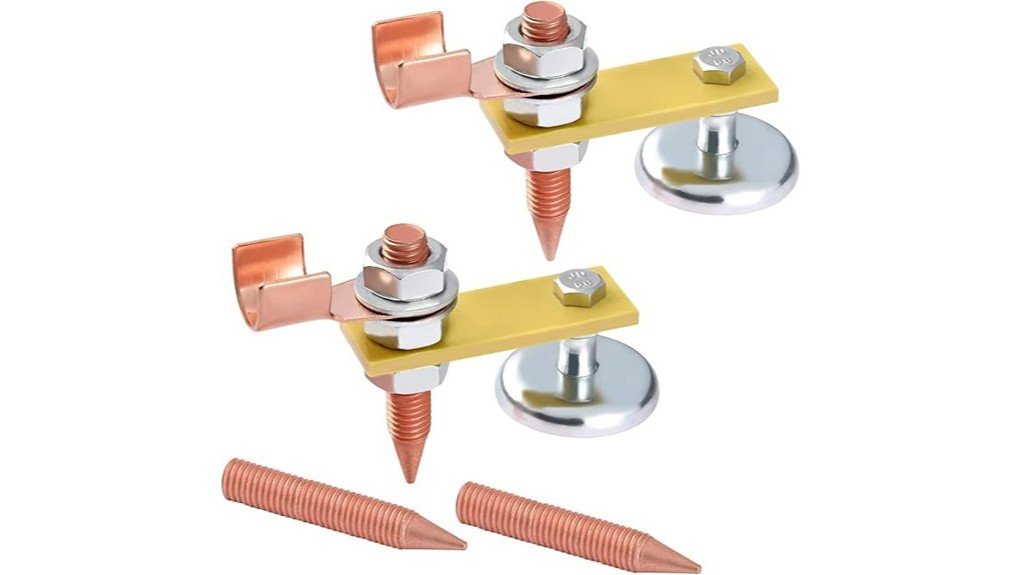
Grounding problems can slow down a welding job, create unstable arc behavior, and make setup harder than it needs to be. Magnetic Welding Support Ground Clamp Tools are made for quick attachment to smooth metal surfaces when you need a convenient grounding point for welding, cutting, or metal assembly work. This review helps you decide where this magnetic clamp style works well, where it falls short, and what to check before you rely on it in your shop or garage.
Quick Verdict
Rating: 8.0/10, Recommended with caveats
Best For: Welders, fabricators, and DIY metalworkers who need a fast temporary ground on clean ferrous metal.
Bottom Line: This magnetic ground clamp style can save setup time and keep your work area cleaner when the surface is flat, clean, and magnetic. It is not the best choice for rusty, painted, uneven, or non-ferrous surfaces where magnetic grip and conductivity may be weak.
| Specification | Detail |
|---|---|
| Product type | Magnetic welding support ground clamp tool |
| Design | Compact magnetic base for fast attachment |
| Material note | Copper contact components are claimed, but full material mix is not verified |
| Compatible surface | Clean, smooth, magnetic metal surfaces |
| Best use | Welding, cutting, grounding, and metal assembly setup |
| Care note | Keep the magnetic contact surface clean and inspect it before use |
| Safety note | Use only as directed and follow welding safety practices for grounding and personal protection |
What Is the Magnetic Welding Support Ground Clamp Tool?
A magnetic welding support ground clamp tool gives you a temporary grounding point without needing to bite into the workpiece with a traditional spring clamp. Instead of clamping around an edge, it uses a magnetic base to attach to a suitable metal surface.
This style can be useful when the workpiece shape makes a standard clamp awkward. It can also help when you need fast setup during cutting, tacking, fabrication, or repeated positioning on steel work surfaces. The main selling point is convenience, but the surface condition still matters.
Before You Buy: A magnetic ground clamp depends on both magnetic grip and clean metal contact. It may not hold or ground well on painted, rusty, oily, uneven, thin, or non-ferrous surfaces such as aluminum.
Key Takeaways
- The compact magnetic design makes setup faster on smooth ferrous metal surfaces.
- The magnetic base can support stable positioning during welding, cutting, and assembly tasks.
- Copper contact components are claimed, which can support electrical conductivity when the contact area stays clean.
- This tool works best as a convenient add-on, not as a cure for poor surface prep or incorrect grounding.
- Regular cleaning and inspection help preserve magnetic hold and contact performance.
Who Should Buy It?
Best For
- DIY welders who want faster ground placement on steel workpieces.
- Fabricators who often work on flat or gently curved magnetic metal surfaces.
- Users who need a portable grounding aid for small welding and cutting tasks.
Skip If
- You mostly weld aluminum, stainless grades with weak magnetic response, or non-magnetic metals.
- Your work surfaces are heavily painted, rusty, oily, scaled, or uneven.
- You need a verified weight rating, amperage rating, or exact dimension before purchase.
Features and Benefits of Magnetic Welding Support Ground Clamp Tools
Magnetic Base and Holding Stability
The biggest benefit is the magnetic base. It lets you attach the ground point quickly to a suitable metal surface instead of searching for an edge that a standard clamp can grab.
That convenience helps most when you reposition parts often or work with awkward shapes. The tradeoff is simple: the magnet needs clean, magnetic metal to hold well. Any paint, rust, slag, oil, or heavy mill scale can reduce grip and contact quality.
Conductivity and Grounding Contact
The article-supported material detail is high-quality copper, which is commonly used where conductivity matters. For a ground clamp, the contact area matters as much as the material itself.
You should make sure the contact point is clean before you strike an arc. A strong magnet does not automatically fix a poor electrical path. Clean metal contact gives the tool a better chance to perform consistently.
Compact Build and Portability
The compact design makes this clamp style easy to carry between work areas. It can fit into a welding cart, tool bag, or small fabrication setup without taking much space.
That portability helps hobbyists and mobile users who do not want to carry bulky holding tools for every small project. Still, compact size may also mean less contact area than a larger work clamp, so placement matters.
Multifunction Use Around the Shop
You can use this type of tool for welding, cutting, metal processing, and assembly support when the work surface allows it. It is most useful when speed and positioning matter more than heavy clamping force.
For precise assembly, the magnetic hold can keep the ground point close to your work area. That can reduce cable drag and help keep the setup tidy during small fabrication jobs.
How to Use Magnetic Welding Support Ground Clamp Tools
Start by cleaning the contact area. Remove loose rust, paint, oil, dust, slag, and metal debris from the spot where the magnet will sit. The cleaner the contact point, the better the grip and electrical path should be.
Place the magnetic clamp firmly on a smooth ferrous surface, then check that it does not slide, rock, or shift under cable tension. Keep the cable routed so it does not pull the tool away from the workpiece while you move.
Pro Tip: Test the magnetic hold before you weld by gently tugging the cable in the direction it will pull during use. If the clamp moves, clean the surface again or choose a flatter spot.
Compatibility and Safety
This clamp style is best matched with clean steel and other magnetic metal surfaces. It is not a reliable choice for non-magnetic materials, and it may struggle on curved or uneven surfaces if the base cannot make solid contact.
Always wear appropriate welding protection, follow your welder’s manual, and use the correct grounding method for your equipment. Do not place the clamp where sparks, heat, or moving parts can damage the cable or create a hazard.
Applications of Magnetic Welding Support Ground Clamp Tools
Magnetic Welding Support Ground Clamp Tools can help with several common shop tasks when the surface is suitable. They are most useful as a quick-positioning accessory rather than a heavy-duty workholding solution.
- Welding setup: Create a fast temporary ground point on clean steel.
- Cutting tasks: Keep the ground connection close to the work area when positioning allows.
- Assembly work: Support quick setup during tacking, layout, and fit-up.
- Portable repairs: Reduce setup time when you have access to a clean magnetic surface.
How It Performs in Real Use
For Small Garage Welding Jobs
For small steel repairs, brackets, tabs, and light fabrication, this tool can make setup faster. You can attach it near the work area and avoid fighting a traditional clamp on awkward edges.
For Repeated Repositioning
The magnetic design helps when you move between weld points often. Instead of opening and closing a spring clamp each time, you can lift and place the tool on another clean spot.
For Curved or Irregular Workpieces
The original article says the tool can attach to flat or curved surfaces, but real performance depends on contact area. A gentle curve may work, while a sharp curve, rough edge, or uneven surface may reduce stability.
For Outdoor or Field Work
Outdoor use can be practical when the surface is dry, clean, and magnetic. Rain, mud, grit, rust, and painted surfaces can all interfere with grip and conductivity, so inspect the contact point before each use.
Cleaning and Maintenance
Wipe the magnetic base and contact area after use so dust, metal shavings, and welding debris do not build up. Small particles can keep the base from sitting flat and may weaken the connection.
Inspect the tool for worn contact surfaces, loose parts, heat damage, or debris stuck to the magnet. Store it away from moisture and loose metal filings when possible. Good care helps the tool stay easier to place and more consistent over time.
Pros and Cons
Pros
- Fast magnetic attachment can reduce setup time.
- Compact design is easy to store and carry.
- Useful for welding, cutting, assembly, and metal processing tasks.
- Works without needing an exposed edge for a spring clamp.
- Simple maintenance needs, mainly cleaning and inspection.
Cons
- Not suitable for non-magnetic surfaces such as aluminum.
- Rust, paint, oil, and debris can reduce grip and conductivity.
- Exact brand, model, dimensions, and rating details were not verified from accessible product data.
Is It Worth the Price?
This magnetic ground clamp style can be a smart buy for everyday use if you often work on clean steel surfaces and want faster setup. It adds convenience without requiring a complex installation process.
The best value comes from using it as a shop accessory, not as your only grounding option. If you regularly work with dirty, painted, rusty, or non-magnetic materials, a traditional work clamp or another grounding method may be a better fit.
How It Compares to Alternatives
Compared with a traditional spring ground clamp, this magnetic style is faster to place but more dependent on surface condition. A spring clamp may be better when you have a clean edge to grab and want a firmer mechanical bite.
Compared with welding magnets or angle holders, this tool focuses on grounding support rather than holding parts at an angle. It makes the most sense when you want quick ground placement on a compatible metal surface.
Frequently Asked Questions
Can this magnetic ground clamp be used on uneven surfaces?
It works best on smooth surfaces where the magnetic base can sit firmly. Uneven, rough, or heavily curved surfaces can reduce contact area, magnetic hold, and grounding performance.
Will it work on aluminum?
No, aluminum is not a good match for a magnetic base because it is not ferromagnetic. Use a proper grounding method recommended for your setup when working with aluminum.
Do I need to clean the metal before using it?
Yes. Clean the contact spot before use so rust, paint, oil, slag, or dust does not block the magnetic grip or electrical contact.
Is this a replacement for a standard welding ground clamp?
It can replace a standard clamp in some quick setup situations, but it is better viewed as an add-on tool. Keep a traditional clamp available for edges, dirty workpieces, and surfaces where the magnet does not hold well.
Can I use it outdoors?
Outdoor use is possible when the surface is dry, clean, and magnetic. Avoid wet, muddy, rusty, or unstable contact points, and follow normal welding safety steps.
How do I maintain the clamp?
Wipe the base after use, remove metal shavings, and inspect the contact area for wear or damage. Store it in a dry place away from loose filings when possible.
Who should skip this magnetic clamp?
Skip it if you mostly weld non-magnetic materials, work on dirty outdoor metal, or need verified amperage and size details before buying. In those cases, compare a traditional work clamp or another grounding solution first.
The Bottom Line
Magnetic Welding Support Ground Clamp Tools are worth considering if you want a quick, portable ground option for clean steel surfaces. The main strength is fast placement, while the main limitation is reduced reliability on dirty, painted, uneven, or non-magnetic materials.