Setting up an oxy-acetylene torch can feel tricky at first. If the pressures are off, you can end up with a noisy, unstable flame or a sooty mess that ruins the weld. That’s where an oxy-acetylene welding pressure settings chart becomes essential. By matching oxygen and acetylene pressures to your tip size, metal thickness, and welding application, you can get a stable flame, proper weld penetration, and cleaner results. The right settings also matter for safety, fuel efficiency, and reducing the risk of flashbacks that can damage your equipment.
Whether you’re brazing thin sheet metal, fusing mild steel plate, or heating parts for bending and shaping, having the correct pressure settings dialed in makes a big difference. This guide breaks down practical torch settings you can use to weld with confidence and consistency.
Quick Answer
- Start with a pressure chart that matches your tip size and metal thickness, then fine-tune the flame at the torch.
- For steel, aim for a neutral flame, with a sharp inner cone and no feather.
- Never exceed 15 PSI on acetylene, higher pressures can become unstable.
- Light acetylene first with a striker, then add oxygen slowly to reach the flame you want.
- Test on scrap and make small adjustments until the flame is steady and the puddle behaves the way you need.
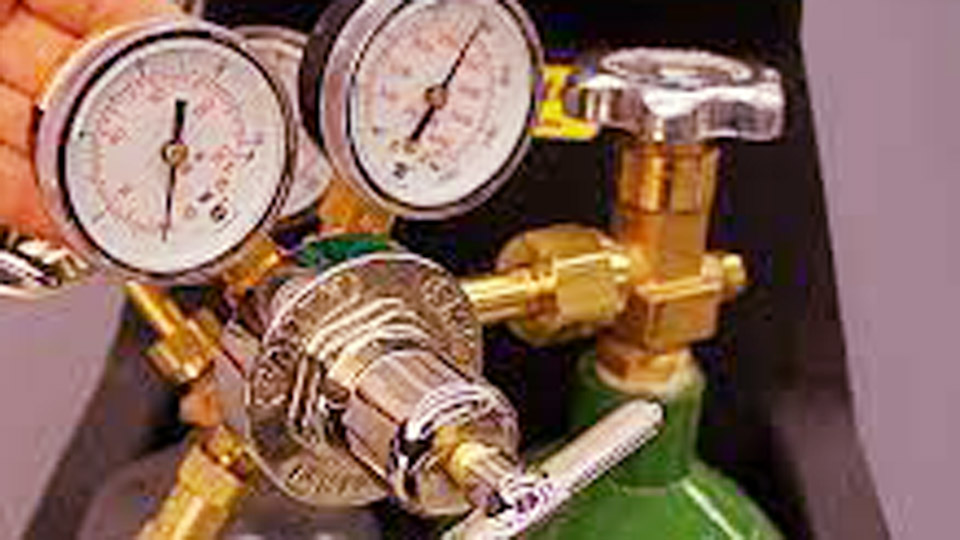
Image by hotrod
Oxy Acetylene Welding Basics
Oxy acetylene welding, or gas welding, mixes oxygen and acetylene to create a flame hot enough to melt metals, up to 6,300°F. It’s versatile for thin sheets, pipes, and repairs where electricity isn’t handy. The process works by heating the base metal to its melting point and adding filler rod if needed.
Use it when you need precise control, like on automotive bodywork or jewelry. It’s portable, affordable for starters, and a solid way to learn the fundamentals before jumping to MIG or TIG.
Practical know-how: Always check your hoses for cracks. I once found a leaking acetylene hose that could have turned a simple repair into a serious problem. Replace worn hoses, and use flashback arrestors for an extra layer of protection.
Why Pressure Settings Are Critical in Oxy Acetylene Welding
Pressure settings control the flame type, neutral, carburizing, or oxidizing, and that directly affects weld quality. Too much acetylene can leave soot and weaken the weld. Too little oxygen can slow you down and hurt penetration.
In the real world, this matters for safety (reducing backfires) and efficiency (less wasted gas). If you’re working to a procedure or code requirement, consistent settings also help you stay on track.
I learned early on that cranking oxygen too high on thin steel can burn right through. A better approach is to start low, watch the flame, and adjust in small steps.
Tip: For prep, clean joints with a wire brush and bevel edges on thicker materials for better fusion.
Recommended Oxy Acetylene Pressure Settings for Different Materials
Settings vary by metal type. Steel usually wants a neutral flame, while aluminum is commonly run with a carburizing flame. Base your starting point on thickness and tip size, then fine-tune by watching the flame and how the puddle forms.
For mild steel, acetylene at 5-8 PSI and oxygen at 5-10 PSI is common for thinner work. Brass or copper often benefits from a softer flame, so you may run a bit richer, depending on the job.
Why use specific settings? Material compatibility matters. For example, excess oxygen on aluminum can create oxidation issues that fight you the whole way.
Tip: Test on scrap first. It’s the easiest way to dial in settings without risking your actual project.
Oxy Acetylene Welding Pressure Settings Chart for Steel
Here’s a chart I use in the shop. It matches common US-style equipment like Victor-pattern tips. It’s for welding mild steel, so adjust for alloys.
| Metal Thickness (inches) | Tip Size | Oxygen PSI (Min-Max) | Acetylene PSI (Min-Max) | Flame Type | Notes |
|---|---|---|---|---|---|
| Up to 1/32 | 000 | 3-5 | 3-5 | Neutral | For fine work, low heat. |
| 1/32 – 1/16 | 00 | 3-5 | 3-5 | Neutral | Good for sheet metal. |
| 1/16 – 1/8 | 0-1 | 3-6 | 3-5 | Neutral | Common for auto repairs. |
| 1/8 – 1/4 | 2-3 | 4-10 | 4-7 | Neutral | Increase for penetration. |
| 1/4 – 1/2 | 4-5 | 6-12 | 5-8 | Neutral | Bevel joints first. |
| 1/2 – 1 | 6-7 | 7-16 | 6-10 | Neutral | Use filler rod. |
| 1 – 2 | 8-10 | 10-24 | 9-15 | Neutral | For heavy fabrication. |
This chart assumes standard tips, so check your manufacturer’s chart too. Never exceed 15 PSI on acetylene to avoid instability.
Step-by-Step Guide to Setting Up Oxy Acetylene Pressures
Let’s break it down like I’m showing a new trainee.
- Secure cylinders upright, chains on.
- Crack valves briefly to blow out dust, then close them.
- Attach regulators, oxygen uses a right-hand thread, acetylene uses a left-hand thread.
- Connect hoses: green for oxygen, red for acetylene.
- Attach torch and tip.
- Open the acetylene cylinder valve about 1/2 turn, open the oxygen cylinder valve fully.
- With gas flowing at the torch, set the regulators: start around acetylene 5-7 PSI and oxygen 7-10 PSI, then adjust based on tip size and flame.
- Open the torch acetylene valve slightly and light it with a striker (never a lighter).
- Add oxygen slowly and adjust to a neutral flame with a sharp inner cone.
Common mistake: Lighting with both gases opened too far causes popping and soot. A better habit is to light acetylene first, then bring oxygen in gradually.
Safety: Wear leather gloves, shade 5 goggles, and have a fire extinguisher nearby.
Choosing the Right Tip Size for Oxy Acetylene Welding
Tip size should match metal thickness. Too small and the weld crawls along. Too big and you risk burn-through and warping.
For 1/8” steel, a size 2 tip is a common starting point. Larger tips have bigger orifices, which means more gas flow and more heat.
Use smaller tips for detail work and thin material, and larger tips for heavier plate.
I once used an oversized tip on thin tubing and warped it badly. Swapping to a smaller tip and keeping the heat moving fixed the problem.
Prep tip: Clean tips with wire cleaners weekly to prevent clogged holes and a wandering flame.
Flame Types and Their Pressure Adjustments
Neutral flame: Balanced oxygen and acetylene with a clean blue cone. This is the standard for steel.
Carburizing: Extra acetylene with a feathery cone. This is often used for aluminum, and it typically means running less oxygen for the same tip.
Oxidizing: Extra oxygen with a more hissing flame. This is commonly used for certain non-ferrous work like brass, and it usually means higher oxygen relative to acetylene.
Why adjust? Weld integrity. The wrong flame can add carbon or oxides and weaken the joint.
Tip: To find a neutral flame, start with acetylene until you see a slight soot, then add oxygen until the inner cone sharpens and the soot disappears.
Safety Considerations in Oxy Acetylene Pressure Settings
Safety first, acetylene is unstable above 15 PSI. OSHA’s 29 CFR 1910.253 sets 15 psig as the maximum for acetylene use.
Use flashback arrestors on the torch and at the regulators. Inspect for leaks with soapy water and fix any bubbles before you light up.
In shop practice, store cylinders correctly. Keep oxygen away from oil and other flammables, and store oxygen cylinders at least 20 feet from fuel-gas cylinders (or separate them with a proper noncombustible barrier).
I once forgot to close valves overnight and came back to low tanks. Now I always shut the cylinders, bleed the lines, and back off the regulator screws after every session.
US codes: Follow OSHA for storage and handling, and follow the guidance in your equipment manual where applicable.
Common Mistakes in Oxy Acetylene Pressure Settings and Fixes
Mistake: High acetylene causing carbon deposits and a dirty puddle.
Fix: Drop to 5-8 PSI, clean the weld area, and reset the flame to neutral.
Mistake: Low pressure leading to a weak flame that keeps going out.
Fix: Check regulators and hoses, then increase pressure gradually until the flame holds steady.
Mistake: Mismatched settings that make the torch pop or backfire.
Fix: Start balanced around 5-7 PSI (or per tip chart), then adjust while watching the flame and listening for instability.
From experience: Rushing settings often shows up as porosity or a bead that just won’t wet in. Take a minute to test and adjust.
Equipment Recommendations for Oxy Acetylene Welding
Go with Victor or Harris torches. They’re common in US shops and parts are easy to find.
Regulators: Dual-gauge regulators make it easier to set working PSI accurately.
Filler rods: RG45 for steel is common. Match rod diameter to thickness.
Pros: A basic portable setup can often come in under $500, not counting cylinders, depending on brand and where you buy.
Cons: Gas costs add up over time compared to electric welding.
Tip: Invest in rosebud tips for heating larger areas evenly.
Oxy Acetylene vs Other Welding Processes: When to Choose Gas
Oxy acetylene shines for fieldwork when power isn’t available.
Compared to MIG, gas welding is slower, but it can be very controllable on thin metal once you get the feel for it.
Pros: No electricity needed, and the same setup can weld, braze, and heat.
Cons: Slower than arc processes and more skill-intensive.
Use when: Repairing exhausts, fencing, or doing on-site work where you need a portable heat source.
I’ve switched to oxy on remote jobs when power failed, and it absolutely saved the day.
Pressure Settings for Welding Aluminum with Oxy Acetylene
Aluminum needs a carburizing flame, with acetylene 5-10 PSI and oxygen 5-12 PSI.
Why? It helps reduce oxidation problems while you’re working.
Use flux-coated rods and preheat gently.
Tip: Clean with a stainless brush and weld quickly to limit warping.
Chart addition: For 1/16” aluminum, tip 1, acetylene 4-6 PSI, oxygen 4-7 PSI.
Pressure Settings for Brazing with Oxy Acetylene
Brazing uses lower heat, with a neutral or slightly carburizing flame.
Settings: Acetylene 3-5 PSI, oxygen 3-7 PSI.
For copper pipes, tip 2-3.
Pros: Strong joints without melting the base metal.
Cons: Flux cleanup is part of the job.
Tip: Use brass rods and heat the joint evenly, not just one spot.
Real-World Applications of Oxy Acetylene Welding
In auto shops, it’s often used for body and light repair work, settings around 5-8 PSI are common for 1/8” steel with the right tip.
Farm work: Fixing implements and brackets, usually with lower pressures on thinner parts.
Hobbyists: Art sculptures and small fabrication where the heat control really matters.
Industrial: Pipe work and repairs, often under procedure requirements.
One of my longest-lasting repairs was a trailer hitch weld done with steady heat and clean prep. The settings mattered, but the joint prep mattered just as much.
Pros and Cons of Oxy Acetylene Welding
Pros: Portable, low barrier to entry, and versatile.
Cons: Gas hazards, slower than arc welding, and skill-intensive.
When to choose: Learning fundamentals or doing remote work without reliable power.
Joint Preparation Tips for Optimal Welds
Bevel edges over 1/8” thick.
Clean oxides and oil from the joint area.
Gap joints slightly when you need room for filler.
Prep work helps penetration and reduces defects.
Filler Rod Selection and Compatibility
For steel: RG60, 1/16” diameter for thin material is a common choice.
Match rod to base metal, aluminum rods for aluminum, and so on.
Why? Compatibility helps prevent cracking and weak joints.
Tip: Dip the rod into the puddle and let it melt in. Don’t try to melt the rod in the flame by itself.
Maintaining Your Oxy Acetylene Equipment
Check regulators yearly.
Clean tips and replace worn O-rings.
Store gear cool and dry.
I once neglected maintenance and ended up with a sticky valve. A little preventative care would have saved time and frustration.
Troubleshooting Weak Welds Due to Pressure Issues
Weak bead? Increase oxygen slightly and make sure you’re still running a neutral flame (for steel).
Porosity? Check for leaks, clean the joint, and reset the flame. Contamination and unstable settings both show up fast in gas welding.
Test pressures with the gauge, and remember that tip condition and hose flow also affect what you see at the torch.
Conclusion
The main takeaways are straightforward: Use the oxy acetylene welding pressure settings chart as your baseline, start low and adjust for the flame you need, and keep safety checks non-negotiable. With the right pressures, tip size, and flame type, you’ll get stronger, cleaner welds whether you’re repairing steel or working on aluminum. Set your torch up carefully, test on scrap, and you’ll weld with a lot more consistency.
FAQ
What are standard oxy acetylene pressure settings for welding steel?
For most steel welding, set acetylene to 5-8 PSI and oxygen to 5-10 PSI, adjusting based on thickness. Use a neutral flame for best results.
Why can’t I exceed 15 PSI on acetylene?
Acetylene becomes unstable above 15 PSI, risking explosions. Stick to manufacturer max for safety.
How do I light an oxy acetylene torch safely?
Open acetylene valve slightly, light with a striker, then add oxygen to adjust the flame. Never use a lighter.
What’s the difference between welding and cutting pressures in oxy acetylene?
Welding uses lower pressures (3-15 PSI) for controlled heat; cutting needs higher oxygen (20-40 PSI) for blow-through.
Can I use oxy acetylene for aluminum welding?
Yes, with a carburizing flame at 4-7 PSI each gas, flux, and aluminum rods. Clean thoroughly to avoid oxidation.