Disclosure: As an Amazon Associate, we earn from qualifying purchases. If you click a link on this page and make a purchase, we may receive a small commission at no extra cost to you.
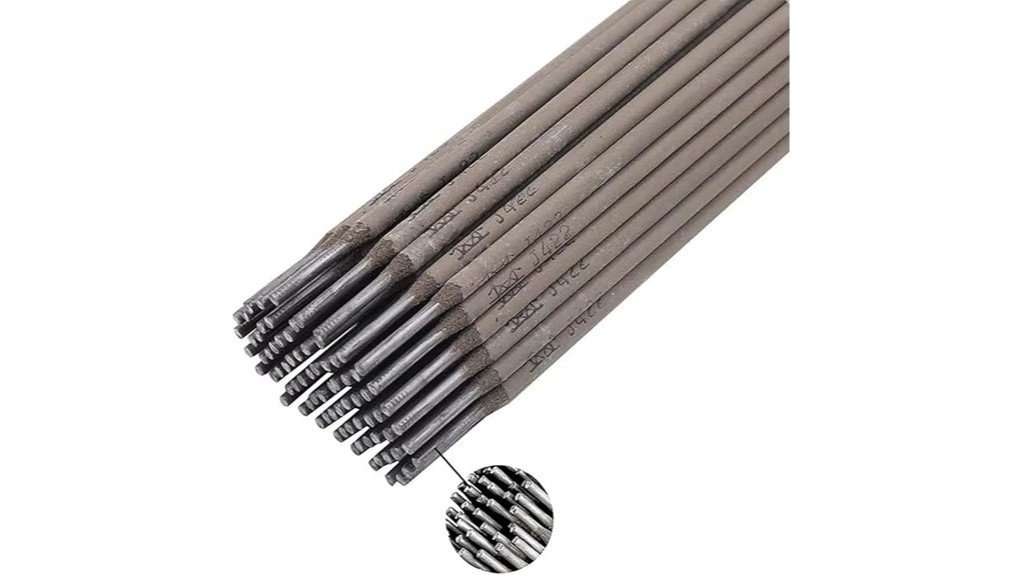
Choosing welding rods can feel simple until the arc starts sticking, the bead looks rough, or cleanup takes longer than the weld itself. The 50PCS J422 Welding Rods are designed for low-carbon and mild steel work, with a 1.8 mm diameter, 300 mm length, and an article-supported operating range of 80–130A. They make the most sense for light repairs, sheet metal, DIY fabrication, and small mild-steel projects where easy starts and manageable slag matter. This review explains where these rods fit well, where they fall short, and what you should check before buying.
Quick Verdict
Rating: Recommended with caveats, 7.8/10
Best For: DIY welders, home repair users, and light mild-steel projects that need small-diameter stick electrodes.
Bottom Line: These J422 rods are a practical choice if you want a 50-piece pack for low-carbon and mild steel jobs. They are not the right pick for aluminum, stainless steel, or heavy code-level structural work.
| Specification | Detail |
|---|---|
| Product Name | 50PCS J422 Welding Rods |
| Product Type | Stick welding electrodes for mild steel |
| Rod Type | J422 welding rods |
| Quantity | 50 pieces |
| Diameter | 1.8 mm |
| Length | 300 mm |
| Core Material | Carbon steel core, as stated in the source article |
| Supported Metals | Low-carbon steel and mild steel |
| Welding Positions | Flat, horizontal, vertical, and overhead positions |
| Operating Amperage | 80–130A, according to the source article |
| Best Use | Sheet metal work, household repairs, light fabrication, and DIY mild-steel projects |
| Storage Note | Store dry and cool to help protect the coating and welding performance. |
What Are the 50PCS J422 Welding Rods?
The 50PCS J422 Welding Rods are small stick electrodes made for welding low-carbon and mild steel. Their 1.8 mm diameter makes them better suited to lighter work than large rods used for thick steel or high-deposition welding. You can use them for general repair tasks, small fabrication jobs, and practice welds when your machine supports the needed amperage range.
The article-supported details point to a 300 mm rod length, carbon steel core, and usability across flat, horizontal, vertical, and overhead positions. That makes them flexible for small projects where you may not always weld on a clean bench. The main appeal is simple handling: smooth arc starts, stable control, minimal spatter, and easier slag removal when used with the right setup.
Before You Buy: These rods are for mild steel and low-carbon steel. Do not buy them for aluminum, stainless steel, cast iron repair, or heavy structural work that requires a specific certified electrode.
Who Should Buy It?
Best For
- DIY users welding mild steel for repairs, brackets, small frames, or shop projects.
- Beginners who want manageable rods with smooth arc starts and easy slag cleanup.
- Welders who need a 50-piece pack for light, occasional, or backup electrode use.
Skip If
- You need rods for aluminum, stainless steel, cast iron, or specialty alloys.
- Your project requires a certified electrode, code-approved procedure, or professional weld inspection.
- Your welder cannot run within the article-supported 80–130A range.
Key Takeaways
- The J422 Welding Rods are designed for low-carbon and mild steel applications.
- Each rod is listed in the article as 1.8 mm in diameter and 300 mm in length.
- The 50-piece pack works best for small repairs, sheet metal work, and DIY fabrication.
- The source article supports an operating amperage range of 80–130A.
- They are not suitable for aluminum welding or specialty metal work.
Product Specifications and Features
The main feature of these rods is their balance of small size and mild-steel compatibility. A 1.8 mm rod can be easier to control on lighter material, especially when you do not want a large weld bead or excessive heat input. The 300 mm length gives you enough rod to work through small joints without feeling oversized for repair tasks.
The carbon steel core supports bonding on low-carbon and mild steel surfaces. The source article also notes stable arc control, minimal spatter, and easy slag removal. Those details matter because they reduce cleanup time and help you see the bead more clearly after each pass.
Materials and Build Quality
The rods use a carbon steel core, which fits their intended use on mild steel and low-carbon steel. In practical terms, that means they are better for common shop metals than for specialty alloys. You should match the rod to the base metal before you strike an arc.
The coating and rod condition also matter. If stick electrodes pick up moisture or get damaged during storage, arc quality can suffer. Keep the pack sealed when possible, and store unused rods away from damp air, wet floors, and unheated spaces with heavy condensation.
Arc Starts, Spatter, and Slag Removal
The source article highlights smooth arc starts and stable control as key strengths. That can help newer welders because sticking the rod is one of the most common frustrations during stick welding. A smoother start also helps when you need to restart on short repair welds.
Minimal spatter and easier slag removal improve the finished result. You still need proper technique, clean metal, and the right current setting, but rods that chip cleanly can save time after welding. This is especially useful on small jobs where cleanup often takes longer than the weld itself.
Fit and Compatibility
These rods are intended for low-carbon and mild steel. They are a practical match for many home repair jobs, light brackets, small frames, and sheet metal tasks. They should not be treated as a universal electrode for every metal.
Machine compatibility depends on whether your welder can run the rod size and the article-supported amperage range. The source article lists 80–130A, so check your welder settings and the product label before use. Start within the recommended range and adjust only as needed for arc stability and bead control.
Performance Analysis
In everyday use, these J422 rods are mainly about control and cleanup. Smooth arc starts help you begin the weld with less sticking. Stable arc control helps you hold a steady puddle, especially on flat and horizontal work where most DIY repairs happen.
The rods are also described as usable in vertical and overhead positions. Those positions require more skill, so beginners should practice on scrap steel before welding a real repair. The rod can support multiple positions, but your technique, work angle, travel speed, and current setting still decide the final bead quality.
How It Performs in Real Use
For Household Repairs
For small mild-steel repairs, these rods offer enough flexibility for brackets, light frames, tool stands, and basic metal fixes. The 50-piece count gives you room for practice, restarts, and short jobs without buying a large bulk pack.
For Sheet Metal and Light Fabrication
The 1.8 mm diameter makes the rods more suitable for lighter work than larger electrodes. You still need careful current control because thin steel can burn through if you run too hot or move too slowly.
For Beginner Practice
Beginners can benefit from rods that start smoothly and remove slag without too much effort. Practice on clean scrap mild steel first, then inspect the bead after chipping the slag. This helps you learn how amperage and travel speed affect the weld.
For Position Welding
The article describes the rods as suitable for flat, horizontal, vertical, and overhead welding. Start with flat welds before trying vertical or overhead work. Out-of-position welds are less forgiving and need better puddle control.
How to Use It Correctly
Use these rods only with compatible mild steel or low-carbon steel. Clean the joint area before welding because paint, oil, rust, and dirt can affect arc stability and bead quality. Good prep gives the rod a better chance to perform as expected.
Match your welder settings to the rod and project. The article supports an 80–130A operating range, but your ideal setting depends on steel thickness, joint design, and welding position. If you are unsure, test on scrap material before welding the final piece.
Pro Tip: Store the rods in a dry container and test one rod on scrap steel before your real weld. If the arc feels unstable or the slag looks unusual, check moisture, amperage, and base-metal cleanliness first.
Applications and Usability
The 50PCS J422 Welding Rods are most useful for mild-steel repair and light fabrication. Common examples include sheet metal work, small household repairs, brackets, hobby projects, and general shop use. They are also useful as backup rods for occasional work when you do not need a large electrode pack.
Their usability depends on correct setup. A clean workpiece, stable ground clamp, correct amperage, and proper rod angle all matter. The rods can help reduce spatter and cleanup, but they cannot fix poor fit-up, wet electrodes, or the wrong base metal.
Safety and Storage Notes
Welding rods should be used with proper protective gear, including a welding helmet, gloves, long sleeves, and eye protection during slag removal. Work in a ventilated area and keep flammable materials away from sparks and hot metal. Follow your welder manual, product label, and local safety rules.
Storage is especially important for coated electrodes. Keep unused rods dry, cool, and protected from moisture. If rods become damp, damaged, or contaminated, weld quality may drop, and you may see more sticking, spatter, or slag problems.
Advantages of J422 Welding Rods
The biggest advantage is easy handling for mild-steel work. Smooth arc starts and stable control can make short repair welds feel less frustrating. Easier slag removal also helps you inspect the bead faster after each pass.
The 50-piece count is another practical benefit. It gives you enough rods for small projects, practice passes, and occasional repairs without committing to a large supply. For DIY users, that balance of quantity and convenience may be more useful than buying an oversized pack.
Pros and Cons
Pros
- 50-piece pack works well for practice, small repairs, and occasional shop use.
- 1.8 mm diameter is practical for lighter mild-steel tasks.
- Article-supported 80–130A range gives users a workable setup window.
- Smooth arc starts can reduce frustration for beginners.
- Minimal spatter and easy slag removal can reduce cleanup time.
Cons
- Not suitable for aluminum, stainless steel, or specialty alloys.
- Needs dry storage because moisture can hurt electrode performance.
- Not ideal for heavy structural jobs that require specific certified welding procedures.
Customer Feedback and Ratings
The source article notes positive buyer themes around smooth arc starts, stable control, minimal spatter, and easy slag removal. Those are the right areas to watch when judging a stick electrode because they affect both weld quality and cleanup time. Current Amazon rating and review-count details should be confirmed on the live listing before you use them in promotional copy.
For buyers, the most useful feedback is practical rather than just numerical. Look for comments about rod storage condition, arc stability, slag removal, and how the rods perform on mild steel. If several users mention moisture issues or inconsistent starts, check storage and packaging before you blame your welder settings.
Is It Worth the Price?
These rods look like a value-focused option for light mild-steel work. The 50-piece quantity makes sense if you need practice rods, backup electrodes, or a small supply for home repair tasks. They are worth considering if you care more about basic usability than advanced specialty welding performance.
The main limitation is compatibility. You get the most value only if your projects involve low-carbon or mild steel and your welder can run the supported amperage range. If you need rods for code work, specialty metals, or heavy-duty fabrication, choose an electrode that matches that exact requirement.
How It Compares to Alternatives
Compared with larger stick electrodes, these 1.8 mm J422 rods are better suited to lighter work and smaller repairs. Larger rods may be better when you need faster fill on thicker steel, but they can feel harder to manage on thin material or short DIY welds.
If you need a rod for stainless steel, aluminum, cast iron, or low-hydrogen structural work, a different electrode type will be the safer comparison. The 50PCS J422 Welding Rods make the most sense when your project is mild steel, light-duty, and focused on easy handling.
Frequently Asked Questions
Can these J422 welding rods be used for aluminum?
No. These rods are intended for low-carbon and mild steel. Aluminum welding requires a different process, filler, and setup.
What size are the rods?
The article-supported size is 1.8 mm in diameter and 300 mm in length. Check the live product label before buying because listings can change.
What amperage should you use?
The source article lists an operating range of 80–130A. Your best setting depends on metal thickness, welding position, joint fit-up, and your machine.
Are these rods good for beginners?
They can be beginner-friendly for mild-steel practice because the article describes smooth arc starts and easy slag removal. Beginners should still practice on scrap steel before welding a real repair.
Can you use them in all welding positions?
The source article says they can be used in flat, horizontal, vertical, and overhead positions. Start with flat welds first because vertical and overhead work need better puddle control.
How should you store the rods?
Store them in a dry, cool place away from moisture. Damp rods may create poor starts, extra spatter, or inconsistent weld quality.
Who should skip these welding rods?
Skip them if you need rods for aluminum, stainless steel, cast iron, or certified structural welding. They are best treated as light-duty mild-steel electrodes.
The Bottom Line
The 50PCS J422 Welding Rods are a sensible pick if you need small stick electrodes for mild steel repairs, practice welds, and light DIY fabrication. Their main strengths are smooth arc starts, manageable control, and easier slag cleanup, while the main limitation is narrow material compatibility. Skip them if your project involves aluminum, stainless steel, heavy structural requirements, or a welder that cannot run the needed amperage range.