Disclosure: As an Amazon Associate, we earn from qualifying purchases. If you click a link on this page and make a purchase, we may receive a small commission at no extra cost to you.
Missing PCB pads and damaged solder joints can turn a small electronics repair into a slow, messy job. The 2PCS Soldering Lugs are designed to help restore pad contact points without relying only on long jump wires. This review explains how their 30μm copper foil construction, reinforced pads, and fixed-pin design may help with phone, PCB, and small electronics repairs. They can be useful for careful technicians, but they still require proper soldering skill, correct placement, and a compatible repair surface.
Quick Verdict
Rating: 8/10, recommended with caveats
Best For: phone repair technicians, PCB repair hobbyists, and electronics users repairing missing or damaged solder pads.
Bottom Line: These soldering lugs are most useful when you need a cleaner pad-style repair than a simple jump wire. They are not a shortcut for poor soldering technique, and they may not fit every PCB layout.
| Specification | Detail |
|---|---|
| Product Name | 2PCS Soldering Lugs |
| Product Type | PCB solder pad repair lugs |
| Quantity | 2 pieces, based on the product name |
| Material | Industrial-grade printed circuit board copper foil |
| Foil Thickness | 30μm, as stated in the source article |
| Design | Reinforced pads with fixed pins |
| Primary Use | Restoring missing solder joints and original pads |
| Compatibility | Article-supported use with phones, PCBs, and intricate electronic devices |
| Best Use | Small electronics repair where a damaged pad needs a stable contact point |
| Safety Note | Use only with proper soldering tools, a powered-off device, and suitable PCB repair technique. |
What Are the 2PCS Soldering Lugs?
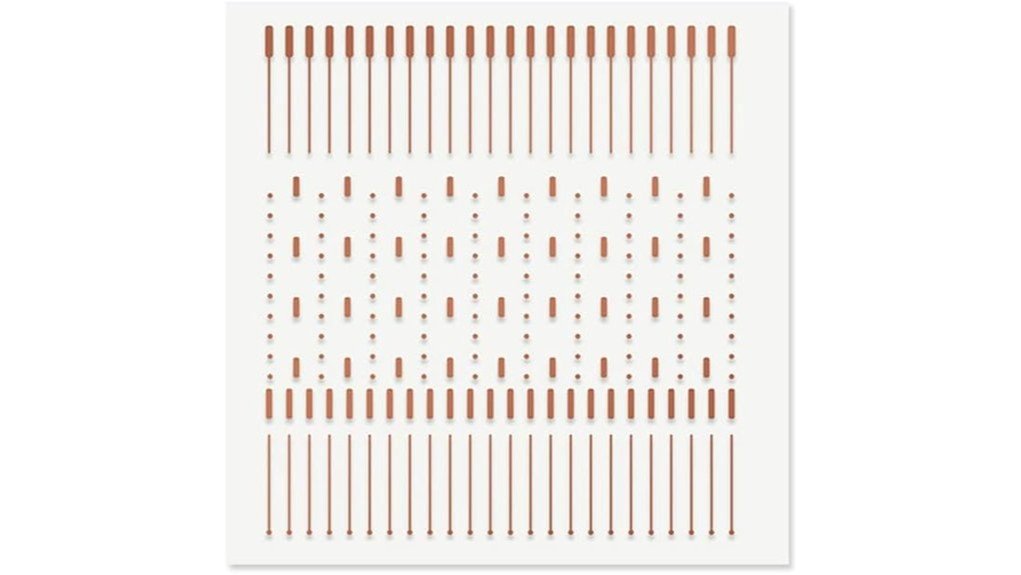
The 2PCS Soldering Lugs are small copper-foil repair parts made for damaged solder pad and missing-joint repair work. Instead of routing a visible jump wire across the board, you can use the lug as a replacement contact point when the board layout and damage pattern allow it.
The article-supported design includes reinforced pads, fixed pins, and 30μm industrial-grade printed circuit board copper foil. Those details matter because PCB repairs depend on stable contact, good conductivity, and a flat surface that helps reduce poor solder joints.
They make the most sense for careful phone and PCB repair work, not heavy-duty electrical lugs or large wiring jobs. You still need proper surface prep, controlled heat, flux, and careful inspection before returning the device to use.
Who Should Buy It?
Best For
- Technicians repairing missing or lifted solder pads on small PCBs.
- Phone repair users who want a cleaner option than long jump wire routing.
- Electronics hobbyists who already have soldering tools and board repair experience.
Skip If
- You need a lug for high-current wiring, battery terminals, or automotive cable work.
- You do not have soldering experience or the right tools for PCB-level repair.
- The damaged board area is burned, cracked, contaminated, or missing too much trace material.
Before You Buy: These lugs are repair aids for compatible PCB pad damage, not universal replacements for every broken trace or circuit fault. Check the board layout, pad size, trace path, and available space before ordering.
Key Takeaways
- The 2PCS Soldering Lugs are intended to help restore missing solder joints and damaged original pads.
- The article lists industrial-grade printed circuit board copper foil and a 30μm thickness.
- Reinforced pads and fixed pins help support a more stable repair surface during soldering.
- They can reduce reliance on traditional jump wire repairs when the board damage allows a pad-style fix.
- They are best for skilled electronics repair, because poor placement or excessive heat can still create unreliable results.
Design and Build Quality
The main design advantage is the combination of reinforced pads and fixed pins. In a small repair area, that extra support can help the lug stay positioned while you solder, inspect, and reconnect the affected component or trace.
The article states that the lugs use industrial-grade printed circuit board copper foil with a 30μm thickness. Copper foil is useful for electrical contact, while the flat pad surface can help you create a cleaner repair than a raised or uneven wire path.
The design still depends on the condition of the board. If the surrounding laminate, solder mask, or trace area is badly damaged, the lug may not create a reliable repair by itself.
Functionality and Repair Efficiency
The biggest benefit is speed and neatness when repairing missing solder joints. A traditional jump wire can work, but it may require extra routing, more solder points, and more time under magnification.
These soldering lugs give you a pad-style contact point that can help restore the original repair area more cleanly. That can be helpful on phones and compact PCBs where space is limited and visible wire loops can interfere with reassembly.
You should still inspect the electrical path after soldering. A clean-looking repair can fail if the lug is not bonded well, if solder bridges nearby contacts, or if the original trace path is not actually restored.
Compatibility and Sizing Considerations
The source article supports use with phones, PCBs, and intricate electronic devices. That does not mean the lugs fit every board or every missing-pad repair. PCB pad size, spacing, trace direction, and component clearance all matter.
Before you use a lug, compare it with the damaged area under magnification. The repair part should sit flat, avoid nearby pads, and allow the component lead or contact to land securely.
If the repair area is too small, too crowded, or close to sensitive parts, a micro jumper or another board-level repair method may be safer. When the board is valuable or difficult to replace, professional repair may be the better choice.
How It Performs in Real Use
For Phone Board Repairs
Phone boards often have tight spacing and delicate pads. These lugs can help when a small pad has lifted and you need a replacement contact point, but the work usually requires magnification, fine solder, flux, and steady heat control.
For PCB Hobby Repairs
For hobby PCB repairs, the lugs can make a damaged pad area look cleaner than a long jump wire. They are most useful when the surrounding trace is still identifiable and the repair surface can be cleaned before soldering.
For Missing Solder Joints
When a solder joint is missing or no longer bonds to the original pad, a lug can give you a new surface to work with. The reinforced pad design can help, but you still need to confirm continuity after the repair.
For Long-Term Repair Reliability
Long-term performance depends on proper bonding, board condition, and how much stress the repaired point receives. A lug can create a stronger-looking contact point, but repeated heat, vibration, or flexing may still weaken a poor repair.
How to Use It Correctly
Start by powering off the device and removing any battery connection when the device design allows it. Clean the damaged area, remove loose residue, and inspect the trace path before placing the lug.
Use only enough heat to bond the repair part and avoid lifting nearby pads. A fine-tip soldering iron, suitable flux, and careful alignment help reduce the chance of solder bridges or pseudo soldering.
After soldering, check the joint visually and test continuity with a meter when appropriate. Do not assume the repair works until the electrical path is confirmed and nearby contacts are clear.
Pro Tip: Test-fit the lug before applying solder. If it does not sit flat or it overlaps nearby contacts, stop and choose another repair method.
Compatibility and Safety
PCB repair involves heat, small components, and sensitive circuits. Always work on a powered-off device, avoid live circuits, and follow proper electronics repair practices for the device you are working on.
The article states that the lugs use copper foil and reinforced pads, but it does not list certifications, voltage ratings, or current ratings. Because of that, you should treat these as small electronics repair parts, not as general electrical connectors for high-current or safety-critical systems.
If the device contains a lithium battery, a high-value board, or sensitive data, consider professional repair. A poor repair can damage the board further or create an intermittent fault that is harder to diagnose later.
Pros and Cons
Pros
- Helps restore missing solder joints without relying only on visible jump wires.
- Industrial-grade printed circuit board copper foil supports good electrical contact.
- 30μm foil thickness gives the repair part a thin, pad-like profile.
- Reinforced pads with fixed pins help with stability during careful soldering.
- Useful for phone, PCB, and small electronics repair when the size and layout match.
Cons
- Requires proper soldering skill and board-level repair tools.
- May not fit every PCB pad size, trace layout, or damaged board area.
- Does not solve deeper circuit damage, cracked boards, or burned trace sections by itself.
Is It Worth the Price?
The 2PCS Soldering Lugs are worth considering if you regularly repair small electronics and want a cleaner way to address missing pad problems. Their value comes from saving time on certain repairs and reducing the need for awkward jump wire routing.
They offer the most value for users who already own soldering tools, magnification, flux, and a continuity meter. If you only need a one-time repair and do not have PCB repair experience, paying a qualified technician may be the smarter choice.
The main limitation is compatibility. A small repair lug can help only when the damage pattern, board layout, and available space match the repair method.
How It Compares to Alternatives
Compared with a traditional jump wire, these soldering lugs can create a cleaner contact point and may reduce visible wire routing. Jump wires can still be better when the original pad is gone but the trace must connect to a distant point.
Generic copper foil tape may offer more flexible sizing, but it may not provide the same reinforced pad and fixed-pin style described in this article. Donor-board pad repair can work for advanced technicians, but it takes more time and skill.
Frequently Asked Questions
What are the 2PCS Soldering Lugs used for?
They are used for small electronics repairs where a solder pad or solder joint is missing or damaged. The goal is to create a stable contact point that can replace or support the original pad area.
Can these replace a traditional jump wire?
They can replace a jump wire in some missing-pad repairs, especially when you need a cleaner pad-style contact point. They will not replace a jump wire in every case, because some damaged traces need a connection to a farther circuit point.
Are they compatible with all PCBs?
No. Compatibility depends on pad size, component spacing, trace layout, and the amount of board damage. Always compare the lug with the repair area before soldering.
What soldering equipment works best with these lugs?
A fine-tip soldering iron, suitable flux, fine solder, magnification, tweezers, and a continuity meter are useful for this type of repair. Temperature control helps reduce the risk of lifting nearby pads or overheating the board.
Can soldering lugs be reused after removal?
Reuse is not ideal after the lug has been heated, stressed, or pulled from a board. For a reliable repair, it is safer to use a fresh lug if the first attempt becomes bent, contaminated, or poorly bonded.
What mistakes should you avoid during installation?
Avoid placing the lug over nearby contacts, using too much solder, or applying heat for too long. You should also avoid using it on a dirty, burned, or unstable board surface.
Who should skip these soldering lugs?
Skip them if you need a heavy electrical connector, a cable lug, or a repair part for high-current wiring. You should also skip them if you are not comfortable with PCB-level soldering.
The Bottom Line
The 2PCS Soldering Lugs are a practical buy for skilled electronics repair users who need a cleaner way to restore missing solder joints and damaged PCB pads. Their main strength is the thin copper-foil pad design with reinforced fixed-pin support, while the main limitation is that fit and repair success depend heavily on board condition and soldering skill.
Choose them for compatible phone and PCB repairs. Skip them if you need a universal fix, a high-current connector, or a repair solution that does not require precision soldering.