As an Amazon Associate I earn from qualifying purchases. Buying through these links costs you nothing extra.
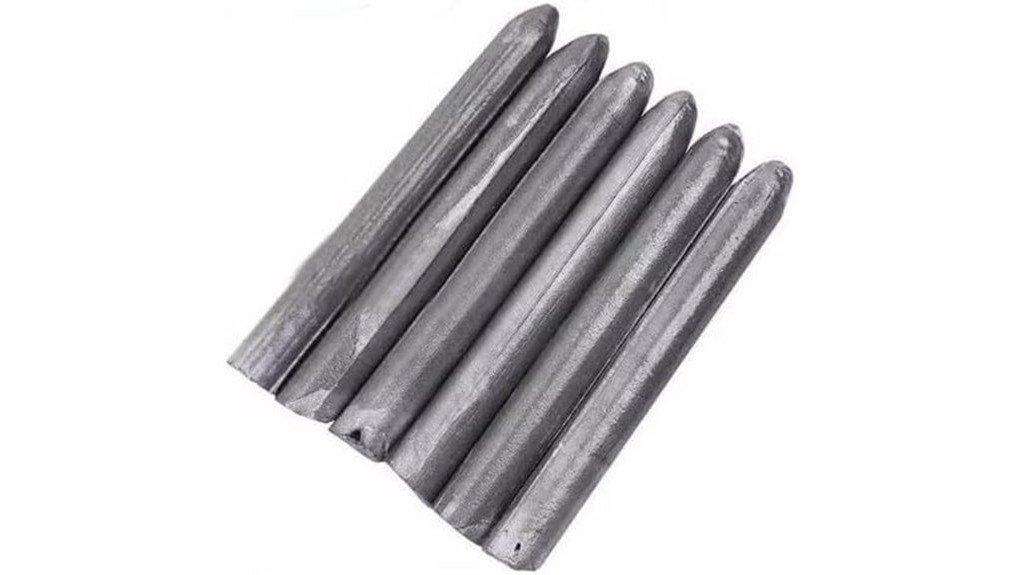
Joining thin or heat-sensitive metal can be frustrating when too much heat causes distortion before you finish the repair. The Galepromot low temperature welding rods (sold as the 6 Pieces Low Temperature Universal Welding Rods set) are designed to make small metal repairs easier by melting at a lower temperature than conventional welding electrodes. The six-rod set is most appealing for DIY repairs, practice work, and light fabrication where extreme joint strength is not required. Its main advantage is easier heat control, but you should not treat these rods as a substitute for properly specified filler metal on structural or safety-critical work.
Quick Verdict
Best For: DIY users handling small, non-structural metal repairs and light fabrication.
Bottom Line: The low-temperature design can make heat control easier on small projects, and the six-piece pack is convenient for occasional repairs. The tradeoff is that the available product information does not establish these rods as a suitable choice for structural, load-bearing, or high-strength welding.
| Specification | Detail |
|---|---|
| Brand | Galepromot |
| Product Type | Low-temperature universal welding/repair rods |
| ASIN | B0FL7TMFVK |
| Quantity | 6 rods |
| Heat Characteristic | Designed for low-temperature melting |
| Equipment Compatibility | Listing describes compatibility with most arc welding equipment |
| Intended Work | Light repairs, DIY projects, small fabrication, and practice work |
| Skill Level | Suitable for beginners and experienced DIY users |
| Main Limitation | Not established for structural, load-bearing, or heavy-duty welding |
Key Takeaways
- The package contains six low-temperature universal repair rods intended for small metal-joining projects.
- Lower heat input can make delicate or thin work easier to control and may reduce the chance of distortion compared with hotter welding processes.
- The product is marketed for use with different metal types and most arc welding equipment, but you should confirm suitability for your exact base material before starting.
- The small pack is better suited to occasional DIY repairs and practice than continuous shop production.
- These rods should not replace properly specified welding electrodes or filler metal on structural, load-bearing, pressure-containing, or safety-critical components.
What Are the Galepromot Low Temperature Welding Rods?
Spec details here come from the Amazon listing. Confirm them there before you buy.
This product is a six-piece set of low-temperature repair rods sold under the Galepromot name. The main selling point is straightforward: the rods are intended to melt with less heat than conventional welding electrodes, giving you more control when working on small parts that may be vulnerable to excessive heat.
The listing describes the rods as compatible with most arc welding equipment and suitable for different metal types. In practice, that broad wording means you should still test the rod on scrap material before committing to an important repair. Base-metal composition, surface preparation, heat input, joint design, and your equipment can all affect the final bond.
This is best viewed as a convenient repair consumable for hobby work rather than a certified replacement for a known AWS-classified electrode or a manufacturer-specified filler metal.
Who Should Buy It?
Best For
- DIY users making small non-structural metal repairs.
- Hobbyists who want a small six-rod pack for occasional projects.
- Beginners practicing heat control and basic metal joining on scrap or low-risk parts.
Skip If
- You need a code-specified electrode or filler alloy for professional welding.
- Your repair involves a structural, load-bearing, pressure-containing, or safety-critical component.
- You need a large supply for repeated production work.
Before You Buy: Do not choose these rods simply because the listing uses the word “universal.” Metal compatibility and joint strength depend on the exact base material and application. For structural or safety-critical work, use the filler metal and welding procedure specified for that component.
Key Features of the Low Temperature Welding Rods
Low-Temperature Melting
The central feature is the rod’s low-temperature melting behavior. Lower heat can be useful when you are repairing a small or relatively thin part because you have a wider margin before excessive heat causes visible distortion or damages nearby material.
The listing may quote a specific melting temperature, but that number is not clearly confirmed, so treat it with caution. It is safer to treat these as low-temperature rods without assuming an exact working temperature. Adjust your technique based on the rod’s actual behavior and the instructions supplied with the product.
Six-Piece Package
You receive six rods in the set. That quantity is convenient if you need a few rods for a repair, want material for practice, or prefer not to buy a large package of consumables.
The downside is equally clear. Six rods can disappear quickly when you are practicing, filling larger gaps, or making several repairs. Frequent users will probably want a larger supply.
Broadly Marketed Metal Compatibility
A clean test joint on scrap material is the safest way to evaluate wetting, flow, adhesion, and strength before working on the actual component.
Compatibility With Common Equipment
The product listing describes the rods as suitable for most arc welding equipment. Before using them, check your welder settings and the instructions supplied with both the machine and the consumable. Equipment capability alone does not guarantee that a specific rod and base-metal combination is appropriate.
Why the Lower Heat Can Be Useful
They can also be approachable for occasional users because the small package does not require a large consumable investment. Their usefulness is strongest on light repair work where convenience and controlled heating matter more than maximum joint strength.
Where It Fits in Practice
Small DIY Repairs
For brackets, small household metal pieces, hobby components, and similar low-risk repairs, the lower melting behavior can make the rod easier to manage. Surface preparation still matters. Dirt, paint, corrosion, oil, and oxidation can interfere with bonding even when the filler material itself flows easily.
Thin Aluminum Repair
Thin aluminum can be difficult because it transfers heat rapidly and can distort when overheated. A low-temperature rod may be useful for minor cosmetic repairs or small non-structural patches where you want to limit heat exposure. Test the process first because aluminum alloy and surface oxide can strongly affect the result.
Automotive Hobby Work
The rods may have a place in non-structural automotive hobby work, such as certain small brackets or cosmetic metal repairs. They are not a suitable choice for suspension parts, steering components, wheels, seat mounts, structural body sections, fuel-system parts, pressure-containing components, or any repair where failure could create a safety hazard.
Art and Fabrication Practice
For decorative metalwork and practice pieces, a six-rod package gives you enough material to experiment with joint preparation, heat control, and positioning without committing to a large box of consumables. This is also a better setting for trial and error because the finished joint does not need to carry a critical load.
How to Use Low Temperature Welding Rods Effectively
Good results depend as much on preparation as on the rod itself. Begin by removing paint, grease, oxidation, scale, and loose contamination from the joint area. Clean metal gives the filler a better opportunity to contact the base surface consistently.
Next, practice on a scrap piece made from the same or a similar metal. This lets you learn how quickly the rod softens and how much heat the base material needs before you attempt the actual repair.
Keep the joint stable while it cools. Movement during solidification can weaken the connection or leave a rough, incomplete joint. After cooling, inspect the repair rather than assuming that a smooth-looking surface automatically means the joint has adequate strength.
Pro Tip: Keep a small piece of matching scrap beside your project. Use it to confirm heat level and rod flow before each important repair, especially when you change metal type, thickness, or equipment settings.
Compatibility and Safety
Wear appropriate eye protection, welding gloves, protective clothing, and any other PPE required by your process. Keep combustible materials away from the work area, and provide suitable ventilation because heating metals, coatings, fluxes, and filler materials can produce hazardous fumes.
Use extra caution with galvanized metal. Heating zinc-coated steel can generate zinc oxide fumes. Do not treat surface cleaning as a substitute for proper ventilation, respiratory protection where required, and established welding-safety procedures.
You should also avoid welding sealed containers, fuel tanks, pressure vessels, or unknown coated materials without the proper training and procedures. When the repair affects vehicle safety, building structure, pressure containment, or another critical application, consult a qualified welding professional.
Pros and Cons
Pros
- Low-temperature design can make heat control easier on delicate work.
- Six-piece package is convenient for occasional DIY repairs.
- Marketed for use across several metal types.
- Suitable for practice, decorative fabrication, and light non-structural repairs.
- Compatible with most arc welding equipment according to the product listing.
Cons
- The accessible listing does not clearly establish an exact melting temperature or detailed filler-alloy specification.
- Not the right choice for structural, high-strength, or safety-critical welds.
- Six rods may be too little for regular shop use or extensive practice.
Best Uses for These Low Temperature Welding Rods
- DIY metal repair: Small brackets, hobby components, and other non-critical metal pieces.
- Decorative fabrication: Art projects and assemblies where appearance matters more than rated structural strength.
- Practice work: Learning surface preparation, filler control, and heat management on scrap material.
- Light automotive hobby work: Selected non-structural and non-safety-critical repairs only.
- Emergency workshop supply: A compact six-piece set can be kept on hand for appropriate minor repairs.
Is It Worth the Price?
This six-piece set makes the most sense as a small repair consumable rather than your primary welding-electrode supply. You get the most value if you only need a few rods for occasional hobby projects or want to experiment with low-temperature metal joining before buying a larger quantity.
It is less compelling for a professional fabricator who needs documented filler-metal specifications, repeatable mechanical properties, or enough consumables for regular production. In those situations, a clearly classified welding electrode, brazing alloy, TIG rod, or MIG wire matched to the base metal is a better investment.
How It Compares to Alternatives
Standard stick electrodes are designed around established arc-welding processes and are available in classifications suited to particular materials and strength requirements. They generally demand more careful control of amperage, electrode type, joint preparation, and welding technique, but they are the more appropriate choice when a known welding specification matters.
Conventional brazing rods are another option for lower-temperature joining, while TIG filler rods and MIG wire provide more controlled choices when you have the matching equipment and know the required filler alloy. The Galepromot set makes the most sense when your priority is a small package for light repairs rather than certified structural performance.
Related reading: compare it with the other 6-piece low temperature universal rod set, the 6PCS universal rods review, and the 60-piece low temp aluminum brazing rods.
Frequently Asked Questions
Are these the same as standard stick-welding electrodes?
No. They are marketed as low-temperature universal repair rods, and you should not assume that they have the same penetration, filler composition, or rated mechanical properties as a classified stick electrode. Use a specified electrode when the weld has structural or safety requirements.
Can these rods be used on aluminum?
Aluminum is one of the common intended uses associated with these low-temperature rods. Because aluminum alloys and surface conditions vary, clean the area carefully and test the rod on matching scrap before repairing the finished part.
Can they replace normal welding rods for structural work?
No. The available product information does not establish them as structural filler metal. For frames, load-bearing brackets, vehicle safety components, pressure vessels, or other critical work, use the specified welding process and filler material.
Why might a low-temperature repair fail to bond?
Common problems include oxidation, paint, grease, insufficient surface preparation, incorrect heat input, movement while cooling, or an unsuitable combination of rod and base metal. Testing on scrap can reveal these problems before you work on the actual part.
Can these rods be used on galvanized metal?
Heating galvanized steel can release zinc-containing fumes, so this is not simply a compatibility question. Follow proper hot-work procedures, ventilation requirements, PPE guidance, and the recommendations for your base material before attempting the repair.
How should low-temperature welding rods be stored?
Keep unused rods clean, dry, and protected from contamination or physical damage. Storing them in their original packaging or a clean closed container helps prevent dirt and moisture from reaching the rod surface.
Are six rods enough for a project?
Six rods can be enough for a few small repairs or practice joints, depending on how much filler each job requires. If you expect repeated repairs or need time to learn the technique, the small package may run out quickly.
Who should skip these low-temperature rods?
Skip them when you need a known AWS-classified electrode, documented filler-alloy chemistry, verified mechanical properties, or a welding procedure for a critical component. They are better suited to hobby and light repair use.
The Bottom Line
The Galepromot 6 Pieces Low Temperature Universal Welding Rods are worth considering for small DIY repairs, decorative fabrication, practice, and other non-critical metalwork where easier heat control is useful. Their main weakness is the limited technical specification available for the filler material, so buyers who need structural strength, certified compatibility, or professional production performance should choose a clearly specified welding consumable instead.