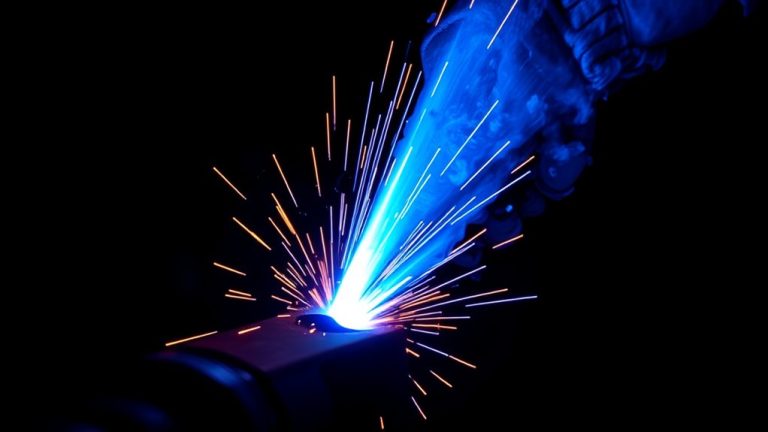
When considering a plasma arc cutting machine, you’ll appreciate its precision and speed. On many setups, tolerances are often around ±0.77 mm (0.030 in.), and results can improve with a high-quality CNC table and careful setup. It efficiently handles a wide range of conductive materials like stainless steel and aluminum. However, challenges show up with thicker materials, where cut quality can drop and the risk of heat-related warping becomes more likely. The initial investment and specialized consumables can be significant. Safety measures are essential because of noise, fumes, and intense light exposure.
Quick Answer
- Plasma arc cutting is fast and accurate for conductive metals, especially on CNC systems.
- It works well on common materials like carbon steel, stainless steel, and aluminum.
- On thicker plate (around 50 mm and above), edge quality can decline and heat can increase distortion risk.
- Budget for higher upfront cost and ongoing consumables (electrodes, nozzles, and gases).
- Use strong safety practices, including eye and hearing protection and good ventilation.
Understanding Plasma Arc Cutting Technology
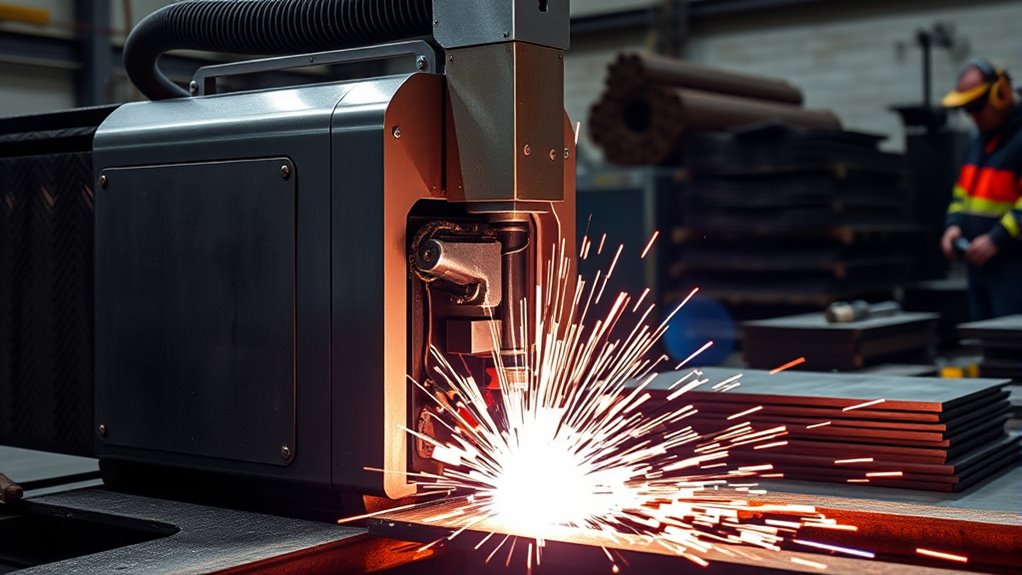
When you explore plasma arc cutting technology, you’ll find it uses ionized gas to cut conductive materials with impressive speed and repeatability. The process starts by ionizing compressed air or another gas to create a plasma arc that can exceed 20,000°C. That concentrated heat melts metal quickly, and the gas stream helps blow the molten material out of the cut path.
On a properly set up CNC system, accuracy is often measured in fractions of a millimeter. Many systems are commonly expected to hold about ±0.77 mm (0.030 in.), depending on the table, controls, torch height control, and overall setup (see Hypertherm’s guidance on plasma cutting accuracy).
Plasma arc cutting uses ionized gas to deliver precision and speed, achieving clean cuts with remarkable accuracy.
Plasma cutting is versatile, effectively slicing through stainless steel, aluminum, copper, and brass. It handles thicknesses up to 50 mm, making it useful for many fabrication and repair applications.
One of its key advantages is a relatively narrow heat-affected zone (HAZ), which helps preserve the surrounding material. Still, it’s a thermal process, so heat management matters, especially as thickness increases.
It’s also important to recognize potential drawbacks, such as the initial investment in equipment and the need for proper ventilation due to fumes.
Nevertheless, with operational costs as low as $3 per hour, it remains a cost-effective solution.
Key Benefits of Plasma Arc Cutting
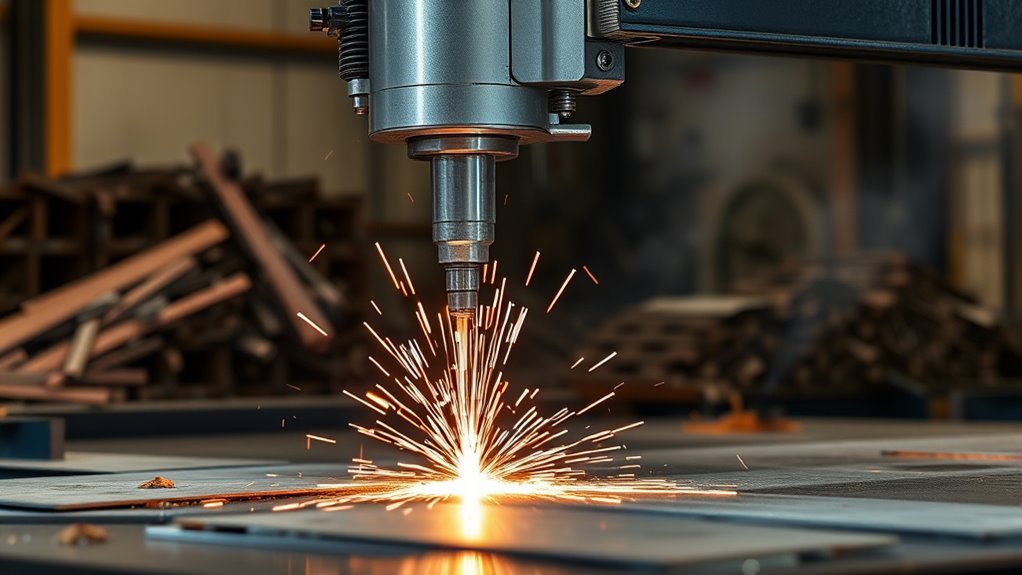
Plasma arc cutting offers several advantages, which is why it’s widely used in industrial and fabrication work. For many jobs, plasma cutting delivers accurate, consistent cuts. With the right CNC setup, tolerances around ±0.77 mm (0.030 in.) are often a realistic expectation, and careful tuning can improve repeatability for certain parts.
It also cuts through a wide range of materials, including carbon steel, stainless steel, aluminum, and copper. That versatility makes it useful across many types of shops.
Plasma systems are known for high cutting speed compared to many traditional methods, which can improve throughput and reduce time spent on each part. Because the cut happens quickly, you often spend less time heating the surrounding area than with slower cutting approaches.
Another benefit is the typically narrow heat-affected zone (HAZ). This helps maintain material integrity and can reduce warping and distortion, especially on thinner materials.
Operating costs can also be reasonable. Some estimates put electricity and consumables around $8/hour, which helps keep it a cost-effective solution for many metal fabrication workflows. Even with the disadvantages of plasma, such as initial investment, these benefits make it a strong option for clean cuts in metal fabrication.
Challenges and Limitations of Plasma Arc Cutting
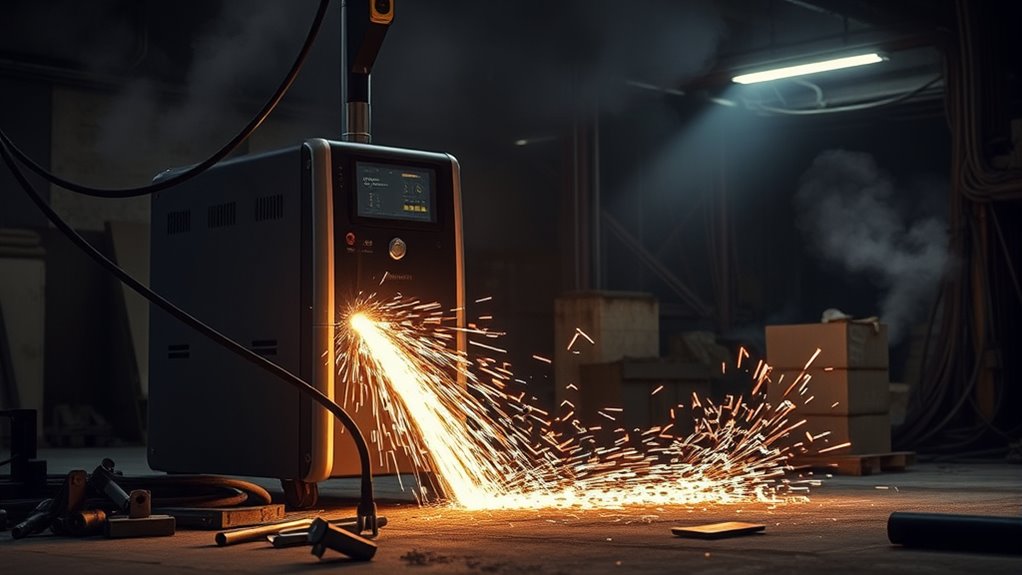
Although plasma arc cutting has clear benefits, it also comes with practical limits you should plan for.
The plasma cutting process can struggle with cut quality on thick materials, especially those over 50 mm. That makes it less suitable for some heavy industrial applications compared to flame or waterjet cutting. Also, while the HAZ is often relatively narrow, it can still be large enough to matter on sensitive metals. As thickness increases, heat buildup can affect mechanical properties and contribute to warping.
Plasma cutting’s cut quality diminishes on materials over 50 mm, leading to potential warping.
High initial investment and operating expenses are other hurdles. The equipment uses specialized consumables like electrodes, nozzles, and gases, and those costs add up over time.
The process also produces intense light and bright flashes. That means strict eye protection is non-negotiable. Noise levels, often cited in the 90 to 120 decibel range, make hearing protection important to reduce the risk of hearing damage.
These trade-offs are why it helps to match plasma arc cutting to the right materials, thickness ranges, and quality requirements.
Safety Measures in Plasma Arc Cutting
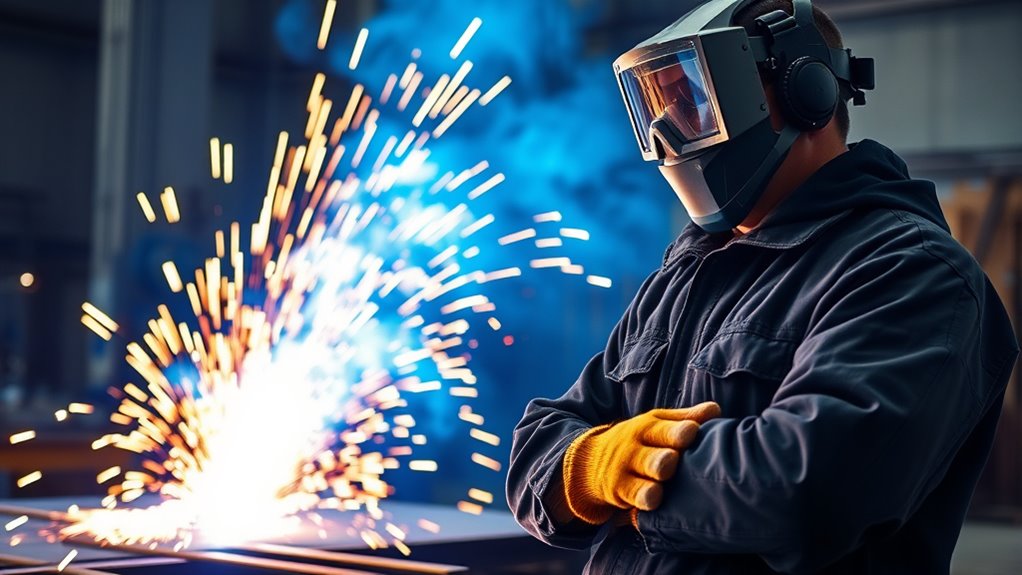
Understanding the limitations of plasma arc cutting makes it clear why strong safety measures matter. Safety training is essential so operators understand the machine, the work area, and the risks before they start cutting.
Plasma cutting can be extremely loud. If noise levels are in the 90 to 120 decibel (dB) range, hearing protection helps prevent long-term damage.
You also need to protect yourself from intense light, radiant energy, and sparks. Wear protective eyewear and proper clothing, and follow recognized guidance for arc-related eye hazards (see OSHA guidance on eye protection during welding and cutting).
Hazardous fumes are another concern, so use proper ventilation and exhaust systems to maintain air quality.
If it fits your workflow and budget, automation options, including automated plasma-cutting cobots, can reduce direct human exposure to heat, light, and sparks by keeping operators at a safer distance.
Always prioritize a secure environment when working with plasma arc cutting machines. Solid PPE, ventilation, and clear procedures make the work safer and more consistent.
Selecting the Right Plasma Arc Cutting Machine
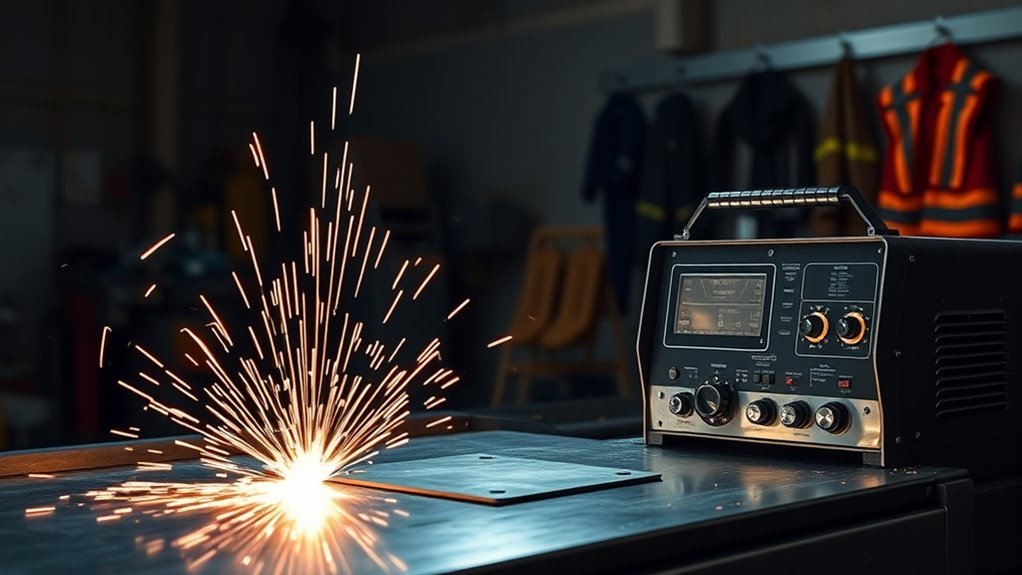
How do you make sure you’re selecting the best plasma arc cutting machine for your needs? Start with the basics: maximum thickness, material compatibility, and duty cycle.
Many plasma cutting systems perform best on thin to medium plate, and some are rated to cut up to 50 mm thick for carbon and stainless steel, with lower thickness ratings often listed for aluminum. Check the machine’s published specs for the materials you actually cut, and don’t assume one rating applies to every metal.
Next, look at total cost. Plasma cutters can be more cost-effective than some alternatives for thicker materials, but you still need to account for consumables, electricity, and maintenance.
Portability and setup also matter. If you move between jobsites, a lighter unit with simpler setup can save time and frustration.
Here’s a quick comparison to aid your decision:
| Feature | Importance |
|---|---|
| Maximum Thickness | Determines material suitability |
| Material Compatibility | Ensures versatility across metals |
| Duty Cycle | Impacts long-term productivity |
| Initial Investment | Affects budget considerations |
| Portability | Enhances operational flexibility and efficiency |
Select wisely to optimize performance and cost-efficiency.
Frequently Asked Questions
What Are the Advantages of Plasma Arc Cutting?
You’ll appreciate plasma arc cutting for its cutting speed, accurate cuts, and versatility across applications. It can be cost-efficient, and it generally has manageable maintenance needs. Many machines are also fairly portable, and ongoing technology improvements continue to expand what plasma systems can do across different thickness ranges.
What Are the Advantages and Limitations of Plasma Arc Machining?
Plasma arc machining can offer strong speed efficiency, with cutting speeds that may reach up to 500 inches per minute depending on the setup and material. You’ll also benefit from material versatility. At the same time, cost, power consumption, and consumables matter, and the operator’s skill and setup quality can strongly affect cut quality and maintenance requirements.
What Are the Disadvantages of Plasma Arc Cutting?
You’re dealing with safety concerns from high noise levels and intense light. Operational costs can rise because of power requirements and consumables, plus ongoing maintenance needs. Material thickness also affects cut quality, and training is important for consistent results. Portability can be limited on larger systems, and fumes and heat should be managed to reduce environmental and health impacts.
Is It Worth Getting a Plasma Cutter?
Yes, it can be worth getting a plasma cutter if your projects require fast, accurate cuts on conductive metals. Consider plasma cutter benefits like cutting speed and material compatibility, but weigh cost, maintenance, consumables, and safety. Make sure the machine’s thickness ratings match your typical jobs, and choose portability if you need to move it often.
Conclusion
Plasma arc cutting machines are a strong option when you need fast cutting on conductive metals with reliable accuracy. They’re especially useful on thin to medium materials, where speed and cut quality are often at their best.
The downsides are real: thicker materials can reduce cut quality and increase heat-related distortion, and the equipment and consumables can be expensive. Safety also needs to be treated as a core requirement because of noise, fumes, and intense light.
If you match the machine to your typical materials and thicknesses, and you plan for PPE and ventilation, plasma arc cutting can be a practical and productive addition to a fabrication setup.