What Is Plasma in Plasma Arc Welding?
Plasma arc welding looks simple from the outside, but the heat source does the real work. The process turns inert gas into an electrically charged plasma jet that can reach about 28,000°C. That focused jet gives you deep penetration, tight control, and clean welds on materials such as stainless steel and aluminum.
Quick Answer
Plasma in plasma arc welding is ionized gas that conducts electricity. The torch creates it by heating argon, helium, or another inert gas with an electric arc. The plasma exits through a small copper nozzle as a focused, high-energy jet that melts metal with precision.
Key Takeaways
- Plasma forms when an electric arc ionizes gas and turns it into a conductive heat source.
- The fine-bore nozzle constricts the arc, which improves heat focus and weld control.
- Plasma arc welding can create deep, narrow welds with a smaller heat-affected zone.
- Argon and helium commonly support plasma formation and shield the weld from contamination.
- Proper torch cooling, ventilation, and protective gear help reduce key safety risks.
Understanding Plasma in Welding

In plasma arc welding (PAW), plasma is an ionized gas that carries electric current. The torch creates it when an electric arc heats an inert gas, often argon or helium, until some gas atoms lose electrons.
This mix of ions, electrons, and neutral particles gives the arc strong electrical and thermal properties. That matters because PAW depends on a stable, concentrated heat source rather than a broad, wandering flame.
The plasma arc can reach about 28,000°C, which gives it enough heat to melt metals such as stainless steel, aluminum, copper alloys, and nickel alloys. The torch forces the plasma through a fine-bore copper nozzle, which tightens the arc and directs heat into a smaller area.
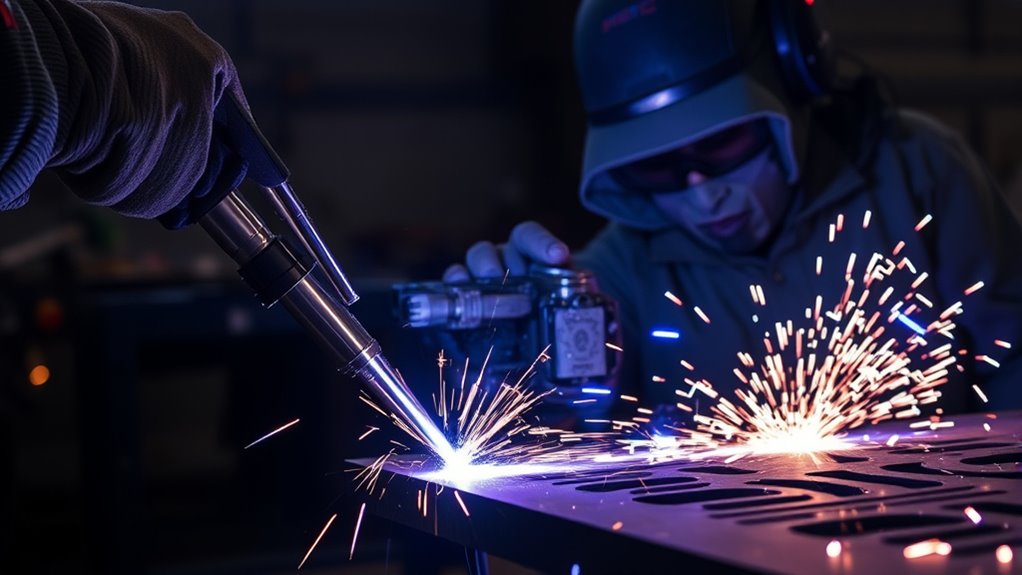
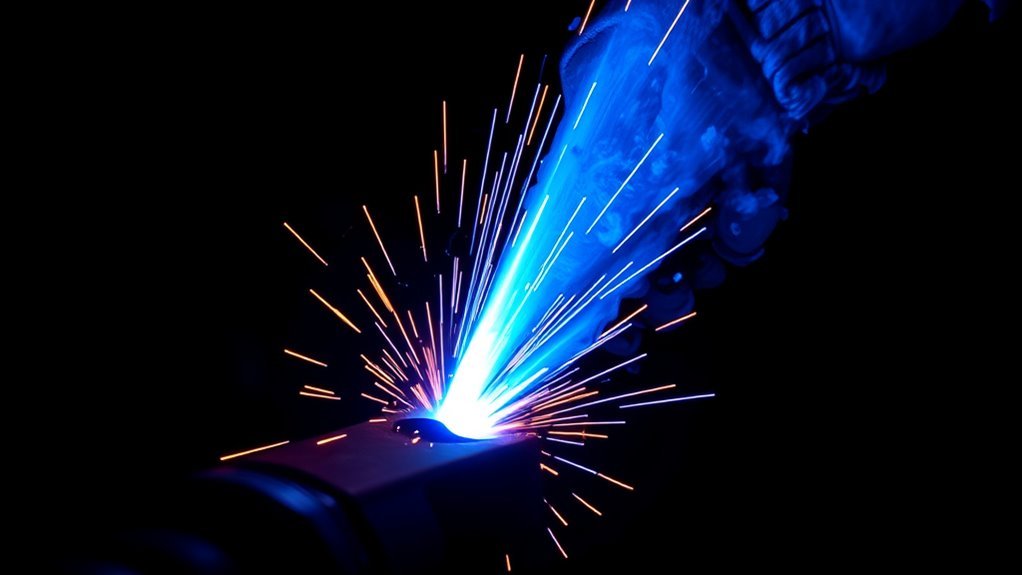
Plasma bursts from a fine-bore copper nozzle, which helps you control heat, penetration, and weld shape.
Most PAW setups use one gas to form the plasma and another gas to shield the weld area. The shielding gas helps protect the molten weld pool from oxygen and other contaminants in the air.
Nozzle size plays a major role in the process. A smaller bore can raise plasma velocity and focus heat more tightly, but it also demands careful gas flow and torch setup.
The Physics Behind Plasma Arc Welding

Plasma arc welding starts with an electric arc inside the torch. That arc heats the gas, strips electrons from some atoms, and turns the gas into plasma.
The fine-bore copper nozzle then constricts the arc. This constriction raises energy density, improves arc stability, and helps you place heat where the joint needs it.
Plasma Formation Process
Plasma formation begins when a tungsten electrode creates an electric arc. The arc heats the gas stream and changes part of that gas into a superheated, conductive plasma.
A pilot arc often helps start and stabilize the process before the main arc transfers to the workpiece. This setup gives you more control during arc initiation than many open-arc processes.
Gas flow rate, arc length, current, and nozzle design all affect plasma behavior. Poor settings can cause an unstable arc, excess heat input, or inconsistent penetration.
Arc Constriction Effects
Arc constriction gives PAW its focused heat. The nozzle narrows the arc column, which increases plasma velocity and concentrates heat at the joint.
This focused arc can support:
- Deep penetration: The narrow heat source can create a keyhole effect in thicker material.
- Better weld pool control: The tight arc helps you manage bead width and penetration.
- Higher arc stability: The constricted arc can stay steady at lower current settings than some comparable processes.
The tungsten electrode also affects arc quality. A clean, properly shaped electrode helps the arc stay stable and reduces the risk of weld contamination.
How Plasma Is Formed in PAW
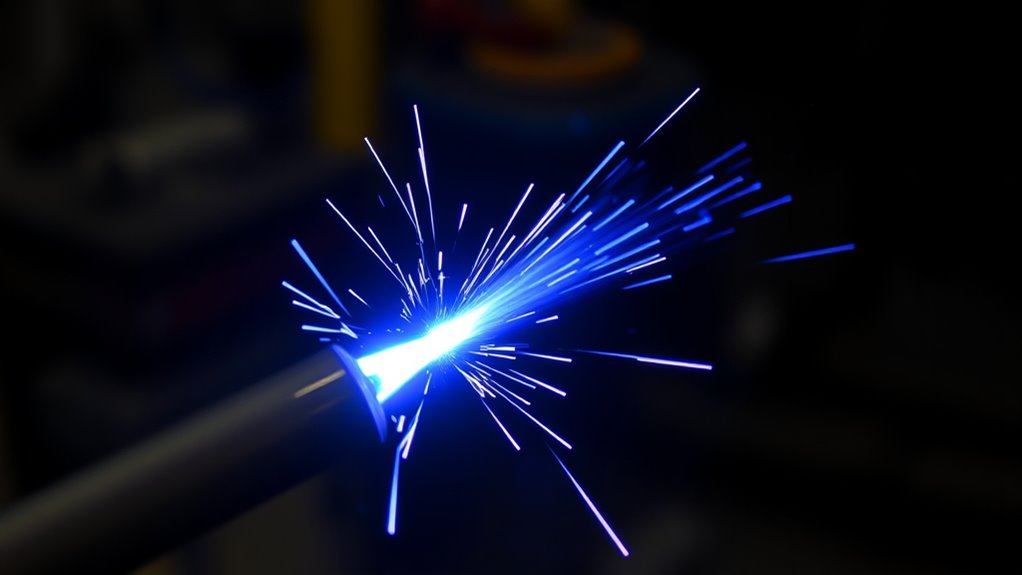
In PAW, plasma forms when an electric arc heats a gas such as argon or helium to an extreme temperature. The heat ionizes part of the gas and creates a conductive stream of ions and electrons.
The arc usually starts between a non-consumable tungsten electrode and the torch nozzle as a pilot arc. Once the arc transfers to the workpiece, the plasma jet delivers concentrated heat to the joint.
A fine-bore copper nozzle accelerates and focuses the plasma. This focused jet improves heat transfer, supports deep penetration, and helps you create narrow, consistent welds.
Several settings shape the plasma jet, including current, gas type, gas flow, arc length, and nozzle diameter. Small changes can affect bead profile, penetration depth, and overall weld quality.
The Role of Plasma in the Welding Process
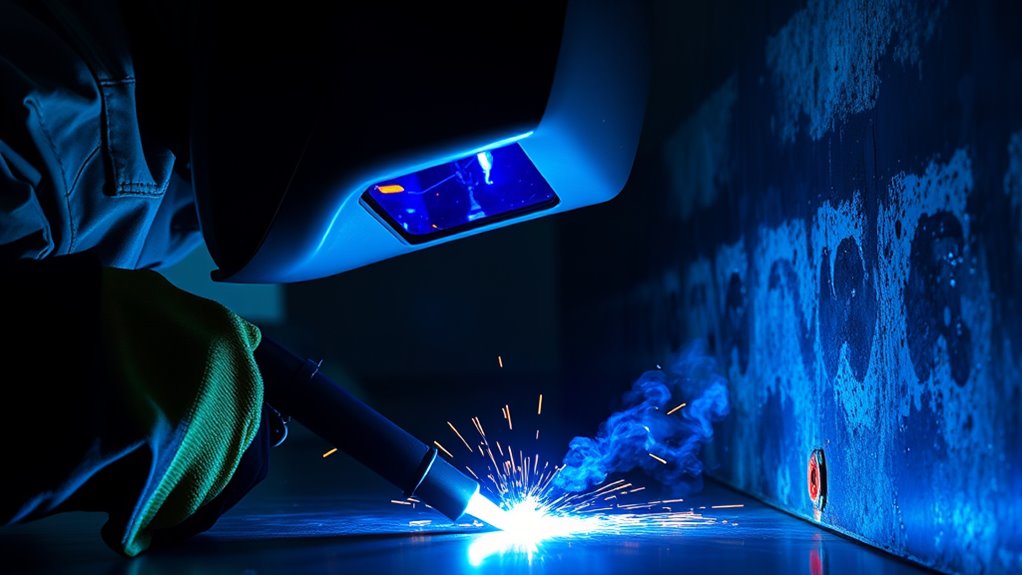
Plasma gives PAW its main advantage: a narrow, high-energy heat source. Instead of spreading heat over a wide area, the torch directs the plasma jet into the joint.
This focused heat helps you control penetration, bead shape, and distortion. It also allows PAW to handle both thin sheet and thicker sections when you use the right mode and settings.
Plasma Arc Generation
Plasma arc generation starts when the torch ionizes gas with an electric arc. The ionized gas becomes conductive, which allows the arc to carry heat and current through the plasma column.
The copper nozzle focuses that column before it reaches the workpiece. This design helps PAW produce a stable arc, a narrow weld bead, and strong penetration.
Three factors matter most during arc generation:
- Gas flow: It supports arc stability and helps shape the plasma jet.
- Electric current: It controls heat input and affects penetration depth.
- Nozzle design: It constricts the arc and directs heat into the joint.
Ionization and Heat Transfer
Ionization lets the gas carry electrical energy. Once the gas becomes plasma, it transfers heat to the workpiece much more effectively than ordinary hot gas.
The plasma arc can reach about 28,000°C, so it melts metal quickly in a small zone. This tight heat input can reduce distortion when you use the process correctly.
The arc also helps control the weld pool. A stable plasma jet lets you maintain a steady travel speed, bead shape, and penetration pattern.
Warning: PAW produces intense ultraviolet radiation, fumes, heat, and noise, so use proper PPE, ventilation, and hearing protection.
Key Characteristics of Plasma in PAW
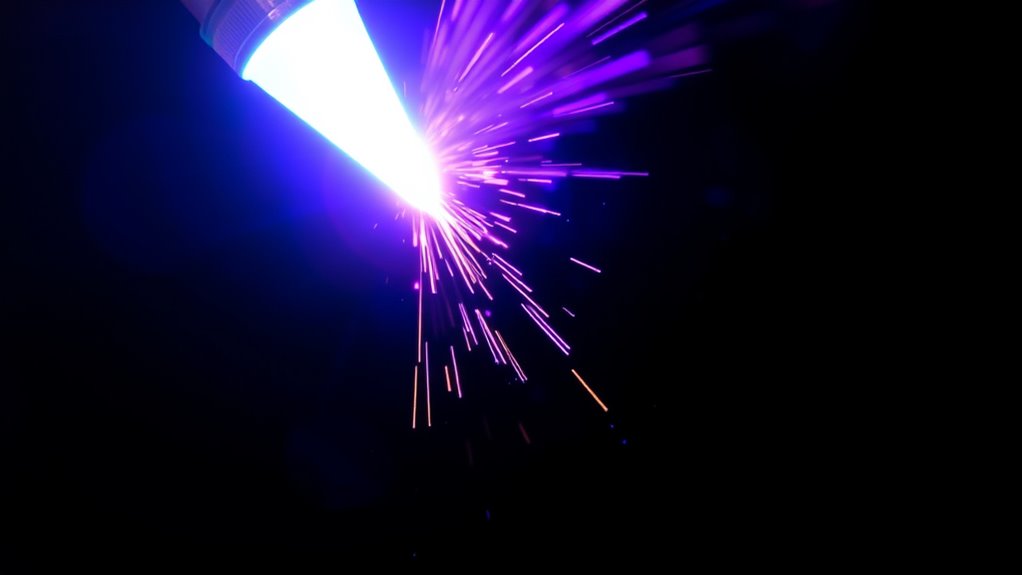
Plasma in PAW behaves as a focused, conductive heat source. It forms between the non-consumable tungsten electrode and the workpiece or nozzle, depending on the stage of the process.
The nozzle constricts the plasma and sends it out at high speed. This design gives you a narrow arc, better penetration, and strong control over the weld pool.
PAW often uses two gas streams. One gas helps create the plasma, while the second gas shields the molten weld from contamination.
Important characteristics include:
- Concentrated heat: The focused arc applies heat exactly where the joint needs it.
- Controlled penetration: The narrow plasma jet helps you manage weld depth and bead width.
- Clean shielding: Inert gas helps protect the weld pool from oxidation and porosity.
Main Plasma Arc Welding Modes
PAW does not use one fixed technique for every job. Welders often choose between microplasma, melt-in, and keyhole modes based on material thickness and joint needs.
Microplasma welding uses low current for thin materials and delicate parts. Melt-in welding melts the joint without creating a full keyhole. Keyhole welding uses a stronger plasma jet to pierce through the joint and form a deep, narrow weld.
Choosing the right mode helps you balance penetration, speed, and heat control. It also lowers the chance of burn-through, lack of fusion, or excess distortion.
Applications of Plasma Arc Welding

PAW fits jobs that need precision, repeatability, and strong heat control. You often see it in industries that rely on clean, consistent welds.
In aerospace work, PAW can join turbine parts, tubing, and other high-value components that need tight control and low distortion. The process works well with stainless steel, nickel alloys, and other demanding metals.
In automotive manufacturing, PAW can join metal components at high speed when the setup supports automation. That repeatability helps production teams keep weld size and quality consistent.
Medical device manufacturing also benefits from PAW. The process can weld small, intricate parts where bead shape, cleanliness, and precision matter.
Food and beverage fabricators use PAW on stainless steel tubes, vessels, and sanitary components. Smooth, controlled welds help reduce crevices where residue can collect.
Products Worth Considering

AG60 Plasma Cutter Torch Body / Head compatible with standard of AG60 torch for 60A Plasma Cutting Machine. (i.e. CUT50, CUT60, CUT70.)

APPLICATION: Apply to YESWELDER CUT-65DS/CUT-55DS PRO/CUT-55NHF/CUT-55NHF PLUS plasma cutters. Replacement for the S45 Plasma Cutting Torch.

PT31 Plasma Torch: standard length: 16ft; air pressure: 4.5-5.5bar; duty cycle for 60% with 30A
Advantages and Limitations of PAW
PAW gives you strong control, but it also requires more skill and equipment than simpler arc welding methods. You should weigh both sides before choosing it for a job.
Main advantages include deep penetration, narrow welds, strong arc stability, and good repeatability. These traits make PAW useful for precise, high-quality welds.
Main limitations include higher equipment cost, more complex setup, and greater operator training needs. The process also requires careful maintenance because torch parts, gas flow, and cooling all affect performance.
Note: PAW can look similar to gas tungsten arc welding, but the constricted plasma arc gives PAW a narrower and more forceful heat source.
Products Worth Considering

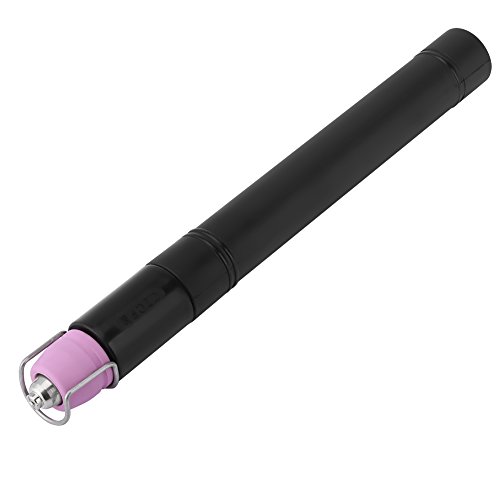
Excellent Design: This Arc AIR Plasma Cutter Straight Torch Body is brand new and high quality product to ensure a long time use
Safety and Equipment Considerations in PAW
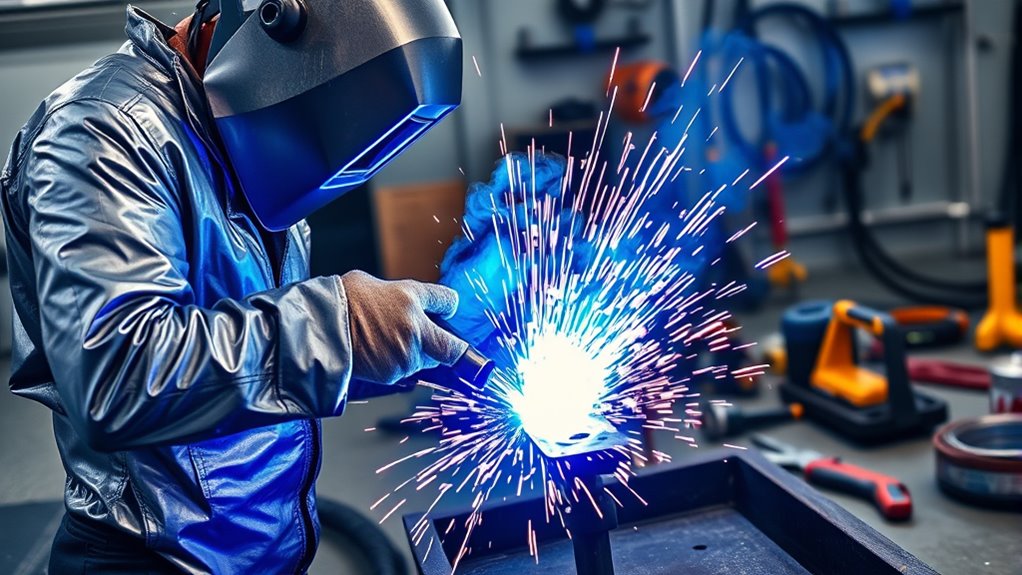
Safe PAW work starts with the right torch, cooling system, gas supply, and protective gear. The torch uses a fine-bore copper nozzle, which focuses the plasma and handles extreme heat.
Many PAW torches use water cooling to protect the nozzle and electrode. Good cooling helps prevent overheating and keeps the arc more stable during longer welds.
You also need personal protective equipment and a safe work area. Focus on these essentials:
- Helmet and eye protection: Protect your eyes and face from arc radiation and sparks.
- Gloves and protective clothing: Guard your skin from burns, heat, and spatter.
- Hearing protection: Reduce exposure to loud welding noise.
- Ventilation: Remove fumes and gases from the breathing zone.
Regular inspection keeps PAW equipment reliable. Check the torch, nozzle, electrode, hoses, gas flow, and cooling system before you weld.
Frequently Asked Questions
What Is Plasma in Plasma Welding?
Plasma in plasma welding is ionized gas that carries electric current. It forms when an electric arc heats gas inside the torch and turns part of it into ions and electrons.
What Is Plasma Arcing?
Plasma arcing happens when an electric arc ionizes gas and creates a hot, conductive plasma stream. In PAW, the torch constricts that stream through a nozzle to focus heat on the weld joint.
What Is a Plasma Arc Used For?
A plasma arc can weld, cut, and heat metal with focused energy. In welding, it helps create narrow, precise welds with controlled penetration and a smaller heat-affected zone.
What Are the Disadvantages of Plasma Arc Welding?
PAW costs more to set up than many basic arc welding processes. It also requires skilled operators, careful gas control, torch cooling, and regular equipment maintenance.
Is Plasma Arc Welding the Same as TIG Welding?
No. Both processes use a non-consumable tungsten electrode, but PAW constricts the arc through a nozzle. That constriction gives PAW a more focused plasma jet and often deeper penetration.
Which Gases Are Used in Plasma Arc Welding?
Argon and helium are common choices for PAW. Welders may also use gas mixtures, depending on the metal, weld mode, and desired penetration.
Conclusion
Plasma is the focused, ionized heat source that makes plasma arc welding precise and powerful. When you understand how the arc, gas, nozzle, and shielding work together, you can see why PAW suits demanding welds.
Before using the process, match the welding mode, gas flow, and current to the material and joint. Careful setup helps you get clean penetration without excess heat or distortion.
With the right controls and safety habits, PAW gives you a reliable way to make narrow, high-quality welds in critical applications.