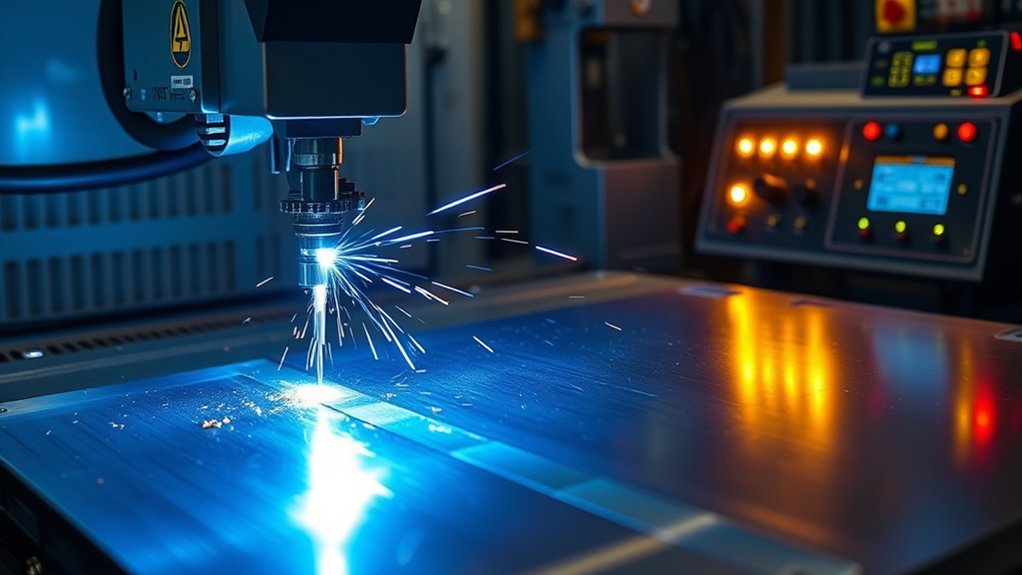
Understanding Aluminum’s Properties for Plasma Cutting
What’s in This Article
- Understanding Aluminum’s Properties for Plasma Cutting
- Selecting the Right Plasma Cutter for Aluminum
- Importance of Amperage and Power Settings
- Gas Selection for Optimal Aluminum Cutting
- Achieving the Right Cutting Speed and Quality
- Addressing Common Cutting Challenges
- Techniques for Minimizing Dross Formation
- Utilizing Water Tables and Shield Options
- Maintenance and Troubleshooting Tips
- Frequently Asked Questions
- References
Aluminum can cut cleanly with a plasma cutter, but it punishes poor setup fast. Too much heat can warp the sheet, and the wrong gas can leave rough edges and heavy dross. This guide explains how to choose the right cutter, gas, amperage, speed, torch height, and maintenance habits for cleaner aluminum cuts.
Quick Answer
You can plasma cut aluminum well when you control heat, gas flow, torch height, and travel speed. For 1/8 inch aluminum, many setups cut cleanly near 45 amps and about 70-75 inches per minute, but you should confirm settings with your cutter’s manual. Nitrogen can help limit oxidation on thin aluminum, while thicker plate may need different gas and shield choices.
Key Takeaways
- Match amperage and speed to the aluminum thickness before you start cutting.
- Use nitrogen for many thin aluminum cuts to help reduce oxidation and edge roughness.
- Keep torch height steady so the arc stays stable and the kerf stays even.
- Clamp the workpiece to clean bare metal to improve grounding and cut quality.
- Inspect consumables often because worn nozzles and electrodes create more dross.
Understanding Aluminum’s Properties for Plasma Cutting
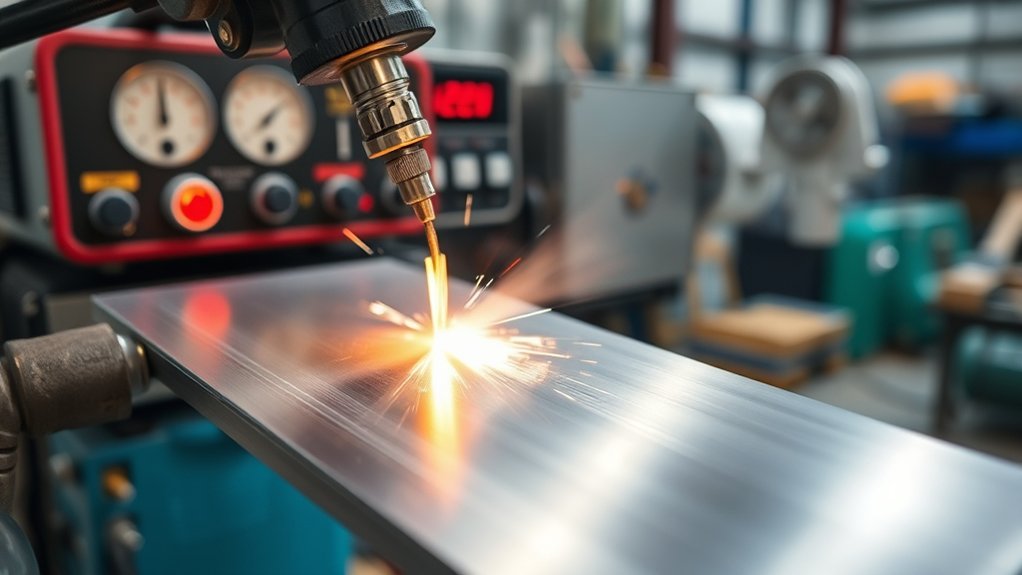
Aluminum’s properties shape every plasma cutting decision you make. It melts at about 660°C (1220°F), so poor heat control can warp thin sheet fast.
Master aluminum’s heat behavior first, then tune your cutter for cleaner edges and less warping.
Aluminum also conducts heat well, so you need to balance amperage and travel speed with care. Its softness lets you cut faster than many steels, but thickness, alloy, and machine output still set the real limits.
Alloy type matters too. For example, 6061 aluminum offers strength and corrosion resistance, but it still needs correct settings for clean cuts.
To reduce dross and improve edge quality, tune torch height, speed, amperage, and gas choice together. A small change in one setting can affect the whole cut.
Selecting the Right Plasma Cutter for Aluminum

Choose a plasma cutter that can hold a stable arc at the thickness you plan to cut. Inverter-based models often work well for thin aluminum because they deliver efficient output and smooth control.
High-frequency plasma cutters can also help start and hold an arc on aluminum. Before you buy or set up a machine, check the manufacturer’s cut chart for aluminum thickness, duty cycle, amperage, and gas options.
For 1/8 inch aluminum, about 45 amps often gives enough power for a clean cut without excess dross. Your exact setting depends on the cutter, consumables, gas, and travel speed.
For aluminum thicker than about 12 mm, some industrial systems use an argon-hydrogen gas mix to improve edge quality. For thin aluminum under about 5 mm, nitrogen can help keep the edge cleaner and reduce thermal distortion.
Use consumables that match your cutter and the material. The right nozzle, electrode, and shield help the arc stay focused and protect cut quality.
Products Worth Considering
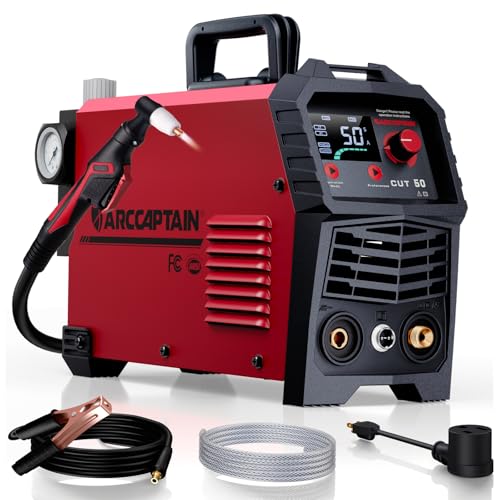
【Powerful Cutting Ability】Switch effortlessly between 110V and 220V for home or workshop use. Achieve professional 1/2" clean cuts on steel, aluminum, and copper with advanced LGBT technology. Perfect for DIY projects and heavy-duty tasks. Recommended maximum cutting thickness: 12mm @ 35A / 110V / 55 PSl; 18mm @ 50A / 220V / 75 PSI. Note: Requires compressed air (compressor sold separately).

[55A 110V/220V Cutting Power]: The SILATU STC550P plasma cutter delivers up to 55A of cutting power with advanced IGBT inverter technology. Use 110V at 15-40A for home garage and lighter-duty jobs, or switch to 220V at 15-55A for thicker metal and more demanding projects. Maximum cutting capacity reaches 1/2" (12mm) at 110V/40A and 7/10" (18mm) at 220V/55A under recommended air pressure (Note: For circuit protection, this machine must be used with 40A circuit breaker)

【Powerful Cutting Ability】Dual voltage plasma cutter 110 220 operation is perfect for home garages, workshops, and hardware shops. Delivers professional performance 1/2" clean cuts on iron, steel, aluminum and copper using Inverter IGBT Technology. Suitable for both DIY and heavy-duty projects. Maximum recommended cutting thickness: 1/2" @ 35A 110V 50 PSI; 2/3" @ 50A 220V 65 PSI. Requires dry, compressed air. Recommended power breakers: 40A @ 110V; 30A @ 220V.
Importance of Amperage and Power Settings

Amperage has a direct effect on cut quality. It must match the thickness of the aluminum, the torch type, and your target speed.
Correct amperage helps you cut through the metal while limiting dross, warping, and rough edges.
For aluminum up to 1/8 inch, many setups work near 45 amps. Thicker aluminum needs more amperage so the arc can cut through without dragging or stalling.
Balance amperage with cutting speed. Too little power can leave an incomplete cut, while too much power can widen the kerf, create dross, and overheat the workpiece.
Make test cuts on scrap from the same material before you cut the final part. Record the amperage, speed, gas, consumables, and cut results so you can repeat the best setup.
Products Worth Considering
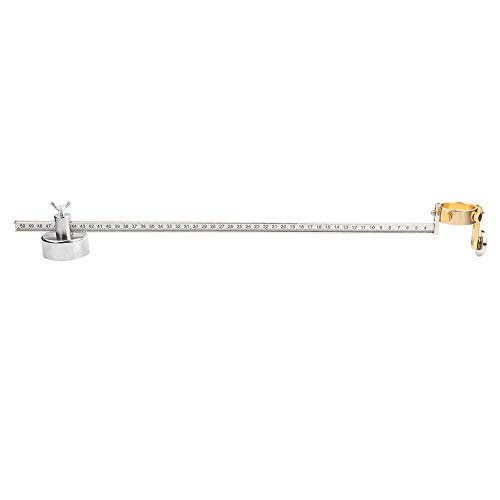
The base has 6 strong magnets that can stay firmly on ferromagnetic .

[10 TO 100CM RANGE] Designed with a built in ruler this guide supports circle cutting diameters from 10 to 100 cm up to 39.3 inch making it practical for repeated round cutting tasks in metal fabrication work.
Gas Selection for Optimal Aluminum Cutting

Gas choice affects oxidation, edge smoothness, dross, and arc stability. You need to match plasma gas and shield gas to the aluminum thickness and the cutter design.
For aluminum less than 5 mm thick, nitrogen often works well as the plasma gas. It can reduce oxidation and help create a cleaner edge than air in many setups.
For thicker aluminum over 6 mm, some systems pair nitrogen plasma with water as a shield. This setup can improve edge quality and help control dross.
- Use nitrogen for thin aluminum: It can help reduce oxidation and improve edge quality.
- Use water shielding where the system supports it: It can help manage heat and dross on thicker material.
- Avoid oxygen for most aluminum cuts: It can increase oxidation and leave a rougher surface.
Air plasma cutters can cut aluminum, but compressed air adds oxygen to the cut zone. That can increase oxide buildup and affect the finish.
Note: Always follow your plasma cutter’s gas chart because gas choices vary by machine, torch, and consumable set.
Achieving the Right Cutting Speed and Quality

Good aluminum cuts depend on the right travel speed. Many 1/8 inch aluminum cuts work well around 70-75 inches per minute at about 45 amps, but your cutter’s chart should guide the final setting.
Keep torch height steady during the full cut. A consistent standoff helps the arc stay focused and keeps the kerf width more even.
Choose gas that matches the thickness. Nitrogen can improve finish on thin sheet, while thicker material may need a different plasma and shield setup.
Optimal Speed Adjustment
Speed controls heat input and edge quality. If you cut too fast, the arc can lag and leave dross or an incomplete cut.
If you cut too slowly, heat builds up and can widen the kerf. Slow travel can also warp thin aluminum and leave more bottom dross.
- Keep torch height consistent to hold the correct standoff distance.
- Adjust amperage when aluminum thickness changes.
- Balance speed and cut quality before you run a final part.
Quality Enhancement Techniques
Set the amperage near 45 amps for many 1/8 inch aluminum cuts, then tune from there. This gives the arc enough power without adding too much heat.
Use nitrogen as the plasma gas when your machine supports it for thin aluminum. It can reduce oxidation and help produce smoother edges.
Check nozzles and electrodes before long cuts. Worn consumables can widen the arc and reduce cut quality.
Consistent Torch Movement
Steady torch movement creates cleaner aluminum cuts. Keep the torch moving in one smooth direction so the arc does not dwell in one spot.
For thin aluminum, a travel speed near 70-75 inches per minute often limits heat input and dross. Pair that speed with the right amperage and standoff distance.
- Hold the torch at the distance listed in your equipment manual.
- Move the torch smoothly through the full cut path.
- Change speed and amperage when the material gets thicker or thinner.
Addressing Common Cutting Challenges
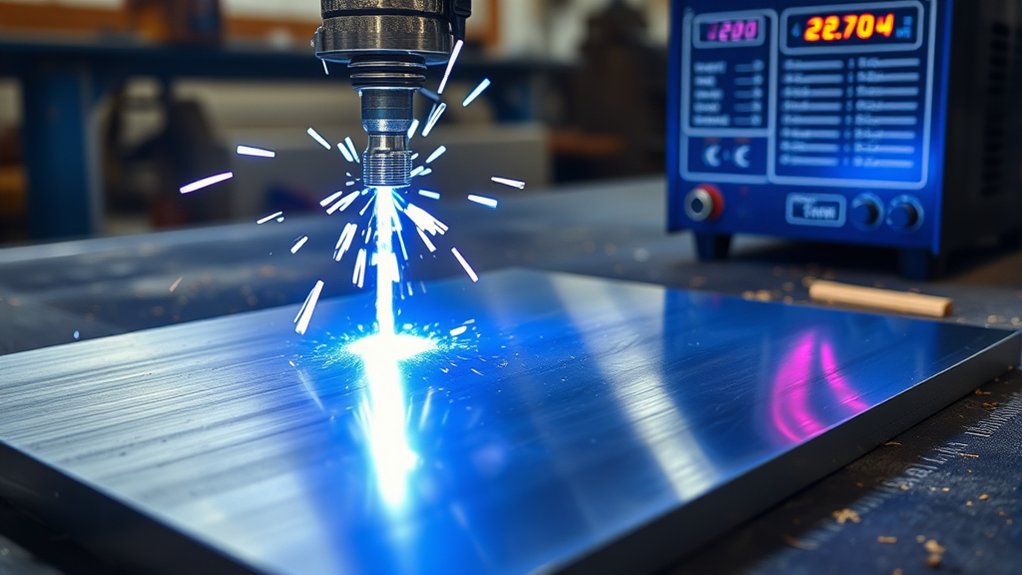
Most aluminum plasma cutting problems come from heat, grounding, gas choice, or worn consumables. Fix the easiest causes first before you change every setting.
Check ground contact, torch height, and consumable condition before you raise amperage. These basics often solve rough cuts and arc instability.
Overcome Dross Accumulation
Dross forms when molten metal sticks to the cut edge. You can reduce it by tuning speed, amperage, gas, and torch height.
Use nitrogen as the plasma gas when it fits your setup. This can reduce oxidation and help limit dross on aluminum.
Adjust amperage for the material thickness. Thicker aluminum needs more power, but excess amperage can still overheat the cut.
- Choose a gas setup that fits the aluminum thickness.
- Set amperage based on the cut chart and test cuts.
- Hold a steady standoff distance from start to finish.
Ensure Proper Grounding
Good grounding helps the arc stay stable. Clamp the ground lead to clean, uncoated aluminum as close to the cut as you can.
Remove paint, oxide, oil, and dirt from the clamp area. Poor contact can cause a weak arc, rough cuts, or intermittent torch behavior.
Inspect the ground cable for damage or corrosion. Replace damaged parts before they affect cut quality or safety.
Optimize Torch Speed
Correct torch speed helps you avoid rough edges and excess dross. For 1/8 inch aluminum, many cutters perform well around 70-75 inches per minute.
Cutting too fast can cause arc lag and dross. Cutting too slowly can overheat the aluminum and distort thin sections.
- Avoid arc lag: Slow down slightly if the cut does not pierce or separate cleanly.
- Limit heat buildup: Speed up slightly if the edge melts too wide or warps.
- Record test results: Track speed, amperage, gas, and edge quality for repeat cuts.
Techniques for Minimizing Dross Formation

Dross can signal that speed, amperage, gas, or torch height needs adjustment. Start with the cut chart, then fine-tune with scrap pieces.
For 1/8 inch aluminum, try about 70-75 inches per minute with about 45 amps if your machine supports that range. This setup can reduce heat input and limit dross.
Use nitrogen for plasma and shield gas on thin aluminum when your system supports it. This can reduce oxidation and improve the edge.
Keep the torch-to-work distance steady. A changing standoff can create uneven edges and more dross.
Replace nozzles and electrodes before they fail. Worn parts can spread the arc, increase dross, and make the cut less precise.
Pro tip: Label each test cut with its amperage, speed, gas, and material thickness so you can repeat the cleanest result.
Utilizing Water Tables and Shield Options

Water tables can reduce noise, dust, glare, and ultraviolet light during plasma cutting. They also help catch sparks and metal debris.
Aluminum cutting over or under water can create hydrogen gas. You need proper ventilation, table design, and safe operating practices to prevent dangerous gas buildup.
For aluminum under 5 mm, nitrogen as both plasma and shield gas can help produce clean cuts. For thicker sections above 6 mm, nitrogen plasma with water shielding may improve performance on compatible systems.
- Use nitrogen where it fits: It can reduce oxidation and support cleaner aluminum cuts.
- Maintain water tables carefully: Good design and ventilation help reduce hydrogen risks.
- Avoid unsafe gas choices underwater: Do not use hydrogen mixes in underwater aluminum cutting unless your system maker approves them.
Warning: Hydrogen can build up during aluminum plasma cutting near water, so follow the cutter and table manufacturer’s safety rules.
Maintenance and Troubleshooting Tips

Routine maintenance keeps aluminum cuts consistent. Inspect nozzles, electrodes, shields, cables, and the torch body before important work.
Replace worn consumables before cut quality drops. A damaged nozzle can create a wide or unstable arc that leaves rough edges.
Check the ground clamp before each job. Clean metal contact helps prevent arc interruptions and uneven cuts.
Keep the torch height control clean and responsive. A stable standoff distance helps prevent dross, bevel, and warping.
Maintain a simple settings log. Record material thickness, alloy, amperage, gas, speed, consumables, and the final cut result.
Frequently Asked Questions
How Does Cutting Aluminum Compare to Cutting Steel With a Plasma Cutter?
Aluminum usually needs faster travel, tighter heat control, and careful gas selection compared with steel. Its high thermal conductivity spreads heat quickly, so poor settings can cause warping, rough edges, or arc instability.
What Safety Gear Is Recommended for Plasma Cutting Aluminum?
Wear approved eye protection, a face shield or welding helmet, heat-resistant gloves, flame-resistant clothing, and sturdy safety boots. Use ventilation or respiratory protection when fumes, dust, or coatings create a hazard.
Can Plasma Cutting Be Used for Aluminum Alloys?
Yes, you can plasma cut many aluminum alloys. Adjust amperage, speed, and gas based on the alloy, thickness, and cut chart for your machine.
How Do Environmental Factors Affect Aluminum Plasma Cutting?
Temperature, humidity, wind, dirty surfaces, and poor equipment calibration can affect arc stability and cut quality. Keep the work area dry, clean, and shielded from strong airflow when possible.
What Are the Signs of a Worn-Out Plasma Torch Nozzle?
A worn nozzle often causes an unstable arc, wider kerf, rough edges, and more dross. Inspect the orifice for oval shape, burns, or damage, then replace the nozzle when it no longer cuts cleanly.
References
- Aluminum Properties — American Elements
- How to Select Plasma Gases — Hypertherm
- Welding, Cutting, and Brazing Safety — Occupational Safety and Health Administration
Clean aluminum plasma cuts come from controlled heat, correct gas, stable torch height, and a solid ground. Start with your machine’s cut chart, then make test cuts on matching scrap before you cut the final piece. Keep a settings log and replace consumables before they ruin the edge. With steady setup habits, you’ll get cleaner cuts, less dross, and more repeatable results.