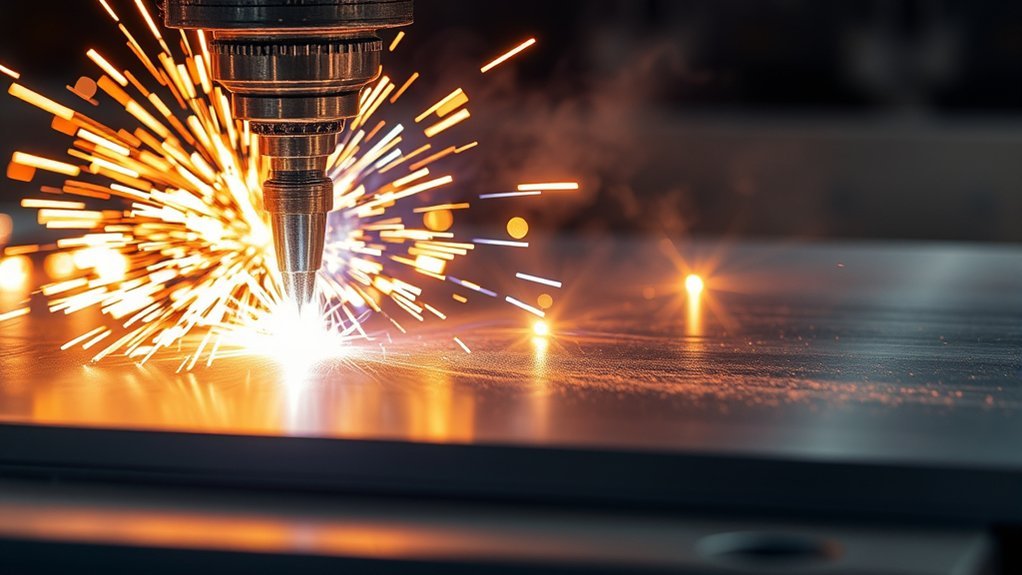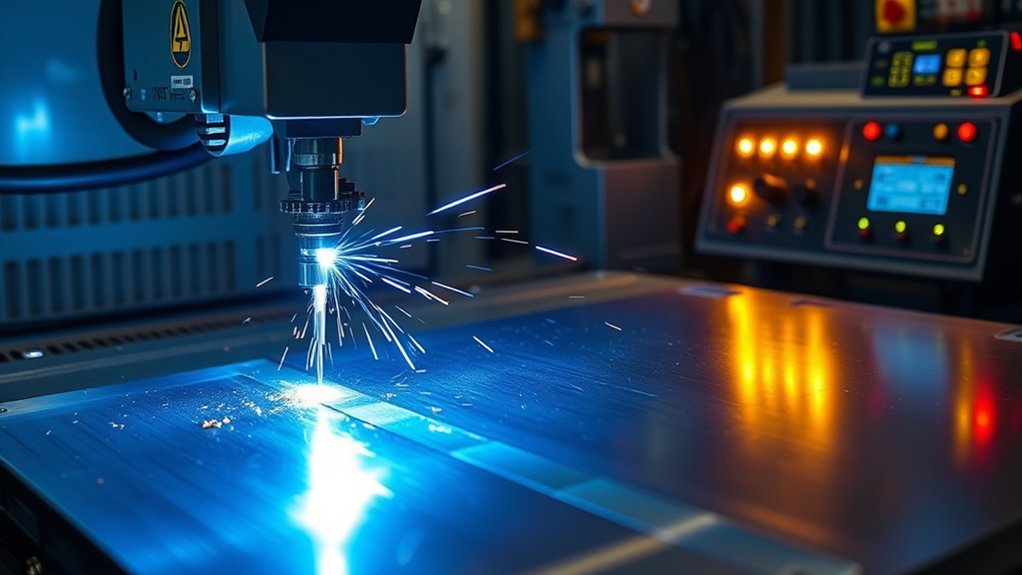
Yes, a plasma cutter for aluminum works well when the machine is rated for your thickness and you feed it clean, dry air or an approved gas. Aluminum melts quickly and carries heat away fast, so the cutter, amperage, travel speed, torch height and ventilation all need to match the sheet or plate you are cutting.
Quick Answer
Yes, a plasma cutter works well on aluminum when the machine, gas, amperage, torch height, and travel speed match the material thickness. For cleaner aluminum cuts, use dry air or the recommended non-oxidizing gas, keep the torch steady, remove surface contamination, and follow the cutter manufacturer’s settings chart.
Key Takeaways
- Aluminum can be plasma cut, but it needs cleaner setup control than mild steel because it conducts heat quickly.
- Dry compressed air works for many shop cuts, while nitrogen or dual-gas systems can improve edge quality on higher-end equipment.
- Correct amperage, travel speed, standoff distance, and consumable condition help reduce dross and rough edges.
- Water tables can reduce fumes, but aluminum cutting around water requires extra care because hydrogen gas can build up.
- Always follow the plasma cutter manual because thickness capacity, gas choice, and piercing limits vary by machine.
At a Glance
| Best Use | Cutting aluminum sheet, plate, brackets, panels, repair parts, and fabrication pieces |
| Difficulty | Moderate, because aluminum needs careful speed, height, and heat control |
| Tools Needed | Plasma cutter, correct consumables, dry air or recommended gas, ground clamp, guide, PPE, and ventilation |
| Main Risk | Fumes, arc flash, molten metal, electrical hazards, poor air quality, and possible hydrogen buildup near water tables |
Understanding Plasma Cutting and Aluminum Properties
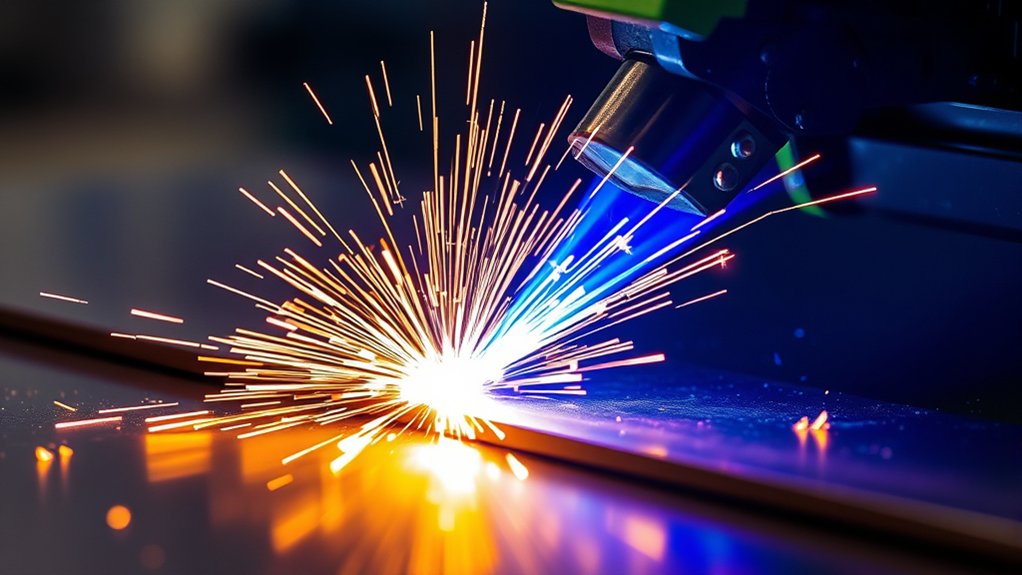
When you’re diving into the specifics of plasma cutting aluminum, understanding the material is vital for precision and quality. Aluminum has a relatively low melting point, high thermal conductivity, and a softer surface than steel. Those traits make it easy to cut, but they also make poor setup mistakes show up fast as bevel, dross, rough edges, or heat distortion.
A plasma cutter works by using a high-temperature arc and a fast-moving gas stream to melt and blow away metal from the cut path. On aluminum, that arc needs stable contact, clean consumables, good air quality, and the correct torch height. If the air supply is wet or oily, the arc can become unstable and the edge can look rough.
For aluminum under 5 mm, some industrial dual-gas systems use nitrogen as both the plasma and shield gas to improve edge quality and reduce dross. For thicker aluminum, some systems pair nitrogen plasma gas with water shielding or other non-oxidizing shield options. However, the best gas choice depends on the plasma cutter model, torch design, and the consumables listed in the owner’s manual.
It’s important to maintain a consistent standoff distance from the workpiece and follow the manufacturer’s cut chart. A torch that rides too high can create a wide kerf and poor arc control. A torch that rides too low can damage consumables, drag across the surface, or create a rough cut.
The Hypertherm XPR systems, with advanced features such as Vented Water Injection technology, are engineered for high-end aluminum cutting and can handle thick aluminum within their rated capacity. Their advanced capabilities are designed for precision cutting, smoother edges, and better productivity, but the exact cut and pierce capacity must always be checked against the specific model and cut chart.
Note: Do not judge aluminum cutting capacity only by the highest advertised number. Compare the rated cut, quality cut, severance cut, and pierce capacity, because each one means a different real-world result.
Equipment and Techniques for Optimal Aluminum Cutting

To achieve ideal aluminum cutting, the right equipment and technique are essential. Start by selecting a plasma cutter that has enough amperage for the thickness you cut most often. A 100% duty cycle is helpful for long production cutting, but many home shops can use a lower duty-cycle machine if the cuts are short and the machine is allowed to cool as needed.
Duty cycle matters because aluminum often requires steady cutting speed and consistent arc output. If the machine overheats or shuts down during repeated cuts, quality and productivity suffer. For fabrication work, a cutter with a stable arc, clear cut chart, and easy-to-find consumables is usually more valuable than a machine with only a high maximum thickness claim.
For superior cut quality, use precise cutting techniques. Maintain a consistent torch movement and distance from the workpiece to reduce dross. Move too slowly and the aluminum can overheat, widen the kerf, and leave heavy dross. Move too quickly and the arc may lag, skip, or fail to cut completely through the material.
Consult the owner’s manual for proper amperage settings based on aluminum thickness. Start with the manufacturer’s chart, then make small test cuts on scrap material from the same alloy and thickness. Adjust travel speed, amperage, and torch height one change at a time so you know which setting improved the cut.
For aluminum cutting under 5 mm thick, nitrogen gas may be used as both plasma and shield gas on compatible dual-gas systems. For thicker aluminum over 6 mm, some industrial systems use nitrogen plasma gas with a water shield gas to enhance cut quality. On many portable air-plasma machines, clean and dry compressed air is the normal option, but it may leave a more oxidized or rougher edge than a dedicated industrial gas setup.
Proper setup is vital. Clean the cutting area, remove heavy oil or surface contamination, and verify that your compressed air supply is dry. Moisture in the air line can shorten consumable life and create a weaker arc. Regular maintenance of your equipment will prolong its lifespan and maximize performance, ensuring each cut is more consistent.
Pro Tip: Before cutting the final part, make one test cut on scrap aluminum and check the bottom edge. A small amount of light dross is normal, but heavy, hard dross usually means your speed, amperage, torch height, or air quality needs adjustment.
Products Worth Considering
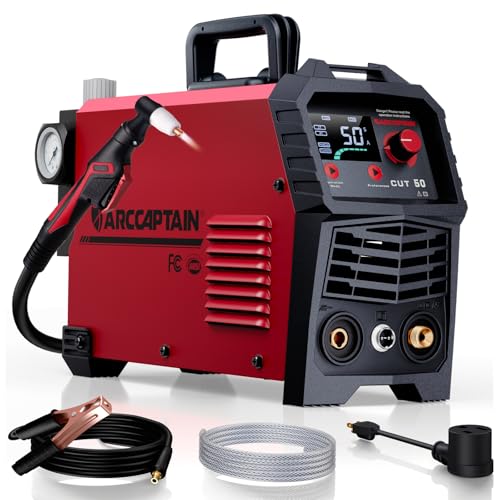
【Powerful Cutting Ability】Switch effortlessly between 110V and 220V for home or workshop use. Achieve professional 1/2" clean cuts on steel, aluminum, and copper with advanced LGBT technology. Perfect for DIY projects and heavy-duty tasks. Recommended maximum cutting thickness: 12mm @ 35A / 110V / 55 PSl; 18mm @ 50A / 220V / 75 PSI. Note: Requires compressed air (compressor sold separately).

[POWERFUL CUTTING PERFORMANCE] : Get clean, efficient cuts with up to 3/10" clean cut at 110V and 1/2" at 220V, with a maximum cutting thickness of 1/2" at 110V and 2/3" at 220V. Designed for smooth and effective cutting across a variety of metalworking, repair and DIY applications.

【Precise 50-60 PSI Working Pressure】Professionally calibrated for 50-60 PSI optimal working air pressure, the machine maintains consistent plasma arc stability during long-hour cutting. Standard air pressure setting effectively reduces slag adhesion, avoids uneven cutting and arc breaking issues, and ensures smooth, neat cutting edges for all applicable metal materials.
Gas Selection and Its Impact on Cut Quality

Mastering aluminum cutting involves more than equipment selection and torch technique. Gas selection also affects edge quality, arc stability, dross level, and how much cleanup the part needs after cutting. The right gas can help produce smoother cuts, while the wrong gas or contaminated air supply can leave rough edges and extra dross.
For aluminum cutting under 5 mm, nitrogen is often used on compatible systems because it can support smoother, cleaner cuts. When tackling thicker material over 6 mm, pairing nitrogen with water as the shield gas can help reduce edge contamination and improve cut quality on certain industrial systems. Dual gas systems employing non-oxidizing gases can also help produce more weld-ready cuts and reduce post-processing.
Compressed air is common on portable shop plasma cutters because it is affordable and easy to use. It can cut aluminum effectively, especially for general repair, DIY, and fabrication work. The tradeoff is that compressed air may not deliver the same edge finish as a more advanced dual-gas system. The key is to use dry, filtered air and the correct consumables for aluminum.
| Setup | Plasma Gas | Shield Gas |
|---|---|---|
| Air-plasma cutter (portable) | Clean, dry air | Air |
| Multi-gas system, under about 5 mm | Nitrogen | Nitrogen |
| Multi-gas system, over about 6 mm | Nitrogen | Water |
| Multi-gas system, over about 12 mm | H-35 or H-2 | Nitrogen |
These gas choices follow Hypertherm’s plasma cutting aluminum guide. Hypertherm also notes that air leaves an oxidized surface that can cause porous welds, so plan to clean the edge before welding.
Adhere to manufacturer guidelines for the best gas settings and superior results. If your cutter is an air-plasma unit, do not assume you can safely run bottled gas unless the manufacturer specifically allows it. Using unsupported gases can damage the torch, shorten consumable life, or create unsafe operating conditions.
How to Set Up a Plasma Cutter for Aluminum
A clean setup makes a major difference when cutting aluminum. Before you start, inspect the torch, consumables, ground connection, work surface, air supply, and the material itself. Small problems in setup often become visible as rough edges, arc misfires, or inconsistent cuts.
- Check the manual first. Find the recommended amperage, consumables, air pressure, pierce height, cut height, and travel speed for the aluminum thickness.
- Install the correct consumables. Use the nozzle, electrode, shield, and retaining cap recommended for your amperage range.
- Dry and filter the air supply. Drain the compressor tank and use a moisture separator or air dryer when possible.
- Clean the aluminum surface. Remove heavy grease, paint, dirt, or adhesive residue before cutting.
- Attach the work clamp securely. Place it on clean metal as close to the cut area as practical.
- Set the amperage and air pressure. Start with the cut chart, then fine-tune only after test cutting.
- Use a guide for straight cuts. A straightedge or circle guide improves accuracy and helps keep travel speed steady.
- Make a test cut. Inspect the top edge, bottom dross, bevel, and cut-through before cutting the final part.
Warning: Never cut aluminum without eye protection, gloves, protective clothing, and ventilation. Plasma cutting creates intense light, heat, fumes, sparks, and molten metal that can cause serious injury.
Safety Considerations in Aluminum Plasma Cutting

In aluminum plasma cutting, safety is not just a recommendation. It requires careful attention before, during, and after the cut. Plasma cutters use high voltage, compressed gas, intense arc light, and hot molten metal, so the work area must be controlled and protected.
When cutting aluminum near a water table, hydrogen gas can become a concern. Aluminum particles and water can contribute to hydrogen buildup in certain cutting conditions, and trapped hydrogen can create an explosion hazard. Ensuring a safe setup around the water table is essential.
Proper ventilation systems and fume extraction are critical to manage hazardous fumes and aluminum dust. These systems not only enhance safety but also help keep the cutting area cleaner. Never cut in a closed space without ventilation, and avoid placing your face directly over the cutting path.
Using a water table can reduce fumes, but it demands vigilance to prevent hydrogen gas buildup. Hypertherm states that you should never plasma cut aluminum under water with an H-35 or H-2 gas mixture. Follow the equipment manufacturer’s water-table guidance, keep the table maintained, and do not allow aluminum sludge to collect unnoticed.
Always equip yourself with safety equipment. Gloves, goggles or a plasma-rated face shield, hearing protection, and protective clothing are non-negotiable. They help shield you against high temperatures, sparks, arc flash, and molten metal. Avoid synthetic clothing that can melt, and keep flammable materials away from the cutting area.
Understanding and respecting equipment limitations, alongside proper maintenance, are important for preventing accidents and ensuring efficient operation. Prioritizing these safety measures will make aluminum cutting safer and more effective.
How to Choose a Plasma Cutter for Aluminum

Choose by the thickest aluminum you cut regularly, not by the biggest number on the box. Look in the manual for the rated cut, the quality (clean) cut and the severance cut, because they describe different results. Check the cut chart for aluminum specifically instead of assuming the steel rating carries over.
| What to Check | Why It Matters for Aluminum |
|---|---|
| Quality-cut rating | Use the clean-cut thickness listed for your material. A severance cut is rough and only separates the metal. |
| Amperage and consumables | Cut charts are written for one amperage and one consumable set. Buy the parts the chart names. |
| Pilot arc | Starts the arc without touching the nozzle to the sheet, which helps on thin or uneven aluminum. |
| Duty cycle | Longer or repeated cuts need a higher duty cycle. A lower one just means more cooling breaks. |
| Air supply | The compressor must hold the flow and pressure in the manual while the torch fires, and the air must be dry and filtered. |
| Input power | Dual-voltage machines often cut thinner material on 120 V than on 240 V, so read the chart for your supply. |
| Cut charts | Makers such as Hypertherm publish aluminum cut charts, which makes the first test cut much easier to set up. |
If you cut parts on a CNC table, add a mechanized torch and the maker’s mechanized cut chart to the list. For straight hand cuts, clamp a straightedge so the torch does not wander, and use a template for repeated parts or circles.
Products Worth Considering

6-in-1 Versatile Functionality:This welding machine features dual voltage 110V/220V support and digital displays for combining Gas MIG, Flux Core MIG, Plasma Cutting, HF TIG, Stick and Spool Gun Compatible welding functions all in one machine(Spool Gun not included).TIG, MMA, CUT processes at both 220V (MIG200A) and 110V (MIG146A), allowing for a wide range of welding capabilities including cellulose electrodes 6011/6013/7018.

6-IN-1 Multifunctional Welder Machine: This 6-in-1 multi welder supports FLUX MIG, GAS MIG, PLASMA CUTTING, HF TIG, and STICK,SPOT welding, provide a comprehensive solution for a wide range of welding and cutting tasks, suitable for both home DIY and industrial projects.

【8 in 1 Multi-Functional Welder】Combines Pulsed MIG/Gas MIG/SYN/MAN MIG/HF TIG/CUT/Clean/Cold/Spot Welding/MMA Aluminum Welding . With 205A max welding current, 50A max cutting current, and 2T/4T modes, it adapts efficiently from thin‑sheet work to heavy‑duty repairs. 110V/220V Dual‑voltage auto‑detection ensures compatibility for home and workshop use.
Common Aluminum Plasma Cutting Problems and Fixes
Even with a good plasma cutter, aluminum can produce poor results when one part of the setup is off. Most problems come from wrong speed, incorrect amperage, worn consumables, wet air, poor ground contact, or inconsistent torch height.
| Problem | Likely Cause | Fix |
|---|---|---|
| Heavy bottom dross | Travel speed too slow, amperage too low, or wet air | Increase speed slightly, verify amperage, and dry the air supply |
| Cut does not go through | Speed too fast, metal too thick, or low power | Slow down, increase amperage within the chart, or use a higher-capacity cutter |
| Wide kerf | Torch too high or amperage too high | Correct standoff distance and use the recommended amperage |
| Rough edge | Worn consumables, dirty aluminum, or poor air quality | Replace consumables, clean the surface, and check filtration |
| Arc starts poorly | Bad ground, damaged consumables, or moisture in air | Clean clamp area, inspect the torch, and drain the compressor |
Maintenance Tips for Cleaner Aluminum Cuts
Plasma cutter maintenance has a direct impact on aluminum cut quality. Because aluminum responds quickly to heat and arc instability, worn or dirty components can create visible problems fast.
- Inspect consumables before each session. Replace nozzles or electrodes that are pitted, burned, or uneven.
- Keep the torch clean. Remove metal dust and debris from the shield and retaining cap.
- Drain the compressor tank. Water in the air line can shorten consumable life and weaken the arc.
- Check the ground clamp. A poor ground can cause hard starts and unstable cutting.
- Follow cooling limits. Respect the machine duty cycle to prevent overheating.
- Store consumables properly. Keep spare parts dry, clean, and matched to the correct torch model.
Routine maintenance is cheaper than wasted aluminum, damaged consumables, and poor cut quality. A few minutes of inspection before cutting can save time during cleanup and finishing.
Frequently Asked Questions
Does a Plasma Cutter Work on Aluminum?
Yes, a plasma cutter works on aluminum when the machine has enough power and the settings match the material thickness. For the best results, use the correct consumables, dry air or the recommended gas, proper torch height, steady travel speed, and good ventilation.
How Thick Can a Plasma Cutter Cut Aluminum?
The thickness depends on the plasma cutter’s rated capacity, amperage, torch design, gas setup, and whether you need a clean cut or only a severance cut. Some high-powered systems can cut very thick aluminum, while smaller portable machines are better for thinner sheet and plate. Always follow the machine’s rated cut chart instead of relying only on the maximum advertised number.
Can You Plasma Cut Aluminum With Compressed Air?
Yes, you can plasma cut aluminum with compressed air on many portable plasma cutters. Dry, filtered air is important because moisture and oil can reduce arc stability and shorten consumable life. For higher-end cut quality, compatible dual-gas systems may use nitrogen or other recommended gas combinations.
What Is the Best Tool for Cutting Aluminum?
For fast cutting on aluminum sheet and plate, a plasma cutter is often one of the best tools. For ultra-clean edges, tight tolerances, or thin decorative work, a saw, router, waterjet, or CNC process may be better. The best choice depends on thickness, edge-quality needs, budget, portability, and how much cleanup you can accept.
Why Does My Plasma Cut Aluminum Leave Dross?
Dross usually comes from incorrect travel speed, wrong amperage, poor torch height, worn consumables, wet air, or cutting aluminum that is dirty or coated. Start by checking consumables and air quality, then make test cuts while adjusting speed and amperage according to the manufacturer’s chart.
Is Aluminum Plasma Cutting Safe Near a Water Table?
It can be safe only when the water table is designed, maintained, and used correctly. Aluminum cutting around water can create hydrogen gas under certain conditions, so you need proper ventilation, water-level control, sludge maintenance, and strict adherence to the equipment manufacturer’s safety guidance.
Related Aluminum Plasma Cutting Guides
- Settings to plasma cut 1/8 inch aluminum
- Plasma cutting amperage for aluminum by thickness
- Aluminum plasma cutting chart: speed, height and gas
- Plasma cutter settings for aluminum
Conclusion
When it comes to plasma cutting aluminum, think of your setup as a finely tuned system. The cutter, gas or air supply, amperage, standoff distance, torch speed, work clamp, and consumables all affect the final edge. When one part is wrong, the cut can show dross, bevel, roughness, or incomplete penetration.
For cleaner results, start with the manufacturer’s settings, use dry air or the recommended gas, clean the aluminum, and make a test cut before cutting the final piece. Keep your torch steady, maintain the correct standoff distance, and replace worn consumables before they ruin the cut. With the right setup and safety habits, your aluminum cuts can be smoother, cleaner, and more consistent.