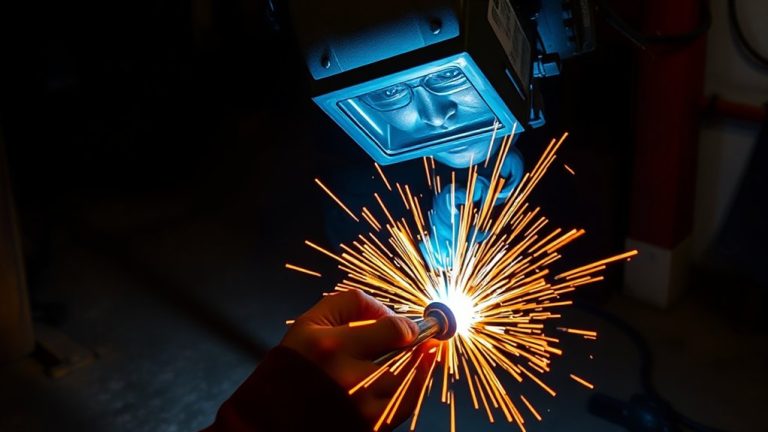
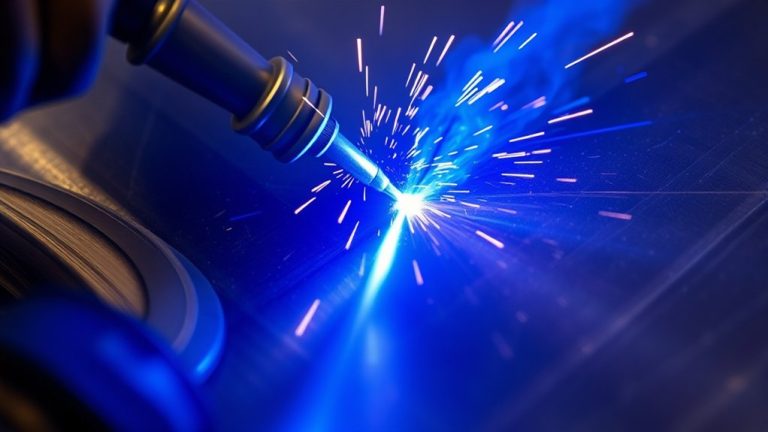
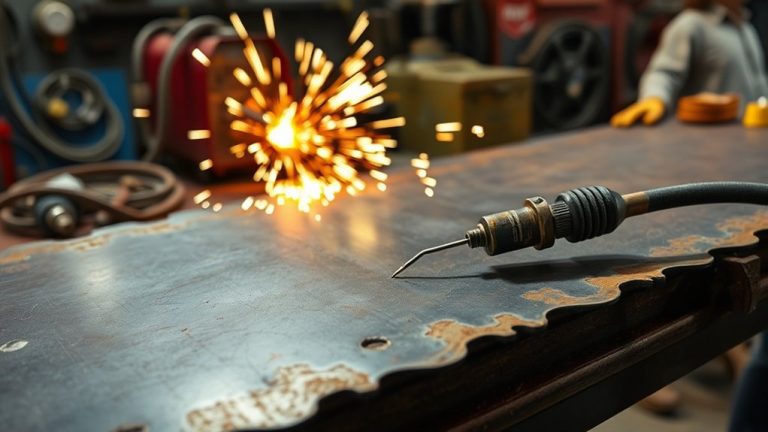
When it comes to plasma cutting, the arc length is more critical than you might initially think. It directly impacts your cut quality and consumable longevity. Maintaining an ideal standoff distance—typically between 0.1 to 0.2 inches—ensures peak performance. A deviation could lead to issues like poor penetration and excessive dross. So, how do you achieve and maintain this precision while considering factors like material thickness?
Understanding Plasma Arc Length and Its Importance
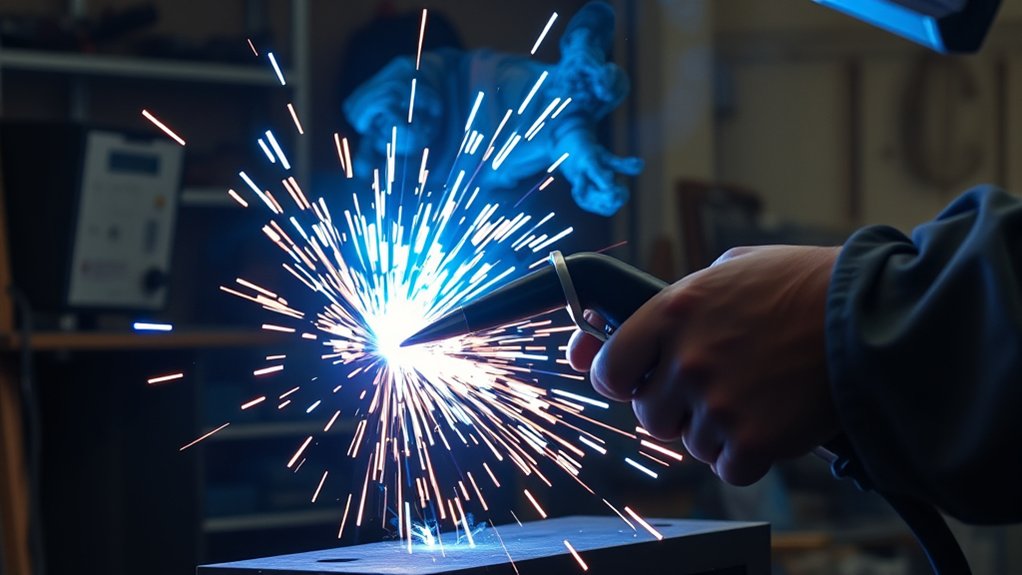
When it comes to plasma cutting, understanding the significance of plasma arc length is essential. You’ll find that it directly impacts both arc stability and cutting precision. The ideal distance between the torch nozzle and workpiece usually falls between 0.1 to 0.2 inches. This precise range guarantees the cutting arc remains stable, avoiding issues like poor penetration or excessive dross formation.
Consistency here is vital; even minor deviations can compromise the quality of your cuts. A longer arc length can increase voltage, leading to a wider cut and decreased efficiency. Conversely, a shorter arc enhances cutting precision, allowing for cleaner, more exact cuts.
Automatic Torch Height Control (ATHC) systems can help maintain this ideal length, ensuring uniformity and reducing consumable wear. By setting the plasma arc length correctly, not only do you achieve superior cut quality, but you also extend the lifespan of your equipment.
Factors Influencing Plasma Arc Length
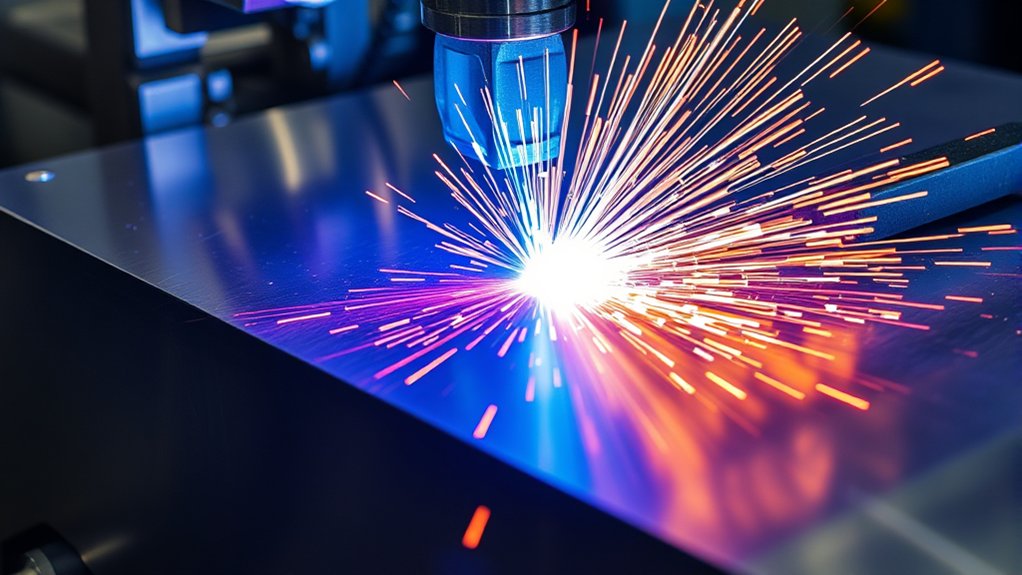
Although numerous factors can influence plasma arc length, the most critical is the torch-to-workpiece standoff distance. This variable directly affects your cutting efficiency and quality.
To achieve a stable arc and clean cuts, maintain the torch approximately 1/16 inch to 1/8 inch above the workpiece surface. Material thickness plays a pivotal role here, as different thicknesses demand distinct standoff distances. Adjusting the arc length when switching between materials or thicknesses is essential, ensuring ideal results and avoiding poor cut quality or excessive dross formation.
Variations in arc length can lead to increased wear on consumables, impacting cutting performance. Consequently, consider employing Automatic Torch Height Control systems. These systems adapt to variations in the workpiece surface, maintaining a consistent arc length and greatly enhancing cut quality.
Techniques for Setting the Optimal Arc Length
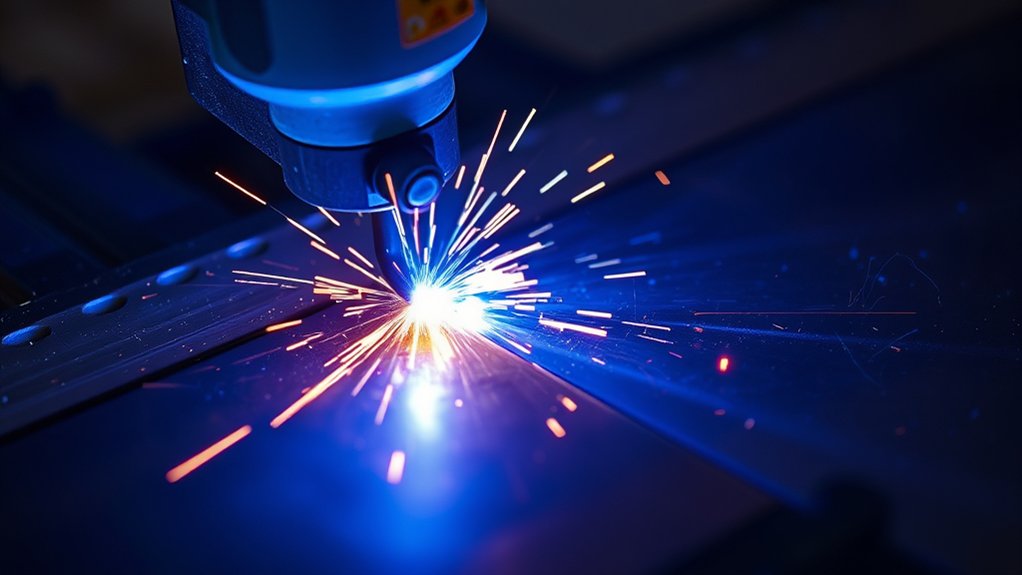
To set the ideal arc length in plasma cutting, start by verifying your torch-to-workpiece standoff distance is precise. Aim for a distance between 1/16 to 1/8 inch to maintain effective cutting and minimize dross. Regular manual adjustments are essential to compensate for wear and variations in material thickness. Embrace advanced technologies like Automatic Torch Height Control (ATHC) systems, which dynamically adjust torch height based on surface irregularities, enhancing precision and reducing the need for constant manual corrections.
| Technique | Benefit | Implementation |
|---|---|---|
| Manual Adjustments | Customizes arc for specific cuts | Regular checks |
| Automatic Torch Height | Consistent precision, less dross | Install ATHC system |
| Calibration | Guarantees ideal performance | Based on material type |
Calibrate your settings according to the material’s characteristics to maximize efficiency. Remember, maintaining consistent standoff distance not only liberates you from poor cut quality but also extends consumables’ life by preventing excessive wear.
Effects of Incorrect Arc Length on Cut Quality
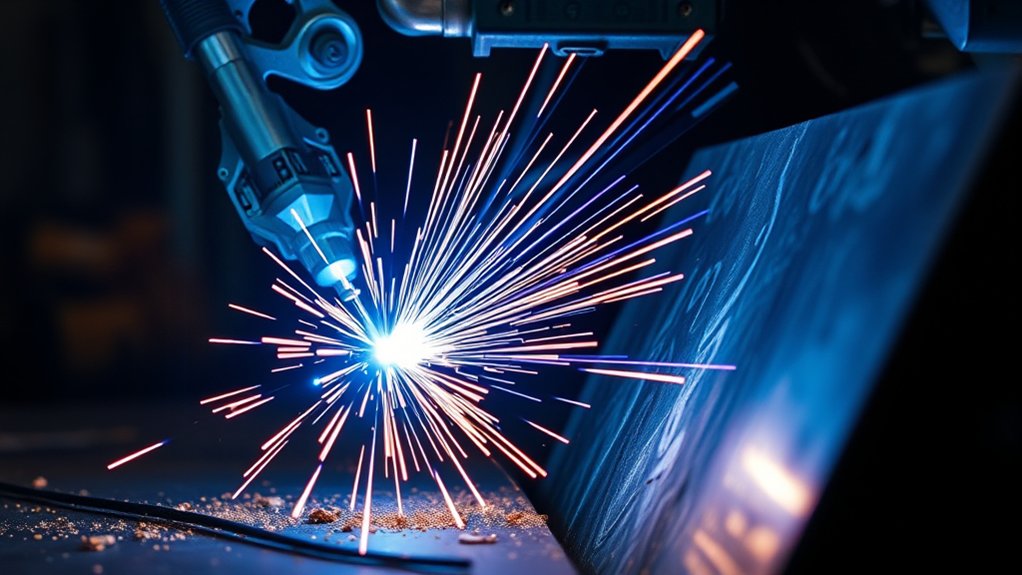
Having established the methods for setting the ideal arc length, it’s important to understand how inaccuracies in arc length can greatly impact cut quality. Incorrect arc length can disrupt your cutting precision, leading to unwanted consequences. A shorter arc introduces excessive heat input, causing dross accumulation on the cut edge. This not only affects the aesthetics but also the functionality of the part.
Conversely, a longer arc may result in poor penetration, especially problematic for thicker materials where energy concentration is essential.
Inconsistent arc lengths can also lead to:
- Material warpage, which skews the final product’s geometry.
- Angular cuts, compromising the part’s dimensional accuracy.
- Altered arc voltage, affecting cutting speed and precision.
- Increased scrap rates, leading to higher costs and wasted materials.
- Consumable wear, reducing the lifespan of your equipment.
Understanding these effects liberates you to make informed adjustments, ensuring superior cut quality and operational efficiency.
Adjusting Torch-to-Work Distance for Ideal Arc Length
When aiming for the ideal arc length in plasma cutting, precisely adjusting the torch-to-work distance is vital. This standoff distance, ideally set between 1/8 inch and 1/4 inch, guarantees excellent plasma arc stability, concentrating energy effectively on the material.
Mastering torch calibration techniques is important for maintaining this ideal height, as it directly impacts cut quality and minimizes excessive dross.
Mastering torch calibration is crucial for optimal cut quality and reducing excessive dross.
Inconsistent standoff distance can disrupt voltage levels, leading to erratic cutting speeds and diminished results. A distance that’s too high weakens the arc, while one too low risks torch and consumable damage.
Implementing standoff distance adjustments is fundamental to achieving consistent cuts.
For streamlined operations, consider Automatic Torch Height Control (ATHC) systems, which dynamically adjust the torch-to-work distance during cutting. This technology not only enhances cut precision but also extends consumable life, empowering you to achieve superior results with less manual intervention.
Manufacturer Guidelines for Arc Length Based on Material
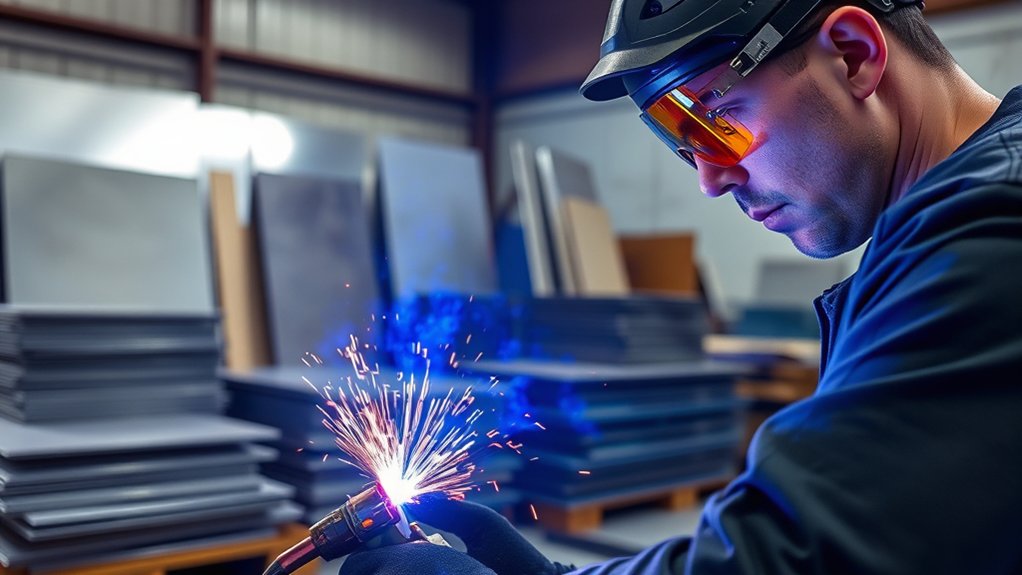
Although it might seem straightforward, adhering to manufacturer guidelines for arc length is essential for achieving ideal plasma cutting results tailored to different materials.
Material specific recommendations are vital, as varying properties demand distinct approaches. For instance, cutting aluminum often requires a slightly shorter arc length than mild steel to maintain the high-quality, clean cuts you seek.
Manufacturer guidelines advise that you adjust your arc length based on suitable amperage settings. Higher amperages often necessitate shorter arc lengths to preserve cut quality and prevent defects like dross formation.
Consider these key points:
- Aluminum: Needs a shorter arc length due to its thermal conductivity.
- Mild Steel: Tolerates slightly longer arcs, but precision is key.
- Suitable Amperage: Match settings with material type for stability.
- Dross Prevention: Correct arc length minimizes this common issue.
- Consumable Preservation: Following guidelines reduces wear, extends life.
Embrace these guidelines to cut with precision and efficiency.
Enhancing Performance and Consumable Lifespan With Proper Arc Length
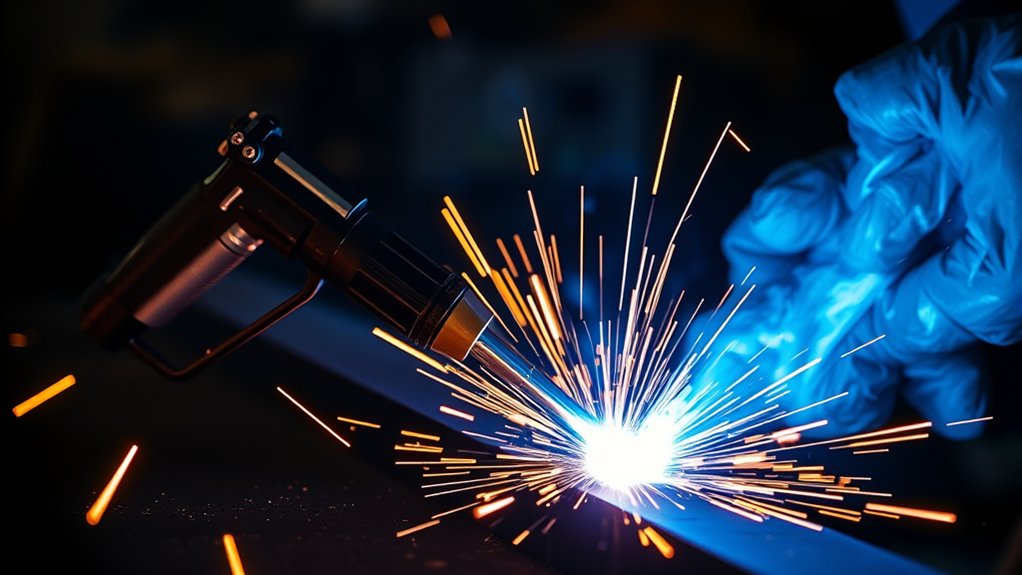
To enhance cutting performance and extend consumable lifespan, maintaining the correct arc length is crucial in plasma cutting.
The arc length, the gap between the plasma torch nozzle and the workpiece, directly influences cut consistency and consumable wear. An ideal arc, typically between 1/16 to 1/8 inch, minimizes dross formation and guarantees stable operation.
If the arc is too long, increased voltage can lead to instability, making it difficult to start cuts. Conversely, a short arc concentrates heat excessively, accelerating consumable wear.
For consistent results, consider using automatic torch height control systems, which adjust in real-time to keep the arc steady, enhancing precision and extending component life.
Frequently Asked Questions
Can Weather Conditions Affect Plasma Arc Length Settings?
Yes, weather impacts plasma arc length settings. Humidity and temperature fluctuations can affect cutting precision by altering conductivity and arc stability. Adjust your settings to compensate for these changes, ensuring consistent, accurate cuts and liberating your craftsmanship.
How Does Plasma Arc Length Impact Cutting Speed?
By optimizing the plasma arc length, you enhance cutting efficiency and manage material thickness. A proper arc length accelerates cutting speed, ensuring precise cuts. Your mastery over settings empowers efficient operations and frees you from unnecessary limitations.
Are There Automated Systems for Adjusting Plasma Arc Length?
Yes, automated systems in plasma cutting adjust arc length like a conductor tuning an orchestra, ensuring precision and efficiency. These systems free you from manual adjustments, enhancing speed and accuracy, empowering your cutting processes.
What Are Common Mistakes When Setting Plasma Arc Length?
You might set the arc length too long, compromising cutting quality, or too short, causing torch damage. Confirm precise calibration by referring to manufacturer guidelines, maintaining equipment, and using automated systems for consistent, high-quality cutting results.
How Does Operator Skill Influence Plasma Arc Length Accuracy?
As you approach the task, your operator experience creates a suspenseful dance between precision and error. Skill training becomes your ally, allowing you to master the plasma arc length, ensuring accuracy and liberating you from costly mistakes.
Conclusion
In the dance of plasma cutting, your torch’s arc length is the choreographer directing precision and quality. Like a maestro tuning an orchestra, maintaining a standoff distance of 0.1 to 0.2 inches guarantees harmony in your cuts. By embracing technologies like Automatic Torch Height Control, you adjust dynamically, extending consumable life and optimizing performance. So, don’t let your cuts falter; set the stage with the perfect arc length for impeccable results every time.