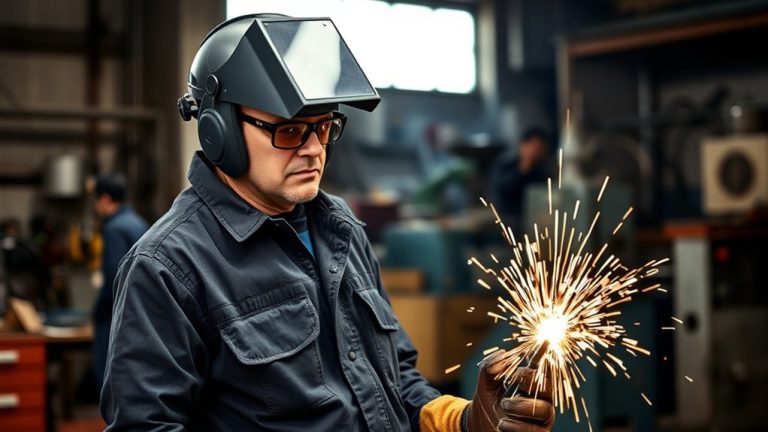
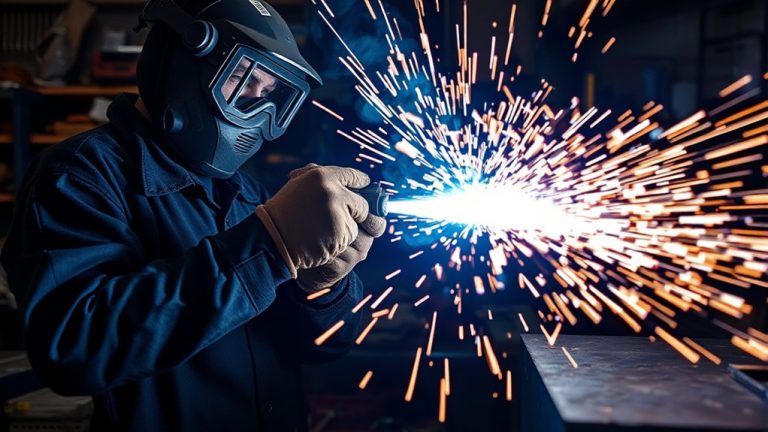
Imagine the bright, intense arc cutting through metal as you operate a plasma cutter. It’s vital to prioritize safety amidst the sparks and heat. You’re responsible for adhering to essential rules, like maintaining a safe distance from flammable materials and performing regular equipment checks. Equipped with the right PPE—flame-resistant clothing, safety glasses, and more—you shield yourself from harm. But what about the setup checklist? It’s time to uncover its significant role in your safety strategy.
Essential Safety Rules for Plasma Cutting
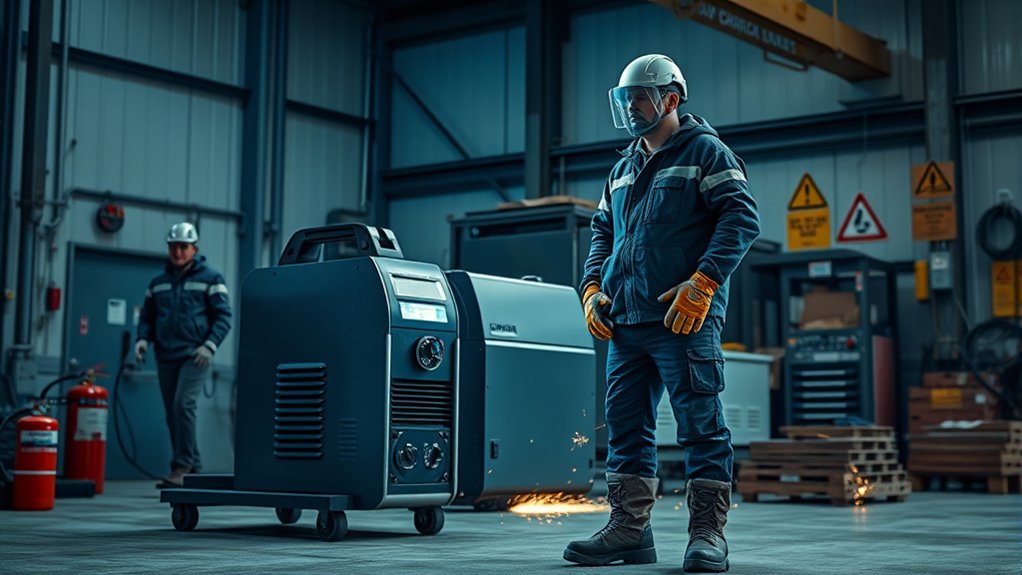
When you’re working with plasma cutters, adhering to essential safety rules is non-negotiable. Fire prevention is a vital aspect of your safety protocol. Keeping your workspace clean and guaranteeing flammable materials are at least 35 feet away minimizes fire risks.
Regular equipment inspection is imperative—check your plasma cutter and its accessories before each use. Look for damaged cables, worn nozzles, and confirm proper grounding to avoid electrical shocks.
Effective workspace ventilation is non-negotiable, particularly in confined areas, to mitigate the inhalation of toxic fumes and gases. Knowing emergency procedures and the locations of first aid kits and emergency exits is fundamental for quick responses to accidents.
Personal Protective Equipment (PPE) for Plasma Cutting
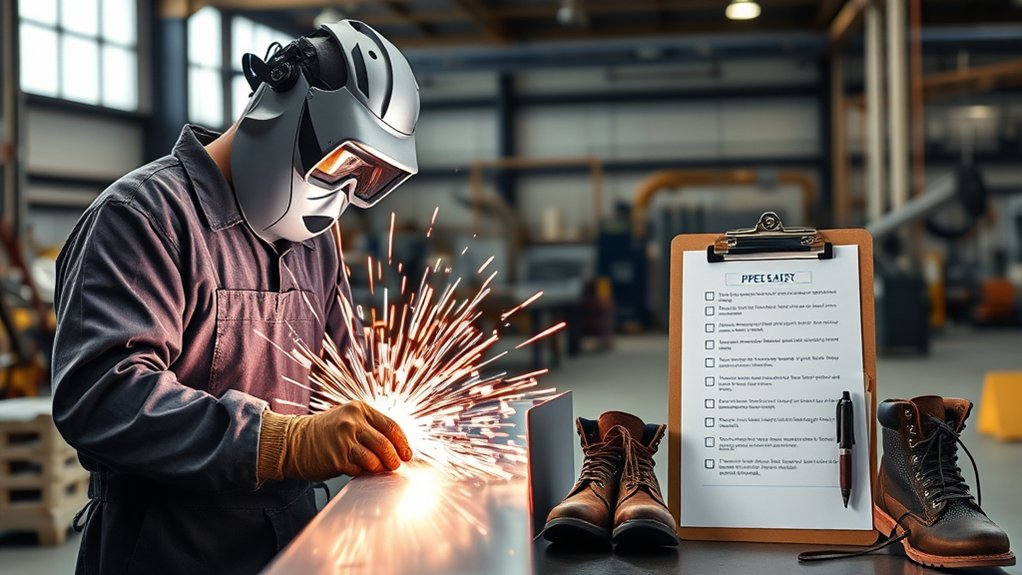
As you engage in plasma cutting, equipping yourself with the right Personal Protective Equipment (PPE) is vital for minimizing risks. Adhering to safety standards begins with donning flame-resistant clothing, such as cotton or leather, to shield against sparks and heat.
Protect your eyes from harmful UV radiation and flying debris by wearing safety glasses with side shields or a face shield. Proper gear also includes heat-resistant gloves to prevent burns and cuts while handling hot materials or the torch.
Safety glasses with side shields or a face shield protect eyes from UV rays and debris.
The loud operation of plasma cutting equipment necessitates hearing protection like earplugs or earmuffs, safeguarding against potential hearing loss.
In confined spaces, don’t ignore the risk of toxic fumes and particles; a respiratory mask or respirator is essential to mitigate exposure.
Setup Checklist for a Safe Plasma Cutting Environment
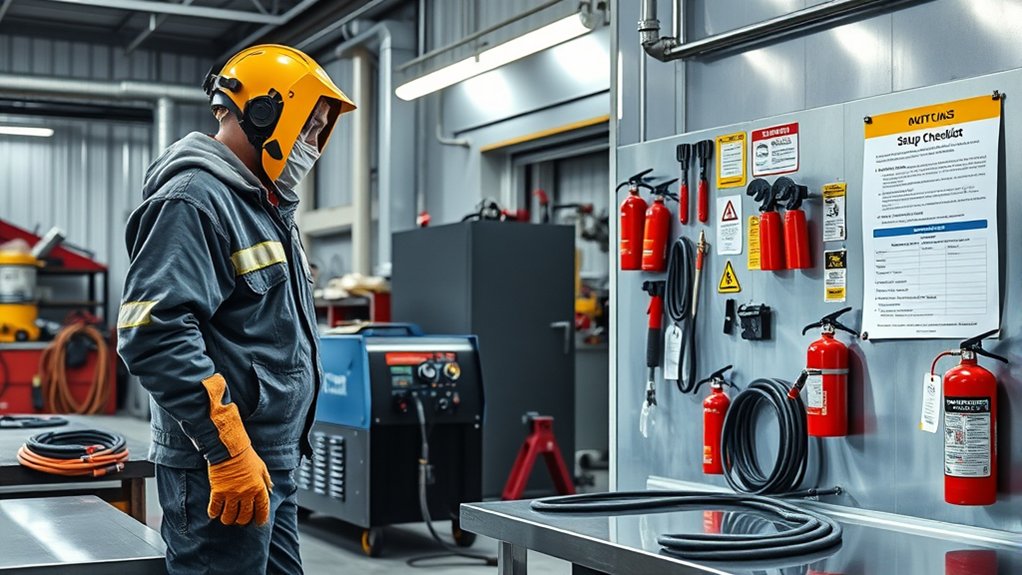
Before firing up your plasma cutter, it’s vital to conduct a thorough setup to guarantee a safe environment. Start by confirming the cutting area is clear of flammable materials, maintaining at least a 35-foot clearance to minimize fire hazards. Verify the plasma cutter and accessories, checking for exposed cables and damaged torches. Set up on a stable, non-conductive surface to prevent electric shock and use a reliable ground clamp for grounding the workpiece. Proper personal protective equipment (PPE) is essential—wear flame-resistant clothing, safety glasses with a suitable shade, and hearing protection.
Adequate ventilation is important to managing toxic fumes. Confirm ventilation requirements are met, and consider a fume extractor in confined spaces. Here’s a concise checklist to guide your setup:
| Checklist Item | Action Required |
|---|---|
| Clear Cutting Area | Confirm 35-foot clearance from flammables |
| Inspect Equipment | Check cables and torches for damage |
| Surface Setup | Use stable, non-conductive surfaces |
| Ventilation Requirements | Verify adequate ventilation or extractor |
Frequently Asked Questions
How Often Should Plasma Cutter Equipment Be Maintained or Serviced?
You should conduct maintenance every three to six months, depending on usage intensity. Follow your service checklist meticulously, ensuring all components are inspected. Regular maintenance frequency helps address potential risks and enhances equipment longevity, ensuring ideal performance.
What Are the Common Signs of Wear on Plasma Cutter Consumables?
You’ll notice wear indicators like uneven or excessive burn marks, distorted orifice shapes, and reduced cutting performance. Monitoring these signs helps assess consumable lifespan, preventing risks and ensuring ideal plasma cutter efficiency and safety.
Can Plasma Cutters Be Used Outdoors in Various Weather Conditions?
You can use plasma cutters outdoors, but assess weather conditions carefully. Guarantee dry, stable environments to prevent electrical hazards. Use weather-resistant gear for outdoor safety and mitigate risks associated with plasma cutter weather exposure, like rain or wind interference.
How Can One Minimize Noise Pollution During Plasma Cutting Operations?
You can minimize noise pollution by strategically placing noise barriers around the cutting area. Use sound insulation materials to reduce noise transmission. Regularly assess the effectiveness of these measures to guarantee compliance with noise regulations.
What Steps Should Be Taken in Case of a Plasma Cutter-Related Injury?
You see a vivid scene: sparks flying, a moment of panic. Quickly, assess the injury. Administer first aid, focusing on controlling bleeding. Follow your injury protocol, ensuring a detailed report and seeking medical evaluation to mitigate risks.
Conclusion
You’ve journeyed through the key components of plasma cutter safety: rules, PPE, and setup. Prioritize protective practices by donning durable gear and diligently distancing from dangerous debris. Inspect instruments with intent, guaranteeing every element is efficiently evaluated. Grounding secures guard against grim mishaps. By embracing these essential elements, you guarantee a safer, streamlined slicing session. Remember, risk reduction relies on regular reviews and readiness, reinforcing the reality that safety is the sharpest tool in your toolbox.