Disclosure: As an Amazon Associate, we earn from qualifying purchases. If you click a link on this page and make a purchase, we may receive a small commission at no extra cost to you.
Small electronic repairs can fail quickly when your solder paste does not flow well, dries out too soon, or leaves behind messy residue. The Sn63/Pb37 T4 Solder Paste is built for users who want a leaded solder paste with a 63% tin and 37% lead alloy, strong viscosity, and a no-clean formula for cleaner electronic assembly work. This review explains what the paste does well, where the included lead-free flux may help, and what safety limits you should consider before using it. It looks most useful for careful bench work, but it is not the right choice if your project requires lead-free solder only.
Quick Verdict
Rating: 8.1/10
Best For: Electronics hobbyists, repair users, and small assembly projects that can use leaded Sn63/Pb37 solder paste.
Bottom Line: This solder paste is worth considering if you want a low-cleanup, easy-flowing paste for precise electronic soldering. The main tradeoff is that the paste contains lead, so it needs careful handling and is not suitable for lead-free-only projects.
| Specification | Detail |
|---|---|
| Product type | Solder paste with accompanying solder flux |
| Solder alloy | Sn63/Pb37, 63% tin and 37% lead |
| Paste grade | T4 solder paste |
| Formula | No-clean formulation |
| Paste quantity | 30g solder paste, based on the article details |
| Flux quantity | 10cc flux tube, based on the article details |
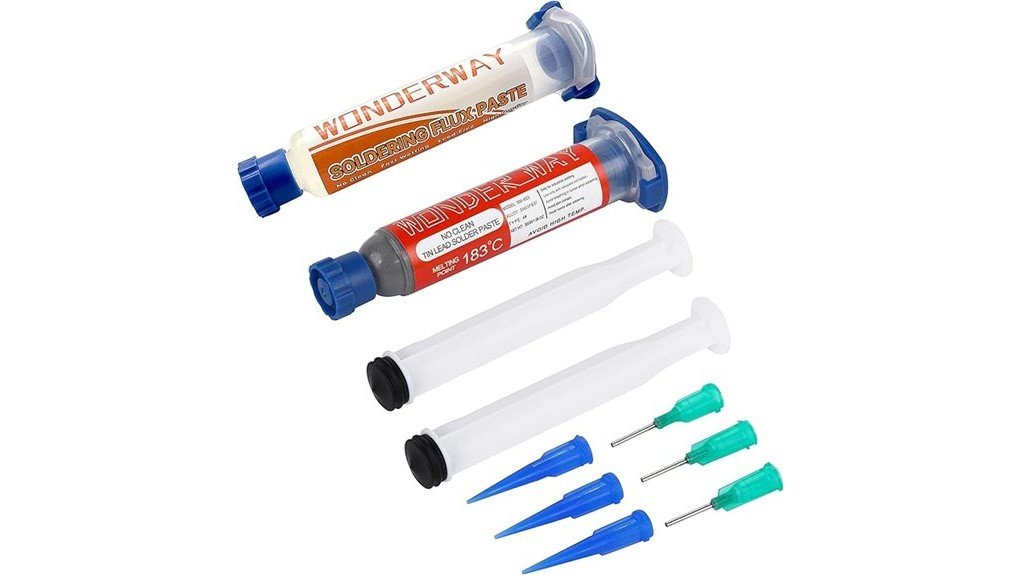
| Application style | Dispensing tube with a pushing mechanism for controlled flow |
| Best use | Small electronics assembly, circuit board repair, and precision soldering tasks |
| Safety note | The solder paste contains lead, so use ventilation, gloves, eye protection, and careful cleanup. |
What Is the Sn63/Pb37 T4 Solder Paste?
The Sn63/Pb37 T4 Solder Paste is a leaded solder paste made with 63% tin and 37% lead. That alloy is commonly chosen for electronic soldering because it can create neat joints when it is used at the correct temperature and with proper technique.
The source article describes it as a no-clean solder paste with strong viscosity and a bright welding point. In practical terms, that means the paste should be easier to place on small pads, easier to see during work, and less likely to require heavy residue cleanup after soldering.
The article also mentions a 30g solder paste tube and a 10cc flux tube. The flux is described as lead-free, but the solder paste itself is not lead-free because the alloy includes 37% lead.
Before You Buy: This is a leaded Sn63/Pb37 solder paste. Do not choose it for projects, workplaces, schools, or products that require lead-free soldering.
Who Should Buy It?
Best For
- Electronics hobbyists who already understand safe leaded solder handling.
- Small repair jobs where controlled paste placement matters.
- Users who want a no-clean formula to reduce post-soldering residue work.
Skip If
- You need a fully lead-free soldering process.
- You do not have proper ventilation, gloves, eye protection, or a safe cleanup routine.
- You need verified brand, certification, shelf-life, or warranty details before buying.
Key Features of Sn63/Pb37 T4 Solder Paste
The main feature is the Sn63/Pb37 alloy composition. With 63% tin and 37% lead, the paste is made for electronic connections that need smooth application and dependable joint formation when heated correctly.
The T4 paste grade is useful for smaller work areas because the paste can be placed more precisely than bulk solder wire in many board-level tasks. That matters when you are working around compact pads, fine parts, or crowded electronic assemblies.
The no-clean formulation is another helpful detail. It can reduce the amount of residue cleanup needed after soldering, although you should still inspect the board and follow your normal electronics cleaning standards.
Viscosity, Flow, and Application Control
Good solder paste needs to stay where you place it before heating. The article highlights strong viscosity, which helps you apply the paste more accurately and reduce unwanted spread during setup.
The packaging uses a pushing mechanism designed for smoother flow. That can make the product easier to dispense than a loose container, especially when you only need a small amount for a repair or small assembly job.
Flow control also affects waste. A tube-style package can help you use less paste at a time, but you still need a steady hand and the right amount of pressure to avoid over-application.
Pro Tip: Apply a small amount first, then add more only if the pad needs it. Too much solder paste can bridge nearby contacts and create extra cleanup work.
No-Clean Formula and Residue Control
The no-clean formula is useful when you want a cleaner finish without heavy post-soldering cleanup. It can save time on small electronics jobs because you are not forced to wash every joint after each pass.
No-clean does not mean no inspection. After soldering, you should still check the joint shape, look for bridges, and confirm that residue is not affecting nearby components.
This makes the paste a better fit for careful bench work than rushed production. You get the most benefit when you combine the no-clean formula with accurate placement and proper heating.
Lead-Free Flux and Compatibility Notes
The source article describes the accompanying flux as lead-free and non-corrosive. Flux helps improve solder flow and can support cleaner joints when used correctly with compatible soldering materials.
The important distinction is simple: the flux may be lead-free, but the solder paste is not. The paste uses a 63% tin and 37% lead alloy, so the complete soldering process should still be treated as a leaded process.
Use the flux only as directed on the product label. If your project has strict material rules, confirm that the paste and flux match your board, components, and compliance needs before you start.
Packaging and User Experience
The article points to a 30g solder paste tube and a 10cc flux tube, which should be manageable sizes for small electronics work. The tubes are easier to store than large tubs and can help keep your workbench more organized.
The pushing mechanism is designed to create smoother dispensing and reduce waste. This is useful when you need a small bead of paste instead of a large amount that spreads beyond the pad.
The main limitation is that tube-style dispensing can still take practice. If you press too hard, you may apply more paste than needed, especially on compact boards.
How It Performs in Real Use
For Circuit Board Repair
For small board repairs, the solder paste should help you place solder directly on the work area. The bright welding point mentioned in the article can also make it easier to inspect the joint while you work.
For Small Electronic Assembly
For small assembly projects, the paste format is useful when solder wire feels too bulky or hard to control. The T4 grade and viscosity give you more control around small pads, as long as you use the right amount.
For Occasional Hobby Use
The 30g paste quantity makes sense for occasional electronics use because you can keep a small tube nearby for repairs. Shelf life still depends on proper storage, so keep it sealed and follow the label instructions.
For Cleanup-Sensitive Work
The no-clean formula can reduce the time you spend removing residue. That helps when you want a neater finish, but you should still inspect the board and clean any residue that affects performance or appearance.
How to Use It Correctly
Start by preparing a clean, stable work surface. Keep food and drinks away from the area, and use good lighting so you can see the paste placement and solder joint clearly.
Apply a small amount of paste to the target pad or joint area. Too much paste can cause bridging, especially on small electronic parts with close spacing.
Use a suitable soldering temperature for the paste and the components you are working with. The original article gives a typical range of 180°C to 220°C, but you should always follow the product label, component limits, and your soldering tool guidance.
After soldering, let the joint cool naturally and inspect it before powering the device. Look for smooth wetting, clean contact, and no accidental solder bridges.
Safety Notes Before You Use It
This solder paste contains lead, so safe handling matters. Wear gloves and eye protection, work in a ventilated area, and wash your hands after use.
Do not sand, burn, or mishandle solder residue. Keep the paste, flux, used wipes, and waste away from children, pets, food surfaces, and household items.
You should also check your project requirements before using leaded solder paste. Some electronics, workplaces, and customer-facing products may require lead-free solder and documented materials.
Storage and Handling Tips
Keep the paste sealed when you are not using it. Exposure to air, moisture, and temperature swings can affect paste consistency and make application harder.
The original article says the solder paste may be stored for up to 12 months under ideal conditions. Treat that as a general product claim and follow the label for the actual storage temperature and expiration guidance.
Store the paste upright when possible and keep the cap clean. If the dispensing tip becomes clogged, clear it carefully instead of forcing the tube and wasting material.
Pros and Cons
Pros
- Sn63/Pb37 alloy is clearly identified as 63% tin and 37% lead.
- No-clean formula can reduce post-soldering cleanup.
- Strong viscosity helps with controlled placement on small work areas.
- Tube-style packaging supports smoother dispensing and less waste.
- 30g paste and 10cc flux sizes are practical for hobby and repair use.
Cons
- Not suitable for lead-free-only soldering requirements.
- Brand, certification, and warranty details were not verified from the source article.
- Tube dispensing may require practice to avoid applying too much paste.
Is It Worth the Price?
This solder paste looks like a strong value for the price if you need a small leaded solder paste kit for electronics repair, practice work, or controlled assembly tasks. The 30g paste and 10cc flux format should give occasional users enough material without taking up much bench space.
The best value comes from its combination of Sn63/Pb37 alloy, no-clean formula, and controlled dispensing. Those features matter more than extras if your main goal is clean placement and reliable solder flow.
It is not the best fit if you need verified lead-free compliance, official certification details, or a known brand with published technical documentation. In that case, compare it with a manufacturer-documented solder paste before buying.
How It Compares to Alternatives
Compared with lead-free solder paste, this Sn63/Pb37 paste is better suited to users who specifically want a leaded alloy for compatible electronics work. Lead-free paste may be the better choice for RoHS-focused projects or workplaces that do not allow leaded solder.
Compared with solder wire, this paste can be easier to place on small pads before heating. Solder wire may still be simpler for large through-hole joints or quick repairs where paste placement is not needed.
Frequently Asked Questions
Is this Sn63/Pb37 T4 solder paste lead-free?
No. The solder paste uses a 63% tin and 37% lead alloy. The source article describes the flux as lead-free, but the solder paste itself should be treated as a leaded product.
What temperature range should you use with this solder paste?
The original article lists a typical range of 180°C to 220°C. Use that only as a starting point, then follow the product label, soldering tool guidance, and the temperature limits of your components.
Can you use it for all electronics?
No. It may work for many compatible electronic assembly and repair tasks, but it is not suitable for projects that require lead-free solder. Check your component requirements and any workplace or compliance rules before use.
Does the no-clean formula mean you never need to clean the board?
Not always. A no-clean formula can reduce residue cleanup, but you should still inspect the work area after soldering. Clean any residue, bridges, or contamination that could affect the board.
How long can the solder paste be stored?
The source article says the paste can last up to 12 months under ideal storage conditions. Keep it sealed, avoid moisture and extreme temperatures, and follow the product label for the most reliable shelf-life guidance.
Can the flux be used with other solder types?
The article suggests the flux can work across various soldering tasks, but compatibility depends on the solder type, board, and job. Check the flux label before using it with another solder alloy.
What safety gear should you use with this product?
Use gloves, safety glasses, and good ventilation. Because the paste contains lead, keep it away from food surfaces, children, and pets, then wash your hands after handling it.
Who should skip this solder paste?
Skip it if your project must be lead-free, if you need verified manufacturer documentation, or if you do not have a safe soldering setup. A lead-free paste from a documented brand may be a better option for regulated or professional use.
The Bottom Line
The Sn63/Pb37 T4 Solder Paste is a practical choice for electronics users who want a leaded solder paste with controlled flow, a no-clean formula, and small-project-friendly packaging. Its biggest strength is precise application, while its biggest limitation is the leaded alloy and the lack of verified public brand/spec documentation in the source material.
Buy it if your project can use Sn63/Pb37 solder paste and you have a safe work setup. Skip it if you need lead-free compliance, official certification details, or a fully documented manufacturer listing.