Structural adhesive bonding in modern cars uses engineered epoxy, polyurethane, acrylic, and hybrid adhesives to join metals, composites, glass, and mixed-material parts. These products are not ordinary glue. Each adhesive is selected for the exact materials, joint design, factory or repair process, service temperature, and safety requirements involved. When the complete process is validated and followed, adhesive bonding can spread loads, seal selected seams, limit vibration, and support the stiffness and crash performance designed by the vehicle maker.
Quick Answer
Automotive structural adhesive bonding joins vehicle parts with a high-strength adhesive instead of, or alongside, welds, rivets, screws, and clinches. A safe bond requires the correct OEM-approved product, clean compatible surfaces, a controlled bond-line gap, proper clamping, and the full specified cure time and temperature.
Key Takeaways
- Structural adhesives help vehicle makers join steel, aluminum, magnesium, composites, glass, and other mixed materials.
- Bond strength depends on the whole process: product approval, surface preparation, joint design, bond-line thickness, mixing, clamping, temperature, and cure time.
- A continuous bonded area can spread load more evenly than isolated weld or fastener points, but only when the joint was designed and validated for adhesive bonding.
- Panel adhesive, structural adhesive, seam sealer, glazing urethane, and battery thermal materials are not interchangeable.
- Collision repair must follow the exact model- and location-specific OEM procedure, including approved attachment methods and corrosion protection.
What Are Automotive Structural Adhesives?
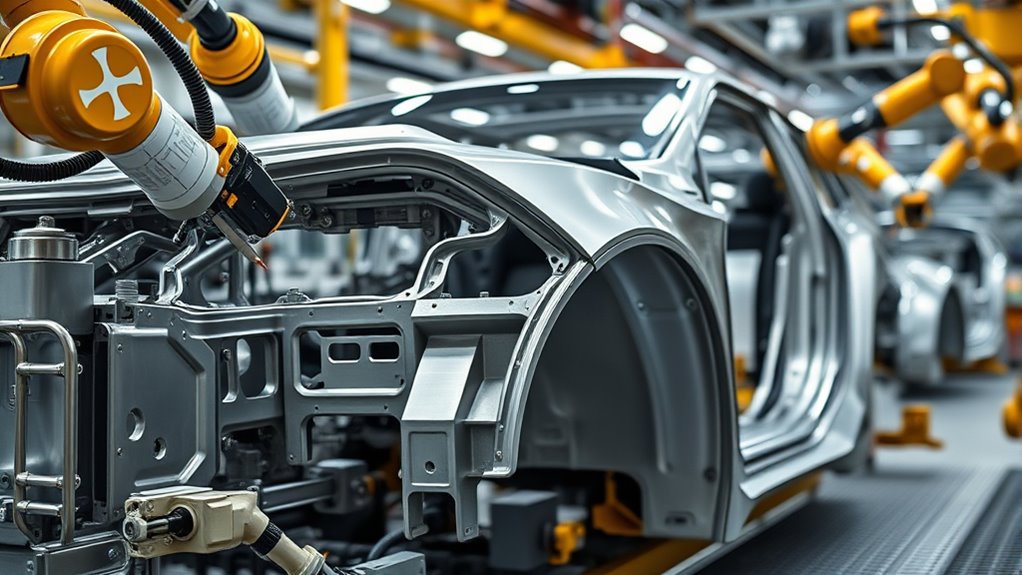
Automotive structural adhesives are high-strength bonding materials used on load-bearing, crash-related, or stiffness-critical vehicle joints. They are designed to resist vibration, moisture, temperature changes, fatigue, corrosion exposure, and mechanical stress when used in the correct joint and within their rated limits.
Common chemistries include epoxy, polyurethane, acrylic, and hybrid systems. Epoxy products are widely used in body structures because selected formulations provide strong metal bonding, heat resistance, and crash-durable performance. Structural polyurethane products can provide greater flexibility and impact tolerance. Acrylic products often offer fast fixture or handling times on compatible metals and composites. Hybrid systems combine selected traits from more than one chemistry.
The chemistry name alone does not tell you whether a cartridge is suitable for a vehicle repair. Two epoxy products, for example, may have different strength, flexibility, working time, cure temperature, corrosion performance, and OEM approvals.
In modern vehicles, structural adhesives are often used with spot welds, rivets, screws, clinches, or other joining methods. This is called hybrid joining. The adhesive spreads force across the bonded area, while the mechanical or welded attachments may hold the parts during assembly and provide additional retention. Automotive manufacturers and suppliers use these systems for body structures, mixed-material joints, and other validated applications.
Note: “Structural adhesive” does not mean that every strong adhesive can replace a weld. The product and attachment method must be approved for the exact vehicle, joint, material stack, repair location, and cure process.
How Structural Adhesive Bonding Works
Structural adhesive bonding depends on surface wetting, microscopic mechanical grip, attraction at the adhesive-to-part interface, and strength within the cured adhesive. First, the uncured adhesive must spread over the prepared surface instead of pulling away or beading up. It then cures into a solid or toughened material that transfers force between the parts.
A reliable bonding process is built in stages:
- Identify the vehicle and joint: Confirm the model, model year, body material, replacement part, damage area, and OEM repair procedure.
- Confirm the approved product: Check the required adhesive, attachment method, primer, corrosion material, and cure process.
- Dry-fit the parts: Verify flange shape, overlap, clamp access, hole locations, and panel alignment before opening the adhesive.
- Clean the surface: Remove oil, wax, dust, moisture, corrosion, old seam sealer, loose coating, and release agents as directed.
- Abrade or profile the surface: Create the specified surface condition without thinning the metal or leaving loose debris.
- Prime or treat the surface if required: Use only the primer, conversion coating, or corrosion treatment allowed by the OEM and adhesive maker.
- Prepare the cartridge: Check the product number and expiration date, condition it to the required temperature, purge it if instructed, and install the correct static mixer.
- Apply the adhesive: Use the required bead size, pattern, mix procedure, coverage, and working time.
- Assemble and clamp the joint: Hold the parts at the specified position and bond-line gap without squeezing out too much adhesive.
- Cure under control: Follow the stated clamp time, handling time, full-cure time, temperature, humidity, and any approved heat-curing limits.
- Restore protection: Complete required seam sealing, edge protection, refinishing, cavity wax, and corrosion-protection steps.
- Document the repair: Record the adhesive, lot or batch information when available, expiration, shop temperature, attachment method, cure timing, and required inspections.
Surface Preparation
Surface preparation is one of the most important controls in structural adhesive bonding. Clean, correctly profiled surfaces allow the adhesive to wet and grip the intended substrate. Oil, moisture, dust, corrosion, release agents, unsupported paint, or old seam sealer can create a weak layer between the adhesive and the part.
The correct preparation varies by substrate. Bare aluminum, galvanized steel, advanced high-strength steel, magnesium, carbon-fiber composite, plastic, glass, factory e-coat, and refinished surfaces may all require different methods. Do not assume that one cleaner, abrasive, or primer works on every material.
Avoid touching a cleaned bonding surface with bare hands. Skin oils can contaminate the area. Also keep cleaning cloth fibers, grinding debris, and sanding dust out of the bond line.
Pro Tip: Dry-fit and mark the parts before applying adhesive. Confirm the flange shape, clamp locations, mechanical-fastener access, bond-line gap, panel alignment, and squeeze-out path before the adhesive working time begins.
Mechanical Interlocking
Mechanical interlocking occurs when adhesive flows into small surface features and cures around them. A controlled surface profile can increase usable bonding area, but deeper scratches do not automatically create a stronger joint. Torn coatings, loose corrosion, metal filings, and heavy grinding marks can become weak points.
Adhesive viscosity also matters. A product that is too fluid for the joint may run out or leave a starved bond line. A product that is too thick for the surface and application method may not wet the area fully. Use the grade, bead pattern, and application temperature stated in the approved procedure.
Chemical Bond Formation
At the interface, adhesive molecules interact with the surface through several short-range chemical and physical forces. These may include polar attraction, hydrogen bonding, or stronger chemical links in compatible systems. The exact mechanism varies by adhesive and substrate.
These interactions require direct contact with a clean, compatible surface. Oil, water, rust, sanding dust, incompatible primer, loose paint, or old adhesive can block that contact. A bead may look solid from outside the joint while adhesion at the hidden interface remains weak.
Types of Structural Adhesives Used in Cars
Different adhesive chemistries solve different joining problems. The best choice depends on the substrates, coating condition, service temperature, load direction, expected movement, production process, and whether the work is factory assembly or collision repair.
| Adhesive Type | Typical Traits | Common Applications | Main Caution |
| Epoxy | High shear strength, controlled toughness, and good heat and chemical resistance in selected formulations | Body structures, reinforcements, hem flanges, mixed-metal repairs, and battery housings | Mixing, surface preparation, bond-line control, clamp time, and cure temperature are product-specific |
| Polyurethane | Flexible, impact-tolerant, and able to accommodate movement in selected structural formulas | Some mixed-material assemblies, composite parts, structural glazing systems, and flexible bond-and-seal joints | Not every urethane sealant or glass adhesive is approved as a body structural adhesive |
| Acrylic | Fast fixture or handling time and strong bonding to selected metals, plastics, and composites | Some modular assemblies, composite joints, brackets, and approved repair applications | Open time, odor, exothermic heat, surface compatibility, and gap limits must be checked |
| Hybrid | A balance of stiffness, flexibility, toughness, adhesion, and processing properties | Specialized mixed-material, battery, assembly, and production joints | Do not substitute another chemistry or product unless the procedure permits it |
Structural Adhesive vs Other Automotive Bonding Products
Several automotive products are supplied in cartridges and applied as beads, but they perform different jobs. Similar color, packaging, or hardness does not make them interchangeable.
| Product | Primary Job | Can It Replace a Structural Adhesive? |
| Crash-rated structural adhesive | Transfers structural or crash-related loads in a specifically approved joint | This is the required class where the OEM procedure specifies it |
| Panel bonding adhesive | Bonds approved outer panels, flanges, or seams and may provide corrosion-resistant bonding | Only where the OEM permits that exact product and attachment method |
| Seam sealer | Closes seams against water, dust, fumes, and corrosion exposure | No; it generally seals rather than carries a validated structural load |
| Automotive-glass urethane | Bonds stationary glass and may contribute to body stiffness where the vehicle design depends on bonded glass | No; use the approved glazing system, primer process, and safe-drive-away time |
| Thermal interface material | Transfers heat between battery cells, modules, electronics, and cooling surfaces | Not unless the exact product is also engineered and approved to carry the required structural load |
Warning: Do not select a product by package wording such as “high strength,” “panel bond,” or “structural.” Verify the exact part number and approved repair location in the vehicle maker’s current repair information.
Products Worth Considering
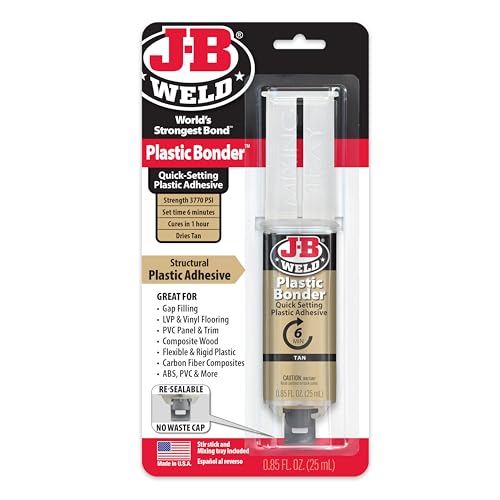
J-B WELD PLASTICBONDER (Tan): A quick setting and multipurpose two part urethane adhesive & gap filling system that provides a strong and lasting bond to many plastic surfaces. J-B Weld PlasticBonder is great for DIY plastic repairs, filling dents, bumper repairs and more! J-B Weld PlasticBonder now comes in a syringe allowing for an easy 1:1 mix ratio. The unique syringe has a re-sealable cap that prevents drying out and leaking, allowing for multiple uses!
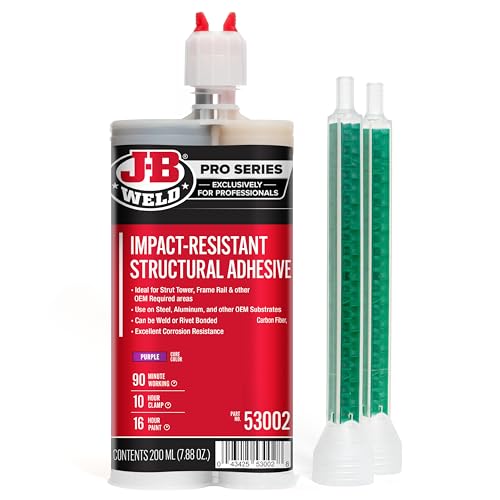
J-B Weld Pro-Series Impact Resistant Structural Adhesive #53002 is a 2-part epoxy-based adhesive for bonding structural and non-structural components where specified by the vehicle manufacturer
![Lord FUS-147 Structural Urethane Installation Adhesive [Medium-Set], 10.1 Oz.](https://m.media-amazon.com/images/I/21e0Mrod9tL._SL500_.jpg)
High strength structural adhesive
Why Carmakers Use Structural Adhesives
Carmakers use structural adhesives because modern vehicles contain more material combinations than older steel-dominant designs. Aluminum, advanced high-strength steel, magnesium, coated metals, plastics, and composites cannot always be joined efficiently with one traditional method.
A bonded flange can distribute force over a wider area than a single weld nugget or fastener. This may reduce local stress concentrations and improve stiffness, fatigue performance, noise control, and vibration behavior when the joint is designed and tested for adhesive bonding.
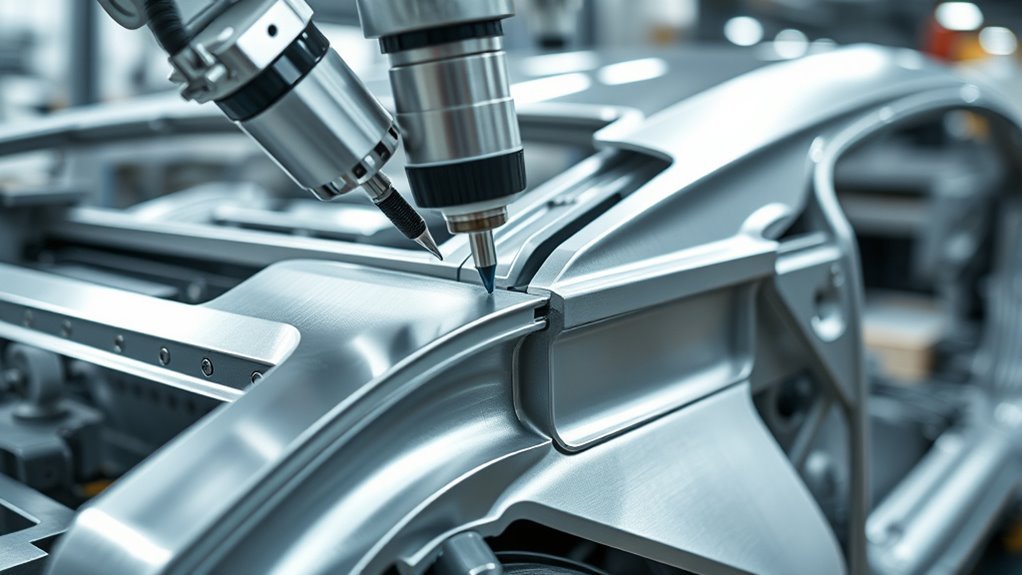
In body-in-white assembly, adhesives may be applied before the vehicle is painted and trimmed. Applications include roofs, pillars, rocker areas, door and liftgate hems, quarter panels, floors, crossmembers, battery structures, and reinforcements. Some production systems use oven-cured, one-part adhesive that is not the same as a room-temperature, two-part collision-repair product.
A continuous adhesive layer may also help block moisture at a bonded flange. However, it does not automatically replace every required primer, seam sealer, coating, cavity wax, drain path, or edge-protection step.
The strongest adhesive joint is not simply the one made with the strongest cartridge. It combines the right product, clean compatible surfaces, a suitable load path, controlled bond-line thickness, complete curing, and restored corrosion protection.
Where Automotive Structural Adhesives Are Used
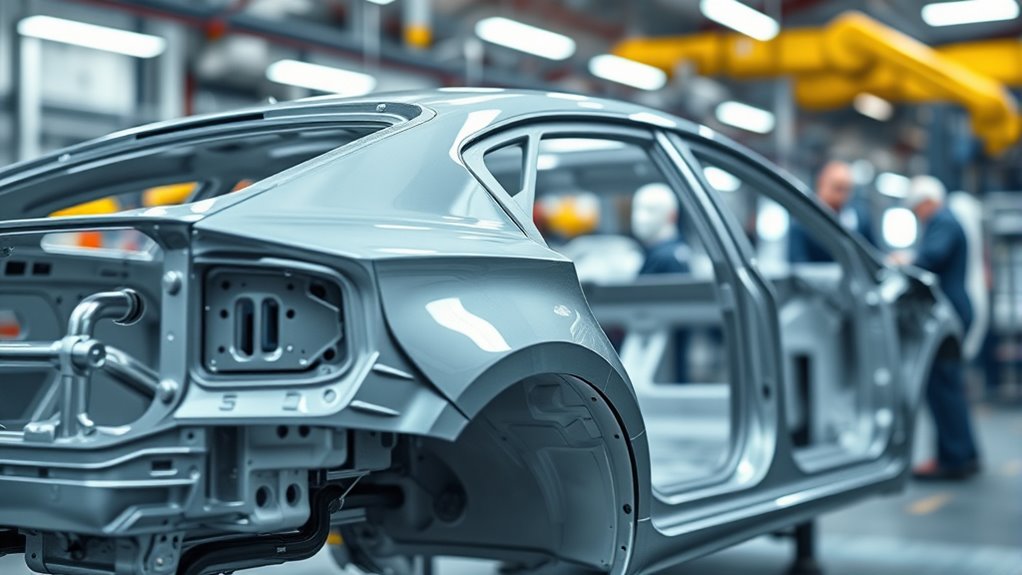
Automotive structural adhesives appear in factory assembly and in approved collision-repair procedures. Applications include body panels, roof joints, door and liftgate hems, floors, reinforcements, mixed-material structures, bonded glass systems, battery housings, and selected chassis-related assemblies.
Body and Chassis Bonding
In body and chassis assemblies, a continuous bond can improve stiffness and reduce vibration because it connects a larger section of a seam. Adhesive bonding can also avoid some of the localized heat input and panel distortion produced by welding.
Common body applications include:
- Roof-to-body joints
- Quarter-panel flanges
- Door, hood, deck-lid, and liftgate hems
- Rocker-panel and pillar reinforcements
- Floor, crossmember, and reinforcement bonding
- Mixed steel-and-aluminum joints
- Stationary-glass bonding where the approved glazing system contributes to the vehicle structure
These examples do not prove that adhesive is permitted in every repair at those locations. The same part may use welding, rivets, adhesive, or a combination depending on the vehicle and model year.
EV Batteries and Panels
Electric vehicles use structural adhesives, sealants, foams, gasketing materials, fire-protection coatings, and thermal interface materials around battery packs, modules, cooling plates, covers, electronics, and surrounding panels. These materials may look similar but serve different functions.
- Structural adhesive: Transfers mechanical load and supports housing or component integrity.
- Sealant or gasket: Helps block water, dust, gases, and other environmental exposure.
- Thermal interface material: Helps move heat between a battery component and its cooling surface.
- Dielectric material: Provides specified electrical insulation.
- Fire-protection material: Helps delay or control heat and flame exposure under defined conditions.
Automotive material suppliers list these as separate battery-system technologies because one product does not automatically perform every job. Henkel’s e-mobility guidance, for example, separates structural adhesives, thermal materials, gasketing, coatings, and other battery-protection products.
Do not treat these materials as interchangeable. The wrong product can affect sealing, serviceability, crash load paths, heat transfer, electrical insulation, or corrosion protection.
Warning: Never cut, heat, grind, bond, pry, or drill near an EV high-voltage battery enclosure unless the vehicle has been identified, isolated, and made safe under its manufacturer procedure. The U.S. Department of Energy notes that electrified-vehicle high-voltage systems commonly operate in the hundreds of volts and that battery packs are housed in sealed enclosures. Work in these areas can create electrical, fire, sealing, chemical, and crash-safety risks.
What Affects Structural Adhesive Strength?
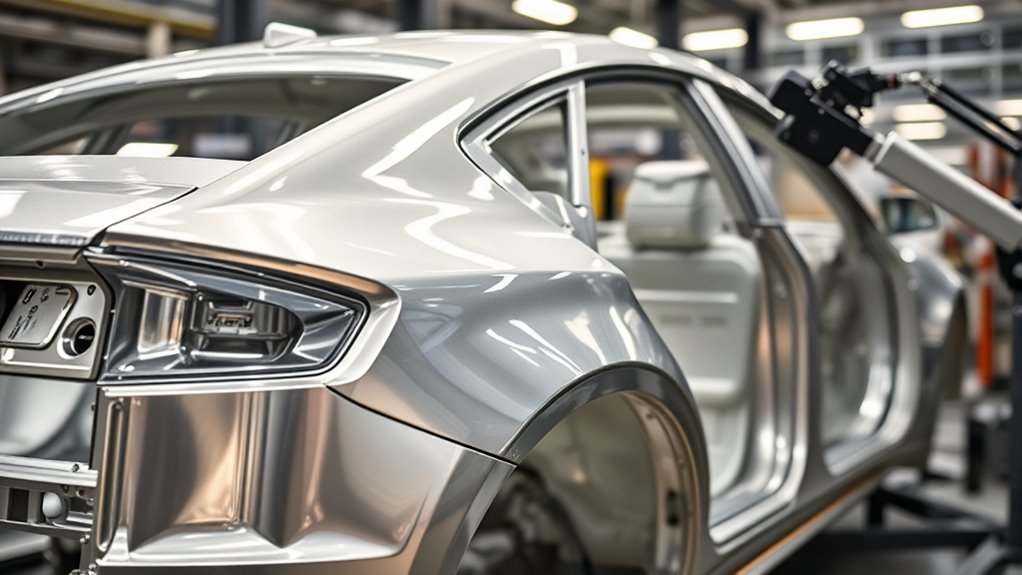
Structural adhesive strength depends on the complete bonding process, not one isolated specification. A premium adhesive can still fail if the surface is contaminated, the wrong primer is used, the bead is poorly mixed, the joint is over-clamped, or the parts move before the adhesive develops enough strength.
The most important controls include:
- OEM authorization: The vehicle procedure must permit adhesive bonding at that location.
- Material compatibility: The adhesive must match the metal, coating, composite, plastic, or glass being bonded.
- Surface cleanliness: Oil, wax, moisture, dust, rust, old adhesive, and release agents can block adhesion.
- Surface condition: Abrasion may help when specified, but excessive grinding, loose coatings, or thinned metal can weaken the repair.
- Bond-line thickness: Too little adhesive can starve the joint; uncontrolled excess can alter fit, cure behavior, and load transfer.
- Joint design: Adhesives usually perform best when force is spread through shear, tension, or compression rather than concentrated in peel or cleavage.
- Mixing and metering: Two-part products need the correct cartridge, applicator, mix ratio, purge procedure, and static mixing tip.
- Working time: The joint must be assembled before the adhesive exceeds its stated open or working time.
- Clamping: The fixture must hold alignment and the required gap without squeezing out too much material.
- Temperature and humidity: Cold cartridges, cold panels, excessive heat, or unsuitable humidity can change flow and cure behavior.
- Cure time: Working time, clamp time, handling time, paint time, safe-service time, and full cure are separate limits.
- Corrosion restoration: Exposed metal, flange edges, cavities, and open seams must receive the protection required by the OEM procedure.
Note: Firm squeeze-out or a dry-looking surface does not prove that adhesive hidden inside the joint has reached full strength. Use the product’s stated cure schedule and the OEM’s return-to-service requirements.
Joint Design and Load Direction
Adhesive joints generally perform best when force is spread across the bonded area. Shear acts across the joint, tension pulls evenly away from it, and compression presses the parts together. Peel and cleavage concentrate force at one edge, similar to pulling tape from a surface or prying two rigid parts apart.
For this reason, a joint that works well for welding or a bolt may need a different flange, overlap, reinforcement, or mechanical lock before it can work safely with adhesive. The vehicle owner or repair technician should never redesign a structural attachment independently. Joint geometry and attachment patterns are engineering decisions.
Common Failure Modes
When a bonded automotive joint fails, the visible pattern may help identify what happened. The four broad patterns are adhesive failure, cohesive failure, substrate failure, and mixed failure.
- Adhesive failure: The adhesive releases from one of the bonded surfaces. Possible causes include contamination, poor preparation, unsupported coating, wrong primer, insufficient wetting, or material incompatibility.
- Cohesive failure: The adhesive tears within its own thickness while material remains attached to both sides. This can indicate good surface adhesion, although the complete test conditions still matter.
- Substrate failure: The metal, composite, coating, or paint layer fails before the adhesive separates.
- Mixed failure: Two or more failure patterns appear across the same joint.
Other warning signs include voids, skipped bead areas, dry contact zones, poor squeeze-out, incorrect bead position, soft uncured material, brittle cracking, corrosion at the flange edge, or panel movement during cure.
A visual inspection alone cannot certify structural strength. Hidden bond quality may depend on process records, approved test methods, witness material, or other checks specified by the adhesive manufacturer or OEM.
Structural Adhesives vs Welding and Fasteners
Structural adhesives, welding, rivets, screws, and clinches all have valid automotive uses. None is best for every joint. The correct method depends on the substrate, coating, load direction, heat sensitivity, production process, repair access, corrosion risk, and OEM procedure.
Adhesives are useful when a validated design needs:
- Load transfer across a larger seam area
- Lower localized heat input than fusion welding
- Joining of selected dissimilar materials
- Bonding and partial seam sealing in the same joint
- Noise and vibration control
- Support for lightweight or mixed-material construction
Welding or mechanical fasteners may be required when the design needs:
- Immediate handling or assembly strength
- A specified mechanical attachment or weld pattern
- High concentrated-load, peel, or prying-force resistance
- Operation above the adhesive’s service-temperature limit
- Disassembly or mechanical service access
- An OEM repair method that does not allow adhesive substitution
Many modern vehicles use hybrid joints because the methods complement each other. Adhesive may spread load and close the flange, while welds or rivets maintain alignment, provide immediate retention, and satisfy the validated attachment design.
Production Bonding vs Collision Repair
Factory bonding and collision-repair bonding are not the same process. In a factory, new parts move through controlled cleaning, metering, fixturing, and curing systems. Some production adhesives cure during an e-coat or paint-bake cycle at temperatures that cannot be duplicated safely on a completed vehicle.
A repair technician may instead use an approved two-part adhesive that cures at room temperature or with limited supplemental heat. The repair product must reproduce the required joint performance without damaging coatings, electronics, trim, glass, sealers, or battery components.
For collision repair, do not choose a cartridge only because it says “panel bonding,” “impact resistant,” or “structural.” The 3M collision-repair adhesive guidance stresses following OEM recommendations, and 3M separately warns that panel bonding adhesive should be used on structural components only where the OEM specifies it.
How to Select the Correct Repair Adhesive
Use this checklist before ordering or opening an adhesive for collision repair:
- Identify the vehicle completely: Confirm the VIN, model, model year, body style, powertrain, and relevant option or construction variation.
- Open the current OEM repair procedure: Do not rely on a procedure from a different year, similar model, estimating database note, or general shop habit.
- Identify the material: Confirm whether each flange is mild steel, advanced high-strength steel, aluminum, magnesium, composite, coated metal, or another substrate.
- Confirm the service part: A complete assembly and a partial panel may have different sectioning and attachment rules.
- Locate every attachment: Record adhesive areas, welds, rivets, screws, clinches, foams, sealers, and mechanical fasteners.
- Verify the exact approved adhesive: Use the product number, equivalent-product allowance, and application notes in the procedure.
- Check the technical data sheet: Review substrate preparation, bead pattern, mix tip, working time, clamp time, cure time, temperature limits, and paint-bake restrictions.
- Check the safety data sheet: Review chemical hazards, ventilation, glove material, eye protection, respiratory requirements, storage, spills, and disposal.
- Confirm corrosion-restoration steps: Identify required primers, seam sealers, coatings, cavity wax, and refinish materials.
- Verify shop capability: Make sure the correct applicator, mixers, rivet equipment, welder, clamps, measuring tools, PPE, and temperature-control methods are available.
The I-CAR OEM Technical Information Matrix helps repairers locate vehicle-maker information about body materials, adhesive requirements, attachment methods, sectioning, stationary-glass preparation, and corrosion protection.
Warning: Do not substitute bonding for welding, riveting, brazing, or another attachment method unless the vehicle-specific procedure expressly allows the change.
Products Worth Considering
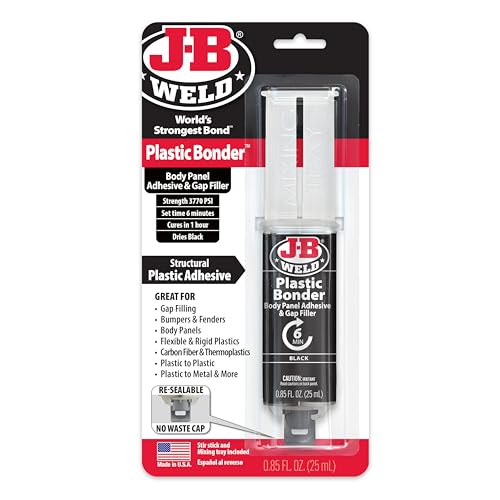
Plasticbonder: Is A Quick-Set, 2 Part, Urethane Adhesive System That Provides Strong, Lasting Repairs And Works On Thermoset, Carbon Fiber Composites, Thermoplastics, Coated Metals, Concrete & More.
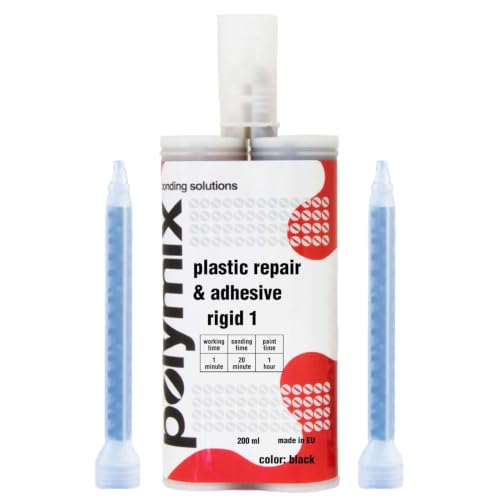
Two Component Polyurethane Adhesive: Room temperature curing, natural colored, odorless, thixotropic polyurethane adhesive designed for structural bonding of a wide range of materials including thermosetting and thermoplastic materials, steel, aluminum, concrete, wood and glass

Ready-to-use liquid weld for rigid parts: Metal epoxy glue bonds aluminum, steel, stainless, and cast iron; also wood, ceramic, glass, rigid plastics, and concrete—ideal for auto repair, marine hardware, plumbing leak repair, and home fixes.
Quality Control for a Bonded Repair
A repeatable bonded repair should be documented like any other safety-related joining process. Useful records include:
- Vehicle VIN, model, model year, and repair-procedure revision
- Replacement-part number and repaired joint location
- Adhesive manufacturer, product number, lot or batch information when available, and expiration date
- Cartridge and panel temperatures before application
- Surface-preparation, primer, and corrosion-treatment steps
- Static mixer and purge procedure
- Bead location, continuity, and visible squeeze-out
- Weld, rivet, screw, or other mechanical attachment locations
- Assembly time, clamp start and removal times, and full-cure deadline
- Any approved supplemental-heat temperature and duration
- Seam sealer, primer, refinishing, cavity wax, and edge-protection restoration
Do not disturb clamps or move the vehicle merely because unused adhesive on a mixing card feels hard. The joint may be thicker, colder, less exposed to air, or otherwise curing under different conditions.
Where Automotive Adhesive Technology Is Going
Automotive adhesive technology is moving toward faster curing, lower processing temperatures, improved mixed-material bonding, better process monitoring, more controlled toughness, and easier end-of-life separation.
Manufacturers are also working on products and production methods that reduce solvent emissions or energy use while maintaining required performance. The U.S. Environmental Protection Agency explains that volatile organic compounds are emitted as gases from many solids and liquids and that some may affect health. A “low-VOC,” “water-based,” or “solvent-free” description does not by itself prove structural performance or remove the need to review the SDS.
Some newer systems are designed for better traceability, controlled electrical or thermal properties, or triggered separation during repair and recycling. Debond-on-demand battery and component adhesives are an active development area, but they are not a universal repair-shop removal method.
Research also continues into multifunctional composites and structures that combine mechanical, thermal, electrical, or energy-storage functions. These concepts should be treated as advanced engineering developments unless the vehicle maker has published a service procedure for a production vehicle.
Safety and Shop Practice
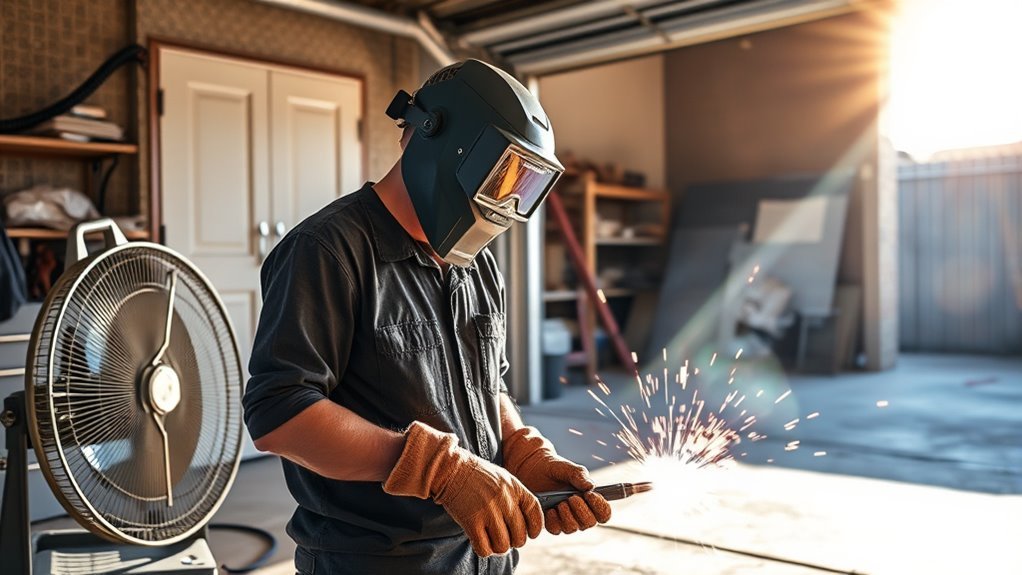
Structural adhesive work can expose technicians to uncured resin and hardener, cleaning chemicals, primers, sanding dust, sharp sheet metal, clamps, heat, and powered tools. Review both the product label and safety data sheet before opening the cartridge.
The technical data sheet explains how the product should be applied and cured. The safety data sheet explains exposure hazards, first aid, storage, ventilation, protective equipment, spill response, and disposal. One document does not replace the other.
The CDC’s National Institute for Occupational Safety and Health advises users of epoxy and resin systems to increase ventilation, prevent skin contact, use chemically compatible gloves, and wear eye protection when splashing is possible.
- Use the glove material specified by the SDS; not every disposable glove resists every adhesive component.
- Wear safety glasses or goggles as required for dispensing, cleaning, and panel separation.
- Use local exhaust or other ventilation appropriate for the product and work area.
- Do not assume that a basic dust mask protects against adhesive or primer vapors.
- Use required respiratory protection only within a proper workplace respiratory-protection program.
- Control sanding and grinding dust separately from chemical-vapor exposure.
- Keep contaminated gloves, cloths, mixers, and waste away from skin, vehicle interiors, and clean bonding surfaces.
Keep cartridges capped and stored within their stated temperature range. Do not use expired material, frozen material, damaged cartridges, or adhesive stored outside its allowable conditions.
When instructed, equalize the cartridge pistons, purge a small amount, install the correct static mixer, and discard the initial mixed portion. Never shorten a mixer or reuse a hardened mixing tip unless the product instructions specifically permit it.
After bonding, do not move, stress, paint, bake, wash, align, tow, or return the vehicle to service until the required stage of cure has been reached. Handling strength and full structural cure are not the same.
Frequently Asked Questions
How long do structural adhesives take to cure?
Cure may take minutes, several hours, or more than a day, depending on the product, temperature, humidity, joint thickness, substrate, and approved heat process. Working time, clamp time, handling time, paint time, return-to-service time, and full cure are different limits. Use the exact technical data sheet and OEM repair procedure.
Can structural adhesives be removed after bonding?
Usually, but removal often destroys the adhesive and may damage the coating or substrate. The procedure may require controlled heat, cutting, grinding, panel-separation tools, or replacement of the bonded assembly. A separated structural joint should not simply be pressed together and reused.
Do structural adhesives work in extreme temperatures?
Some do, but only within their rated application, cure, and service-temperature limits. Excessive heat or cold can change viscosity, curing, stiffness, flexibility, and strength. Check the approved product data before using adhesive near engines, exhaust parts, battery packs, cooling systems, or paint-bake operations.
How do adhesives compare with welding for repairs?
Adhesive bonding can avoid localized welding heat, spread load across a flange, seal selected joints, and join some dissimilar materials. Welding remains required in many structural repairs. The correct choice is the attachment method specified for that vehicle, part, location, and material combination.
Are structural adhesives safe in crash conditions?
They can be when the adhesive, substrates, joint design, attachment pattern, and cure process were engineered and validated for the vehicle. Crash safety cannot be assumed from cartridge strength alone. An unapproved product, incomplete cure, poor preparation, or missing welds and rivets can weaken the repaired load path.
Can you bond over paint or primer?
Only where the OEM procedure and adhesive instructions permit it. Certain factory e-coats, approved primers, or prepared coatings may be bondable. Random refinish paint, body filler, corrosion, old seam sealer, loose coating, or an unknown primer is not a dependable structural bonding surface.
What is the difference between panel bonding adhesive and structural adhesive?
Panel bonding adhesive is commonly intended for approved outer panels, flanges, and non-welded seams. Crash-rated structural adhesive is designed for more demanding load-bearing or stiffness-related joints. Some products have overlapping uses, but the label is not enough. The vehicle-specific repair procedure decides where each product may be used.
Can panel bonding adhesive replace spot welds?
Only when the OEM repair procedure allows that substitution for the exact vehicle and location. Some repairs use adhesive with welds or rivets, while others require the original weld pattern. Never remove or replace specified welds merely because a panel adhesive has a high published strength.
How can you tell whether a bonded repair is fully cured?
Use the product’s documented cure schedule and the OEM’s handling or return-to-service requirements. Surface hardness, squeeze-out, or a cured sample on a mixing card does not prove that the adhesive inside the joint has reached full strength. Record the relevant temperatures and cure times instead of relying on appearance alone.
Conclusion
Structural adhesive bonding is a core joining method in modern vehicle design. It helps manufacturers connect mixed materials, spread loads, control vibration, close selected seams, and build lighter structures. Its performance depends on much more than the adhesive cartridge: OEM authorization, substrate preparation, joint geometry, bond-line control, mixing, clamping, curing, inspection, documentation, and corrosion restoration all matter.
For collision repair, the safest rule is direct and non-negotiable: identify the vehicle, open the current OEM procedure, use the approved adhesive and attachment pattern, follow both the technical and safety data sheets, and never substitute a bonding method on a structural or high-voltage-related joint.
Sources
- 3M: Structural and Panel Bond Adhesives for Collision Repair — supports OEM-specific adhesive selection, panel-bonding limits, bond-line control, and repair application guidance.
- I-CAR: OEM Technical Information Matrix — supports vehicle-specific material identification, adhesive requirements, attachment methods, and corrosion-protection research.
- Henkel Adhesive Technologies: E-Mobility Materials — supports the separate functions of battery structural adhesives, thermal materials, gasketing, coatings, and sealants.
- U.S. Department of Energy Alternative Fuels Data Center: Electric-Vehicle Maintenance and Safety — supports high-voltage and sealed battery-enclosure safety context.
- CDC/NIOSH: Epoxies, Resins, and Workplace Exposure — supports label and SDS review, ventilation, compatible gloves, eye protection, and uncured-resin precautions.
- U.S. Environmental Protection Agency: Volatile Organic Compounds — supports VOC-emission and exposure context for adhesives, cleaners, primers, and related chemical products.