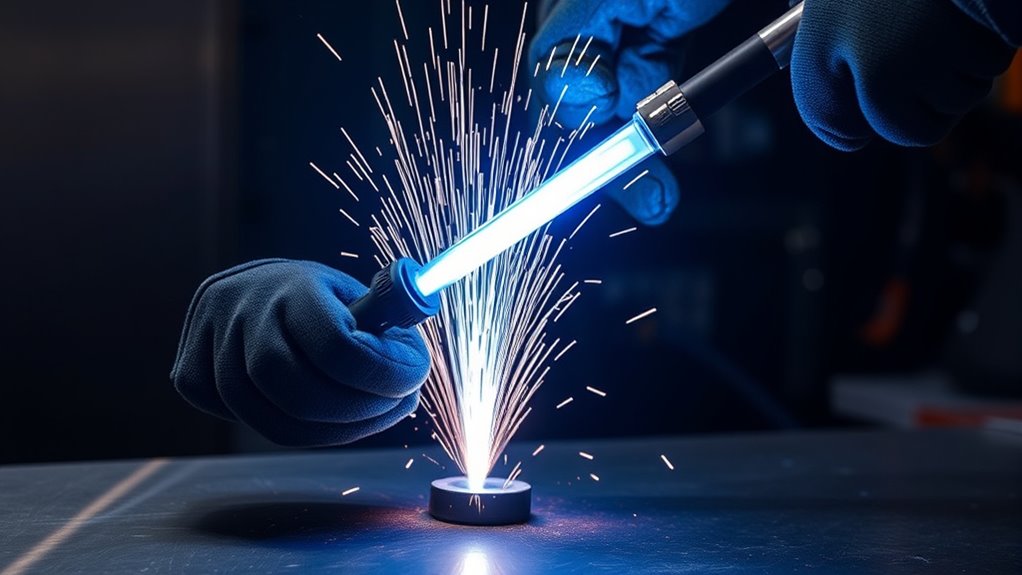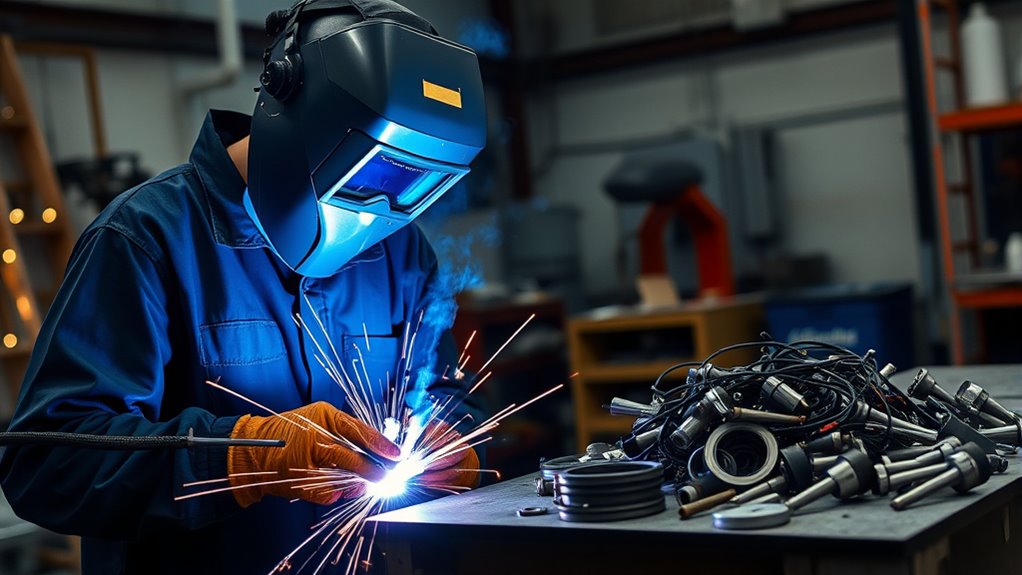
A TIG and plasma cutter combo can save space, but the wrong machine can limit both your weld quality and cut quality. Before you buy one, compare its amperage range, duty cycle, input power, torch support, consumable availability, and brand support. This guide explains what matters most so you can choose a combo unit that fits your work, budget, and skill level.
What’s in This Article
- Understanding TIG and Plasma Cutting Technologies
- Evaluating the Benefits of Combo Units
- Assessing Quality and Reliability in Combo Machines
- Identifying Key Features for Your Welding Needs
- Checking Power, Duty Cycle, and Material Capacity
- Comparing Reputable Brands and Models
- Considering the Trade-Offs of Cost vs. Performance
- Learning From User Experiences and Reviews
- Tips for Maintaining and Extending Machine Lifespan
- Frequently Asked Questions
- Conclusion
Quick Answer
Choose a TIG and plasma cutter combo only if its TIG amperage, plasma cutting capacity, duty cycle, and input power match your real projects. A combo unit works best for hobby work, repairs, and small shops that need one compact machine. For heavy daily welding or precise production work, separate dedicated machines usually give you better control, durability, and service support.
Key Takeaways
- Match the machine’s amperage, duty cycle, and cut rating to the metal thickness you use most.
- Choose a brand with reliable service, clear manuals, and easy access to torches and consumables.
- Expect some trade-offs because combo units share space, controls, and internal components.
- Use separate machines if you need high-output TIG welding or frequent plasma cutting.
- Keep the unit clean, dry, and well ventilated to protect its electronics and extend its life.
Understanding TIG and Plasma Cutting Technologies
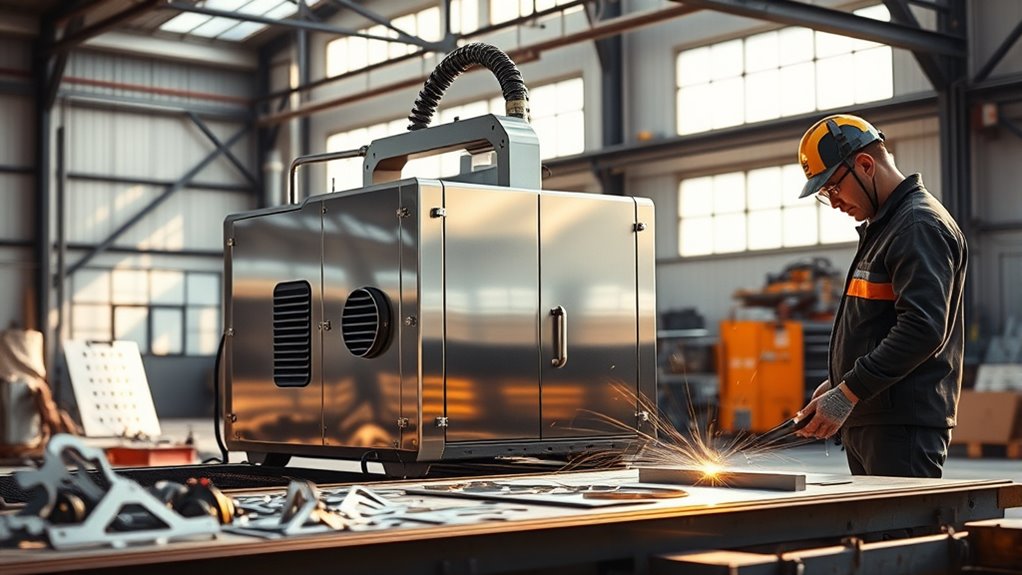
Before you compare combo machines, you need to know how Tungsten Inert Gas (TIG) welding and plasma cutting differ.
TIG welding uses a non-consumable tungsten electrode to create a controlled arc. You add filler metal by hand when the joint needs it, which gives you strong control over thin metal, clean joints, and detailed work.
TIG welding gives you fine heat control, which makes it useful for thin metal, clean joints, and detailed fabrication.
TIG welding normally uses argon or an argon-based shielding gas to protect the weld from contamination. This process works well on stainless steel, mild steel, and aluminum when the machine supports the right current type and settings.
Plasma cutting uses an electric arc and a fast stream of gas to cut conductive metal. Many small shop machines use clean, dry compressed air, while some industrial setups use other gases for specific metals and cut quality.
Run a project suitability check before you buy. Compare the metal type, thickness, weld quality, cut quality, duty cycle, and available power in your shop.
Evaluating the Benefits of Combo Units
When you evaluate the benefits of combo units, focus on convenience, space savings, and flexibility. A 2-in-1 machine lets you switch between TIG welding and plasma cutting without storing two separate units.
These machines can also reduce upfront cost for hobbyists, repair work, and small shops. But you still need to weigh that savings against possible limits in arc quality, cutting power, parts support, and long-term reliability.
Convenience and Versatility
Combo units rarely match the performance of top dedicated machines, but they can make good sense in tight spaces. One compact unit can help you handle light welding, cutting, and repair jobs with less setup time.
Many combo units use inverter technology, which cuts weight and improves portability. That matters if you move between work areas, job sites, or storage spaces often.
Look for design features that support real workflow:
- Simple process switching between TIG and plasma modes.
- Clear front-panel controls for amperage and air settings.
- Compact size for carts, benches, and mobile work.
- Stable arc starts and clean cuts within the rated range.
The best combo unit for you should match the jobs you perform most, not just the longest feature list.
Cost-Effective Solutions
Combo units can cost less than buying separate TIG and plasma machines. They also save space, which helps if you work from a garage, trailer, or small fabrication area.
Still, your long-term cost depends on more than the purchase price. A cheap machine can cost more over time if torches, boards, or consumables fail early.
Compare these cost factors before you buy:
- The price of replacement torches and plasma consumables.
- The warranty length and claim process.
- The availability of repair parts in your area.
- The cost of a separate air dryer or compressor upgrade.
For light use, a solid combo unit may offer good value. For daily shop work, dedicated machines often justify their higher price through stronger performance and better uptime.
Pro tip: Price the consumables before you buy the machine, because hard-to-find tips and electrodes can slow down your work.
Assessing Quality and Reliability in Combo Machines
Choose a combo machine with a close eye on brand support, build quality, and service access. Reliability matters because a failure can stop both your welding and cutting work at once.
Choose a machine with strong service support, clear specifications, and easy access to replacement parts.
Well-known brands such as Miller and Lincoln have strong reputations in welding equipment, but they tend to focus on dedicated machines instead of low-cost TIG and plasma combo units. That choice reflects the technical trade-offs that come with combining two demanding processes in one case.
Some low-cost combo machines work for occasional use, but they may show weaker torches, unclear manuals, limited support, or inconsistent output. Read current owner reviews with care and look for patterns, not one-off complaints.
Focus on these reliability factors:
- Brand support: Choose companies with reachable service channels and clear warranty terms.
- Parts access: Confirm that torches, tips, electrodes, cups, and boards remain available.
- Technical specifications: Check the rated output for both TIG welding and plasma cutting.
- User feedback: Look for repeated comments about arc starts, cut quality, and overheating.
A reliable machine should perform within its rated limits without constant adjustment or repair.
Identifying Key Features for Your Welding Needs
Start with the work you actually do. Your machine should match your common metals, thicknesses, power supply, and finish requirements.
Check the TIG amperage range first. Low-amperage control helps on thin sheet metal, while higher output helps with thicker steel and longer welds.
For plasma cutting, compare the rated clean cut and severance cut. The clean cut rating matters more for regular work because it reflects the thickness the machine can cut with better speed and edge quality.
Material compatibility also matters. If you weld aluminum, confirm that the unit supports alternating current (AC) TIG, not only direct current (DC) TIG.
Review the user interface before you buy. Clear controls help you change amperage, gas flow, air pressure, and process mode without wasting time.
Don’t overlook consumables and maintenance parts. A machine with common torch parts can save you time, money, and frustration.
Products Worth Considering

6-IN-1 Multifunctional Welder Machine: This 6-in-1 multi welder supports FLUX MIG, GAS MIG, PLASMA CUTTING, HF TIG, and STICK,SPOT welding, provide a comprehensive solution for a wide range of welding and cutting tasks, suitable for both home DIY and industrial projects.

6-in-1 Versatile Functionality:This welding machine features dual voltage 110V/220V support and digital displays for combining Gas MIG, Flux Core MIG, Plasma Cutting, HF TIG, Stick and Spool Gun Compatible welding functions all in one machine(Spool Gun not included).TIG, MMA, CUT processes at both 220V (MIG200A) and 110V (MIG146A), allowing for a wide range of welding capabilities including cellulose electrodes 6011/6013/7018.

6-IN-1 WELDER & CUTTER: Outfit your entire shop for the price of one machine. MCT-520 multiprocess machine features 6 working modes: Gas MIG/Flux Core MIG/CUT/HF TIG/MMA/Spool Gun Aluminum Welding (Spool gun sold separately). This versatile welder covers all your project demands—from home DIY and garage projects to outdoor maintenance, farm equipment, and on-site fabrications.
Checking Power, Duty Cycle, and Material Capacity
Power requirements affect how well a combo unit works in your shop. Many machines offer 120V or 240V input, but the higher voltage setting often delivers better output and duty cycle.
Duty cycle tells you how long the machine can run at a rated output during a 10-minute period. For example, a 40% duty cycle means you can weld or cut for four minutes, then let the machine cool for six minutes.
Match the duty cycle to your workload. Short repairs need less capacity than long beads, repeated cuts, or shop production.
Also check your air supply for plasma cutting. You need enough clean, dry compressed air to keep the arc stable and protect consumables.
Warning: Never exceed the machine’s rated duty cycle, because excess heat can damage internal electronics and reduce service life.
Products Worth Considering

【8-IN-1 PLASMA CUTTER WELDER COMBO MACHINE】: This AZZUNO 8-in-1 welding machine supports FLUX MIG, GAS MIG, PULSE MIG, MAG, SPOT MIG, PLASMA CUTTING, HF TIG, and STICK welding, offering a comprehensive solution for a wide range of welding and cutting tasks.

【520TSCPF 3-in-1 Multi-functional Plasma Cutting Machine and Welding Machine Combo】: The 520TSCPF is an integrated machine that combines plasma cutting machine, high-frequency TIG welding machine, pulse Stick welding machine, and manual/melting electrode/AC welding functions. It saves space and can perform three tasks with one machine. It is an ideal choice for DIY users. The upgraded digital panel allows you to switch machine functions by simply pressing a button. It is easy to use and ready to operate as soon as it is turned on.
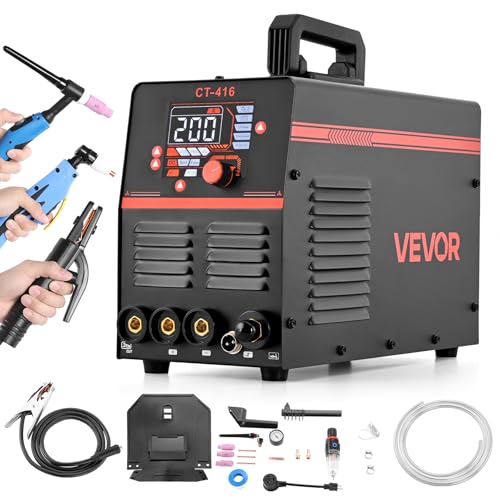
3-in-1 Combo: VEVOR 3-in-1 plasma cutter welder combo integrates plasma cutting, TIG and MMA welding functions. Featuring a maximum 50A plasma cutting and 200A welding capacity (at 220V), it delivers powerful performance for various metalworking tasks (Not Suitable For Welding Aluminum!)
Comparing Reputable Brands and Models
When you compare TIG and plasma cutter options, separate brand reputation from product fit. A respected welding brand may not offer the exact combo format you want.
High-end brands such as Miller and Lincoln focus heavily on dedicated TIG welders and plasma cutters. Those machines often give you stronger support, better documentation, and more specialized performance.
Budget combo units may still suit light work if they meet your power, material, and duty cycle needs. Review the full specification sheet instead of relying on headline amperage alone.
High-End Brand Offerings
High-end brands usually prioritize dedicated machines because TIG welding and plasma cutting place different demands on the power source, controls, and accessories. That approach helps each machine perform its main job well.
Dedicated TIG machines can offer better arc control, more refined starts, and stronger support for advanced settings. Dedicated plasma cutters can focus on cut speed, torch design, air control, and consumable life.
Separate machines can give you:
- More specialized controls for each process.
- Stronger long-term parts and service support.
- Better performance at higher output levels.
- Less downtime if one machine needs repair.
This route costs more upfront, but it often suits serious fabrication and frequent use.
Top Model Performance
Top dedicated machines usually outperform combo units in their main process. A dedicated TIG welder focuses on arc quality, heat control, and weld consistency.
A dedicated plasma cutter focuses on fast starts, steady air flow, and clean cutting within its rated thickness. That separation can improve reliability because each machine uses parts and controls built for one task.
Combo units can still work well for mixed light-duty jobs. But you should avoid expecting one budget machine to match two specialized professional units.
Quality vs. Cost
Low upfront cost can look appealing, but quality affects every weld and cut. A weak torch, poor manual, or limited warranty can turn savings into lost time.
Use a simple cost check before you buy:
- Compare the machine price with the cost of two entry-level dedicated units.
- Check whether replacement parts ship quickly to your location.
- Read warranty terms for torches, circuit boards, and power components.
- Look for owner reviews from users with projects like yours.
The best value comes from a machine that fits your workload and keeps working, not from the lowest price alone.
Considering the Trade-Offs of Cost vs. Performance
A TIG and plasma cutter combo always involves trade-offs. You gain space savings and lower setup cost, but you may lose some specialized performance.
Cheaper models may use lighter torches, smaller internal components, or less precise controls. Those limits can show up as harder arc starts, rougher cuts, shorter duty cycle, or faster consumable wear.
Initial savings only matter if the machine delivers reliable welds and cuts for the work you do most.
Before you choose, decide which process matters more. If you mostly TIG weld and cut only sometimes, prioritize TIG arc control and low-amperage stability.
If you cut often and weld only for repairs, prioritize plasma cut rating, air demand, torch quality, and consumable cost. Your main use should drive the final choice.
Learning From User Experiences and Reviews
User reviews can help you spot problems that specification sheets do not show. Pay close attention to comments about arc starts, cut quality, overheating, and customer support.
Look for reviews from people who use similar metal thicknesses and power sources. A machine that works well for thin hobby projects may not suit daily shop use.
Useful review patterns include:
- Repeated praise for stable TIG starts and smooth amperage control.
- Repeated complaints about torch failures or hard-to-find consumables.
- Clear reports about cut thickness, air pressure, and edge quality.
- Real warranty experiences, including response time and part availability.
Do not rely on star ratings alone. Read the details and compare them with your own workload.
Tips for Maintaining and Extending Machine Lifespan
Good maintenance helps a combo machine last longer and perform more consistently. Start by following the manual for cleaning, airflow, consumables, and duty cycle limits.
Keep air filters, vents, and internal passages free from dust. Poor airflow can raise heat inside the case and shorten the life of electronic parts.
Clean vents, dry air, and proper consumables help protect your machine from heat, corrosion, and poor arc performance.
Use clean, dry air for plasma cutting. Moisture in the air line can damage cut quality, shorten consumable life, and increase internal corrosion risks.
Store the machine in a dry place and protect it from grinding dust. Check cables, torch leads, clamps, and gas hoses before each use.
Use high-quality consumables that match the torch. Poorly fitted parts can cause unstable arcs, rough cuts, and faster wear.
Frequently Asked Questions
What safety gear do you need for a TIG and plasma cutter combo?
Wear a welding helmet with the correct shade, flame-resistant gloves, long sleeves, eye protection, and hearing protection when needed. Use proper ventilation, especially when cutting coated, painted, or galvanized metal.
How do you troubleshoot common issues with combo machines?
Start with the basics: check input power, work clamp contact, gas flow, air pressure, and consumables. If the machine overheats, reduce output, improve airflow, and stay within the rated duty cycle.
Do combo machines need 120V or 240V power?
Many combo machines can run on 120V, 240V, or both, depending on the model. Check the manual because 240V operation often gives you higher output and better duty cycle.
Can you use a TIG and plasma cutter combo outdoors?
You can use many combo machines outdoors if you protect them from rain, moisture, dust, and unstable power. Wind can also disturb TIG shielding gas, so use screens or move the work to a sheltered area.
How long does a TIG and plasma cutter combo last?
A combo machine can last for years when you use it within its rating and maintain it well. Lifespan depends on build quality, duty cycle, shop conditions, cleaning habits, and how often you replace worn consumables.
Conclusion
The best TIG and plasma cutter combo is the one that matches your most common work without forcing you to accept weak welds or poor cuts. Check amperage, duty cycle, input power, cut rating, torch quality, consumable access, and warranty support before you buy.
Choose a combo unit for space savings, light fabrication, repairs, and occasional use. Choose dedicated machines if you need stronger performance, faster workflow, or long daily run time.
With the right match and steady maintenance, your equipment can become a reliable part of your shop for years.
References
- Welding, Cutting, and Brazing — Occupational Safety and Health Administration
- Welding Safety and Process Resources — American Welding Society
- Welding and Cutting Resource Center — Lincoln Electric