A combination plasma cutter TIG welder, often sold as a 2-in-1 or 3-in-1 machine, can reduce equipment clutter and give you one power source for cutting and welding. The trade-off is that multi-process units often have more process limits than dedicated machines, and one failure can interrupt every function. Before you buy, verify the TIG process, plasma cutting rating, duty cycle, input power, compressed-air needs, consumable availability, and warranty support.
What’s in This Article
- What a Combination Plasma Cutter TIG Welder Includes
- Combination Unit vs. Separate Machines
- Key Features to Check Before Buying
- Brand Reputation, Warranty, and Parts Support
- Power, Air, Gas, and Material Compatibility
- How to Match the Machine to Your Projects
- Maintenance and Consumables
- When Dedicated Machines Make More Sense
- Frequently Asked Questions
- Final Recommendation
Quick Answer
A combination plasma cutter TIG welder is usually a practical choice for hobby work, occasional repairs, mobile setups, and small shops where space matters. Separate machines are usually the safer choice for production work, frequent high-amperage use, or aluminum TIG welding that requires a full AC TIG feature set. Compare the rated clean cut, duty cycle at the stated amperage, TIG start type, input circuit, air supply, torch consumables, and warranty terms before deciding.
Key Takeaways
- Choose a combination unit when space, portability, and occasional mixed work matter more than maximum output.
- Do not assume every TIG function is the same. Check AC or DC output, high-frequency or lift start, pulse control, and foot-pedal support.
- Compare the plasma cutter’s rated clean cut and severance cut instead of relying on one maximum-thickness claim.
- Confirm the required input circuit, compressed-air supply, shielding-gas setup, and plug configuration.
- Check torch standards, consumable prices, repair parts, shipping terms, and seller support before buying.
What a Combination Plasma Cutter TIG Welder Includes
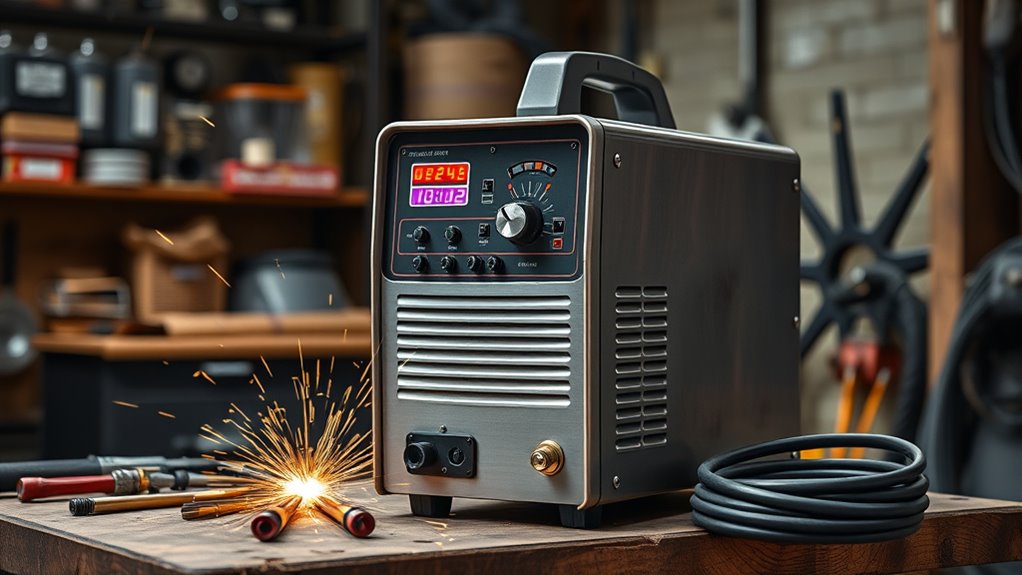
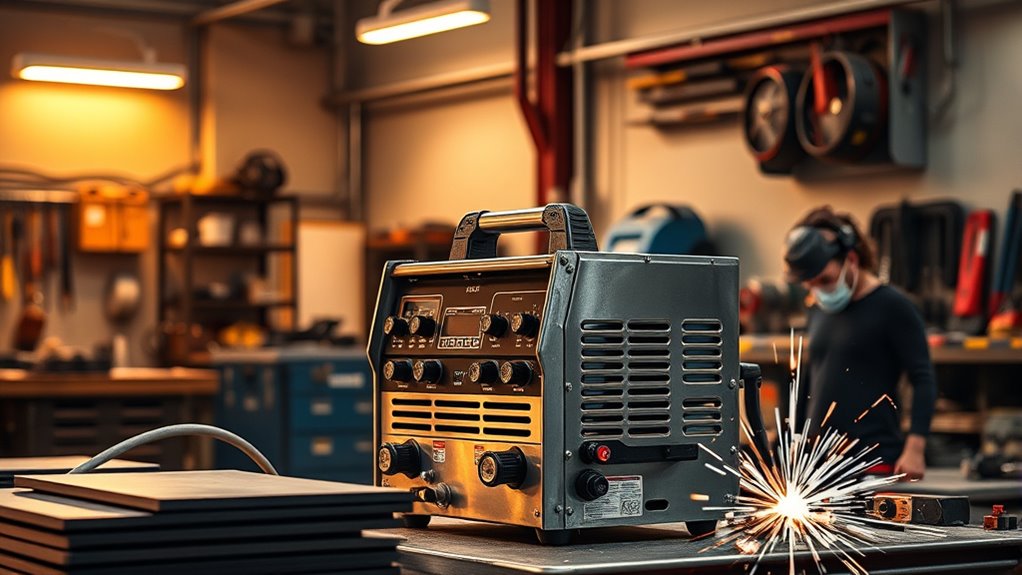
Most combination machines place a plasma cutter and a TIG welder inside one power source. Many also include stick welding, which is why sellers may describe them as 3-in-1 machines.
The shared case and electronics can reduce storage needs and make the machine easier to move than two or three separate units. This setup can work well in a small garage, maintenance area, farm shop, or mobile repair setup.
However, the process list on the front panel does not tell you how capable each process is. Many lower-cost units provide DC TIG with lift start. That can be suitable for mild steel and stainless steel, but it is not the same as a full AC/DC TIG machine with high-frequency start, pulse controls, and foot-pedal compatibility.
The plasma side also needs more than electrical power. Most plasma cutters require a suitable supply of clean, dry compressed air. The TIG side normally needs a separate shielding-gas cylinder, regulator, and flowmeter. Confirm what is included with the machine and what you must buy separately.
A multi-process design also creates shared downtime. If the main power board or control system fails, you may lose cutting, TIG welding, and stick welding until the unit is repaired.
Combination Unit vs. Separate Machines
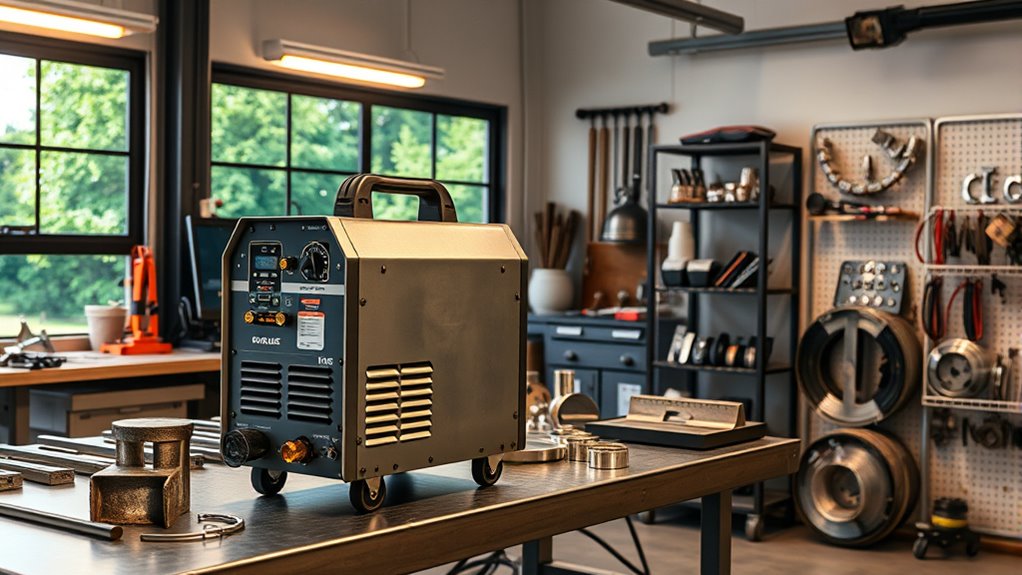
A combination plasma cutter TIG welder offers flexibility, but the best choice depends on how often you work, which metals you use, and how costly downtime would be.
| Decision Point | Combination Machine | Separate Machines |
|---|---|---|
| Space and transport | One case is easier to store and move. | Requires more room, cables, and setup space. |
| Upfront cost | May cost less than buying several similarly rated machines. | Usually costs more at the start. |
| Process depth | May provide basic controls or lower duty cycles for one or more processes. | Lets you select a machine optimized for each job. |
| Downtime risk | One internal failure can stop multiple processes. | A failure in one machine does not automatically stop the other process. |
| Best fit | Hobby work, occasional repair, learning, and mobile use. | Frequent fabrication, paid work, production, and specialized TIG work. |
A Combination Unit Is Best For
- Small shops with limited storage
- Occasional steel and stainless projects
- Users who value portability
- Light repair and learning work
Separate Machines Are Better For
- Daily or high-amperage production work
- Jobs where downtime affects income
- Advanced AC TIG aluminum work
- Users who need process-specific controls
Safety Note: Plasma cutting and TIG welding create intense light, heat, sparks, fumes, electrical hazards, and fire risk. Follow the machine manual, use process-appropriate eye and skin protection, provide suitable ventilation, remove flammable materials, and use safe grounding and cylinder-handling practices.
Key Features to Check Before Buying a Combination Unit
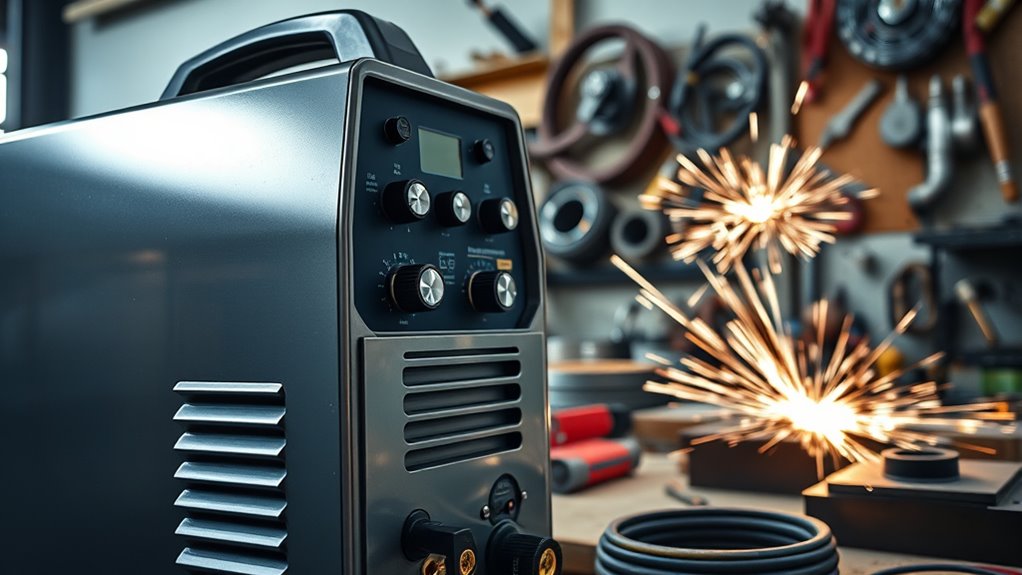
Focus on the specifications that affect your real work. A long process list is not useful if the machine lacks the output, controls, or accessories your projects require.
| Feature | Why It Matters | What to Verify |
|---|---|---|
| Plasma cut rating | A clean cut is more useful for regular work than a rough maximum severance cut. | Rated clean cut, severance cut, tested material, and input voltage used for the claim. |
| Pilot arc | A pilot arc can make starts easier on painted, rusty, expanded, or uneven metal. | Whether the torch is pilot arc, contact start, or another design. |
| TIG current type | DC TIG and AC TIG support different common applications. | AC/DC capability, amperage range, pulse controls, and supported metals. |
| TIG start and controls | Lift start, high-frequency start, foot control, and gas control affect ease of use. | Start type, foot-pedal port, included torch switch, pre-flow, and post-flow controls. |
| Duty cycle | It indicates how long the machine can operate within a stated test period before cooling. | Duty-cycle percentage, output amperage, input voltage, and test temperature. |
| Input power | The machine may produce much less output on a lower-voltage circuit. | Voltage, required breaker, plug type, input current, and extension-cord limits. |
| Consumable system | Common torch parts are usually easier to source and less likely to cause delays. | Torch model, tip and electrode numbers, local stock, and compatible replacements. |
Portability still matters, but do not judge it by machine weight alone. Include the torch leads, work clamp, air hose, gas cylinder, regulator, and accessories you must move with it. If you plan to use a generator, confirm the manufacturer’s generator requirements and power-quality limits in the manual.
Products Worth Considering

【Born for Aluminum Welding】AC TIG mode is perfect for dealing with Aluminum and Aluminium alloy.

POWERFUL 7-IN-1 TIG WELDER AC/DC: The Welder is capable of welding with DC TIG / DC Pulse TIG / AC TIG / AC Pulse TIG / AC Pulse TIG Square / AC Pulse TIG Triangular / STICK /SPOT TIG Methods. AC TIG is used in finesse welding various aluminum alloys, magnesium alloys, and other non-ferrous metals. DC TIG provides low-temperature control. You need precise welding for various types of steel: stainless steel, carbon steel, copper.

Large LED Display: Features a large LED screen for enhanced visibility and a clear display of welding parameters and settings. Its intuitive interface ensures effortless operation, enabling precise welding of diverse metals
Brand Reputation, Warranty, and Parts Support
Brand reputation and after-sale support matter because multi-process machines can be difficult to diagnose without parts, service information, or a responsive seller. A low purchase price can lose its value if a torch, control board, or proprietary connector becomes unavailable.
Do not judge a warranty by length alone. Read what it covers, which parts are treated as consumables, whether labor is included, and who pays shipping in each direction. Also confirm whether the warranty is handled by the manufacturer, importer, marketplace seller, or a third-party service center.
Use these checks before you choose a machine:
- Look for repeated ownership patterns: Focus on consistent comments about arc stability, plasma starts, overheating, torch quality, and support response.
- Read the full warranty: Check coverage for the main power source, boards, torch, leads, labor, and shipping.
- Confirm consumable access: Search the exact torch model and consumable part numbers before buying.
- Check repair access: Find out whether replacement boards, fans, switches, connectors, and torches are sold separately.
- Evaluate documentation: A clear manual with wiring, setup, pressure, and process guidance reduces avoidable problems.
- Test support before purchase: Ask one specific compatibility question and judge the quality of the response.
Power, Air, Gas, and Material Compatibility

The machine’s output affects both weld performance and plasma cutting capacity, but process type matters just as much as amperage. Compare each function separately instead of treating the machine as one combined rating.
| Process | Common Material Fit | Important Limitation to Check |
|---|---|---|
| DC TIG | Commonly used for mild steel and stainless steel. | Does not provide the AC cleaning action commonly needed for conventional aluminum TIG welding. |
| AC TIG | Commonly used for aluminum and magnesium when the machine supports the required controls. | AC balance, frequency, amperage range, torch cooling, and foot-control support vary by model. |
| Plasma cutting | Cuts electrically conductive metals such as mild steel, stainless steel, and aluminum. | Cut quality and thickness depend on output, travel speed, air pressure, consumable condition, and input voltage. |
| Stick welding, if included | Useful for repair work and outdoor welding with compatible electrodes. | Check electrode diameter range, hot-start or arc-force controls, and duty cycle. |
Products Worth Considering

【Non-Touch Pilot Arc Function】The plasma cutter features a high frequency non-touch arc starting mode. It allows for cutting steel surfaces with dirt, rust or coatings. The torch head does not need to touch the metal plate, reducing energy consumption, minimizing electrode burning, and extending service life. NOTE: DO NOT power on until the screen turns off and the fan stops working!
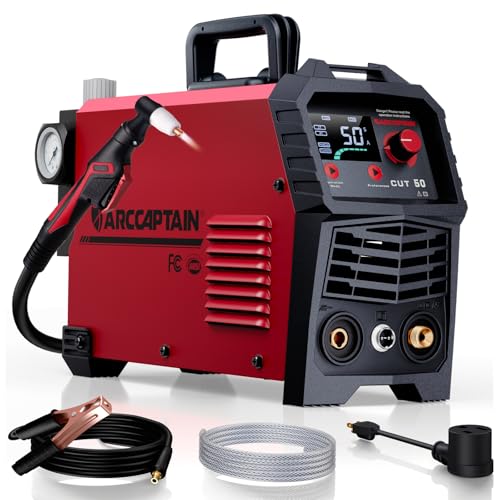
【Powerful Cutting Ability】Switch effortlessly between 110V and 220V for home or workshop use. Achieve professional 1/2" clean cuts on steel, aluminum, and copper with advanced LGBT technology. Perfect for DIY projects and heavy-duty tasks. Recommended maximum cutting thickness: 12mm @ 35A / 110V / 55 PSl; 18mm @ 50A / 220V / 75 PSI. Note: Requires compressed air (compressor sold separately).

6-IN-1 Multiprocess Welders: Experience true versatility with a machine that does it all—MIG, Flux Core, Spool Gun, Plasma Cutter, TIG, and Stick. Whether you're a weekend warrior or a seasoned fabricator, this all-in-one powerhouse adapts to your workflow, letting you switch from cutting thick metal to welding thin sheets without missing a beat
Input Power
Some units run on 120 volts, 240 volts, or both. Dual-voltage does not mean the machine provides the same output on both inputs. Higher plasma capacity and higher welding amperage often require the higher-voltage connection. Verify the required breaker size, plug type, input current, and any extension-cord restrictions.
Compressed Air for Plasma Cutting
Check the required airflow and pressure, not pressure alone. The compressor must maintain the specified supply while the torch is flowing. A filter, moisture separator, or air dryer can help protect consumables and improve cut consistency when the manufacturer recommends one.
Shielding Gas for TIG Welding
TIG welding normally requires a suitable shielding gas, commonly supplied from a cylinder through a regulator and flowmeter. Confirm whether the machine includes a regulator, gas hose, internal solenoid, and post-flow control. The air line used for plasma cutting does not replace TIG shielding gas.
Specification Note: Product listings may highlight the highest possible output while omitting the input voltage, duty cycle, air requirement, or cut-quality standard used for that claim. Confirm the full manual specifications before buying.
How to Match the Machine to Your Specific Project Needs
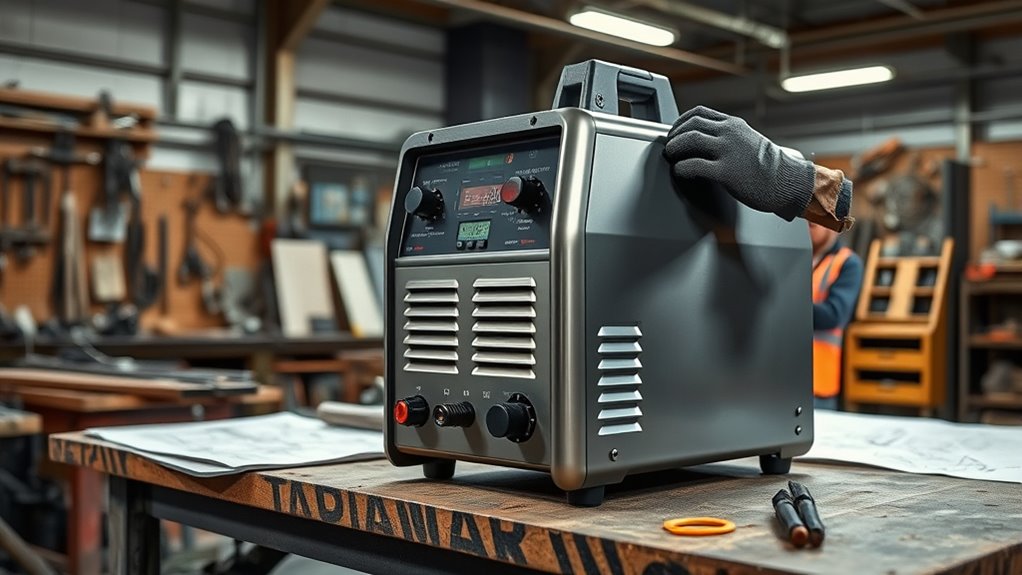
You can avoid a poor purchase by starting with your real work instead of the machine’s feature count. List the metals, thicknesses, processes, and session lengths you expect to handle most often.
Before You Buy Checklist
- Common material: Identify whether you mainly work with mild steel, stainless steel, aluminum, or mixed metals.
- Thickest regular cut: Size the plasma function for the thickness you cut often, not only the rare maximum.
- TIG process: Decide whether DC TIG is enough or whether you need AC TIG, pulse, high-frequency start, or a foot pedal.
- Work duration: Compare duty-cycle ratings at the amperage and voltage you expect to use.
- Shop services: Confirm electrical capacity, compressed-air delivery, gas-cylinder storage, ventilation, and grounding.
- Portability: Include cables, air equipment, gas gear, and accessories in your transport plan.
- Consumables: Verify exact torch part numbers and local or online availability.
- Downtime tolerance: Choose separate machines if one failure would stop paid work or an important project.
- Service path: Confirm who handles troubleshooting, warranty approval, parts, and return shipping.
A hobby user may accept a lower duty cycle and simpler TIG controls. A professional or frequent fabricator may benefit more from separate machines with stronger process-specific features and independent backup.
Maintenance and Consumables Considerations
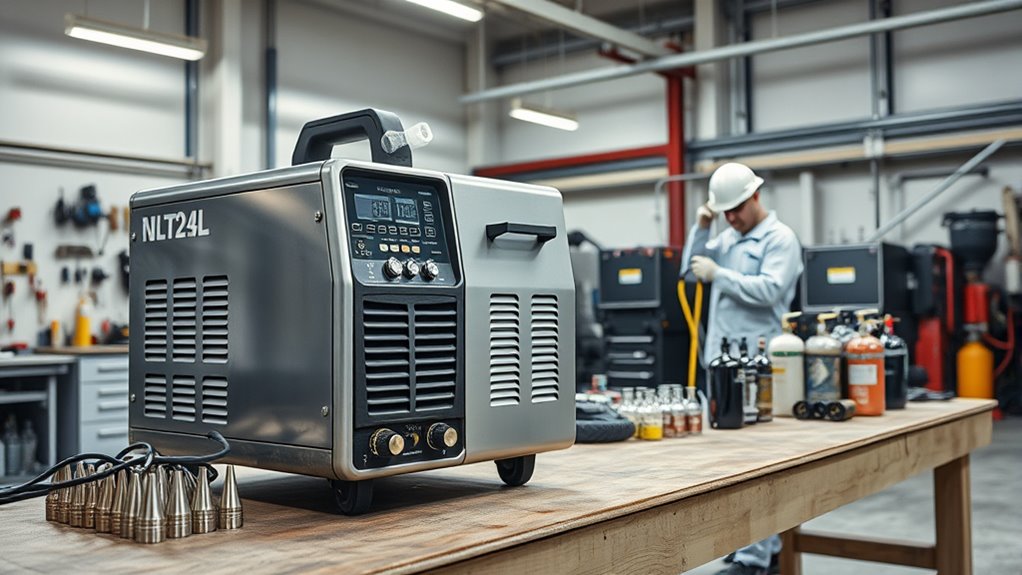
A combination plasma cutter TIG welder needs regular care to maintain stable starts, clean cuts, and consistent welding performance. Follow the maintenance intervals and procedures in the machine manual.
- Keep cooling paths clear: Remove external dust buildup and give the machine enough space for airflow.
- Inspect leads and connections: Check the work clamp, torch lead, gas hose, air line, connectors, and power cord for wear or heat damage.
- Maintain plasma consumables: Replace worn tips and electrodes before they cause poor arc starts, angled cuts, or extra strain on the torch.
- Control air quality: Drain the compressor and service filters or moisture separators as required.
- Protect TIG equipment: Keep tungsten, cups, collets, gas connections, and the torch clean and correctly assembled.
- Store parts by number: Keep a small supply of the exact consumables you use most often.
Disconnect input power and release stored air pressure before service steps that require it. Do not open or repair internal high-voltage components unless the manual allows the procedure and you are qualified to perform it.
For lesser-known or imported machines, consumable sourcing may be more important than an extended warranty. Coverage has limited value if the seller cannot provide the torch parts or electronic components needed to complete a repair.
When Dedicated Machines Make More Sense
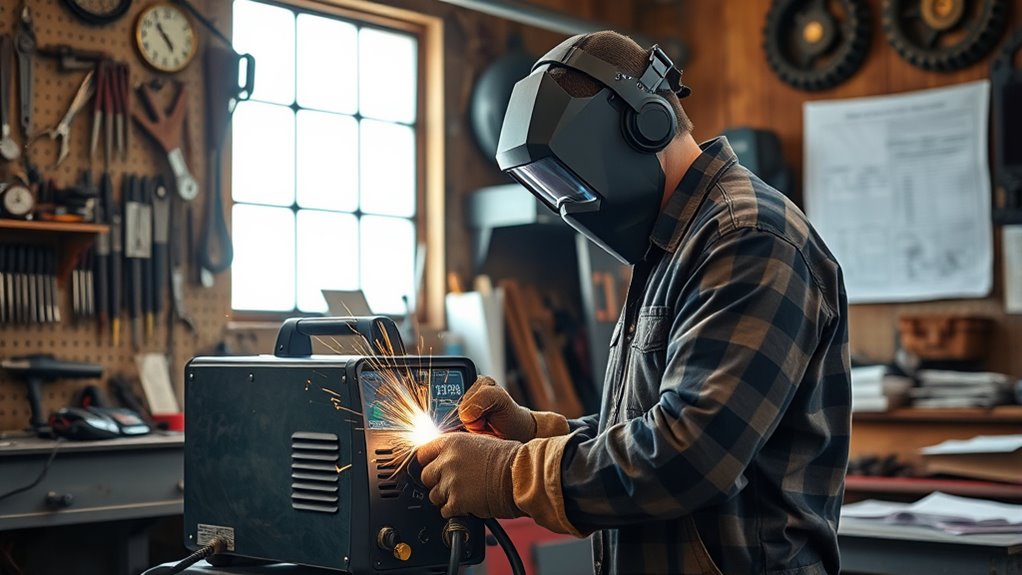
Dedicated machines become more attractive when performance, uptime, and specialized controls matter more than storage space. A separate plasma cutter and TIG welder let you choose the correct output, torch system, duty cycle, and controls for each process.
They also reduce shared downtime. If the plasma cutter needs repair, the TIG welder can remain available, and the reverse is also true.
Practical Decision Rule
Choose a combination unit for occasional mixed work and limited space. Choose separate machines when you regularly push high amperage, need advanced AC TIG controls, cannot tolerate shared downtime, or depend on the equipment for paid work.
A combination machine can still be a sensible tool for light fabrication, repairs, learning, and mobile jobs. The key is to judge the limits of each process instead of assuming that every listed function performs like a dedicated machine.
Frequently Asked Questions
Is a Combination Plasma Cutter TIG Welder Good for Beginners?
It can be a practical learning machine if the controls are clearly labeled, the manual explains each process, and replacement consumables are easy to find. Beginners should still learn plasma cutting, TIG welding, electrical safety, gas handling, and personal protective equipment as separate skills.
Can a Combination Unit Weld Aluminum?
The plasma function can cut aluminum when the machine is properly rated and set up. For TIG welding aluminum, many budget combination units are limited because they provide DC TIG only. Conventional aluminum TIG work commonly requires AC output and suitable controls, so verify the manual before buying.
Does a Combination Plasma Cutter Need an Air Compressor?
Most plasma functions require an external supply of clean, dry compressed air. Compare the machine’s required pressure and airflow with the compressor’s delivered output. Some specialized machines may use a built-in compressor, but you should not assume one is included.
Does the TIG Welder Need Shielding Gas?
TIG welding normally uses shielding gas supplied through a cylinder, regulator, and flowmeter. Check whether the machine includes the regulator, hose, gas solenoid, and torch connections. Plasma compressed air and TIG shielding gas serve different purposes.
How Should I Compare Duty Cycle Ratings?
Compare ratings only when the stated output amperage, input voltage, and test conditions are similar. A high percentage at low amperage may be less useful than a lower percentage at the amperage you actually need.
Can Combination Welders Be Used Outdoors Effectively?
Some units can be used outdoors in dry, controlled conditions with stable power and safe grounding. Wind can disrupt TIG shielding gas, while rain, standing water, and damp electrical connections create serious hazards. Follow the machine manual and protect the work area appropriately.
What Accessories Are Commonly Needed?
Common needs include process-appropriate eye and hand protection, a work clamp, TIG torch parts, tungsten, a shielding-gas cylinder and regulator, an air compressor, moisture control, plasma consumables, and safe cable or hose management. Confirm what the package includes before comparing total cost.
How Much Space Does a Combination Welder Typically Require?
Allow room for the machine, airflow, torch leads, work clamp, air line, compressor access, gas cylinder, regulator, and safe material handling. The power source may be compact, but the complete cutting and welding setup still needs organized floor or cart space.
Does a Combination Unit Use Less Electricity?
Not automatically. Electricity use depends on the selected process, output amperage, input voltage, duty cycle, efficiency, material thickness, and operating time. A shared case does not guarantee lower power consumption.
Final Recommendation
A combination plasma cutter TIG welder is most useful when you need a compact machine for occasional cutting, DC TIG welding, and possibly stick welding. It can reduce equipment count and simplify transport, but it may not provide the duty cycle, AC TIG controls, torch ecosystem, or repair independence required for demanding daily work.
Bottom Line
Buy a combination unit only after you confirm the rated clean cut, TIG current type and start method, duty cycle at usable amperage, input circuit, compressed-air delivery, shielding-gas requirements, consumable part numbers, and warranty process. Choose separate machines when uptime, advanced aluminum TIG capability, or frequent high-output work matters more than space savings.