What’s in This Article
- High Equipment Costs
- Complexity and Maintenance Challenges
- Need for Specialized Training
- Strict Gas Protection Requirements
- Limitations on Thin Plate Welding
- Limited Performance on Certain Materials
- Safety Concerns and Harmful Emissions
- Frequent Replacement of Components
- Limited Versatility in Applications
- Barriers to Adoption in Certain Industries
Plasma Arc Welding (PAW) sounds like the obvious upgrade — tighter arcs, deeper penetration, cleaner welds. But the costs and operational demands catch many buyers off guard. Before you commit to a PAW system, you need a clear picture of what you’re taking on. This guide covers every major disadvantage so you can weigh them against your actual needs.
Quick Answer
Plasma Arc Welding (PAW) offers precision and high weld quality, but it comes with serious drawbacks: high equipment costs, complex maintenance, the need for skilled operators, and strict gas purity requirements. It also struggles with thin materials and non-ferrous metals like copper. For many shops, TIG or MIG welding delivers a better return on investment.
Key Takeaways
- PAW equipment can cost anywhere from $15,000 to over $100,000, making it one of the most expensive arc welding options available.
- Operators need specialized training in plasma physics, parameter management, and safety protocols — a significant investment in time and labor costs.
- High-purity shielding gases like argon or helium are non-negotiable, and any drop in gas quality directly causes weld defects.
- PAW performs poorly on thin plates and non-ferrous metals such as copper and magnesium alloys, limiting where it can actually be used.
- Nozzles and electrodes wear out quickly, adding ongoing replacement costs and production downtime to the total cost of ownership.
High Equipment Costs

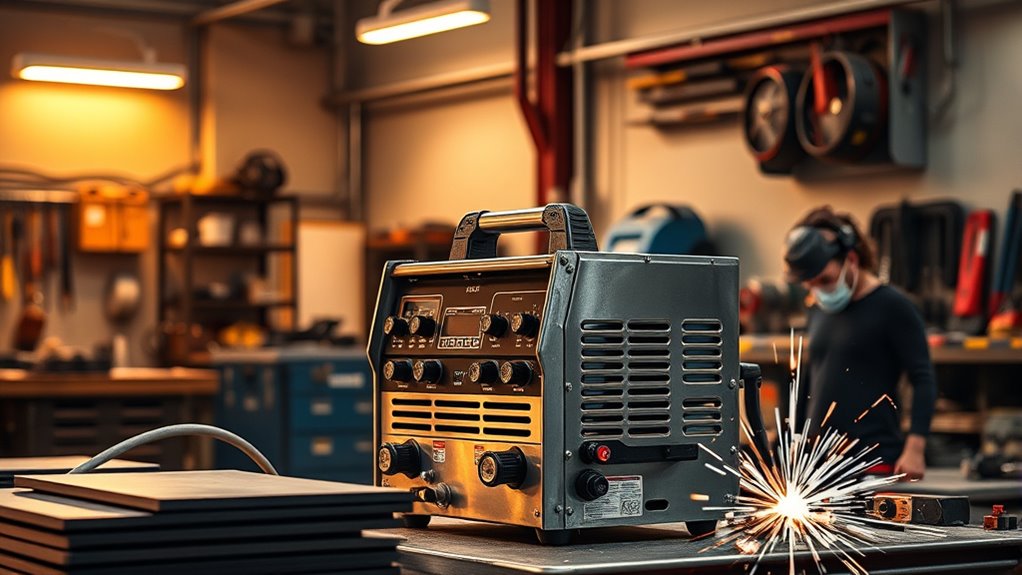
A professional PAW system requires a substantial financial commitment, with full setups ranging from $15,000 to well over $100,000. That high cost comes directly from the advanced technology needed to generate and control the plasma arc. Specialized nozzles, precision power supplies, and gas-handling equipment all push the price far above what traditional welding methods demand.
The steep initial investment doesn’t tell the whole story. Operational efficiency and reduced material waste can lower your costs over time, and high-quality welds with fewer defects reduce rework expenses. A strategic analysis of these long-term factors will help you decide if PAW’s price tag is justified for your operation.
Pro tip: Before purchasing, calculate your expected annual rework and scrap costs with your current method — that figure is your baseline for evaluating PAW’s return on investment.
Specialized components elevate costs, but long-term savings and potential ROI make PAW a worthwhile investment for high-volume, precision-critical operations.
Products Worth Considering
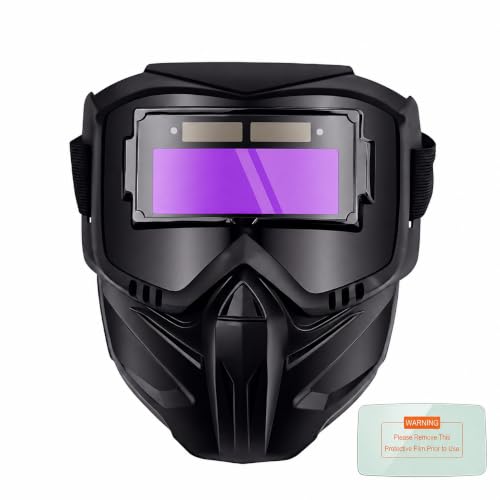
【0.1ms Ultra-Fast Auto-Darkening】Eliminate the split-second hesitation that slows down your production. The instant 0.1ms transition ensures your hands stay exactly where they need to be, keeping your workflow completely seamless. You won't suffer from the cumulative micro-flashes that cause late-day headaches, allowing you to maintain peak focus and speed from the first strike to the final bead.


Complexity and Maintenance Challenges

PAW systems demand a high level of operational efficiency, but their intricate setup gets in the way of achieving it without experience. The sophisticated machinery requires precise parameter management, and consistent results only come after operators build substantial hands-on knowledge.
This complexity extends to maintenance strategies. Nozzles and electrodes wear down quickly, and ignoring that wear drives up operating costs fast. The requirement for high-purity shielding gases adds another layer of complexity — improper handling or storage compromises system integrity and can force unplanned downtime.
Products Worth Considering

Package includes: 5pcs shield cup, 10pcs ring, 15pcs electrode, 30pcs nozzle

⚡【Precision Compatibility】 Exact fit for YESWELDER CUT 55DS Pro & 65DS (2019-2024 models). Replaces OEM# IPT40-55DS/65DS.

Package includes: 15pcs shield cup, 25pcs ring, 30pcs electrode, 50pcs nozzle
Need for Specialized Training
Operating a PAW system demands specialized skills. The intricate parameters and equipment controls involved go well beyond what most welding backgrounds cover. Training programs require a solid grasp of plasma physics, material-specific parameter settings, and welding technique — and that takes time and money.
Obtaining the necessary certifications creates additional barriers. Organizations often struggle to find qualified personnel from a limited pool of trained professionals. That scarcity pushes labor costs up and slows adoption across industries.
Operator Skill Requirements
Your operator experience plays a direct role in controlling PAW’s high temperatures and concentrated energy. Skill assessment ensures you can manage welding parameters and understand the unique plasma arc characteristics — which differ significantly from other arc processes. Deep knowledge of shielding gas requirements and maintaining a clean, inert environment is critical to weld integrity.
Safety expertise is equally non-negotiable. The risks from harmful gases and radiation mean operators who lack proper training put themselves and their colleagues at risk. Companies often pay a premium to secure skilled operators.
Training Program Complexity
PAW training programs typically run from several weeks to several months, depending on the system’s complexity. You’ll learn plasma arc setup, nonconsumable tungsten electrode handling, and gas flow rate adjustment. Safety protocols require deep coverage, given emissions of harmful gases and radiation.
Equipment maintenance forms a major part of the curriculum too. Regular nozzle and electrode replacement, troubleshooting arc instability, and sustaining peak performance all require hands-on knowledge that only structured training can deliver.
Certification and Expertise
Certification requirements are stringent. You must demonstrate the ability to manage high-purity shielding gases, maintain material-specific parameters, and prevent weld defects through precise technique. That level of expert training positions you as a valuable asset in a demanding field — but the cost and time it takes deter many smaller operations from adopting PAW technology at all.
Strict Gas Protection Requirements

PAW demands high-purity shielding gas to prevent weld contamination, which drives up operational costs significantly. Any drop in gas purity or flow can cause defects such as porosity, compromising the integrity of every weld affected.
Maintaining gas supply reliability is critical. Supply chain disruptions cause costly downtime, and specialized gas filtration and monitoring equipment add both complexity and expense. Operators need extensive training to manage gas flow and pressure accurately — incorrect settings destabilize the arc entirely.
High-Purity Gas Necessity
The gas purity of shielding gases like argon or helium is vital for maintaining the plasma arc’s stability. Impurities cause defects such as porosity, which compromise weld quality. Specialized gas handling systems provide consistent delivery of these high-purity gases — but they add complexity and cost. Operators must monitor gas quality continuously, since contamination directly degrades results.
| Aspect | Requirement | Impact |
|---|---|---|
| Gas Type | Argon, Helium | Plasma arc stability |
| Purity Level | High-Purity | Defect prevention |
| Handling System | Specialized | Increased complexity and cost |
| Operator Training | Essential | Consistent quality control |
Gas Supply Reliability
You must carefully evaluate your gas supply chain to ensure a consistent source of high-purity shielding gas. Premium gases cost more than standard options, and any interruption in supply leads to costly downtime and defects like porosity. These factors combine to make gas management one of the most demanding aspects of running a PAW operation.
- Increased operational costs: High-quality gases carry a significant price premium over standard welding gases.
- Training demands: Proper management of gas flow and pressure requires dedicated training and ongoing monitoring.
- Complex equipment needs: Specialized gas handling gear adds both cost and maintenance burden.
Impact on Weld Quality
Ideal weld quality in PAW hinges on maintaining strict gas protection. You need high-purity shielding gases like argon or helium to avoid weld defects such as porosity and lack of fusion. Precise flow rates and continuous monitoring are non-negotiable — and environments prone to contamination make PAW impractical. Gas management mastery is as important as welding technique in achieving defect-free results.
Limitations on Thin Plate Welding

PAW’s concentrated heat and focused arc make it easy to burn through thin plate material. The welding process struggles to accommodate reduced material thickness, rapidly exceeding the melting point and causing material failure. The narrow heat-affected zone (HAZ) also generates excessive thermal stress, producing distortion in thin materials.
Even slight deviations in welding parameters cause significant damage. High energy density — a strength with thick materials — becomes a liability when working thin. Frequent adjustments and specialized techniques increase complexity and operator workload compared to more adaptable methods.
Note: For thin-plate work under 1.6 mm, TIG or MIG welding typically offers better control with a lower risk of burn-through and distortion.
Limited Performance on Certain Materials
PAW faces notable limitations when applied to non-ferrous metals like copper and magnesium alloys. Their high thermal conductivity and reactivity demand careful thermal management, and the rapid cooling inherent in PAW can lead to cracking or inadequate fusion. Overheating and burn-through become real risks without precise heat control.
Welding reactive metals adds another layer of challenge — specialized techniques and precautions help prevent contamination, but they add complexity. You also need to account for specific gas compositions and flow rates for different materials. These requirements narrow PAW’s material range and limit its usefulness in multi-material production environments.
Safety Concerns and Harmful Emissions

Warning: PAW produces ozone, nitrogen oxides, and intense UV radiation — all of which can cause serious injury or long-term health damage without proper ventilation and protective equipment.
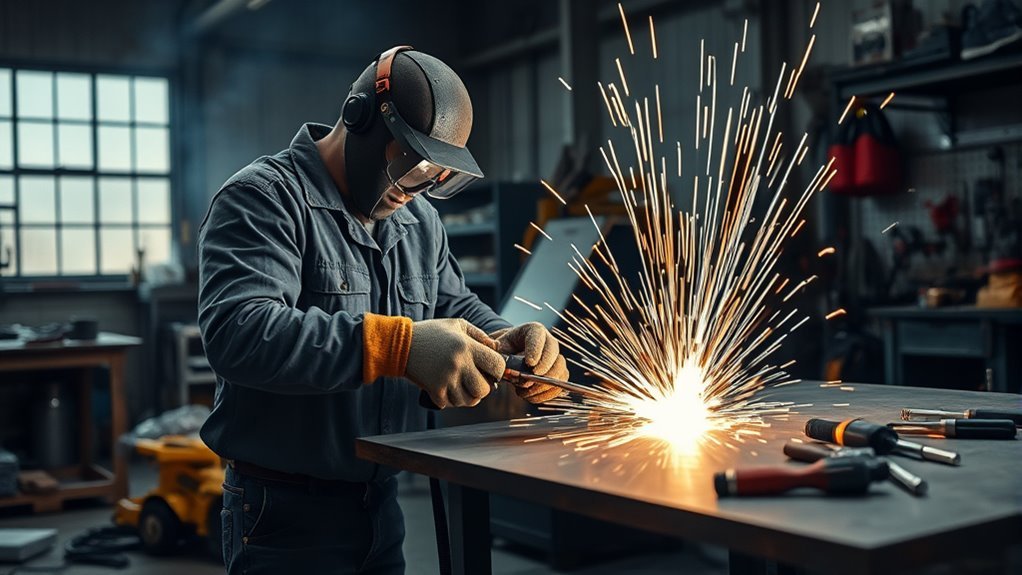
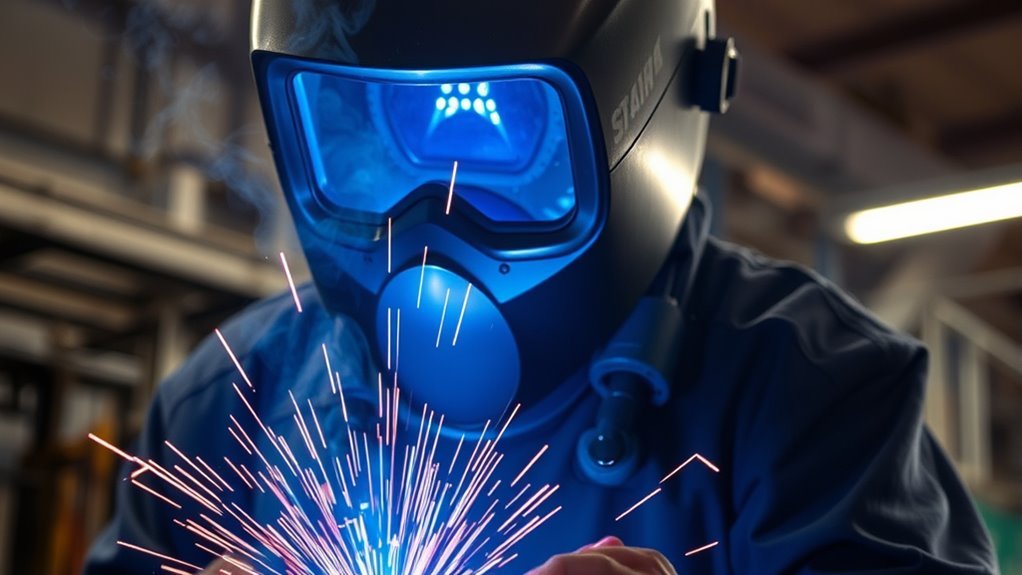
PAW produces hazardous emissions like ozone and nitrogen oxides, so you’ll need efficient ventilation systems to maintain safe air quality. Poor ventilation leads directly to respiratory issues with prolonged exposure. Protective gear is essential to shield against the ultraviolet radiation the process emits — skin burns and eye damage can occur rapidly without proper protection.
The intense heat generates sparks and molten metal, raising the risk of fires and burns. Specialized equipment often requires additional safety measures such as enclosures to contain emissions effectively. Monitor air quality continuously to protect everyone in the work area.
- Inadequate ventilation can lead to respiratory issues from ozone and nitrogen oxide exposure.
- Missing or improper protective gear puts operators at risk of serious burns and eye injuries.
- Neglecting safety protocols can cause fires and other catastrophic accidents.
Frequent Replacement of Components

Nozzles and electrodes in PAW wear out fast. Regular replacement is unavoidable, and the cost of that ongoing consumption adds meaningfully to total operating expenses. Downtime for part changes disrupts production schedules and compounds the financial impact.
Nozzle Wear and Tear
Exposed to temperatures that can exceed 28,000°C, the nozzle faces severe wear and requires frequent replacement. Nozzle erosion accounts for a significant share of operating costs — especially in high-current applications where wear accelerates. A worn nozzle risks arc instability and weld defects, making regular monitoring essential.
Replacement downtime disrupts production schedules and skilled technicians are needed to inspect and swap components correctly. Both factors drive up labor costs and training requirements over the life of the system.
- Increased operational costs from ongoing nozzle consumption
- Potential weld defects when nozzle wear goes undetected
- Production disruptions from scheduled and unplanned replacement downtime
Electrode Longevity Concerns
Electrode materials typically need replacement every 10 to 20 hours of operation, depending on welding parameters and the materials being welded. That frequency demands constant attention to electrode condition — and the associated downtime and part costs add up. High-temperature wear mechanisms accelerate degradation, and incorrect parameters speed the process further.
| Factor | Impact | Solution |
|---|---|---|
| Electrode Materials | Quick wear | Select high-durability materials |
| Wear Mechanisms | Frequent replacements | Optimize welding technique |
| Downtime | Reduced productivity | Schedule regular maintenance |
| Operator Skills | Specialized training needed | Provide thorough training programs |
| Operational Costs | Increased expenses | Optimize component usage cycles |
Costly Component Maintenance
Frequent nozzle and electrode replacement significantly impacts component longevity planning and maintenance scheduling. High-current applications accelerate nozzle erosion and force more frequent checks. Keeping an inventory of replacement parts adds cost and complicates logistics, particularly in high-volume environments.
A single component failure in a PAW system can trigger expensive repairs and extended maintenance periods, given how tightly integrated the components are.
- Increased operational costs from consumable replacement cycles
- Disrupted productivity from planned and unplanned maintenance
- Complex logistics management for replacement part inventory
Limited Versatility in Applications

PAW struggles with thin materials due to its high heat concentration, risking burn-through and distortion. Material compatibility issues with copper and magnesium alloys restrict its use further. Add in the requirement for high-purity shielding gas, and PAW quickly becomes impractical in environments where consistent gas quality isn’t achievable.
The complexity of PAW equipment also makes it a poor fit for smaller workshops or industries without specialized maintenance skills. Strict gas protection requirements and the production of harmful gases restrict its use in facilities that can’t implement rigorous safety measures. Each of these constraints narrows the range of environments where PAW delivers a meaningful advantage.
Barriers to Adoption in Certain Industries
The high initial investment in PAW equipment stops many businesses before they even evaluate the technology. For operations with limited capital budgets, the cost alone is prohibitive. Specialized training needs add to operational costs and create a secondary hurdle that prevents industries from adopting this advanced welding process.
High initial costs of Plasma Arc Welding equipment deter adoption, especially for smaller businesses.
High-purity shielding gas requirements and strict gas protection measures complicate logistics further, particularly for smaller manufacturers without dedicated gas supply infrastructure.
- Financial strain: The upfront investment and associated training costs combine into a substantial barrier for budget-constrained operations.
- Operational complexity: Maintenance demands — including frequent nozzle and electrode replacements — disrupt production schedules.
- Material limitations: Poor performance on metals such as copper and magnesium alloys restricts PAW’s usefulness across diverse product lines.
Frequently Asked Questions
How does PAW compare to other advanced welding techniques?
PAW handles thicker materials with greater precision than TIG welding and achieves faster travel speeds. But TIG and MIG welding offer better versatility across material types and thicknesses, lower equipment costs, and simpler training requirements. PAW earns its place in high-precision, high-volume applications — but it’s not the right fit for shops that need flexibility.
What are the environmental impacts of PAW?
PAW consumes significant energy and produces hazardous byproduct gases including ozone and nitrogen oxides. Proper waste management and ventilation are required to minimize environmental impact and comply with workplace safety regulations. Facilities must also handle and dispose of worn consumables — nozzles and electrodes — responsibly.
Is PAW suitable for underwater welding applications?
PAW isn’t a practical choice for underwater welding. Underwater conditions create major challenges around equipment sealing and the electric shock risk inherent in submerged arc processes. Specialized wet or dry hyperbaric welding systems are purpose-built for those applications and offer far better safety outcomes.
Can PAW be automated for industrial use?
Yes, PAW can be automated and is used in automated production environments. Automated systems reduce operator skill requirements and improve consistency. Scalability becomes the main challenge — complex setups and tight parameter tolerances demand careful engineering to maintain quality across high volumes.
How does PAW affect weld quality over time?
PAW delivers excellent weld consistency and long-term joint durability. Its precision reduces defects and produces reliable welds under the right conditions. Over time, equipment wear — particularly nozzle and electrode degradation — affects arc stability and weld quality if maintenance schedules slip. Regular inspection keeps quality consistent.
Safety Disclaimer: This article is for informational purposes only and does not constitute professional safety or occupational health advice. Always consult a qualified welding safety professional and follow applicable OSHA and AWS standards before operating PAW equipment or designing a welding workspace.
PAW’s disadvantages are real, but they’re manageable if you go in with clear eyes. The technology rewards operations that need repeatable precision on thick materials and can commit to proper training, gas management, and maintenance programs. If your shop runs diverse material types, works with thin plate, or operates on a tight budget, a different process will likely serve you better. Evaluate your actual production requirements against each drawback covered here — that’s the clearest path to the right welding decision.
References
- Plasma Arc Welding — Wikipedia, reviewed 2025. Source for plasma arc temperature (28,000°C) and general equipment complexity characteristics.
- Welding Safety Standards — American Welding Society (AWS). Source for PAW emissions, radiation, and ventilation requirements.