Disclosure: As an Amazon Associate, we earn from qualifying purchases. If you click a link on this page and make a purchase, we may receive a small commission at no extra cost to you.
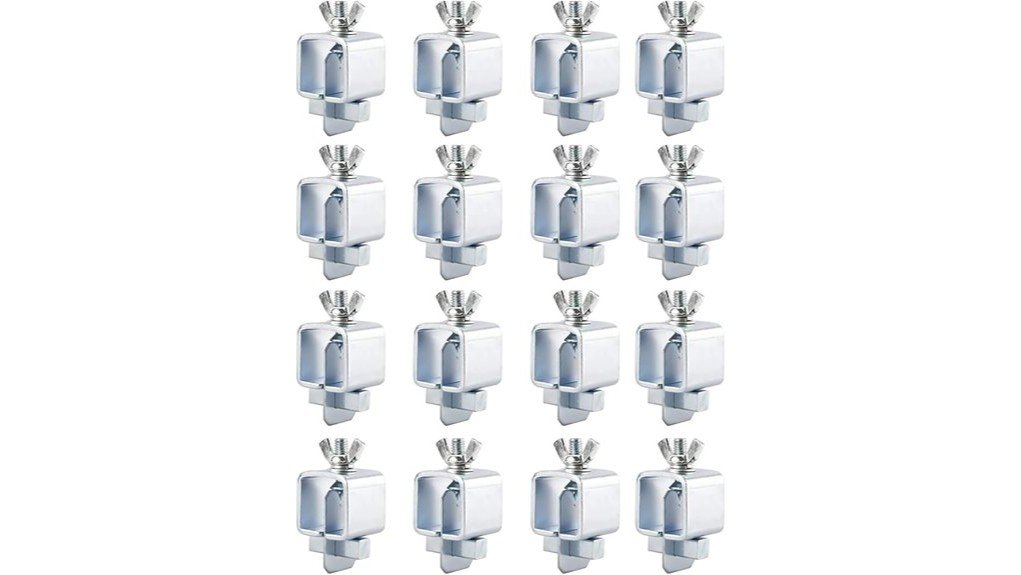
Keeping sheet metal panels level while you tack and weld can be frustrating, especially when a small shift creates a crooked seam, uneven gap, or extra grinding later. The Toolly 16 Pack Butt Welding Clamps are made to hold metal panels edge to edge with a consistent 1mm setup gap before welding. This review helps you decide if these small panel clamps fit your sheet metal work, repair projects, and tack-welding routine. They are useful for controlled alignment, but they will not fix warped panels, poor edge prep, or jobs that need heavy clamping force.
Quick Verdict
Rating: 8.2/10
Best For: DIY welders and shop users who need several small butt-weld clamps for sheet metal alignment, tack welding, patch panels, and edge-to-edge setup.
Bottom Line: The Toolly 16 Pack Butt Welding Clamps are worth considering if you want a simple way to hold sheet metal panels with a consistent gap before welding. The main tradeoff is that they are alignment tools, not heavy-duty fixtures for thick, warped, or non-metal materials.
| Specification | Detail |
|---|---|
| Brand | Toolly |
| Product name | Toolly 16 Pack Butt Welding Clamps |
| Product type | Butt welding clamps for sheet metal alignment |
| Count | 16 clamps |
| Design | Small butt-weld panel clamps with winged nut adjustment |
| Panel gap | Designed to help maintain a consistent 1mm gap during panel setup |
| Material range | Sheet metal from 3/16-inch to 26 gauge, based on the source article |
| Material | Steel construction, exact grade and coating not independently verified |
| Adjustment style | Hand-tightened winged nut |
| Best use | Edge-to-edge sheet metal alignment before tack welding and butt welding |
| Not ideal for | Wood, plastic, thick structural steel, badly warped panels, or high-force clamping |
| Care note | Keep clean and dry after use, then inspect for rust, stiff threads, or uneven tightening before the next project |
What Is the Toolly 16 Pack Butt Welding Clamps?
The Toolly 16 Pack Butt Welding Clamps are small metal alignment clamps designed to hold sheet metal panels in position for butt welds. Their main purpose is to keep two panel edges level while leaving a narrow, consistent 1mm gap for welding setup.
The 16-pack format is useful when you need to line up a longer seam, a patch panel, or several separate panel sections. Instead of relying on one or two clamps, you can spread the clamps across the joint to reduce panel movement before the first tack welds.
Each clamp uses a winged nut, which gives you a simple way to tighten or loosen the clamp by hand. That matters during fit-up because you can make small alignment changes, check the seam, and tighten the panel again without adding a complicated fixture.
Key Takeaways
- The Toolly 16 Pack Butt Welding Clamps help hold sheet metal panels with a consistent 1mm gap.
- The 16-clamp count is useful for longer seams, larger panels, and multi-point alignment.
- The winged nut design makes small setup adjustments easier before tack welding.
- The article-supported material range is 3/16-inch to 26 gauge sheet metal.
- They are best for metal panel fit-up, not for plastic welding, woodworking, or general-purpose clamping.
- You still need clean edges, safe welding practice, and a smart tack sequence to control heat movement.
Who Should Buy It?
Best For
- DIY welders working on sheet metal seams, patch panels, and panel repairs.
- Beginners who need help keeping panels aligned before tack welding.
- Shop users who want multiple clamps for longer edge-to-edge weld setups.
Skip If
- You need clamps for wood, plastic, or non-metal materials.
- You need heavy-duty structural clamping instead of small sheet metal alignment.
- Your panels are badly warped and need stronger fixturing before welding.
Before You Buy: These clamps are designed for metal sheet alignment. Check your panel thickness, joint style, and workholding needs before ordering, especially if you need heavy clamping pressure or non-metal compatibility.
Features and Specifications
The strongest feature of these clamps is their ability to hold two sheet metal edges in a controlled position. A consistent 1mm gap can help you prepare a cleaner butt joint, reduce guesswork, and keep the seam more predictable during tack welding.
The winged nut is another practical detail. It gives you hand control during setup, so you can loosen the clamp, adjust the panel, and tighten it again without making the process more complex than needed.
The article supports compatibility with sheet metals from 3/16-inch to 26 gauge. That range makes the clamps useful for many common sheet metal projects, but you should still test fit the clamp on your actual material before starting a final weld.
Build Quality and Materials
The Toolly clamps use steel construction, which matters because welding setup tools need to handle repeated tightening, panel movement, and normal shop wear. The exact steel grade, coating, and finish were not independently verified, so it is best to treat them as practical sheet metal alignment clamps rather than premium precision fixtures.
For best long-term use, keep the clamps clean and dry after each project. Wipe away dust, weld spatter, oil, and moisture before storage. If you notice rust or stiff movement around the winged nut, clean the area and check that the clamp still tightens evenly.
Fit and Compatibility
The article-supported range is 3/16-inch to 26 gauge sheet metal, which covers many thin panel jobs. This makes the Toolly clamps most useful for body panels, patch panels, small fabrication tasks, and similar edge-to-edge welding setups.
They are not the right tool for every clamping job. If you need to pull large parts together, hold thick structural steel, or apply strong pressure across an uneven surface, you may need locking pliers, C-clamps, welding magnets, or a dedicated fixture instead.
Panel condition also matters. These clamps work best when the edges are trimmed cleanly, the panels sit close to the same plane, and the joint does not need major force to close. If the panels spring apart or twist when released, fix the fit-up before relying on small alignment clamps.
Ease of Use
These clamps are simple enough for beginners because the basic process is easy to understand. You place the panels edge to edge, position the clamp at the joint, tighten the winged nut, and confirm that the panel faces remain level.
The 16-pack count helps when one or two clamps are not enough to control the entire seam. You can place several clamps along the joint, then tack between them as needed. This can reduce shifting while you work across the panel.
Pro Tip: Dry-fit the whole seam before welding. Place the clamps first, check the 1mm gap, tack a few points, then remove and reposition clamps only when the panel is stable enough to hold its shape.
Setup Tips Before Welding
Good results start before the arc starts. Clean both panel edges so dirt, paint, burrs, and oil do not hold the pieces apart or make the clamp sit unevenly. A small clamp cannot overcome a poorly trimmed edge.
Space the clamps across the seam instead of crowding them into one area. On short patch panels, a few clamps may be enough. On longer seams, using more clamps can help keep the joint level from end to end.
After you tighten the winged nuts, check the seam from the front, side, and back when possible. If one panel sits higher than the other, loosen the clamp, adjust the edge, and tighten again before welding.
How It Performs in Real Use
For Sheet Metal Panel Repair
For patch panels and repair sections, these clamps help keep both panel edges in the same plane. That can make the first tack welds easier because the joint starts with better alignment.
For Longer Seams
The 16-pack count is helpful when you need to support a longer seam. By spacing the clamps along the joint, you can reduce the chance that one end shifts while you adjust the other end.
For Beginner Welding Practice
Beginners often struggle with holding panels steady while also preparing to weld. These clamps give you a more controlled setup, which can help you focus on tack placement, heat control, and weld sequence.
For Repeated Shop Use
For repeated use, the main advantage is speed. Once you understand the setup process, the winged nut design makes it easy to place, adjust, remove, and reuse the clamps across multiple projects.
Compatibility and Safety Notes
These clamps help with alignment, but they do not make the welding process safer by themselves. You still need proper eye protection, welding gloves, ventilation, grounding, and fire control before starting the job.
Keep the clamps away from areas where they could interfere with the torch, electrode, filler rod, or weld path. Remove or reposition each clamp only after the panel has enough tack welds to stay aligned without shifting.
Thin sheet metal can move from heat even when it starts perfectly aligned. Tack in stages, let heat spread out, and avoid concentrating too much heat in one small area.
How to Use It Correctly
- Clean the panel edges before clamping so the pieces sit flat and even.
- Place the panels edge to edge and check that the gap is consistent.
- Install the clamps along the seam, using more clamps on longer or more flexible panels.
- Tighten the winged nuts enough to hold the panels without forcing the joint out of alignment.
- Check the joint from more than one angle before tack welding.
- Tack in stages and avoid overheating one area, since heat can still move thin sheet metal.
- Remove or move clamps only when nearby tacks can hold the panel position.
Always follow safe welding practices, including proper eye protection, gloves, ventilation, grounding, and fire safety. These clamps can help with alignment, but they do not replace safe technique or correct welding setup.
Common Mistakes to Avoid
Do not overtighten the winged nut to force two misaligned panels together. That can pull the joint out of plane and make the seam harder to weld cleanly.
Do not assume the 1mm gap is correct for every welding process, material thickness, or technique. Use the clamp as an alignment aid, then match your weld setup to the metal, joint design, and welding method you plan to use.
Do not leave contaminated edges in place. Paint, coatings, oil, rust, and burrs can affect fit-up and welding quality, even when the clamps hold the panels in position.
Pros and Cons
Pros
- Helps maintain a consistent 1mm gap for butt welding setup.
- Includes 16 clamps, which is useful for longer seams and larger panel jobs.
- Winged nut adjustment makes setup simple and beginner-friendly.
- Supports sheet metal from 3/16-inch to 26 gauge, based on the source article.
- Useful for edge-to-edge panel alignment before tack welding.
Cons
- Not suitable for plastic, wood, or non-metal projects.
- Not a replacement for heavy-duty fixturing on thick or warped material.
- Warranty details, steel grade, coating, and finish were not independently verified.
Is It Worth the Price?
The Toolly 16 Pack Butt Welding Clamps offer strong value if you regularly work with sheet metal seams. The 16-piece count matters because alignment usually improves when you can support more than one point along the joint.
This is a smart buy for everyday sheet metal fit-up if you want simple clamps for tack welding, repair panels, and edge-to-edge alignment. It is not the best fit if you need heavy clamping force, verified premium materials, or a clamp that works across many non-welding tasks.
How It Compares to Alternatives
Compared with standard locking pliers or C-clamps, these butt welding clamps are more focused on creating a small, even gap between two sheet metal panels. Locking pliers can apply more force, but they do not give you the same simple spacing function for edge-to-edge butt weld setup.
Compared with magnetic welding squares, these clamps are better for holding two thin panel edges together at a seam. Magnetic squares are useful for angles and positioning, while the Toolly clamps make more sense when your main goal is a controlled butt joint gap.
Compared with a custom welding fixture, these clamps are easier to use and more affordable for small jobs. A dedicated fixture is still better when the project needs repeatable precision, strong restraint, or exact positioning across many identical parts.
How This Review Was Evaluated
This review focuses on article-supported product details, buyer-useful fit notes, setup practicality, and realistic limitations. Because independent manufacturer specifications were not verified during this edit, unconfirmed details such as exact steel grade, coating, warranty terms, and finish are treated cautiously.
The recommendation is based on the product’s stated use case: holding sheet metal panels edge to edge for butt-weld alignment. The review does not assume the clamps can replace professional fixtures, repair poor panel fit-up, or work safely on materials outside their intended use.
Frequently Asked Questions
Are the Toolly Butt Welding Clamps good for beginners?
Yes, they are beginner-friendly because the winged nut design is simple to adjust by hand. They help hold sheet metal panels in position so you can focus on tack placement and weld control.
What sheet metal thickness do they support?
The source article states that they support sheet metal from 3/16-inch to 26 gauge. You should still test the clamp on your actual panel before welding because fit can depend on panel shape, edge condition, and joint setup.
Do these clamps create the weld gap for you?
They are designed to help maintain a consistent 1mm gap while the panels are clamped. You still need to check alignment, panel level, and edge prep before you start welding.
Can you use them for wood or plastic?
No. These clamps are mainly for metal sheet alignment during welding setup. For wood, plastic, or general shop clamping, choose clamps made for those materials and pressure needs.
How many clamps should you use on one seam?
Use enough clamps to keep the joint level across the full seam. A short patch may need only a few clamps, while a longer panel can benefit from several clamps spaced evenly across the edge.
Can these clamps replace locking pliers or C-clamps?
No. They serve a different purpose. Toolly butt welding clamps help align sheet metal edges with a small gap, while locking pliers and C-clamps are better when you need stronger holding pressure.
How do you clean and maintain them?
Wipe the clamps clean after use and store them in a dry place. Check the winged nuts for smooth movement and inspect the clamps for rust, damage, or uneven tightening before your next project.
What warranty do the Toolly clamps include?
Warranty details were not independently verified during this edit. Check the current Amazon seller page, packaging, or seller support details before purchase if warranty coverage is important to you.
The Bottom Line
The Toolly 16 Pack Butt Welding Clamps are a practical choice if you need several small clamps for sheet metal butt weld alignment, 1mm gap control, and cleaner tack-welding setup. They are best for metal panel work and should be skipped if you need heavy-duty structural clamping, non-metal compatibility, or fully verified premium specifications.
Overall, they earn a recommended-with-caveats verdict because they solve a specific setup problem well. You still need proper fit-up, careful panel prep, safe welding practice, and heat control to get the best result.