Disclosure: As an Amazon Associate, we earn from qualifying purchases. If you click a link on this page and make a purchase, we may receive a small commission at no extra cost to you.
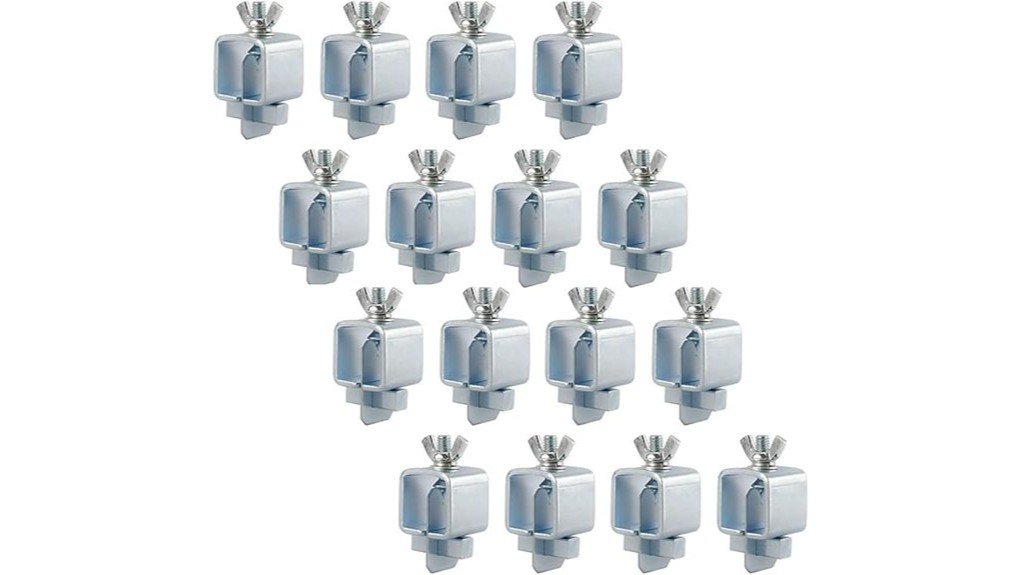
Getting clean butt welds on thin sheet metal often comes down to alignment. The Toolly Butt Welding Clamps are made to hold two panels with a consistent 1mm gap, which helps you tack and weld patch panels with better control. This review breaks down how the 16-pack fits auto body work, where the clamps help most, and where you may still need larger clamps, magnets, or extra panel support.
Quick Verdict
Rating: 8/10, Recommended with caveats
Best For: DIY auto body repair, patch panels, door skins, and small sheet metal alignment jobs.
Bottom Line: The Toolly Butt Welding Clamps are a practical choice when you need repeatable panel spacing and quick setup across a repair area. They are not a substitute for full panel support, and they work best when the surrounding metal is already trimmed, cleaned, and test-fitted.
| Specification | Detail |
|---|---|
| Brand | Toolly |
| Product Type | Butt welding clamps for sheet metal alignment |
| Count | 16 clamps |
| Panel Gap | Designed to hold a consistent 1mm gap between panels |
| Supported Sheet Metal Range | Article-supported range: 3/16-inch to 26 gauge |
| Approximate Clamp Size | 1 inch x 1 inch x 2.1 inches per clamp |
| Adjustment Style | Winged nut adjustment |
| Best Use | Auto body patch panels, door skins, floor patches, and small fabrication work |
| Safety Note | Inspect the clamps before use and wear proper welding safety gear. |
What Is the Toolly Butt Welding Clamp Set?
The Toolly Butt Welding Clamps are small panel-alignment clamps for sheet metal butt welds. Each clamp helps hold two panel edges apart with a 1mm gap, giving you room for a controlled weld bead instead of forcing the panels tightly together.
The set includes 16 clamps, which makes it more useful for longer seams than a small 4-pack or 8-pack. You can place several clamps along a door skin, quarter panel patch, floor repair, or similar sheet metal job to keep the edges lined up while you tack the panel in stages.
The compact 1 inch x 1 inch x 2.1 inch size also helps when you work in tight areas. You still need good prep work, clean metal, and careful tack spacing, but these clamps give you a more repeatable starting point.
Before You Buy: These clamps are made for butt-weld alignment, not heavy structural clamping. If your panels need strong force to pull them into shape, you may need additional clamps, magnets, or bodywork tools before welding.
Key Takeaways
- The Toolly Butt Welding Clamps help maintain a 1mm panel gap for cleaner butt weld setup.
- The article-supported sheet metal range is 3/16-inch to 26 gauge, making the set useful for many auto body repair tasks.
- The 16-clamp pack gives you enough pieces to space clamps across longer patch panels or multiple repair points.
- The winged nut design allows quick hand adjustment without a complex setup process.
- The compact clamp size helps in tight spaces, but larger panels may still need extra support to prevent shifting or warping.
Who Should Buy It?
Best For
- DIY welders repairing thin auto body panels.
- Small shops that need repeated spacing for patch panels.
- Users who want a 16-piece set for longer seams and multiple tack points.
Skip If
- You need clamps for thick plate, frame work, or heavy fabrication.
- Your panels are badly bent and need strong pulling force before alignment.
- You want one tool that replaces magnets, locking pliers, and panel stands.
Fit and Compatibility
These clamps are best suited for sheet metal butt welds where two clean panel edges meet. The article-supported range runs from 3/16-inch to 26 gauge, which covers many common patch and repair situations.
The key benefit is the consistent 1mm gap. That spacing can help you avoid uneven panel contact, which often causes messy tacks, poor penetration control, or extra grinding after the weld cools.
Fit still depends on your prep work. If the patch panel is cut too large, has uneven edges, or sits under tension, the clamps cannot fix the fit by themselves. They work best after you trim, test-fit, and clean both mating edges.
Materials and Build Quality
The original article describes the clamps as compact, durable, and lightweight. No verified material type was available from the supplied article, so this review does not claim a specific metal or coating.
The small body size makes the clamps easy to place along a seam without taking over the work area. This matters on floor patches, rocker work, and door skin repairs where access can be limited.
The tradeoff is simple. Small clamps are easier to handle, but they do not replace larger body clamps when a panel needs heavy shaping pressure. Use them for spacing and alignment, not for forcing a damaged panel into position.
Ease of Use and Adjustment
The winged nut design is one of the most useful features. You can tighten or loosen each clamp by hand, which helps when you need to move along a seam and make small adjustments before tacking.
For best results, place the clamps evenly along the panel edge before you start welding. After the first few tack welds hold the panel, you can remove one clamp at a time and fill the remaining areas in a controlled sequence.
This setup is especially helpful for newer welders because it gives a clear visual gap and steadier panel placement. It does not remove the need for heat control, but it does make the starting layout easier to manage.
Pro Tip: Test-fit the patch panel with all clamps installed before you weld. If the gap changes from one end to the other, adjust the panel edge first instead of trying to correct the problem with heat.
Benefits for Auto Body Repair
In auto body repair, small alignment errors can create extra grinding, pinholes, and panel distortion. The Toolly Butt Welding Clamps help by holding the two panel edges in a repeatable position while you tack the repair area.
The 16-pack count is useful when you work across longer seams. Instead of relying on one or two clamps at the ends, you can place several along the repair line and reduce movement between tack welds.
These clamps make the most sense for jobs such as floor patches, door skins, quarter panel patches, and small fabrication pieces. They are less useful when the repair needs heavy clamping pressure or when you cannot access the back side of the seam.
How It Performs in Real Use
For Floor Patches
Floor patch work often involves long seams and thin metal. The 16-clamp count helps you distribute clamps across the repair area so the panel does not shift while you begin tacking.
For Door Skin and Panel Repairs
On door skins or outer panels, the 1mm gap can help you keep the seam consistent before welding. You still need to work slowly because thin panels can warp if you apply too much heat in one area.
For Tight Spaces
The compact 1 inch x 1 inch x 2.1 inch size helps when you do not have room for a large clamp. This can make the set useful around corners, lower panels, and smaller patch sections.
For Mobile Repair Work
The lightweight design makes the clamps easy to carry with a welding kit. Since the set includes 16 pieces, you can keep enough clamps on hand for small repairs without taking up much storage space.
How to Use It Correctly
Start by cleaning both panel edges and removing paint, rust, and debris from the weld area. The clamps can hold the gap, but dirty or uneven metal can still cause poor weld quality.
Next, place the clamps along the seam before you tack anything. Check that the panel sits flush and that the gap stays consistent. If one area sits high or low, adjust the panel shape before welding.
After you tack between the clamps, let the metal cool and remove one clamp at a time. Fill the remaining gaps slowly, moving around the panel instead of welding one long section at once.
Compatibility and Safety
These clamps are designed for sheet metal alignment during welding. Because welding involves heat, sparks, fumes, and sharp metal edges, you should use gloves, eye protection, proper ventilation, and a welding helmet rated for your process.
Inspect every clamp before use. Do not use a clamp if the threads, winged nut, or contact surfaces appear damaged, bent, or unsafe. A weak hold can allow the panel to shift while you tack.
Also confirm that the clamp placement will not interfere with your torch, gun angle, or ground connection. A clean setup gives you better control and reduces the chance of accidental contact with hot metal.
Pros and Cons
Pros
- Maintains a consistent 1mm gap for butt weld setup.
- 16-pack gives you enough clamps for longer seams and multiple repair points.
- Compact size helps in tight auto body repair areas.
- Winged nut adjustment supports quick hand positioning.
- Useful for floor patches, door skins, and other sheet metal repairs.
Cons
- Not designed for heavy plate, frame repair, or high-force clamping.
- Requires access and proper panel fit before the clamps can work well.
- Material details and maximum clamping pressure were not verified from the supplied article.
Is It Worth the Price?
The Toolly Butt Welding Clamps offer strong value for the price if you regularly work with small sheet metal patches. A 16-pack gives you enough clamps to space out a longer seam, which can be more useful than buying only a few clamps for a larger repair.
The best value comes from using them for their intended job: panel spacing and butt weld alignment. They are worth considering if you need a simple way to hold a 1mm gap while you tack auto body panels.
They are not the best fit if you need high clamping force, verified material specs, or a tool for thick fabrication work. In that case, compare larger panel clamps or welding fixtures before you buy.
How It Compares to Alternatives
Compared with basic locking pliers, these butt welding clamps are better for maintaining a consistent gap between two sheet metal edges. Locking pliers can hold pressure well, but they do not automatically create a uniform butt-weld spacing.
Compared with magnetic welding squares, the Toolly clamps make more sense for edge-to-edge sheet metal patches. Magnets can help with general positioning, but they may not hold thin patch panels with the same controlled 1mm seam gap.
Frequently Asked Questions
Are Toolly Butt Welding Clamps adjustable for different panel thicknesses?
Yes, the article describes them as suitable for sheet metal from 3/16-inch to 26 gauge. You should still test-fit your exact panel thickness before welding because fit depends on edge prep and panel shape.
What gap do these clamps create?
The article-supported gap is 1mm between panels. That spacing helps you set up a controlled butt weld instead of forcing two thin edges tightly together.
Can these clamps be used for materials other than sheet metal?
They are primarily intended for sheet metal butt weld alignment. Avoid assuming they will work well for thick plate, structural steel, or materials that need heavy clamping pressure.
How many clamps come in the set?
The reviewed set includes 16 clamps. That count is helpful when you need to hold several points along a patch panel or longer seam.
What is the maximum clamping pressure?
The supplied article does not verify a maximum clamping pressure. Treat these as alignment clamps for sheet metal, not as heavy-duty pressure clamps.
Do these clamps prevent panel warping?
They can help keep panel edges aligned, but they do not prevent heat distortion by themselves. Use short tack welds, allow cooling time, and move around the seam to reduce warping risk.
How should you clean and maintain the clamps?
Wipe away metal dust, spatter, and debris after use. Store the clamps dry, and check the winged nuts and threads before the next job.
Who should skip the Toolly Butt Welding Clamps?
Skip them if you need heavy-duty clamping force, verified material specs, or a tool for thick fabrication work. They are best for thin sheet metal alignment and auto body patch setup.
The Bottom Line
The Toolly Butt Welding Clamps are a smart buy if you need a simple 16-piece set for auto body sheet metal alignment. Their biggest strength is the consistent 1mm butt-weld gap, while the main limitation is that they are not meant for heavy clamping or badly distorted panels.
Buy them if your work involves patch panels, door skins, floor repairs, or similar thin sheet metal jobs. Skip them if you need a clamp that can pull panels into shape or handle heavy fabrication.