As an Amazon Associate I earn from qualifying purchases. Buying through these links costs you nothing extra.
The best plasma cutter under 300 dollars for most garage users is the ARCCAPTAIN CUT55 Prolux, the Editor’s Pick here for its app control and non-touch pilot arc. For the lowest outlay, look at the bestarc BTC500 or the S7 CUT-50.
Eight 50A to 60A cutters are compared below. Specs come from each listing, not hands-on testing. Prices change often and some listings may sit above or below $300, so check the current price before you buy.
| Product Name | Best For | Key Spec | CTA |
|---|---|---|---|
| ARCCAPTAIN CUT50 | Beginners | 50A, 1/2″ clean cut, dual voltage | Check price on Amazon |
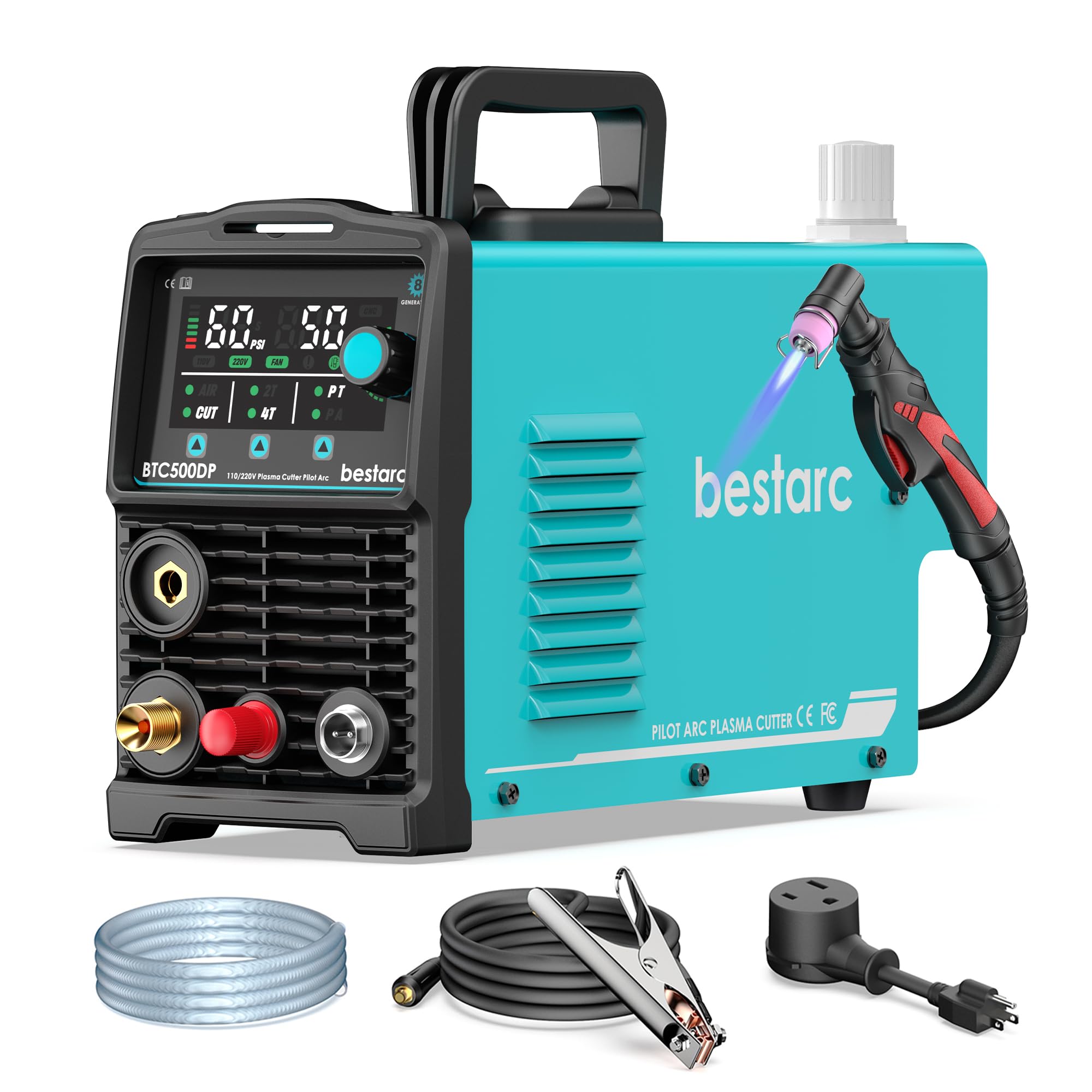
| bestarc BTC500 | Best Value | 50A pilot arc, built-in regulator | Check price on Amazon |
| CUT55 Pro | App-Controlled | 55A, app control, non-touch pilot arc | Check price on Amazon |
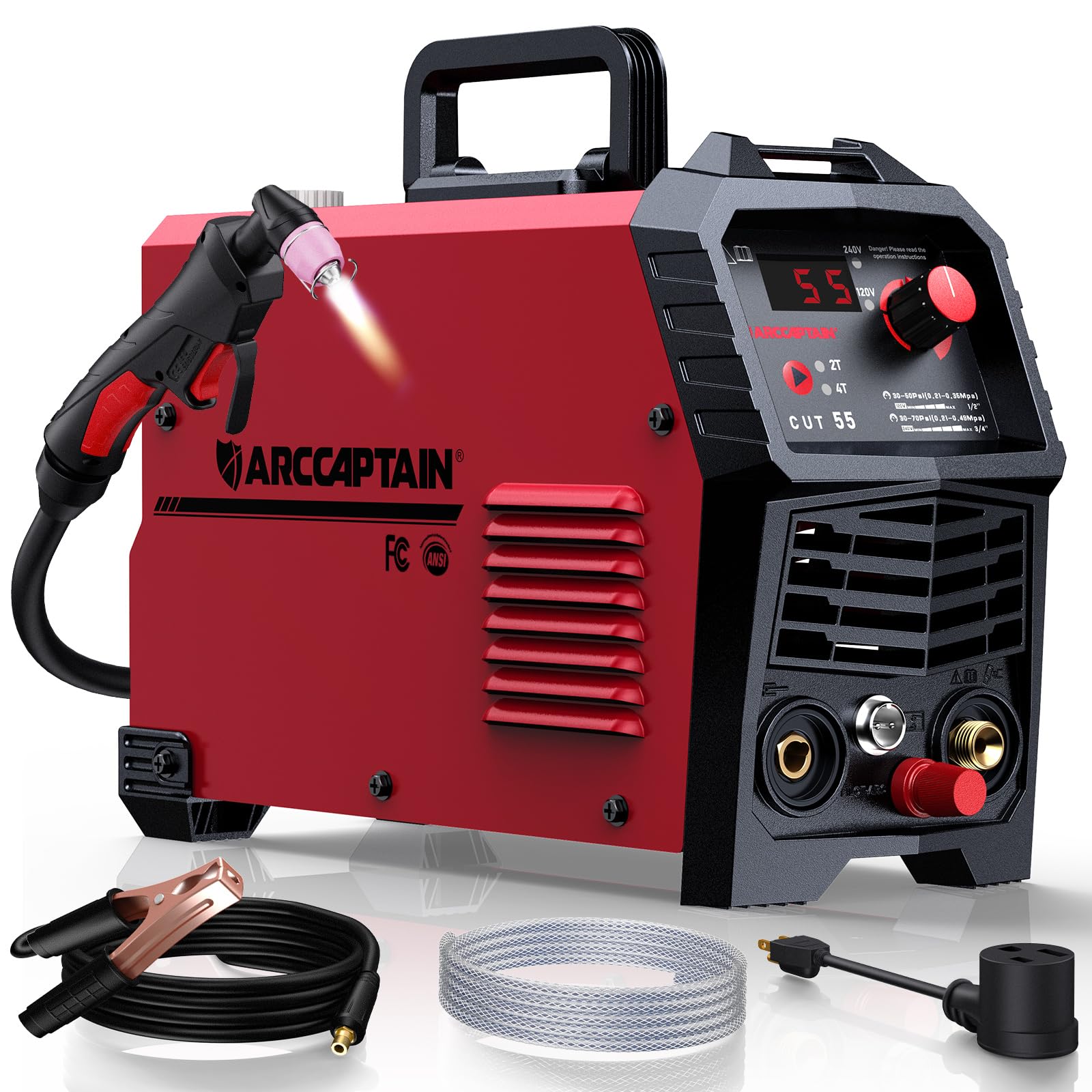
| CUT55 Pilot | Pilot Arc | 55A, non-touch pilot arc, dual voltage | Check price on Amazon |
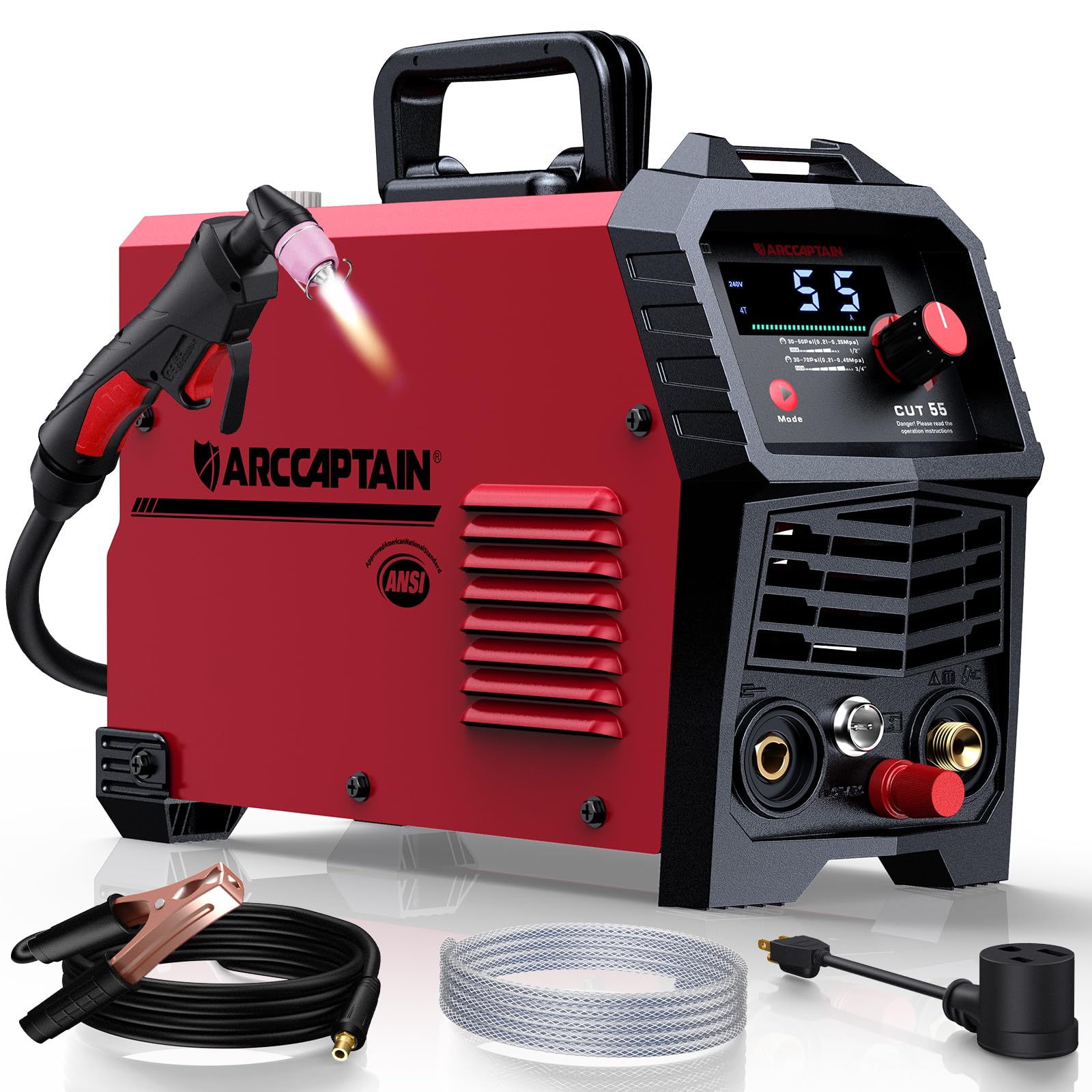
| CUT55 LED | Clean Cuts | 55A, large LED display, pilot arc | Check price on Amazon |
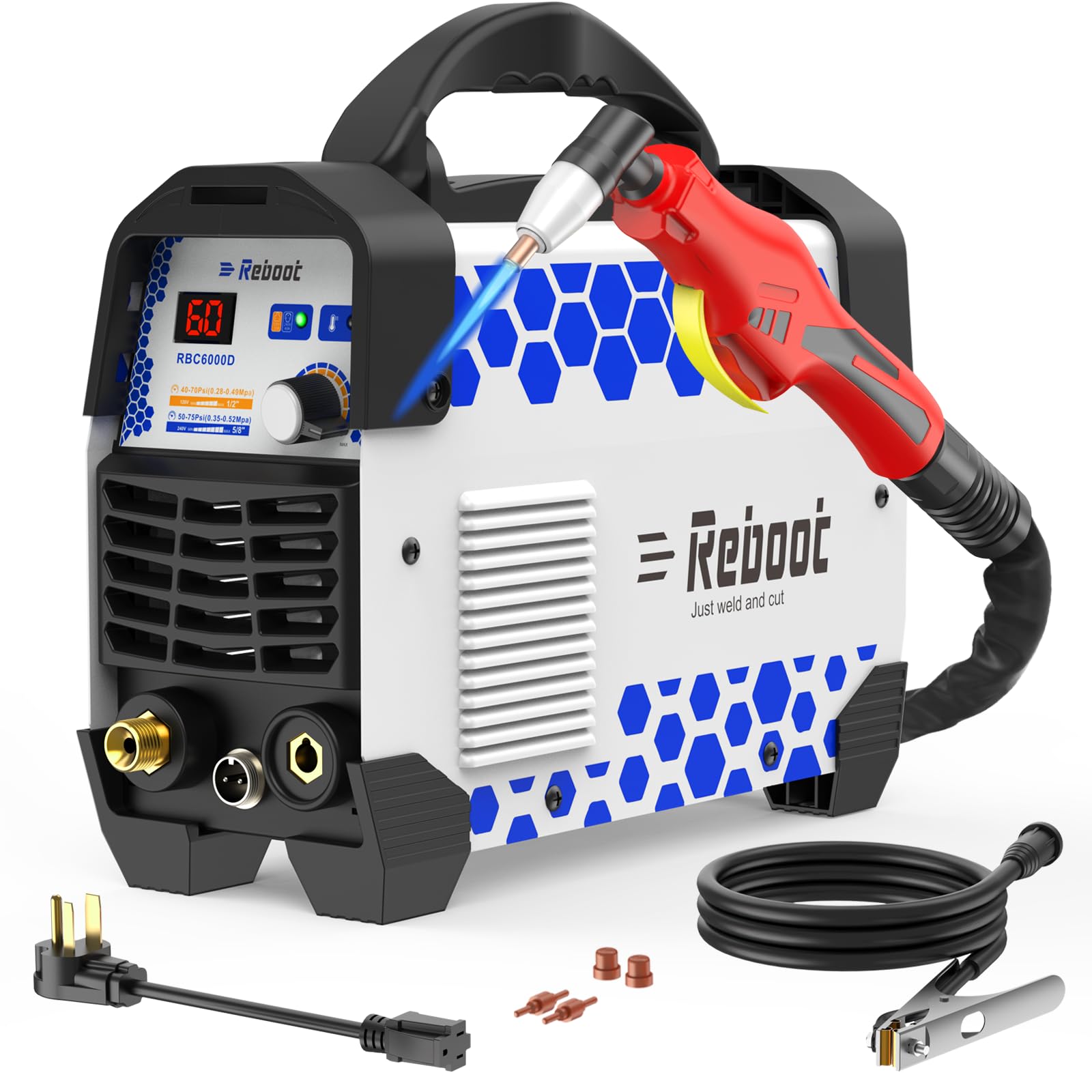
| Reboot RBC6000D | Most Powerful | 60A, dual voltage | Check price on Amazon |
| CUT55 Prolux | Best Overall | 55A app-controlled, multiple modes | Check price on Amazon |
| S7 CUT-50 | Best Compact | 50A, dual voltage, pilot arc | Check price on Amazon |
How to Choose the Best Plasma Cutter Under 300
Picks are based on the specs and features in each listing, not hands-on testing. These points decided the order:
- Output and rated clean cut: 50A to 60A, listed at about 1/2 inch for most models.
- Input voltage: dual-voltage models run on 110/120V for thin sheet and 220/240V for thicker plate.
- Pilot arc: non-touch starts help on painted or rusty metal.
- Air regulator and gauge: fewer parts to buy before the first cut.
- Included torch, hose and ground clamp.
Confirm cutting capacity and what ships in the box on the listing before ordering.
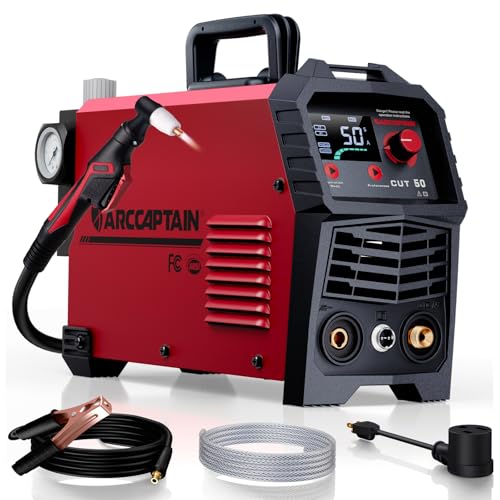
You get a compact, user-friendly plasma cutter built for practical shop use. The large LED display and simple controls speed up setup. The built-in regulator and gauge cut down on air supply fiddling, and dual-voltage design lets you run it from common outlets or a 240V circuit.
Pick this if you want a lightweight machine that moves around the shop easily and handles thin to medium steel well.
Pros
- Easy setup with readable LED controls
- Built-in air regulator simplifies compressor use
- Dual-voltage flexibility for home or shop power
Cons
- Short hose requires planning your workspace

You get a feature-packed cutter for hobbyists who want more control. The app and LED readout make adjustments simple. The non-touch pilot arc starts cuts on dirty surfaces without dragging.
Pick this if you like modern features and included accessories that let you start cutting right away.
Pros
- App control and LED simplify setup
- Non-touch pilot arc works on painted or rusty metal
- Dual voltage and full kit for fast use
Cons
- Short torch lead for some jobs

You get a compact cutter that makes hobby work straightforward. The pilot-arc torch starts on painted or rusty metal easily. Multiple modes and 240V power improve results on thicker plate.
Pick this if you want a balanced machine with good portability for day-to-day garage jobs.
Pros
- Reliable pilot-arc starts on dirty surfaces
- Clear controls and included accessories
- Dual voltage for flexible power options
Cons
- Short lead limits some workflows

You get a practical cutter built for real garage work. The LED display and controls make tuning quick. The pilot-arc torch starts on painted or rusty metal without dragging.
Pick this if you need flexibility and easy setup for repairs and hobby projects.
Pros
- Non-touch pilot arc for dirty surfaces
- Large LED and simple controls
- Full kit for fast setup
Cons
- Short leads on some jobs
- Needs good air supply for best results

You get a capable cutter that makes backyard projects easier. The pilot-arc and front-panel controls let you start fast. The air sensor and regulator cut setup headaches.
Pick this if you want versatility for quick repairs and a portable design for small shops.
Pros
- Pilot-arc starts on rusted surfaces
- Built-in air sensor simplifies connections
- Portable and easy to move
Cons
- Handle may feel less robust

You get a compact cutter with enough power for garage and small jobs. The pre-installed regulator and torch get you cutting sooner. The 60A output handles thicker plate with the right power.
Pick this if you want portability plus the ability to step up to heavier work.
Pros
- Pre-installed regulator for fast setup
- 60A output for thicker material
- Included torch and tips
Cons
- Requires proper wiring and air supply

You get a modern cutter that simplifies garage tasks. The app control and LED make settings easy. The non-touch pilot arc and built-in air detection reduce guesswork.
Pick this if you want dedicated modes for expanded metal, rust removal, and light shaping.
Pros
- App control for easier adjustments
- Non-touch pilot arc and air detection
- Multiple modes expand what you can cut
Cons
- Check the listing for exactly which accessories are included

You get a practical cutter that fits a home garage. The non-touch pilot arc starts on painted or rusty metal. The LED display and regulator simplify tuning and air connections.
Pick this if you need portability and features that protect consumables on repeated jobs.
Pros
- Non-touch pilot arc for easy starts
- Built-in regulator and post-flow cooling
- Portable and lightweight design
Cons
- Short ground leads on some setups
Related guides: Best Plasma Cutter for Beginners, Best Plasma Cutter for Home Shops and Best Plasma Cutter: Small-Shop Picks.
FAQ
Do I Need 240V Power?
You can start with 110V for light sheet metal. You will see much better results on thicker plate when you switch to 240V. Use a dedicated circuit and the right plug for safe operation.
What Air Setup Should I Use?
A dry, steady air supply makes a big difference. Use the pressure and airflow in your cutter’s manual, since requirements differ by model. Built-in regulators help, but keep lines dry and check for leaks.
How Do I Maintain It and Avoid Problems?
Keep spare consumables on hand because they wear out. Check the ground clamp and clean contacts before each use. Use post-flow cooling and test settings on scrap so you avoid surprises.
How Thick Can These Cutters Cut?
Most are listed at about 1/2 inch clean cut, and the CUT55 Pro is listed at 3/4 inch maximum. Confirm the rating on the listing and expect lower numbers on 110V.
Will It Cut Rusty or Painted Metal?
Pilot-arc models start on painted or rusty surfaces without dragging. Non-touch starts work best. Clean the area first for the cleanest cut.
What to Prioritize
Choose by power needs and ease of use. 240V input helps with thicker plate, and a non-touch pilot arc makes starts on dirty metal easier. Clear displays, regulators, and included parts save setup time.
Wrapping Up
Match the cutter to your projects and power setup. The CUT55 Prolux stands out for features if you want modern controls. The bestarc BTC500 and S7 CUT-50 are the budget-minded options in this list.
Check your power and air supply before you buy so the machine runs well from day one. Pick up spare consumables before your first cut.
Editor’s Pick, ARCCAPTAIN CUT55 Prolux: Check price on Amazon
| Product Name | Image | Power Output (Amps) | Max Cutting Thickness |
|---|---|---|---|
| ARCCAPTAIN Plasma Cutter |
 |
50 Amps | 1/2 inch |
| ARCCAPTAIN iControl CUT55 Pro Plasma Cutter |
 |
55 Amps | 3/4 inch |
| ARCCAPTAIN 55A Plasma Cutter |
 |
55 Amps | 1/2 inch |
| ARCCAPTAIN 55A Plasma Cutter, Large LED Display |
 |
55 Amps | 1/2 inch |
| bestarc Plasma Cutter |
 |
50 Amps | 1/2 inch |
| Reboot 60A Plasma Cutter |
 |
60 Amps | 1/2 inch |
| ARCCAPTAIN iControl CUT55 Prolux Plasma Cutter Machine |
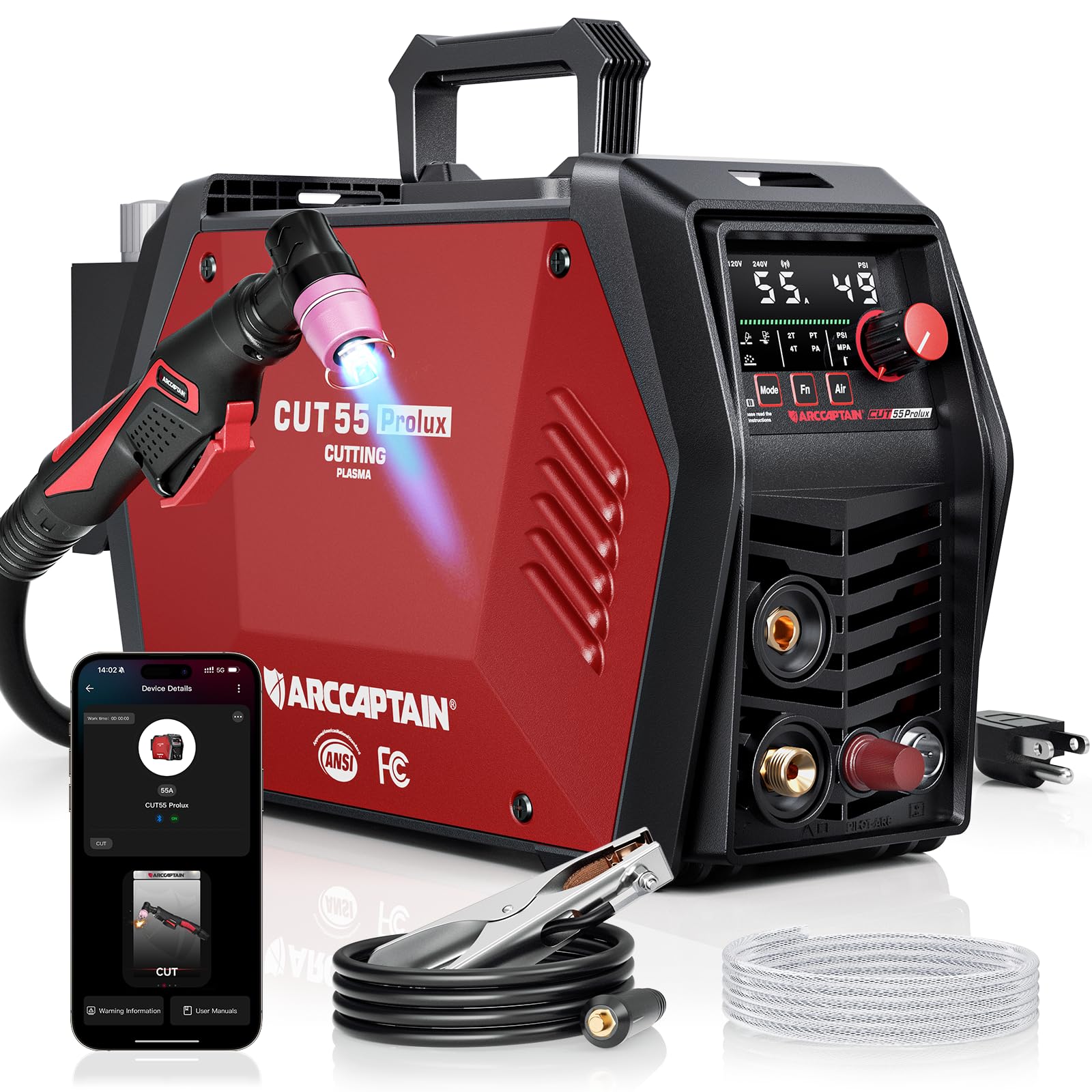 |
55 Amps | 1/2 inch |
| S7 CUT-50 Plasma Cutter |
 |
50 Amps | 20 mm |