Disclosure: As an Amazon Associate, we earn from qualifying purchases. If you click a link on this page and make a purchase, we may receive a small commission at no extra cost to you.
A welding helmet has to do more than darken when the arc starts. You need clear visibility, steady eye protection, comfortable head support, and controls that match the welding conditions in front of you. The TX500C Welding Helmet aims to cover those basics with a large viewing window, dual solar and battery power, adjustable sensitivity, and UV/IR protection. This review helps you decide whether it is a smart everyday welding helmet or if you should compare it with a more fully documented premium model.
Quick Verdict
Rating: 7.8/10
Best For: Welders who want a large viewing area, adjustable sensitivity, and a lightweight helmet for general welding tasks.
Bottom Line: The TX500C looks useful if you want better visibility than a small-window helmet and prefer a solar-assisted power setup. The main tradeoff is that some product details, including the exact viewing-window height, should be confirmed before you buy.
| Specification | Detail |
|---|---|
| Model | TX500C |
| Product Type | Welding helmet |
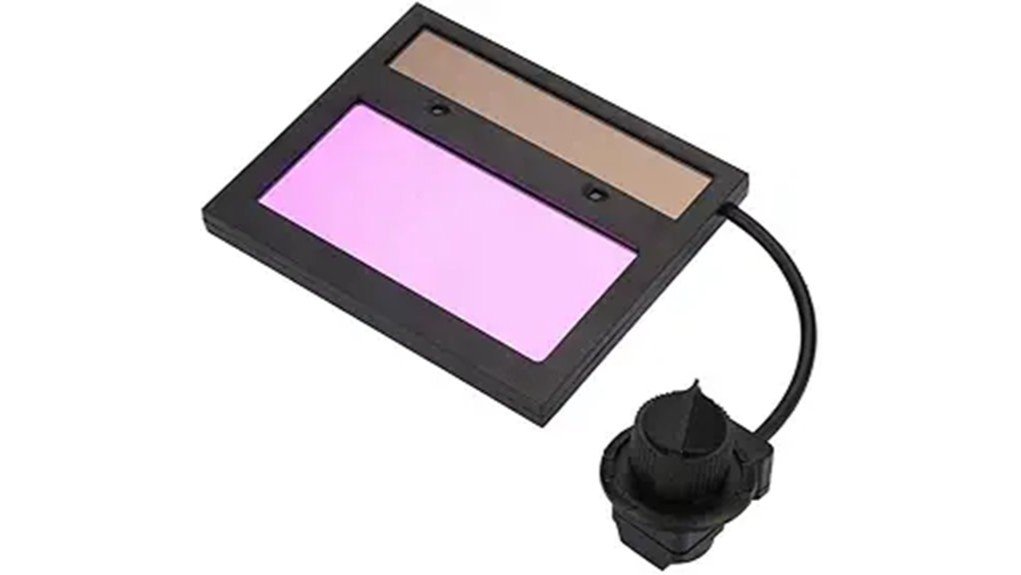
| Viewing Window | Large window listed around 3.94 inches wide, with source details showing 2.87 to 2.95 inches in height |
| Power | Dual power system with solar panel and replaceable battery |
| Controls | Adjustable sensitivity settings |
| Safety Features | Arc detection, UV/IR protection, and protective welding filter |
| Material | High-quality plastic shell with protective filter components, based on source article details |
| Weight | Approximately 1.1 pounds |
| Eyewear Compatibility | Article states it can be worn with prescription eyewear |
| Best Use | General welding tasks where visibility, comfort, and adjustable sensitivity matter |
| Safety Note | Confirm lens shade, fit, and use instructions before welding |
What Is the TX500C Welding Helmet?
The TX500C is a welding helmet designed to protect your eyes and face while giving you a wider view of the work area. Its main appeal is the large viewing window, which helps you see the weld zone, joint position, and surrounding work surface with less head movement.
The helmet also includes a dual power setup that uses a solar panel with a replaceable battery. That combination can help reduce interruptions during welding, especially when you need steady darkening performance across longer sessions.
It is best viewed as a practical welding helmet for users who want better visibility, adjustable sensitivity, and lightweight wear. It is not the best choice if you need fully verified premium specs, published optical-class details, or a helmet with clearly documented certification data.
Before You Buy: Confirm the exact viewing-area size and lens specifications on the current Amazon listing or product documentation. The source details list the viewing window height in two slightly different ways, so you should verify the current version before ordering.
Who Should Buy It?
Best For
- Welders who want a larger viewing window for better work-area visibility.
- DIY and shop users who prefer solar-assisted power with a replaceable battery backup.
- Users who need adjustable sensitivity for different welding conditions.
Skip If
- You need a helmet with fully verified optical-class, shade-range, and certification details before purchase.
- You want a known premium model with a clearly documented warranty and replacement-parts system.
- You prefer a helmet with confirmed exact dimensions from the manufacturer.
Viewing Experience and Comfort
The TX500C stands out most for its large viewing window. A wider lens area can make it easier to see the weld puddle, the workpiece edges, and nearby clamps or fixtures without constantly shifting your head.
This matters during longer welding sessions because a cramped lens can make your eyes and neck work harder. The larger viewing area can reduce the feeling of tunnel vision, especially when you need to keep track of both the arc and the surrounding work surface.
The article lists the viewing window as 3.94 inches wide, with the height shown as either 2.95 inches or 2.87 inches. That still places the helmet in a larger-viewing-window category, but you should confirm the exact current listing details if that measurement is a deciding factor for you.
Power Efficiency and Longevity
The dual power system is one of the more useful TX500C features. The solar panel helps support the helmet during use, while the replaceable battery gives the system a backup power source.
That setup can be helpful if you weld in mixed lighting conditions or use the helmet across multiple sessions. You still need to check the battery condition and follow the product instructions, but the solar-assisted design can reduce how often you think about power during normal use.
For best results, store the helmet where the solar panel is not blocked by dust, heavy debris, or a dark storage cover for long periods. A clean solar panel and a fresh battery give the helmet the best chance of responding consistently when the arc starts.
Sensitivity and Safety Features
The TX500C includes arc detection and adjustable sensitivity settings. These controls help the helmet respond to different welding conditions, which can matter when the arc brightness, work angle, or surrounding light changes.
Adjustable sensitivity is useful because not every job needs the same response. A setting that works well for one welding setup may feel too reactive or not reactive enough in another environment, so the ability to tune sensitivity gives you more control.
The helmet also includes UV/IR protection, which is essential for welding eye safety. You should still inspect the lens, shell, headgear, and filter before use, because any damaged safety component can reduce protection.
Build Quality and Materials
The source article describes the helmet as using durable plastics and protective filter materials. That type of construction keeps the helmet light enough for longer wear while still giving you a protective face shield for welding tasks.
At about 1.1 pounds, the TX500C should feel manageable for many users. A lighter helmet can reduce neck strain, especially when you move between tacking, checking fitment, grinding preparation, and welding.
The main limitation is documentation. The article does not verify the exact shell material grade, certification standard, or warranty terms, so cautious buyers should confirm those details before relying on it for demanding professional use.
How It Performs in Real Use
For Shop and Garage Welding
In a garage or small shop, the TX500C makes the most sense when visibility is your top concern. The large viewing area can help you line up joints, check your work angle, and watch the weld area without feeling boxed in by a narrow lens.
For Longer Sessions
The lightweight design and ergonomic focus should help reduce fatigue during longer periods of wear. You still need a secure headgear fit, but the low listed weight gives the helmet an advantage over heavier models that can pull on your neck.
For Changing Light Conditions
The adjustable sensitivity settings are useful when your work area changes from bright to dim or when reflections affect the lens response. Take time to test the setting before starting a full weld so the helmet responds the way you expect.
For Occasional DIY Use
For occasional repair or fabrication work, the TX500C offers practical features without making the setup feel complicated. The main thing to check is whether the current listing provides the shade range and safety documentation you need for your welding process.
Setup Tips Before First Use
Before welding, inspect the lens, helmet shell, headgear, and filter area for cracks, scratches, loose parts, or damage. Replace damaged parts before use, because welding protection depends on the full helmet system working correctly.
Adjust the headgear so the helmet sits securely without pressing too hard on your forehead. A poor fit can make the helmet shift while you work, which can affect comfort and visibility.
Test the sensitivity setting in a safe way before starting your main weld. You want the helmet to respond quickly without being so sensitive that it reacts to normal shop lighting or nearby reflections.
Pro Tip: Keep the outer lens cover clean and check the battery before longer projects. A dirty cover or weak battery can make a good helmet feel less clear and less reliable.
Compatibility and Safety
The TX500C is described as compatible with prescription eyewear, which can help if you need corrective glasses while welding. You should still test the fit carefully because eyewear shape, frame size, and headgear position can affect comfort.
The article also states that the welding lens can be replaced if damaged. That is a useful maintenance feature because lens damage can reduce visibility and protection, but you should only use replacement parts that match the helmet’s instructions.
For heat exposure, the source article notes thermal resistance and heat insulation. You should still avoid treating any helmet as a shield for unsafe positioning, extreme abuse, or work outside the product instructions.
Pros and Cons
Pros
- Large viewing window helps you see more of the work area while welding.
- Dual solar and replaceable battery power supports longer use with fewer interruptions.
- Adjustable sensitivity helps match the helmet response to different welding conditions.
- UV/IR protection and arc detection support safer welding when the helmet is used correctly.
- Approximate 1.1-pound weight can reduce fatigue during extended wear.
Cons
- Exact viewing-window height should be confirmed because the source article lists two close measurements.
- Brand, warranty, shade range, and certification details are not fully verified in the source article.
- Not the best fit if you need a premium helmet with complete published technical documentation.
Is It Worth the Price?
The TX500C is worth considering if you want a welding helmet with a large viewing area, lightweight feel, adjustable sensitivity, and solar-assisted power. Those features make it a practical option for everyday welding tasks where comfort and visibility matter.
Its value depends on how much you care about verified documentation. If you need exact shade range, optical-class ratings, certification data, or detailed warranty terms before buying, you may want to compare it with a more fully documented helmet.
For general use, it offers strong value for the price if the current listing confirms the specifications you need. It is not the best fit if you are buying for a strict workplace requirement that needs documented compliance details.
How It Compares to Alternatives
Compared with basic small-window welding helmets, the TX500C has a clear advantage in viewing comfort and work-area awareness. The larger lens can make setup, tacking, and weld tracking feel easier.
Compared with higher-end helmets, the TX500C may fall short if you need fully published optical clarity ratings, detailed shade-range data, or extensive brand documentation. It makes the most sense if you prioritize a large view, low weight, and adjustable sensitivity over premium documentation.
Frequently Asked Questions
What size is the TX500C viewing window?
The source article lists the viewing window as 3.94 inches wide, with the height shown as either 2.95 inches or 2.87 inches. Treat it as a large viewing window, but confirm the exact current listing measurement before buying.
Does the TX500C use solar power or batteries?
The TX500C uses a dual power system with a solar panel and a replaceable battery. This setup helps support longer use, but you should still check battery condition before longer welding sessions.
Can you adjust the sensitivity on the TX500C?
Yes, the article states that the helmet has adjustable sensitivity settings. This helps you tune the helmet response for different welding conditions and lighting environments.
Is the TX500C comfortable for long welding sessions?
The helmet is listed at approximately 1.1 pounds, which should help reduce fatigue compared with heavier helmets. Comfort also depends on headgear adjustment, balance, and how well the helmet fits your head shape.
Can you wear prescription glasses under the TX500C?
The source article states that the TX500C can be used with prescription eyewear. You should still test the fit because frame size and headgear position can affect comfort inside the helmet.
Can the welding lens be replaced if damaged?
The article says the welding lens can be replaced if damaged. Use only compatible replacement parts and follow the product instructions so you do not reduce visibility or protection.
Who should skip the TX500C Welding Helmet?
Skip it if you need fully verified optical-class data, shade-range details, certification information, or warranty terms before purchase. It is better for buyers who are comfortable confirming those details on the current listing before ordering.
What is the biggest buying mistake to avoid?
Do not buy based only on the large viewing window. Confirm the shade range, lens replacement options, safety documentation, and exact viewing-area dimensions before you decide.
The Bottom Line
The TX500C Welding Helmet is a good match if you want a large viewing window, adjustable sensitivity, dual power, and a lightweight feel for general welding tasks. You should skip it if you need fully verified premium specs, exact manufacturer documentation, or strict workplace compliance details before purchase. Its main strength is visibility and comfort, while its main limitation is the need to confirm current listing details before you buy.