Disclosure: As an Amazon Associate, we earn from qualifying purchases. If you click a link on this page and make a purchase, we may receive a small commission at no extra cost to you.
Small metal repairs can turn frustrating when you do not want to set up a full welder or pay for a shop visit. The 36 Pcs Low Temperature Welding Rods are made for light repair jobs where low-heat bonding, simple handling, and a multi-piece pack matter. This review explains what the rods can do, where they make sense, and where you should be cautious. They are easy to understand for DIY users, but they are not a substitute for structural welding, pressure-rated plumbing work, or professional repairs.
Quick Verdict
Rating: 7.3/10, Recommended with caveats
Best For: DIY users who need a low-temperature repair rod kit for small aluminum, copper, craft, and household repair attempts.
Bottom Line: This 36-piece kit gives you several rods for practice, trial repairs, and light bonding work. The tradeoff is that the product details are broad, so you should verify the exact rod size, compatible materials, and heating method on the Amazon listing before buying.
| Specification | Detail |
|---|---|
| Product type | Low-temperature welding or brazing-style repair rods |
| Count | 36 pieces |
| Material | Tin and aluminum powder blend |
| Listed melting point | 430°F (220°C) |
| Rod length note | Verify the listing details before purchase because rod size can vary by seller |
| Best use | Light repairs, practice work, small metal fixes, electrical component support, and craft projects |
| Compatibility note | Most suitable for compatible metals and light bonding tasks, not every surface or repair type |
| Safety note | Use ventilation, eye protection, gloves, heat-safe work surfaces, and the product instructions |
Before You Buy: Do not treat low-temperature repair rods as a replacement for load-bearing welds, fuel-system repairs, brake parts, pressure-rated plumbing, or safety-critical metalwork. Use a professional repair method for parts that carry weight, hold pressure, or affect vehicle safety.
What Are the 36 Pcs Low Temperature Welding Rods?
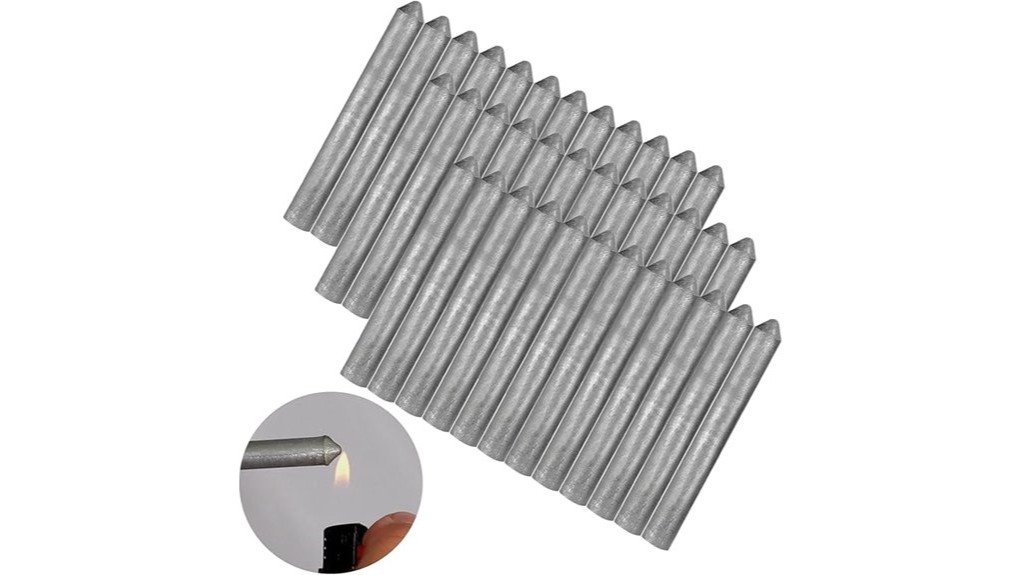
The 36 Pcs Low Temperature Welding Rods are a multi-piece repair kit made for small bonding jobs that need less heat than traditional welding. They are described as tin and aluminum based rods that can help with aluminum, copper, and other light repair uses when the surface and heat source are suitable.
The main appeal is convenience. You get 36 rods, so you have enough pieces for practice, small mistakes, and multiple repair attempts. That count matters because low-temperature bonding often takes trial and error, especially if you are learning how much heat, pressure, and surface cleaning a material needs.
The important limitation is scope. These rods can help with light-duty repairs, but they do not turn a basic heat source into a full welding setup. For strong, code-compliant, or safety-related repairs, you still need the right welding process, filler material, and inspection.
Who Should Buy It?
Best For
- DIY users who want a low-temperature rod kit for light home repairs and practice work.
- Hobbyists who need several rods for craft, model, or small workshop projects.
- Buyers who prefer a simple 36-piece pack instead of buying single repair rods.
Skip If
- You need structural welding for frames, brackets, vehicle parts, or load-bearing repairs.
- You want verified brand, model, warranty, and certification details before buying.
- You need underwater welding, high-temperature work, or professional code-compliant repairs.
Product Features and Specifications
The strongest feature is the 36-piece count. A larger pack helps when you need to test the rod on scrap material before touching the final part. It also gives you room to repeat a small repair if the first pass does not bond cleanly.
The available product copy describes the rods as a blend of tin powder and aluminum powder. That type of low-temperature repair material aims to bond at a lower heat point than many traditional welding methods. The buyer benefit is easier access for small repairs, but the tradeoff is lower confidence for heavy-duty strength unless the product label and repair method support that use.
The listed melting point is 430°F (220°C). That figure supports the low-heat positioning, but you should still use enough heat to warm the workpiece properly. A rod can soften while the base material remains too cool, which can lead to a weak surface bond.
Materials and Build Quality
The tin and aluminum composition is the key material detail available for this kit. For shoppers, that means the rods are aimed at low-temperature bonding rather than deep penetration welding. They may suit thin metal patches, light aluminum fixes, and small workshop repairs better than thick or stressed parts.
Build quality depends on rod consistency, surface preparation, and the way the material flows when heated. Since no verified brand or model details were available, you should inspect the rods when they arrive. Look for clean surfaces, consistent rod shape, and packaging that matches the Amazon listing.
Ease of Use
These rods are made for simpler use than a full welding rig. The low-temperature design supports quick melting and easy handling, which helps beginners try small repairs without complex equipment. Still, easy melting does not guarantee a strong bond on every surface.
Your result depends on cleaning the area, heating the base material evenly, and letting the repaired spot cool without movement. Oil, paint, oxidation, or moisture can weaken the bond. Practice on scrap material before repairing anything visible or important.
Pro Tip: Clean the repair area with a suitable abrasive or degreaser, then test the rod on a scrap piece of similar material. This helps you judge heat, flow, and bond quality before the final repair.
Compatibility and Safety
The product copy mentions aluminum, copper, PVC, wood, and ceramics as possible repair contexts. For real buying decisions, treat those claims carefully. Low-temperature rods make the most sense for compatible metal repair attempts, while non-metal uses should only follow the product label and should not be treated as true welding.
Safety matters even with low-temperature rods. Use eye protection, heat-resistant gloves, long sleeves, and a nonflammable work surface. Work in a ventilated area because heated metals and repair rods can produce smoke or fumes.
Do not use these rods for underwater welding. These rods are not suitable for submerged work, and that is the safer position. Underwater welding requires specialized equipment, training, and materials built for that environment.
How It Performs in Real Use
For Small Aluminum Repairs
For light aluminum repairs, the rods may help with small cracks, thin patches, or non-structural fixes when the surface is clean. They are better suited to trial repairs than critical automotive or machine parts. If the part carries weight or sees vibration, use a professional repair method.
For Electrical or Copper-Adjacent Work
The product copy mentions copper and electrical components, but you should stay cautious around electrical repairs. Do not rely on these rods for live circuits, code-required connections, or parts that need a certified electrical repair. They may be more useful for non-critical support, hobby work, or practice pieces.
For Craft and Workshop Projects
Craft users may get the most flexible value from this kit. The 36-piece count gives you room to test the rods on small decorative parts, models, or practice joints. You can also learn how the material flows before using it on a more visible project.
For Emergency Backup Repairs
These rods can be useful as a backup item in a garage, shed, or repair kit. They give you a quick option for temporary or light-duty fixes when the repair does not affect safety. For permanent repairs, check the bond after cooling and choose a stronger method if the joint flexes or separates.
How to Use It Correctly
Start by reading the product label and checking the Amazon listing for the exact heating instructions. Low-temperature rods still require enough heat, and the workpiece often needs to be warmed, not just the rod. Rushing this step can leave material sitting on the surface instead of bonding well.
Clean the repair area before applying heat. Remove paint, grease, rust, and oxidation where possible. Keep a fire-safe area around your work, and avoid using the rods near fuel, solvents, dry dust, or other flammable materials.
Let the repair cool naturally before testing it. Moving or loading the joint too early can weaken the bond. After cooling, inspect the repair for gaps, cracking, or poor adhesion before putting the part back into use.
Pros and Cons
Pros
- 36-piece pack gives you enough rods for practice and multiple small repairs.
- Low-temperature design can be easier to use than a full welding setup.
- Tin and aluminum composition supports light metal repair attempts.
- Useful for DIY, hobby, craft, and garage backup applications.
- Small rods are easier to store than bulky welding supplies.
Cons
- Not suitable for structural, pressure-rated, underwater, or safety-critical repairs.
- Product details are broad, so exact rod size and seller-specific package details should be verified.
- Bond quality depends heavily on heat control, surface cleaning, and compatible materials.
Is It Worth the Price?
This kit is worth considering if you want several low-temperature repair rods for light-duty use, practice work, and small jobs around a garage or workshop. The 36-piece count gives it practical value because you are less likely to waste the whole kit while learning the right heat and surface prep.
It is a smart buy for everyday use only when your repair expectations are realistic. You get the most value from it when you need a convenient repair material for compatible small parts, not when you need certified weld strength.
The main value limitation is verification. Since exact brand, model, warranty, and rod dimensions were not confirmed from a reliable listing, check the Amazon product page carefully before you decide.
How It Compares to Alternatives
Compared with MIG, TIG, or stick welding, these low-temperature rods are simpler and cheaper to try, but they cannot match professional welding for strength, penetration, or repair control. Compared with epoxy or adhesive, they may feel more metal-repair focused, but adhesives can be easier on non-metal surfaces and heat-sensitive materials.
The 36 Pcs Low Temperature Welding Rods make the most sense if you want a compact, low-heat repair option for small experiments and non-critical fixes. Choose a professional welding process, mechanical fastener, or rated replacement part when failure would create a safety risk.
Frequently Asked Questions
Can these rods replace a real welder?
No. They are better viewed as low-temperature repair rods for light bonding and practice work. Use a proper welding process for structural, load-bearing, pressure-rated, or safety-critical repairs.
What materials can I use them on?
Product details support use around aluminum and copper, with broader mentions of other materials. For best results, follow the product label and test on scrap first, especially with non-metal surfaces.
Do I need special safety gear?
Use eye protection, heat-resistant gloves, long sleeves, and ventilation. Keep the work area clear of flammable materials because the rods still require heat.
Are the rods reusable after melting?
No. Once a rod melts and bonds with a surface, it is part of that repair. Plan each application carefully so you do not waste material during practice.
Can I use them for underwater welding?
No. These rods are not made for underwater welding. Submerged welding requires specialized equipment, training, and materials built for that work environment.
Why should I test on scrap material first?
Testing helps you learn how much heat the rod and workpiece need. It also shows whether the material will bond before you risk damaging the final part.
How should I store the rods?
Store them in a dry, closed container away from moisture, dust, and shop debris. Clean rods are easier to handle and less likely to contaminate a repair surface.
Who should skip this kit?
Skip it if you need verified industrial specs, certified weld strength, or a repair for a critical vehicle, plumbing, or structural part. It is better for small DIY repair attempts and practice work.
The Bottom Line
The 36 Pcs Low Temperature Welding Rods are a practical choice for DIY users who want a low-heat repair rod kit for light, non-critical jobs. The 36-piece count, simple storage, and low-temperature design are useful, but the unclear product details and limited repair scope keep this from being a heavy-duty solution. Buy it for small practice and repair work, and skip it when you need verified professional welding strength.