Disclosure: As an Amazon Associate, we earn from qualifying purchases. If you click a link on this page and make a purchase, we may receive a small commission at no extra cost to you.
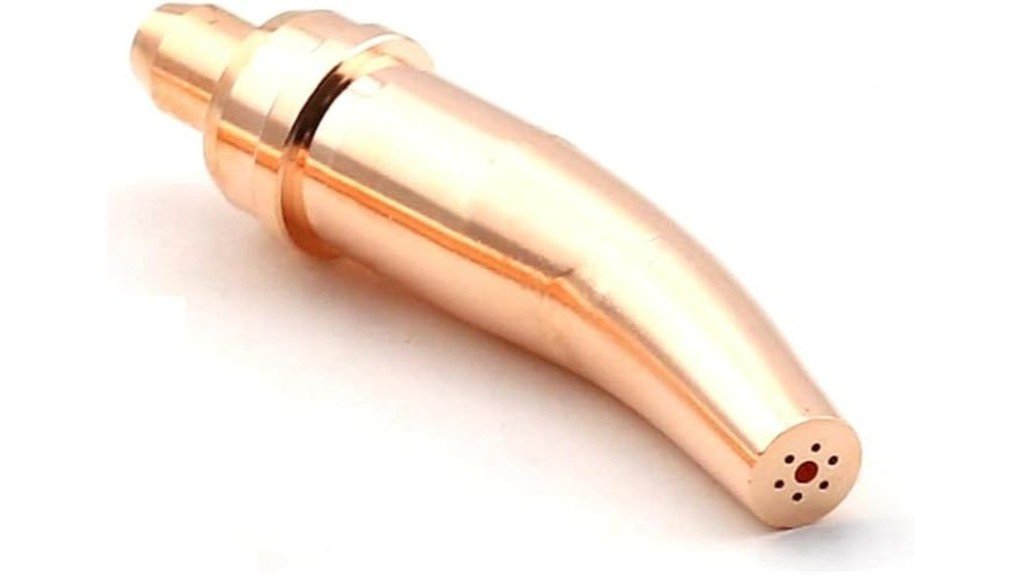
Choosing the wrong oxy-acetylene cutting tip can leave you with rough cuts, slow starts, poor preheat, or a tip that simply does not fit your torch. The WeldingCity Acetylene Gouging/Cutting Tip 1-118 Size 2 is a Victor-style, one-piece tip made for users who need an acetylene-oxygen tip for cutting, gouging, weld preparation, and related metalwork. It gives you a practical aftermarket option if your torch setup matches the 1-118 Victor-style series. The main limitation is compatibility: you need to confirm your torch model, fuel gas, and tip size before buying.
Quick Verdict
Rating: 8.2/10
Best For: Buyers who need a Victor-style 1-118 acetylene gouging/cutting tip in Size 2.
Bottom Line: This WeldingCity tip is worth considering if you want a one-piece acetylene-oxygen tip for common cutting and gouging work. Skip it if your torch uses a different tip series, fuel gas, or cutting attachment style.
| Specification | Detail |
|---|---|
| Brand | WeldingCity |
| Model / Size | 2-1-118, Size 2 |
| Product Type | Acetylene gouging/cutting tip |
| Series | 1-118 Victor-style series |
| Design | One-piece general-purpose tip |
| Fuel Gas | Acetylene-oxygen |
| Available Orifice Sizes | #0, #2, #4, #6, and #8 in the 1-118 series |
| Compatibility | Victor-style oxy-acetylene hand torches and compatible cutting heads that accept 1-118 tips |
| Common Applications | Deseaming, scarfing, gouging, weld preparation, removing defective welds, and washing rivets |
| Package Note | Check the Amazon listing for current package quantity and selected size before checkout |
| Safety Note | Use only with the correct torch, fuel gas, regulator setup, and manufacturer-recommended operating procedure |
What Is the WeldingCity Acetylene Gouging/Cutting Tip?
The WeldingCity Acetylene Gouging/Cutting Tip 1-118 Size 2 is an aftermarket Victor-style tip for oxy-acetylene cutting and gouging. It belongs to the 1-118 series and uses a one-piece general-purpose design.
This tip is made for metalworkers who already use a compatible Victor-style torch setup and need a replacement or spare cutting tip. It is not a complete torch, regulator, hose, or gas kit. You still need the correct oxy-acetylene system, safe setup, and proper operating technique.
The main appeal is simple: you get a specific Size 2 tip in a common Victor-style 1-118 format, with other orifice sizes available in the same series for different jobs. That makes it useful if you already know your torch accepts this type.
Before You Buy: Confirm that your torch or cutting attachment accepts Victor-style 1-118 acetylene tips. Do not buy by appearance alone, since similar-looking cutting tips can use different series, seats, fuel gases, and pressure settings.
Who Should Buy It?
Best For
- Users with a compatible Victor-style oxy-acetylene hand torch.
- Metalworkers who need a Size 2 tip in the 1-118 series.
- Shops that want a spare tip for gouging, scarfing, weld preparation, or repair work.
Skip If
- Your torch requires a different Victor series, Harris-style tip, or another brand-specific fit.
- You need a propane, propylene, natural gas, or plasma cutting tip.
- You do not already have the correct oxy-acetylene equipment and safety gear.
Fit and Compatibility
Compatibility matters more than almost anything else with this product. The WeldingCity 1-118 tip is intended for Victor-style acetylene-oxygen hand torch setups and compatible aftermarket cutting heads that accept the 1-118 series.
The original article mentions Victor oxy-acetylene hand torch compatibility, including MT-5, MT-200, MT-300, ST-900FC, and ST-1000FC style references. Before ordering, compare your current tip number, torch documentation, and cutting attachment requirements. A wrong tip can fit poorly, leak, heat unevenly, or fail to perform safely.
Build Quality and One-Piece Design
The one-piece design is one of the most useful details on this tip. A one-piece acetylene cutting tip keeps the working end simple and helps reduce extra parts that could be mismatched or misplaced during routine replacement.
For buyers, that means installation is more straightforward when your torch accepts the series. It also makes the tip easy to store as a spare in a welding cart or shop drawer. The tradeoff is that the whole tip must match your torch and job, so you cannot rely on separate components to correct a compatibility mistake.
Orifice Size and Job Matching
The 1-118 series is listed with nominal orifice sizes #0, #2, #4, #6, and #8. This review focuses on the Size 2 version, which is identified as 2-1-118.
Tip size affects gas flow, preheat behavior, cutting range, and the type of work the tip can handle. You should not choose a size based only on price or availability. Match the tip size to the metal thickness, torch chart, fuel gas, and the cut quality you need.
Pro Tip: Keep your old working tip nearby until the new one is confirmed. Compare the series marking, tip size, seat style, and fuel gas before you install the replacement.
Performance and Applications
The WeldingCity Acetylene Gouging/Cutting Tip is built for jobs such as deseaming, scarfing, gouging, weld preparation, removing defective welds, and washing rivets. These are practical metalworking tasks where controlled heat, clean oxygen flow, and the right preheat technique matter.
When used with the correct torch and settings, the tip should help produce cleaner starts and more consistent cutting than a worn, clogged, or mismatched tip. It will not fix poor regulator setup, bad gas flow, dirty metal, or incorrect cutting speed. Your results still depend on setup, technique, and the condition of your torch.
How It Performs in Real Use
For Weld Preparation
For weld preparation, the tip can help remove unwanted material before repair or fabrication. You get the most benefit when the tip size matches the work and the torch produces a stable preheat flame.
For Removing Defective Welds
The tip is also useful when you need to cut out or wash away defective weld material. This type of work requires control, so a clean tip and correct oxygen flow matter more than speed alone.
For Gouging and Scarfing
Gouging and scarfing can put more demand on technique than basic straight cutting. The one-piece 1-118 design gives you a defined tool for this purpose, but you still need to follow the proper angle, travel speed, and torch instructions for the job.
For Shop Spares
This product also makes sense as a spare if your shop already uses compatible Victor-style 1-118 acetylene tips. Keeping the right size available can prevent downtime when an old tip becomes clogged, damaged, or inconsistent.
Setup and Usage Tips
Start by checking that your torch is off, cool, and safe to handle. Inspect the seat, threads, and tip end before installation. Do not force the tip into a cutting attachment if it does not seat correctly.
Use the manufacturer’s torch chart or manual for gas pressure, preheat, and cutting oxygen settings. Avoid guessing settings based on another tip series, another fuel gas, or a different torch brand. Small fit or pressure differences can change performance and safety.
Clean the tip only with proper tip cleaners or tools made for cutting tips. Do not enlarge the orifices with random wire, drill bits, or hard tools, since that can change gas flow and ruin cut quality.
Compatibility and Safety Notes
This tip is for acetylene-oxygen cutting and gouging systems, not plasma cutting. It also should not be used as a substitute for propane or other alternate-fuel tips unless the torch manufacturer confirms compatibility.
Wear proper welding and cutting safety gear, including shaded eye protection, gloves, flame-resistant clothing, and suitable face protection. Work in a ventilated area, keep flammable materials away, and follow your torch, regulator, and gas supplier instructions.
Inspect hoses, regulators, flashback arrestors, and connections before use. A cutting tip is only one part of the system, so safe performance depends on the entire setup.
Pros and Cons
Pros
- Specific 1-118 Victor-style format for compatible oxy-acetylene hand torches.
- One-piece general-purpose design keeps replacement simple.
- Size 2 option fits buyers who need the 2-1-118 tip size.
- Useful for gouging, scarfing, deseaming, weld preparation, and related repair work.
- Other nominal orifice sizes are available in the same series for different needs.
Cons
- Limited to compatible Victor-style 1-118 acetylene setups.
- Not suitable for plasma cutting or alternate-fuel tips.
- Requires correct torch settings, clean equipment, and proper safety gear.
Is It Worth the Price?
The WeldingCity Acetylene Gouging/Cutting Tip is worth considering if you need this exact type of replacement tip and your torch setup is compatible. It sits in the practical aftermarket category, so the value comes from fit, correct size, and useful day-to-day performance rather than extra features.
You get the most value from it if you already know you need a 2-1-118 acetylene gouging/cutting tip. If you are unsure about your torch series or fuel gas, confirm those details first. Buying the wrong tip can cost more in lost time than you save on the part.
How It Compares to Alternatives
Compared with OEM Victor Type 118 tips, the WeldingCity version makes sense if you want an aftermarket option for a compatible Victor-style setup. OEM tips may appeal more to buyers who prefer original-brand parts or need exact manufacturer documentation for a workplace.
Compared with other WeldingCity tip series, such as 1-101 or 3-118 styles, this 1-118 tip is only the right choice when your torch requires that specific series. If your cutting attachment uses a different series, choose the matching tip instead of trying to adapt this one.
Frequently Asked Questions
Is the WeldingCity 2-1-118 tip compatible with all Victor torches?
No. It is intended for compatible Victor-style oxy-acetylene setups that accept 1-118 series tips. Check your torch or cutting attachment manual before buying.
What fuel gas does this cutting tip use?
This is an acetylene-oxygen gouging/cutting tip. Do not use it as a propane, propylene, natural gas, or plasma cutting tip unless your equipment documentation specifically allows it.
What jobs can this tip handle?
It is designed for tasks such as deseaming, scarfing, gouging, weld preparation, removing defective welds, and washing rivets. Your results depend on correct tip size, metal thickness, gas setup, and technique.
How do I clean the acetylene cutting tip?
Use proper cutting-tip cleaners and follow the torch manufacturer’s maintenance instructions. Avoid using drill bits, oversized wire, or hard tools that can enlarge the orifices and affect gas flow.
Can I use this tip for plasma cutting?
No. This is an oxy-acetylene gouging/cutting tip, not a plasma consumable. Use dedicated plasma cutting consumables for plasma cutters.
What safety gear should I wear when using it?
Wear shaded eye protection, gloves, flame-resistant clothing, and suitable face protection. You should also work in a ventilated area and keep flammable materials away from the cutting zone.
Should I buy Size 2 or another orifice size?
Buy Size 2 only if your job and torch chart call for that size. The 1-118 series also includes other nominal orifice sizes, so match the tip to your material and equipment requirements.
Who should skip this WeldingCity tip?
Skip it if your torch does not accept 1-118 Victor-style acetylene tips. You should also skip it if you need a complete cutting kit, an alternate-fuel tip, or plasma cutting consumables.
The Bottom Line
The WeldingCity Acetylene Gouging/Cutting Tip 1-118 Size 2 is a solid choice if you need a Victor-style acetylene-oxygen tip for compatible cutting and gouging work. Its strongest advantage is the specific one-piece 2-1-118 design, while its main limitation is strict compatibility. Buy it only after confirming your torch series, fuel gas, and required tip size.