Disclosure: As an Amazon Associate, we earn from qualifying purchases. If you click a link on this page and make a purchase, we may receive a small commission at no extra cost to you.
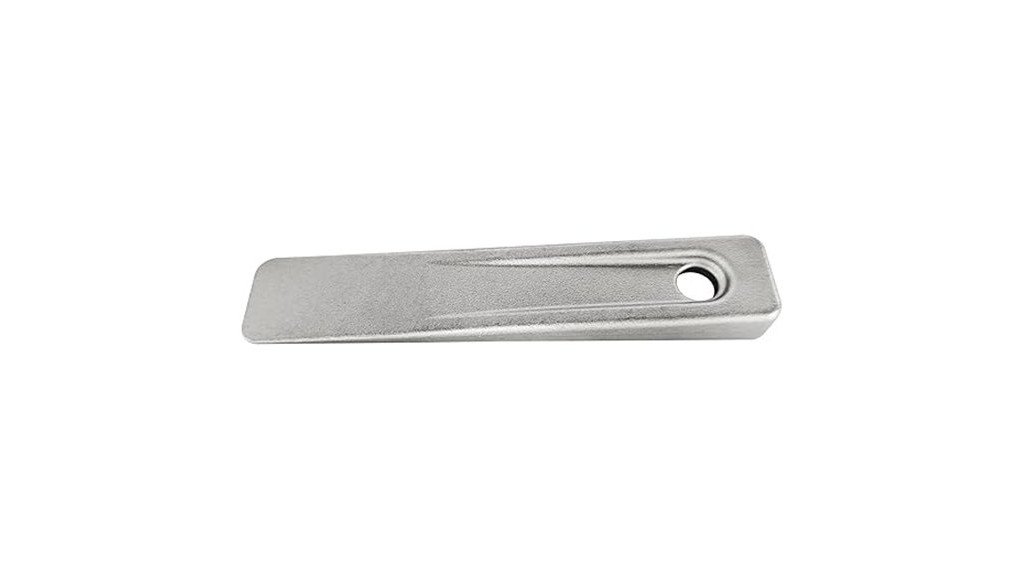
Getting a pipe, machine base, or workpiece level can be frustrating when a small shift changes your weld fit-up. The WG-5 Welding Wedge is a compact 5-inch setup wedge made for spacing, leveling, and alignment work in welding, pipe fitting, machining, woodworking, and shop maintenance. Its simple tapered shape gives you a firm reference point while you adjust parts, but it is not a certified lifting device or a replacement for proper clamps, stands, blocks, or fixtures. This review explains the specs, best uses, limits, and buying points so you can decide if this wedge fits your tool kit.
Quick Verdict
Rating: 8.2/10
Best For: Welders, pipefitters, machinists, and maintenance workers who need a compact wedge for alignment, spacing, and leveling.
Bottom Line: The WG-5 Welding Wedge is useful because its 5-inch length, 1-inch width, and 1/2-inch thick end give you controlled setup support in tight shop spaces. The main tradeoff is that no rated load capacity is stated in the supplied article details, so you should use it as an alignment aid instead of a primary heavy-load support.
| Specification | Detail |
|---|---|
| Model | WG-5 |
| Product type | Welding wedge / setup wedge / pipe fitting wedge |
| Design | Tapered wedge with a thin entry end and a 1/2-inch thick end |
| Length | 5 inches |
| Width | 1 inch |
| Thick end | 1/2 inch |
| Material | High-hardness alloy steel, as stated in the source article |
| Best use | Pipe alignment, welding setup, machine leveling, spacing, woodworking, and automotive maintenance |
| Compatibility | Useful with equipment and workpieces that need small leveling, spacing, or alignment adjustments |
| Rated load capacity | Not stated in the supplied article details |
| Safety note | Use it as a setup and alignment aid. Do not rely on it as the only support under a heavy or suspended load unless official product instructions state it is rated for that use. |
What Is the WG-5 Welding Wedge?
The WG-5 Welding Wedge is a small tapered steel wedge used to position, space, and level work during shop setup. Its 5-inch length gives you enough contact area for common alignment jobs, while the 1-inch width helps it fit into tighter spaces than a larger block or shim stack.
The 1/2-inch thick end is the main working reference point. You can use it to raise one side of a workpiece slightly, hold a small gap, or fine-tune equipment placement before clamping, welding, fitting, or machining. That makes it useful for welders and pipefitters, but it can also help in maintenance work, drill press setup, woodworking, and automotive repair tasks.
The design is intentionally simple. You do not need power, batteries, moving parts, or setup hardware. You slide the thin end into position, make a small adjustment, then secure the work with the correct clamps, stands, blocks, or fixtures before you continue.
Before You Buy: The supplied article details do not state a specific rated load capacity. Treat the WG-5 as a positioning, leveling, and spacing wedge, not as your only support under heavy equipment, suspended material, or unstable workpieces.
Who Should Buy It?
Best For
- Welders who need a compact wedge for fit-up, spacing, and setup work before final clamping.
- Pipefitters who need a quick way to make small alignment adjustments during layout or tack prep.
- Shop workers who set up planers, shapers, milling machines, drill presses, or maintenance equipment.
Skip If
- You need a certified lifting wedge with a published load rating.
- You need a full shim kit with several thicknesses and sizes.
- You need a non-marring wedge for finished wood, painted surfaces, trim, or delicate parts.
Product Features and Specifications
The WG-5 uses a basic wedge profile, but that simple shape is what makes it useful. You can slide the thin end into a gap and use the thicker end as a stable reference point while you adjust the workpiece or equipment. This helps when a part needs a slight lift, a controlled space, or a better starting angle before final clamping.
The 5-inch by 1-inch size is compact enough for a toolbox, welding cart, or pipefitting kit. It is not bulky, and it does not require extra setup time. For many shop tasks, that makes it faster to grab than stacking random scrap pieces or using an unstable makeshift spacer.
Design and Build Quality
The tapered shape gives you gradual adjustment instead of one fixed height. That matters when you are trying to bring a pipe, machine part, or workpiece into position without overshooting the gap. The 1/2-inch thick end also gives you a clear reference point when you need repeatable spacing.
The 1-inch width helps the wedge fit where wider blocks may not work. That can be helpful around flanges, fixtures, machine beds, or tight work areas. The tradeoff is that one small wedge cannot replace a complete shim set, large alignment fixture, or rated support system.
Material Quality and Durability
The source article describes the WG-5 as being made from high-hardness alloy steel. That matters because a wedge used around pipe, machines, and metal workpieces needs to resist bending, chipping, and deformation during normal setup pressure. A softer wedge may flatten or lose its shape faster, which can make alignment less repeatable.
The steel construction also makes the WG-5 better suited to industrial and shop environments than plastic or wood wedges. It can handle rough handling, toolboxes, welding tables, and repeated placement under metal parts. Still, you should inspect it often. If the edges become mushroomed, cracked, heavily burred, or deformed, stop using it for precision setup work.
Safety Benefits and Performance Improvement
A good setup wedge can improve control by reducing awkward balancing during layout and alignment. When you need to level a part or prevent a machine component from tilting during setup, the WG-5 gives you a more predictable contact point than loose scraps or random blocks.
It can also improve accuracy. The tapered shape lets you make small changes without moving the whole workpiece by hand. For welding, that can help you hold a better gap before tack welding. For machine setup, it can help you position work on planers, shapers, milling machines, and similar equipment before you lock everything down.
- Helps stabilize small setup adjustments before clamping or welding.
- Provides a repeatable reference edge for spacing and leveling.
- Reduces the need for unsafe makeshift spacers during shop work.
Pro Tip: Use the WG-5 to position the work, then secure the workpiece with the correct clamps, stands, fixtures, or supports before welding, cutting, drilling, or machining.
Versatility in Various Applications
The WG-5 is not limited to one welding task. You can use it for pipe alignment, flange fit-up support, mechanical leveling, machine setup, construction spacing, drill press work, woodworking layout, and automotive maintenance. Its small size helps when you need a quick wedge in a tight work area.
For pipefitting, it can help you hold a small adjustment while you check fit and alignment. For woodworking or maintenance work, it can help with temporary spacing or leveling. For machine setup, it can support small positioning changes on planers, shapers, milling machines, and similar equipment before the part is secured.
How It Performs in Real Use
For Pipe Alignment
In pipe alignment work, the WG-5 is useful when you need a small controlled lift or spacing adjustment. The tapered profile lets you start low and move gradually until the fit looks right. It is especially helpful before final clamping or tack welding.
For Welding Fit-Up
For welding prep, the wedge can help you hold a gap or improve part position while you check the joint. It should not replace proper clamps, but it can make setup faster when you are working with irregular parts or uneven surfaces.
For Machine and Shop Setup
In machine setup, the WG-5 can help position work on planers, shapers, milling machines, drill presses, or similar equipment. The 1/2-inch thick end gives you a clear reference point, which helps when you need a repeatable spacer instead of a random piece of scrap.
For Woodworking and Automotive Maintenance
For woodworking and automotive tasks, the wedge works best as a temporary positioning aid. Because it is steel, you should be careful around finished surfaces, paint, trim, or soft material. Use a protective layer when you need to avoid marks.
How to Use It Correctly
Start by placing the thin end of the wedge into the gap or under the area that needs a small lift. Slide it in slowly and check the position often. Avoid hard hammering unless the task and surface can handle it, because heavy striking can damage the wedge, the workpiece, or nearby equipment.
Once the part is aligned, secure it with the right clamps, stands, blocks, or fixtures. The wedge should help you reach the correct position, but it should not be the only thing keeping a heavy part from moving. After use, wipe off dust, grit, moisture, oil, or metal debris before storage.
Common Mistakes to Avoid
Do not use the WG-5 as a shortcut for proper support. A wedge can help you position a part, but it should not be the only thing holding a heavy or unstable workpiece in place. Use rated stands, clamps, blocks, or fixtures when the job calls for them.
Do not slide the steel wedge across finished surfaces without protection. It can leave marks on paint, wood, trim, or coated parts. If appearance matters, place a suitable protective layer between the wedge and the surface, then check that the wedge still sits securely.
Do not keep using the wedge if the working edges become cracked, mushroomed, deeply rusted, or badly burred. Damaged edges can reduce accuracy and create handling hazards.
Compatibility and Safety
The WG-5 works best with jobs that need small spacing, leveling, or alignment changes. It is not meant to solve every fit-up problem. If the gap is too large, the load is unstable, or the surface angle can let the wedge slip, use a more secure setup method.
Always wear the right shop protection for the task, including eye protection, gloves when appropriate, and welding PPE when welding is involved. Keep your hands clear of pinch points, especially when lowering parts, tightening clamps, or making adjustments around heavy material.
Importance for Professionals in the Field
Small setup tools often save more time than they appear to. The WG-5 helps you make controlled adjustments without hunting for scrap shims or unstable blocks. That can reduce setup frustration and help you work more consistently.
For professionals, the biggest value is repeatability. A known 5-inch wedge with a 1/2-inch thick end is easier to trust than whatever scrap is nearby. It gives you a simple reference point for leveling, spacing, and alignment work across welding, pipe fitting, machine setup, and maintenance jobs.
Pros and Cons
Pros
- Compact 5-inch length fits easily in a welding cart, toolbox, or pipefitting kit.
- 1-inch width helps it fit into narrow setup spaces.
- 1/2-inch thick end gives you a useful reference point for spacing and leveling.
- Steel construction is better suited to shop use than wood or plastic wedges.
- Useful beyond welding, including machine setup, woodworking, and automotive maintenance.
Cons
- No specific rated load capacity is stated in the supplied article details, so use caution with heavy equipment.
- Steel can mark soft, painted, coated, or finished surfaces if you do not protect them.
- One size may not replace a full shim set, larger wedge, or rated support fixture.
Cleaning and Maintenance
Cleaning is simple. Wipe the wedge after use to remove grit, metal dust, oil, moisture, or shop debris. If it gets wet, dry it before storage to reduce the chance of surface rust.
For longer life, store it in a dry toolbox, drawer, or welding cart tray. Check the edges before precision work. If the wedge has burrs, mushroomed edges, deep rust, cracks, or visible deformation, it may no longer give you accurate contact or safe handling.
Is It Worth the Price?
The WG-5 Welding Wedge is worth considering if you often need a small, rugged setup aid for alignment, spacing, or leveling. It is a simple tool, so the value comes from how often you use it rather than from extra features.
It offers strong value if you work around pipe, welding tables, shop machines, or maintenance equipment and need quick small adjustments. It is not the best fit if you need a certified lifting wedge, a published load rating, or a full set of different wedge sizes.
How It Compares to Alternatives
Compared with scrap metal shims or wood blocks, the WG-5 gives you a more consistent shape and a tougher shop-ready material. Scrap pieces can work in a pinch, but they may vary in thickness, sit unevenly, or shift when you adjust the work.
Compared with a full shim kit, the WG-5 is simpler and faster to grab, but it gives you less thickness variety. Compared with larger setup wedges, it makes the most sense when you need a compact tool for tight spaces and small adjustments. If you work on larger machinery or heavy structural pieces, you may need bigger wedges, rated supports, or a dedicated alignment fixture.
Frequently Asked Questions
What is the WG-5 Welding Wedge used for?
It is used for small alignment, spacing, and leveling adjustments during welding, pipe fitting, machine setup, woodworking, and maintenance work. You can use it to help position a part before you secure it with clamps, stands, or fixtures.
What size is the WG-5 Welding Wedge?
The wedge measures 5 inches long and 1 inch wide, with a 1/2-inch thick end. This compact size makes it useful in tight shop spaces where larger blocks or wedges may not fit well.
Can it support heavy equipment?
The supplied article describes the wedge as resistant to bending under pressure, but it does not provide a specific rated load capacity. Use it as a setup and alignment aid, and rely on properly rated stands, blocks, jacks, or fixtures for heavy support.
Is it only for welding?
No. While it is useful for welding and pipe fitting, it can also help with machine setup, drill press work, woodworking, automotive maintenance, and general mechanical leveling. The key use is controlled spacing or positioning.
Will the steel wedge damage finished surfaces?
It can mark soft, painted, coated, or finished surfaces because it is a metal wedge. Use a protective layer when surface appearance matters, and avoid sliding it across delicate finishes.
How should you position the wedge safely?
Place the thin end into the gap slowly, check the part often, and keep your hands clear of pinch points. Once the part is aligned, secure it with the right clamps, stands, blocks, or fixtures before welding, drilling, cutting, or machining.
How do you clean and maintain it?
Wipe it clean after use and remove moisture, grit, oil, and metal debris before storage. Inspect it for burrs, cracks, rust, or deformation before using it for precise setup work.
Who should skip this wedge?
Skip it if you need a tool with a published load rating, a non-marring wedge, or a complete shim kit with multiple thicknesses. It is best for simple setup adjustments, not specialized lifting or finished-surface work.
The Bottom Line
The WG-5 Welding Wedge is a smart buy if you need a compact steel wedge for welding fit-up, pipe alignment, machine setup, and general shop leveling. Its main strength is the simple, durable 5-inch design, while its main limitation is the lack of a stated rated load capacity. Choose it for positioning and setup work, but skip it if you need a certified support or lifting tool.