Your plasma tip gives you clues long before it fails. Wear patterns can point to parameter errors, poor maintenance, wrong consumables, weak gas flow, or bad height control. Learn what each failure mode means, so you can fix the cause instead of replacing parts by guesswork.
What’s in This Article
- Using Consumables Until They Blow
- Changing Consumables Too Soon
- Using the Wrong Parameters and Parts for the Job
- Assembling the Torch Incorrectly
- Neglecting Routine Maintenance
- Not Checking Gas and Coolant Flow
- Piercing Too Low, Cutting Speed Errors, and Arc Stretching
- Frequently Asked Questions
- Final Tips for Longer Plasma Tip Life
Quick Answer
Plasma tips wear out too fast when you run consumables past spec, use the wrong parts, pierce too low, cut at the wrong speed, or skip gas, coolant, and torch checks. You can extend tip life by following the manufacturer’s cut chart, checking consumables by condition, keeping the torch clean, and logging wear by job type.
Key Takeaways
- Replace consumables by measured wear, not by habit or failure.
- Match nozzle, electrode, amperage, gas, speed, and material before every job.
- Check torch assembly, gas flow, coolant flow, and standoff before problems show in the cut.
- Use correct pierce height to reduce spatter, arc snuffing, and early nozzle damage.
- Track consumable life so you can spot drift before it causes downtime.
Using Consumables Until They Blow
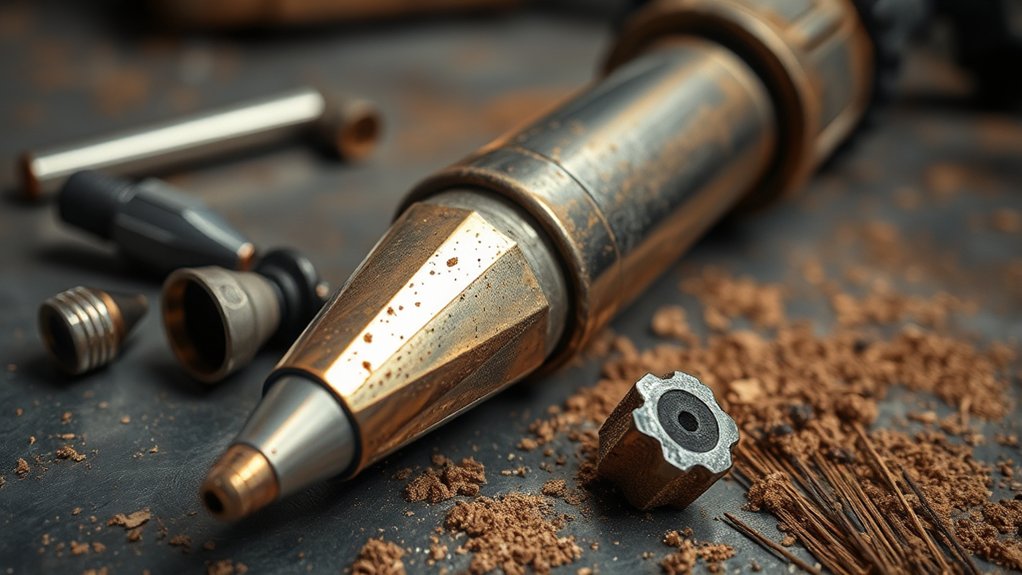
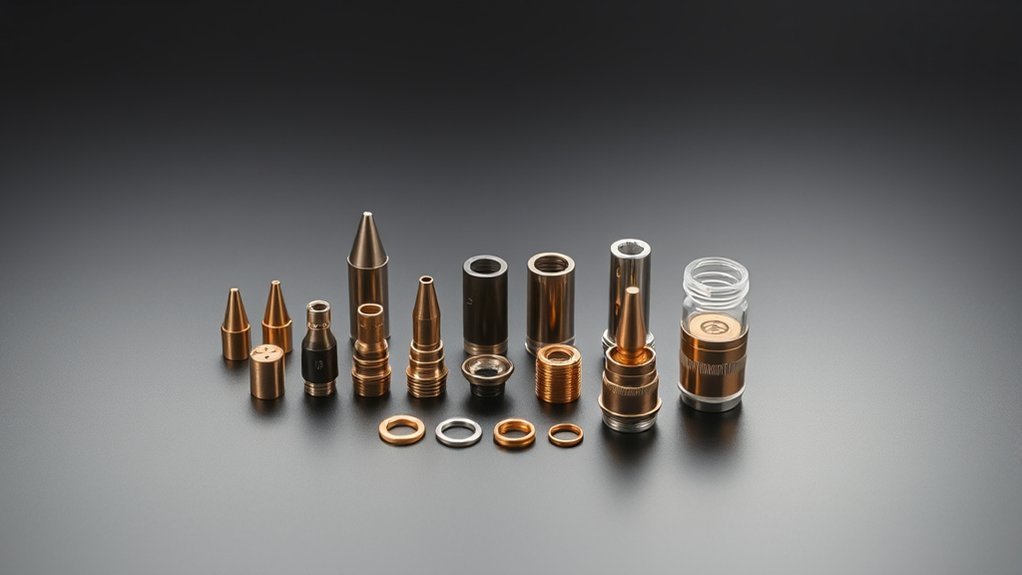
A consumable may still strike an arc after it moves beyond spec. That doesn’t mean you should keep cutting with it. Worn nozzles, electrodes, and shields can trigger overheating, double-arcing, and molten spatter buildup.
Treat worn consumable detection as a control point. Listen for tonal shifts or sputter. Watch for arc color changes, torch height wobble, or a wider kerf, since these signs can point to orifice erosion or electrode pit growth.
Treat consumable wear as a control point: tonal shifts, green or white arc color, and height wobble can signal serious erosion.
Set clear replacement limits before parts fail. Inspect the stack-up, including the nozzle, electrode, swirl ring, and shield, against the maker’s size and surface standards.
Log average life by material, thickness, amperage, duty cycle, and gas quality. Use those records to spot short life before the torch body, leads, or cut quality suffer.
This approach protects cut quality, reduces scrap, and keeps throughput more stable.
Products Worth Considering

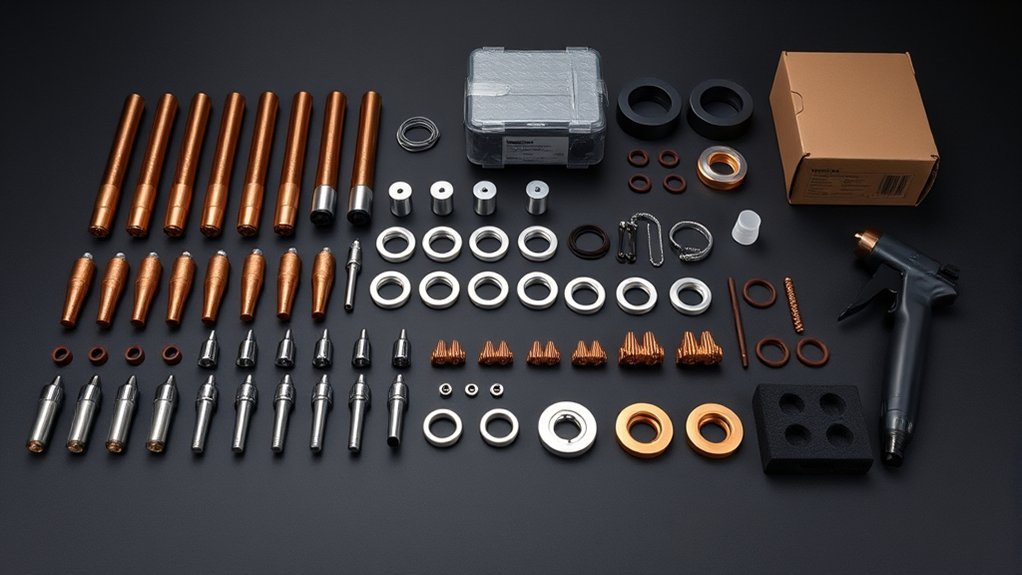
⚡【Precision Compatibility】 Exact fit for YESWELDER CUT 55DS Pro & 65DS (2019-2024 models). Replaces OEM# IPT40-55DS/65DS.

10 pcs TIPS (Extended) /10 pcs ELECTRODE (Extended) /10 pcs SHIEDED-CUP/10 pcs GAS RING

PACKAGE INCLUDED: 5 Pcs Cup-15 Pcs Electrodes-10 Pcs Ring-30 Pcs Tip(Standard)
Changing Consumables Too Soon
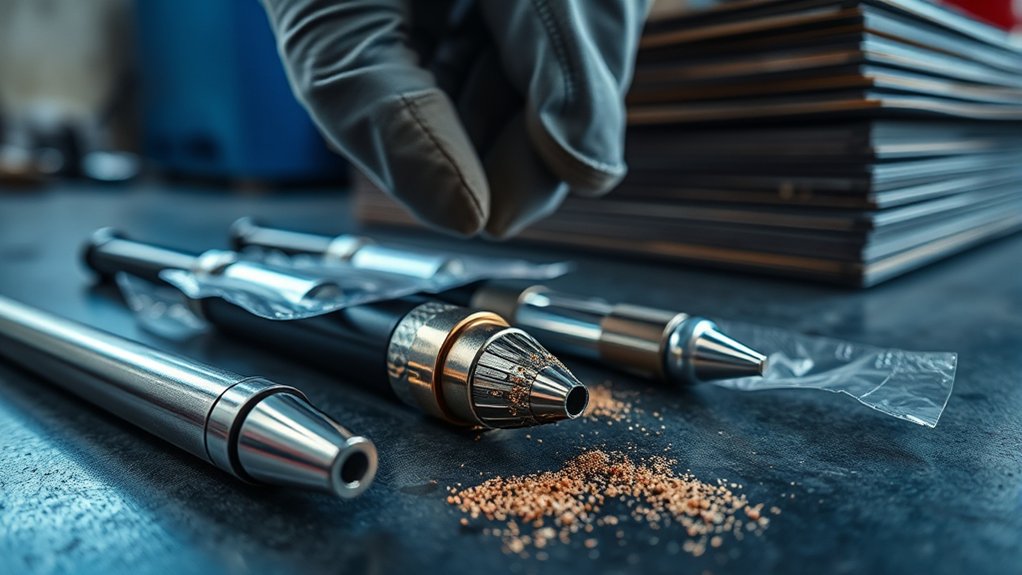
Running parts to failure costs money, but changing them too early can waste just as much. Early swaps also hide setup problems that shorten consumable lifespan.
Set an inspection frequency based on arc-on hours and cut count. Make go/no-go decisions from wear evidence, not the calendar.
Check nozzles under magnification when possible. Replace for gouges, oval holes, or bell-mouth wear that changes kerf width or arc shape. Keep clean, round, serviceable parts in use.
For electrodes, measure the hafnium pit. A deep or cratered pit means the electrode has reached end of life. A shallow, even pit means the part may still have useful service left.
Treat gas swirl rings as durable parts. Replace them for cracks, burns, distorted bores, or clear heat damage. If you only find dirt, clean the part and return it to service.
Regular condition-based evaluations extend part life, stabilize cut quality, and lower operating cost. Use records, not guesswork.
Using the Wrong Parameters and Parts for the Job
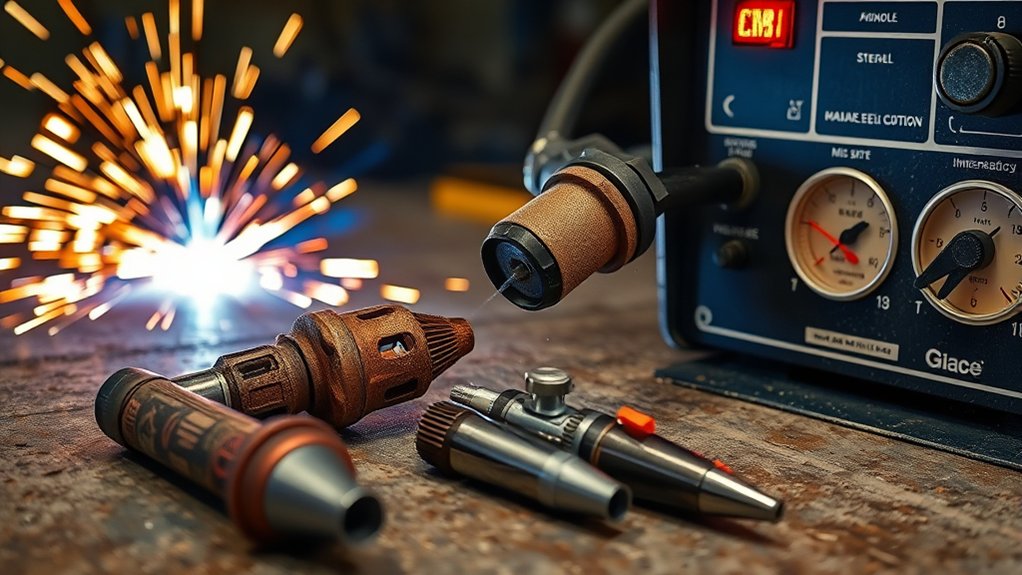
Small parameter errors can speed up tip erosion and weaken the arc column. You increase heat at the orifice and swirl ring when you ignore consumable compatibility, material type, thickness, or nozzle rating.
The operator’s manual should guide every setup. Use it to match nozzles, electrodes, shields, gas, and amperage to the workpiece.
Running above the nozzle’s rating overheats the constricting orifice. That heat enlarges the hole, weakens arc focus, adds dross, and shortens consumable life.
Undersetting current can also cause trouble. Low current may extend arc-on time and increase the chance of double-arcing during a pierce.
Follow the manufacturer’s cut charts. Match nozzle size to material thickness, set amperage inside the listed range, and verify gas pressure and travel speed.
When parameters fit the job, you protect tip shape, improve arc stability, and get cleaner edges with fewer changeouts.
Pro tip: Keep a printed cut chart near the machine so operators can confirm settings before the first pierce.
Products Worth Considering

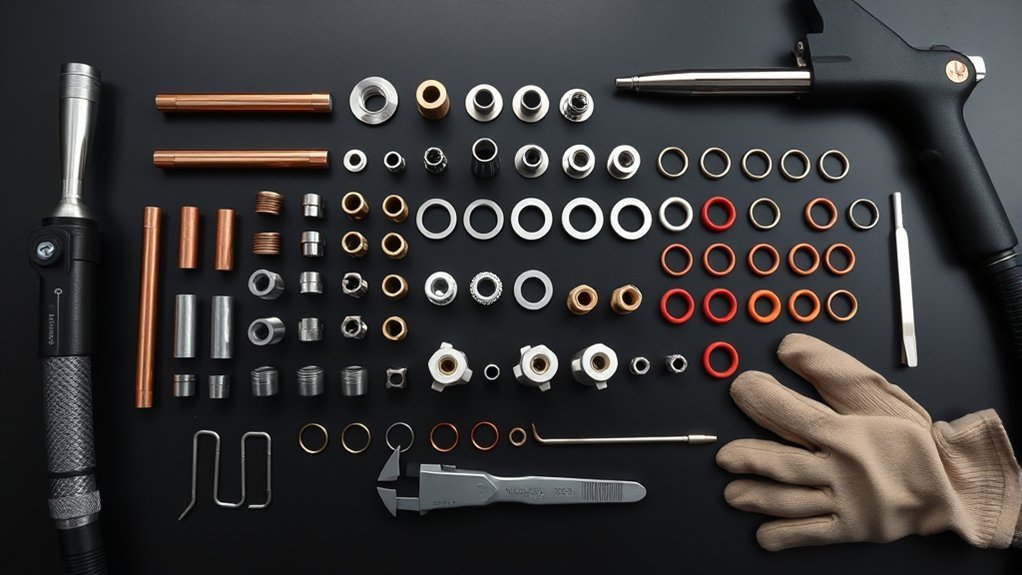
[Achieve Precise Cuts] PT31 Plasma Cutting Consumables – Your Essential Tool for Efficient Cutting! Whether you're working with sheet metal, steel, or any other material, superior cutting performance ensure clean, accurate, and smooth cuts.

Fit for: SG-55 AG-60 plasma cutter torch head.

Package Include: 10 Shield Cups, 50 Nozzles, 20 Swirl Baffle, and 30 Electrodes.
Assembling the Torch Incorrectly
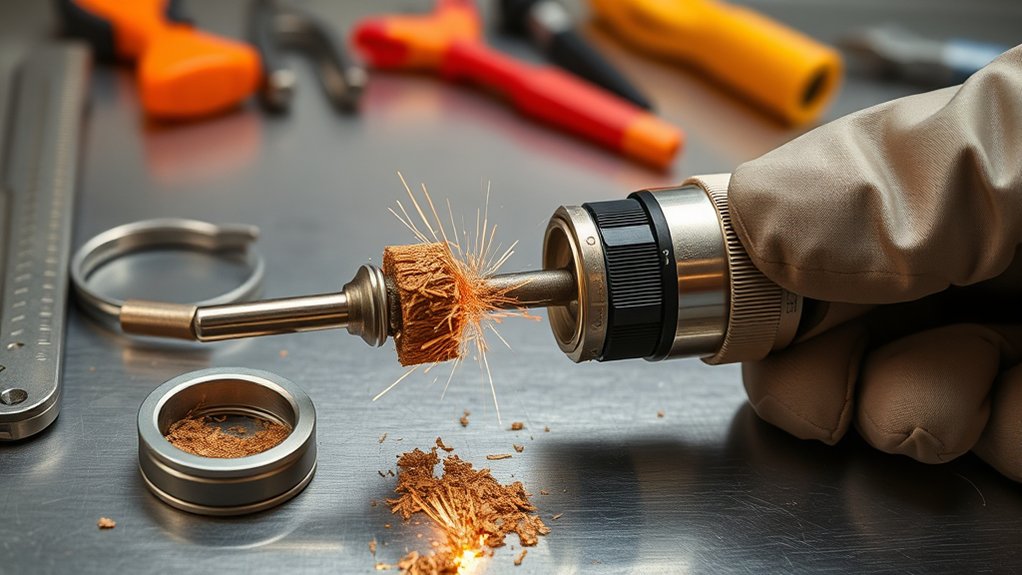
Poor torch assembly can weaken electrical contact and disturb gas flow. Mis-seated electrodes, skewed nozzles, and loose retaining caps create hot contact points and uneven gas paths.
Those faults can cause micro-arcing, double-arcs, and uneven cooling. Over time, they erode the orifice and shorten consumable life.
Check torch alignment every time you rebuild the front end. Verify the assembly order, seat each consumable fully, and tighten the retaining cap to the maker’s torque or snug standard.
Keep the assembly area clean. Dirt on threads, seats, or mating faces can raise resistance and cause heat. Use clean gloves when possible.
Don’t use grease on torch parts unless the manufacturer calls for it. Petroleum residue can carbonize, track current, and clog gas passages. Use only the original equipment manufacturer (OEM) approved O-ring lubricant, and apply as little as needed.
Before you power up, perform a visual and tactile check. Confirm the nozzle and electrode sit concentric, O-rings look sound, and gas paths stay clear.
Neglecting Routine Maintenance
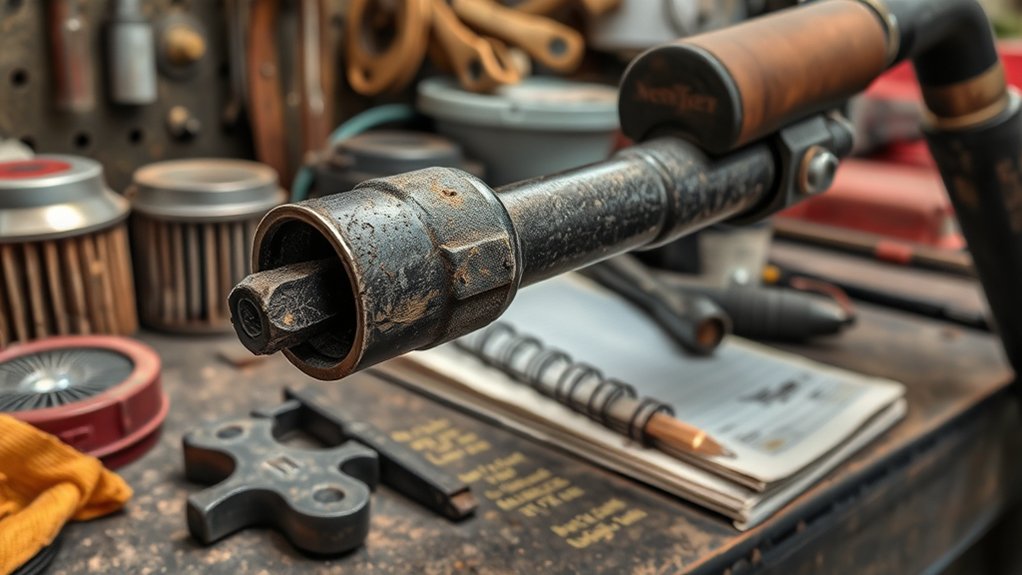
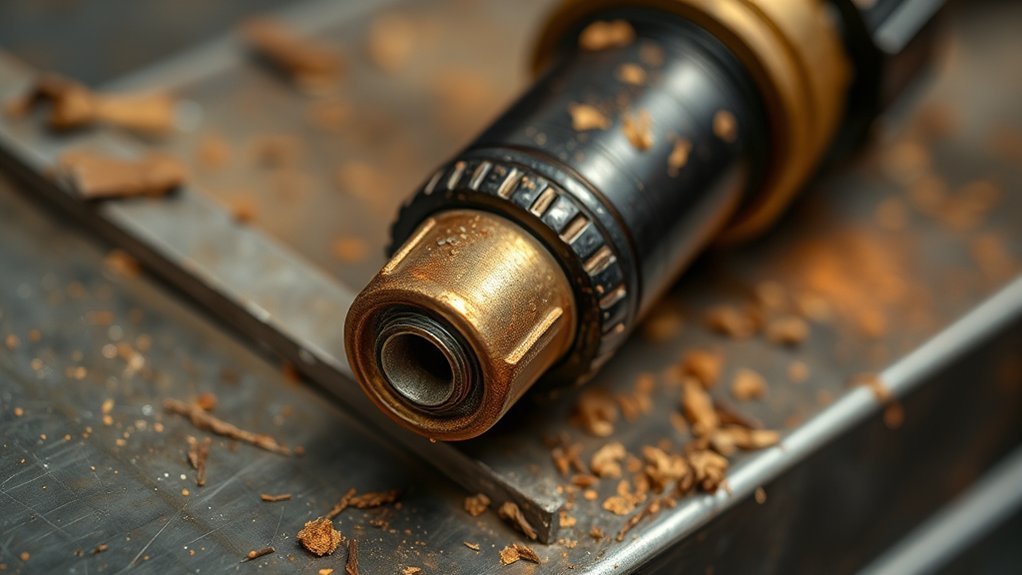
Correct assembly won’t save a torch that you never service. Without preventive maintenance, dirt and metal dust build up on nozzles, electrodes, retaining caps, and torch seats.
Dirt in threads and mating surfaces increases resistance. That resistance creates local heat, uneven current transfer, premature wear, more dross, and weaker kerf quality.
Set a maintenance schedule based on arc-on hours and consumable changes. At each interval, disassemble the front end, wipe parts with lint-free swabs, and use only approved cleaners.
Check threads, seats, and O-rings for residue, cuts, or nicks. Inspect contact surfaces for pitting and discoloration. Replace parts that fall outside spec instead of stretching service life.
Reassemble the torch to the correct torque to preserve fit and sealing. Skipping these checks lets contamination build until heat damage, sudden consumable failure, downtime, and scrap become more likely.
Not Checking Gas and Coolant Flow
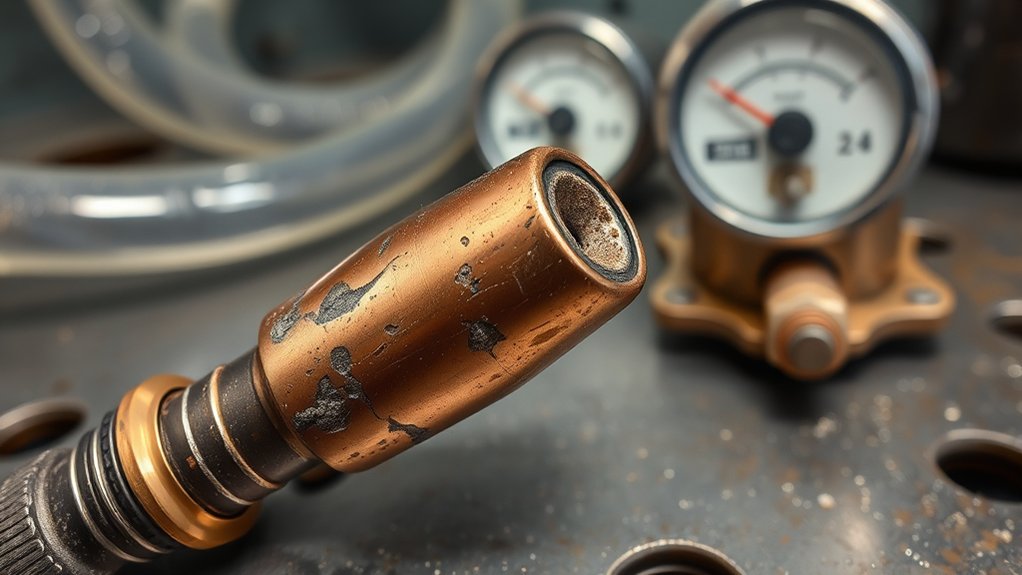
A correctly assembled torch still needs the right gas pressure and coolant flow. Poor flow creates thermal and electrical instability that can destroy tips fast.
You need stable gas flow and adequate coolant levels to keep arc energy and part temperature within spec. Low gas pressure weakens arc focus and erodes the orifice. Too much pressure can upset the arc column and cause double-arcing.
Set and lock regulators inside the manufacturer’s pressure range. Then confirm pressure with a calibrated gauge at the torch inlet when your setup requires it.
Perform daily checks before cutting. Validate gas flow under load, inspect filters and dryers, and purge lines to remove moisture or debris that can cause arc wander and tip oxidation.
Check coolant level and verify actual flow with sight glasses, flow switches, or the machine’s built-in checks. Insufficient flow overheats copper parts and can damage insulators.
Track pressure, flow, and temperature if your system supports it. Fix leaks, clogged filters, and cooling issues before you resume cutting.
Warning: Never keep cutting when gas or coolant flow falls outside the manufacturer’s range.
Piercing Too Low, Cutting Speed Errors, and Arc Stretching
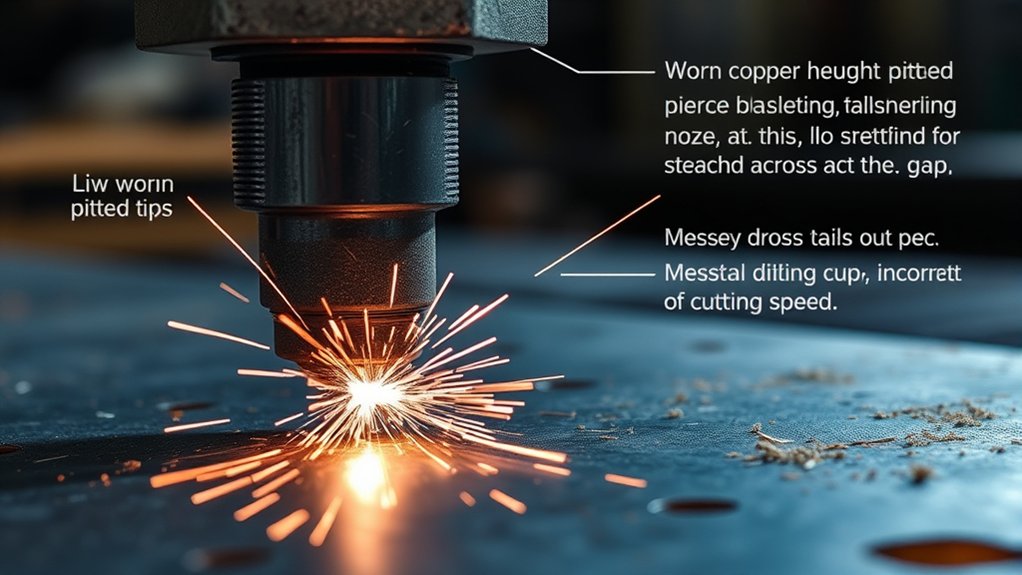
You can reduce tip wear by setting the correct pierce height before the arc starts. Many cut charts call for a pierce height about 1.5 to 2 times the cut height, but you should follow your machine’s chart.
Hold cutting speed inside the equipment’s listed range. Slow cutting can cause heavy dross and wider kerfs. Fast cutting can cause bevel, narrow kerfs, and poor edge quality.
Prevent arc stretching by keeping proper standoff during motion. Start at the plate edge when the job allows it, then verify setup through test cuts and routine inspection.
Correct Piercing Height
Good piercing height protects consumable longevity and cut quality. Use disciplined piercing techniques to hold the torch at the listed pierce height before it moves down to cut height.
If you pierce too low, spatter can blow back into the nozzle. That spatter overheats the orifice, may snuff the arc, and speeds up wear. If you pierce too high, the arc elongates and can misfire or lose stability.
Calibrate torch height control so the torch pierces at the programmed stand-off. Then let it descend only after the pierce delay finishes.
Use edge starts when the part design allows it. For interior cuts, program lead-ins and lead-outs that move the arc away from the nozzle face.
Validate the setup with cut-voucher inspections. Check orifice roundness, spatter marks, and edge bevel before production runs.
Optimized Cutting Speed
Once pierce height works, control cut speed and stand-off through the whole cut. Low pierce height can still cause spatter and arc snuffing, even if the cut speed looks right.
Use the listed pierce height, then move to the specified cut height. Keep the torch at that height as the cut moves across the plate.
Cutting speed optimization matters. Too slow creates low-speed dross and molten blowback. Too fast narrows the kerf, bevels the edge, and increases heat stress on tips.
| Symptom | Likely Cause | Corrective Action |
|---|---|---|
| Heavy dross | Speed too slow | Increase inches per minute (IPM); verify amperage |
| Beveled edge | Speed too fast | Reduce IPM; match nozzle rating |
| Narrow kerf | Over-speed | Decrease speed; stabilize torch height control (THC) |
| Spatter on tip | Low pierce height | Set pierce height from the cut chart |
Prevent Arc Stretching
Three variables drive arc stability and tip life: pierce height, cut speed, and stand-off. Set pierce height from the manufacturer’s chart, and confirm that the torch reaches proper cut height after the pierce.
Use arc stability checks before production. Verify height with your torch height control, index settings for material thickness, and confirm voltage setpoints.
Cutting speed errors make wear worse. Too fast narrows the kerf and bevels the edge. Too slow creates dross and heat buildup.
Prevent arc stretching by holding the correct stand-off. Excess distance stretches the arc and can burn the nozzle.
Use nozzle protection strategies when possible. Edge-start cuts, avoid lingering in the kerf, and inspect height routinely when material varies.
Frequently Asked Questions
How Does Ambient Humidity Affect Plasma Tip Lifespan?
Ambient humidity can shorten plasma tip life by adding moisture to the gas stream. Moisture can promote corrosion, oxide buildup, arc instability, micro-pitting, and faster orifice erosion. Use dry gas, filters, desiccant dryers, and dew-point checks when your environment runs humid.
Can Power Supply Quality or Surges Wear Tips Faster?
Yes. Poor power quality and voltage spikes can reduce arc stability, speed up erosion, and cause small cracks or pits. Use a stable supply, proper grounding, surge protection, and equipment that meets the manufacturer’s electrical requirements.
Do Different Gas Mixtures Impact Tip Bevel and Dross?
Yes. Gas composition affects arc heat, edge shape, bevel, oxidation, and dross. Match gas type, tip geometry, current, and pressure to the material and thickness listed in your cut chart.
How Does Torch Lead Length Influence Tip Wear?
Longer torch leads can increase resistance and inductance, which may reduce arc stability. You can reduce wear risk by using the correct cable gauge, keeping leads in good condition, and following the manufacturer’s bend-radius and duty-cycle limits.
Are Aftermarket Swirl Rings Compatible Without Accelerating Wear?
Aftermarket swirl rings may work if they match OEM dimensions, materials, clearances, and heat ratings. Poor fit can disturb gas flow, reduce concentricity, and cause fast nozzle wear. Check compatibility before you place them in production.
Final Tips for Longer Plasma Tip Life
You control tip life more than you may think. Most failures trace to avoidable causes: wrong parameters, poor assembly, skipped maintenance, weak flow, or consumables run past spec.
Set standoff, current, and gas according to the OEM chart. Verify swirl ring orientation, log nozzle and electrode changeouts, and check gas and coolant flow before each shift.
Treat the torch like a calibrated system. Measure wear, document changes, and adjust the process early so tips fail on schedule, not by surprise.