Choosing Powermax Pro 80 consumables is not just a matter of matching threads or buying the cheapest nozzle kit. You need parts that match the torch body, amperage, gas or air setup, cut mode, standoff, and material thickness. The safest approach is to confirm the exact part numbers against the system manual, then ask the supplier for dimensional data, batch traceability, and cut-performance proof before you order.
Quick Answer
Powermax Pro 80 consumables should be selected by exact torch model, amperage, nozzle orifice, electrode style, shield type, and cut process. Do not rely on “compatible” wording alone. Verify part numbers with the system manual, inspect wear regularly, and request supplier documentation before using aftermarket parts in production.
Key Takeaways
- Match electrodes, tips, shields, retaining caps, and swirl rings as a complete set, not as random single parts.
- Treat “OEM-level” or percentage-performance claims as supplier claims unless they come with real test data.
- Poor air quality, wrong standoff, worn nozzles, and damaged electrodes can cause bevel, dross, misfires, and short consumable life.
- Ask for drawings, material specs, batch traceability, and warranty terms before buying high-volume aftermarket consumables.
At a Glance
| Time Required | 10–20 minutes to verify part numbers and inspect the torch; longer if you are comparing suppliers. |
| Difficulty | Moderate. Fit is simple, but choosing the wrong consumable set can hurt cut quality and torch life. |
| Tools Needed | System manual, part-number chart, clean gloves, magnifier, air-quality check, and supplier spec sheet. |
| Cost | Varies by OEM or aftermarket source, amperage range, kit size, and documentation level. |
Company Info
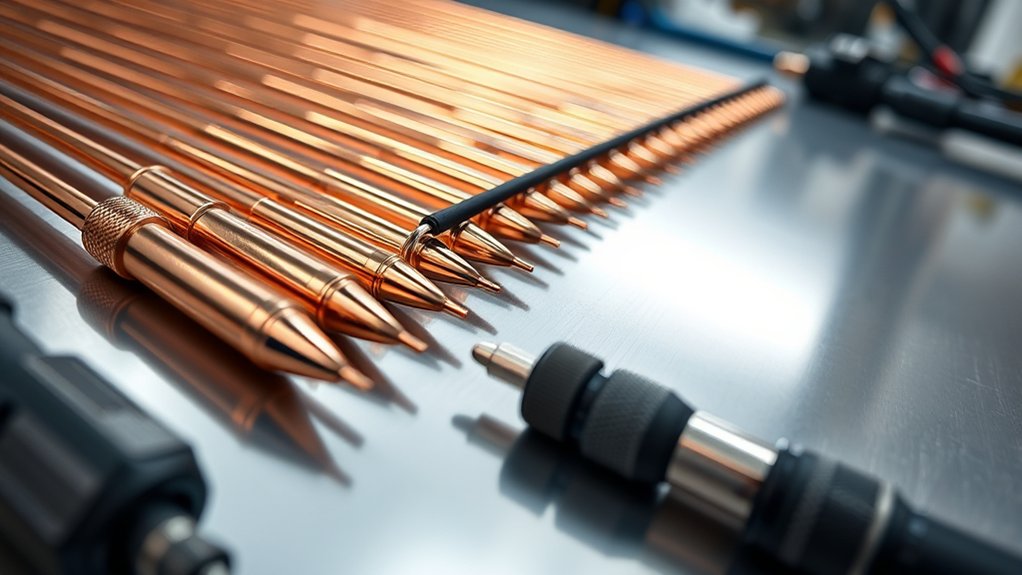
Changzhou Forman Welding Equipment Co., Ltd. is presented as a supplier of plasma cutting consumables for Powermax-style torch applications. When you evaluate a supplier like this, focus less on broad claims and more on proof: exact part-number cross-references, drawings, material specifications, sample cuts, and batch consistency.
A compatible consumable is only useful if it matches the exact torch body, amperage, gas flow, cut mode, and standoff your machine requires.
If a supplier says its consumables reach a certain percentage of OEM performance, ask how that number was measured. Useful proof may include kerf-width data, cut-angle samples, pierce-count testing, electrode wear photos, material certificates, and quality-control records from the same production batch you plan to buy.
You should also ask whether the parts are intended for genuine Powermax equipment, a Powermax-compatible torch, or a separate Pro 80-style torch. Those are not the same buying decision. A part can look similar and still have the wrong orifice size, shield geometry, swirl pattern, or heat-handling capacity.
Note: “Compatible” does not automatically mean “OEM-approved.” Before using aftermarket consumables on production work, check your machine manual, warranty terms, and the supplier’s written compatibility chart.
Basic Info
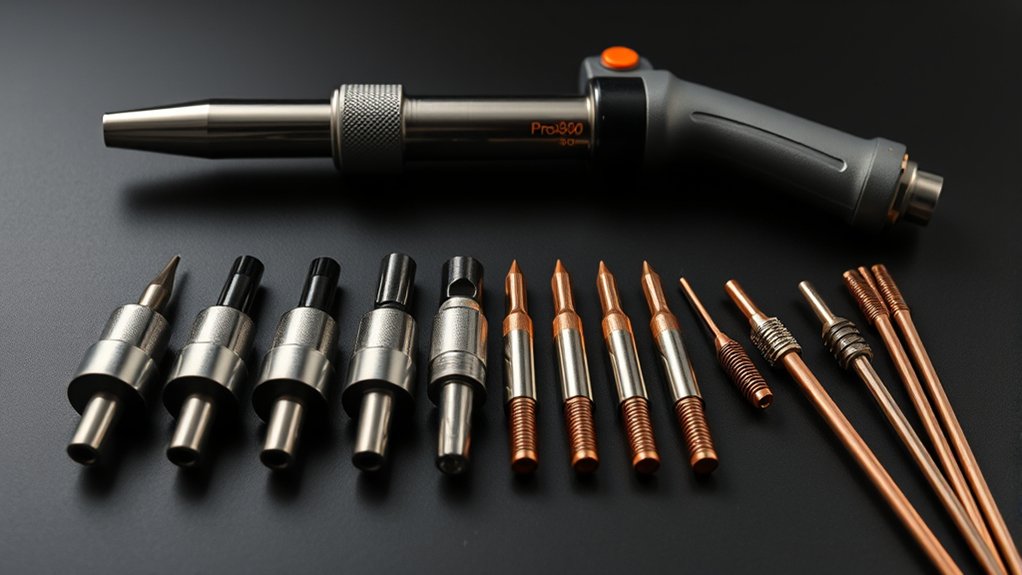
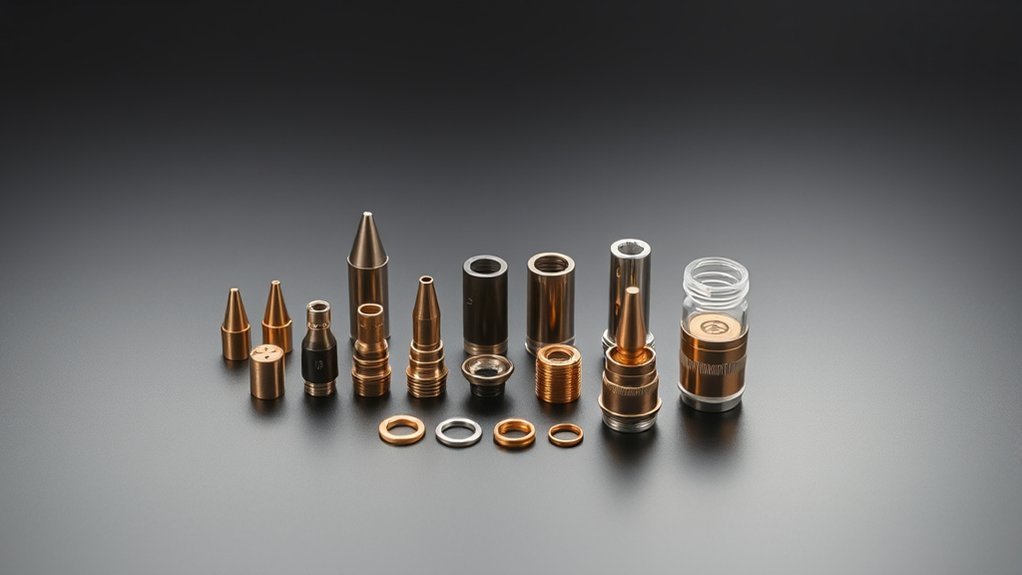
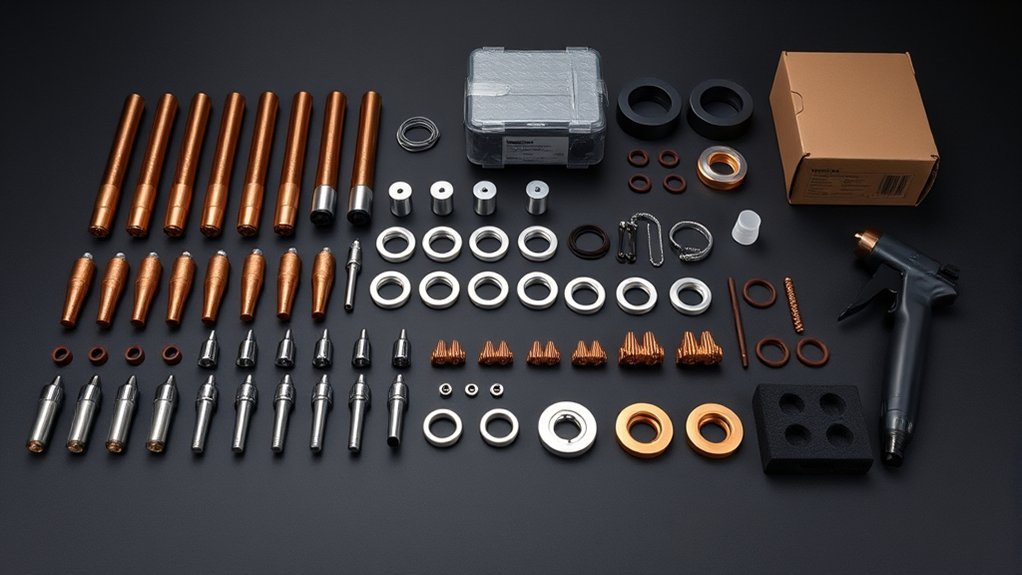
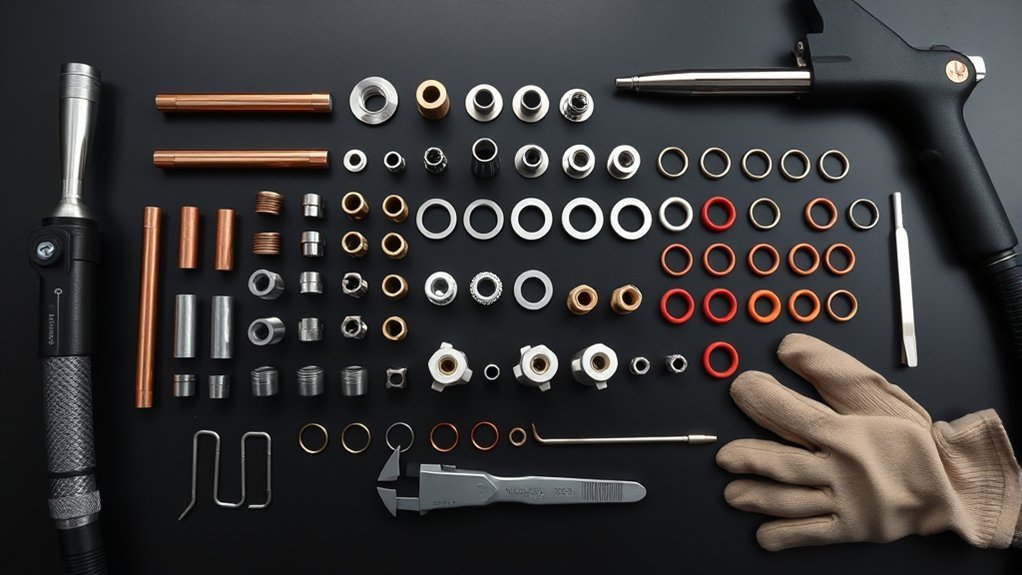
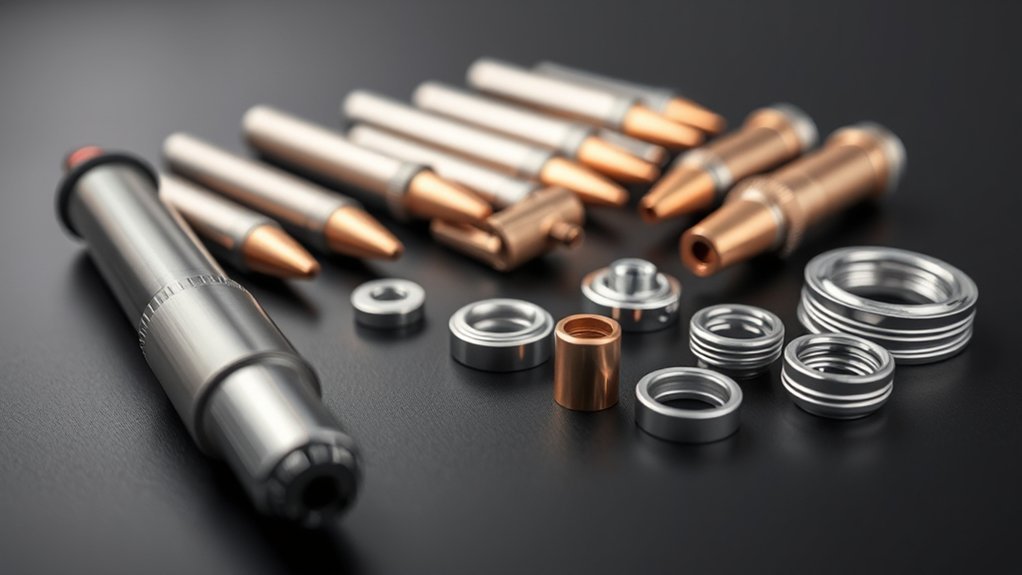
A typical Powermax Pro 80 consumable set may include electrodes, nozzles or tips, shields, retaining caps, and sometimes swirl rings. These parts work together to shape the plasma arc, control gas flow, protect the torch, and maintain consistent cut quality.
The electrode carries the arc and usually contains an emissive insert. The nozzle controls the arc opening. The shield helps protect the nozzle from spatter and keeps the arc at the correct relationship to the workpiece. The retaining cap holds the stack in alignment, and the swirl ring helps guide gas flow inside the torch.
Small dimensional differences can matter. A nozzle that is slightly out of round, an electrode with a poor insert, or a shield with the wrong geometry can cause rough edges, excess dross, wider kerf, angularity, misfires, or shorter torch-part life.
For the best result, choose consumables by the job instead of buying one general kit for everything. Match the set to your amperage, material type, thickness, cut speed, pierce method, standoff, and air quality. For official Powermax documentation and consumable charts, use the manufacturer’s support documents as your starting point: Hypertherm support documents.
Compatibility With Powermax Pro 80 Systems
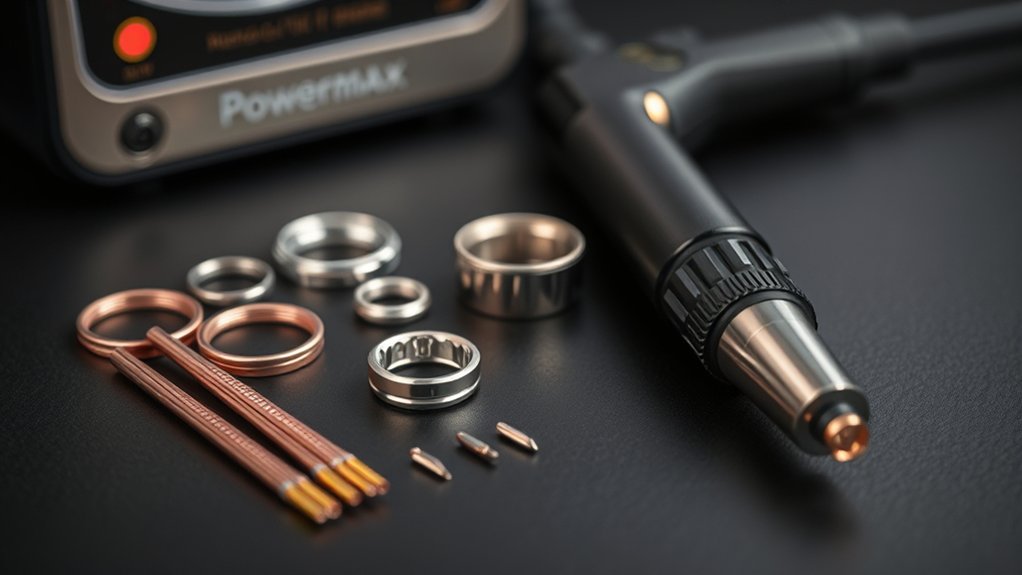
Compatibility starts with the exact torch and consumable chart, not just the phrase “Powermax Pro 80.” Before ordering, confirm the torch body, rated amperage, cut mode, nozzle type, shield type, electrode style, retaining cap, and swirl ring. If the supplier cannot provide a clear cross-reference, do not guess.
Use this checklist before you buy:
- Confirm the machine and torch model from the nameplate or manual.
- Match the electrode, nozzle, shield, cap, and swirl ring as a complete set.
- Check whether the set is for drag cutting, mechanized cutting, gouging, fine cutting, or standard hand cutting.
- Match amperage to the nozzle and electrode rating.
- Confirm recommended standoff, gas pressure, and air-flow requirements.
- Ask whether the supplier has tested the consumables on the same torch style you use.
Warning: Do not change torch consumables while the system is energized, pressurized, or hot. Disconnect power, follow your shop’s lockout/tagout procedure, let the torch cool, release stored pressure according to the manual, and wear proper PPE.
Using the wrong combination can cause poor arc starts, double-arcing, excessive heat at the nozzle, or damage to nearby torch parts. If your work is structural, coded, or production-critical, test the consumables on scrap material first and compare edge quality, dross, angularity, and cut speed against your normal baseline.
Products Worth Considering

[Achieve Precise Cuts] PT31 Plasma Cutting Consumables – Your Essential Tool for Efficient Cutting! Whether you're working with sheet metal, steel, or any other material, superior cutting performance ensure clean, accurate, and smooth cuts.

PACKAGE INCLUDED: 5 Pcs Cup-15 Pcs Electrodes-10 Pcs Ring-30 Pcs Tip(Standard)

Fit for : AG-60 AG-60P SG-55 WSD-60 Plasma cutter torch head
Key Consumables: Tips, Electrodes, Shields, and Caps
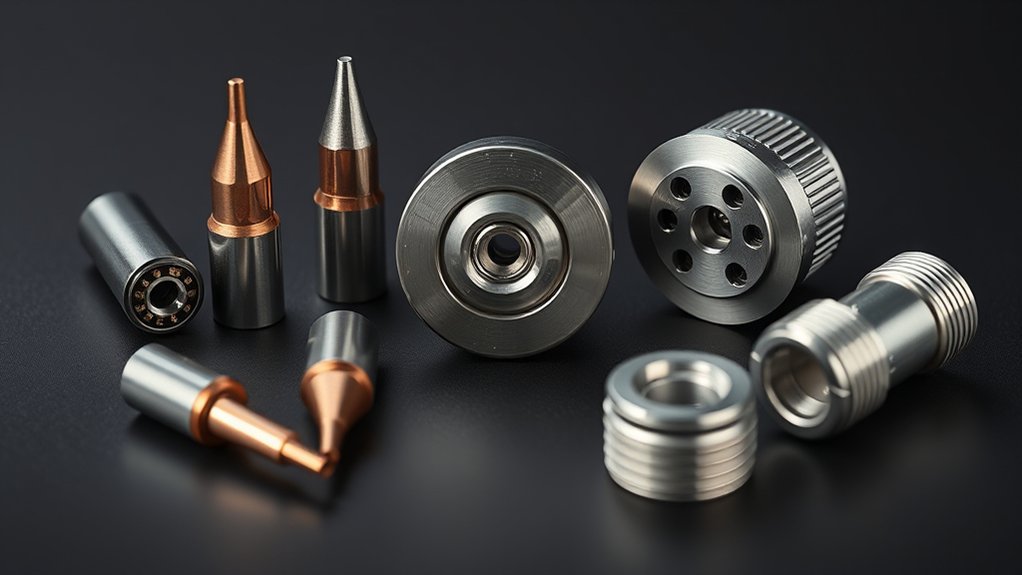
The main consumables in a Powermax Pro 80-style torch each have a different job. Good cut quality depends on the stack working as a matched system.
| Consumable | What It Does | What to Check |
| Electrode | Carries the arc and supports stable plasma generation. | Pitting, insert wear, discoloration, and uneven erosion. |
| Nozzle or tip | Shapes the arc and controls kerf width. | Out-of-round opening, spatter, gouging, or enlarged orifice. |
| Shield | Protects the nozzle and helps maintain the right cutting relationship to the plate. | Spatter buildup, blocked holes, heat damage, or physical distortion. |
| Retaining cap | Holds the consumable stack in place. | Thread damage, cracks, poor seating, or heat marks. |
| Swirl ring | Controls gas flow inside the torch. | Cracks, blocked passages, contamination, or wrong part number. |
Do not mix parts from different amperage sets unless the manufacturer or supplier chart specifically allows it. One mismatched part can undo the benefit of the rest of the stack.
Products Worth Considering

Fit for: SG-55 AG-60 plasma cutter torch head.

APPLICATION: These consumables can work with L-TEC PT-31, JG-40 and WSD-LG40 Cutting Torch, these torches for Plasma cutting machines such as CUT-40, CUT-40D,LGK-40, CT312, CT312D,CT416,CT416D,CT518, CT518D, Super160, Super160P etc.*For 40 and 50 Amps Cutting Machine

Fit for: AG-60 AG-60P SG-55 WSD-60 Plasma cutter torch head
Performance Benefits and Service Life
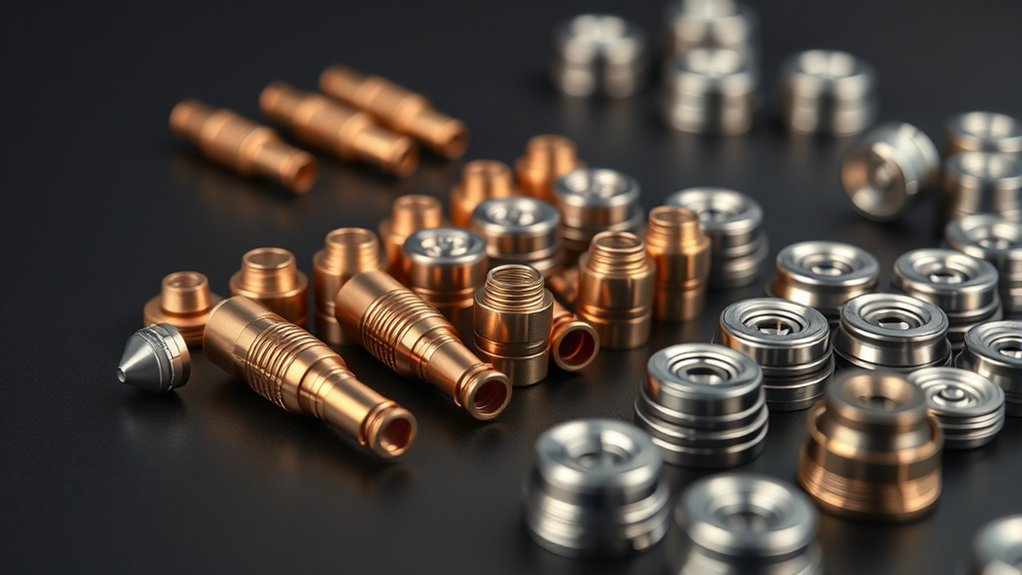
Good consumables help produce cleaner kerfs, steadier arc starts, less dross, and more predictable cut angles. They also help protect the torch from heat damage and reduce the number of interruptions during production work.
Service life depends on more than the consumable itself. Pierce count, material thickness, amperage, arc starts, air quality, standoff, travel speed, and operator technique all affect how long a nozzle or electrode lasts. If you cut dirty plate, pierce too low, drag a non-drag setup, or run wet compressed air, even a good consumable can fail early.
Watch for these replacement signs:
- The arc starts inconsistently or takes more attempts than usual.
- The kerf becomes wider than normal.
- The cut edge develops more bevel or roughness.
- Dross increases even though settings have not changed.
- The nozzle opening looks oval, enlarged, or damaged.
- The electrode pit is deep, uneven, or surrounded by heavy discoloration.
- The torch sounds rough or unstable during a cut.
Pro Tip: Keep a simple consumable log. Track install date, amperage, material, pierce count, cut length, and reason for replacement. After a few weeks, you will know whether a supplier’s parts are actually saving money.
If you need formal cut-quality language, standards such as ISO 9013 for thermal cutting quality can help frame terms like cut angle, surface quality, and dimensional tolerance. For everyday shop work, the most useful comparison is still your own baseline: same machine, same material, same settings, and a fresh known-good consumable set.
Selection Guide and Model Cross-References
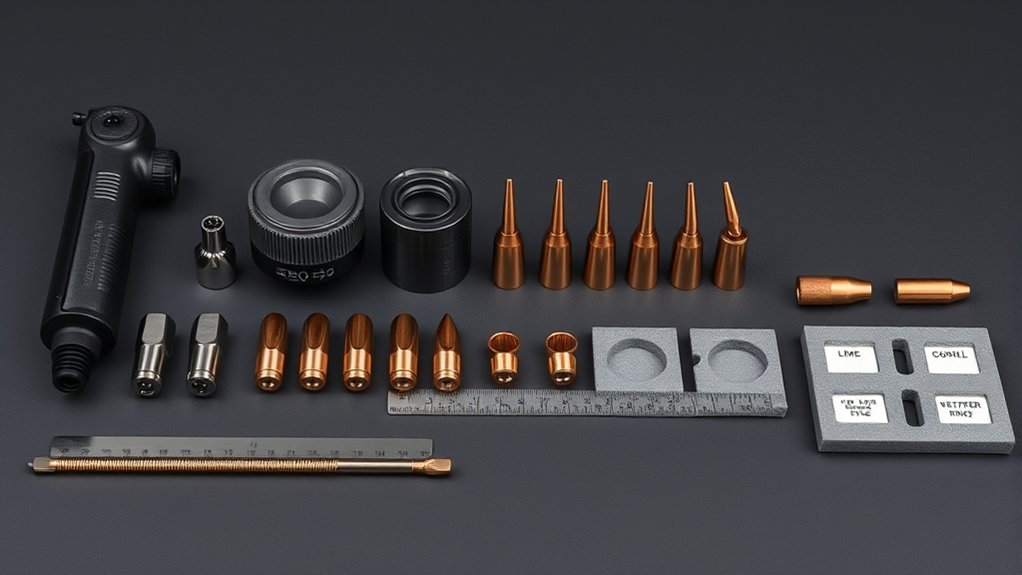
Use a cross-reference chart only as a starting point. A reliable chart should show the OEM reference number, supplier part number, torch body, amperage, cut mode, and matching parts in the same set. If the chart only says “fits Powermax Pro 80” without details, ask for clarification before buying.
Follow this selection process:
- Identify the torch: Check the machine label, torch model, and manual. Do not rely on memory or old invoices.
- Choose the cut process: Hand cutting, mechanized cutting, gouging, drag cutting, and fine cutting may use different parts.
- Match amperage: Use the nozzle and electrode rating designed for your cutting current.
- Confirm gas or air requirements: Clean, dry, oil-free air is critical for stable arc starts and consumable life.
- Verify the whole stack: Electrode, nozzle, shield, cap, and swirl ring should match the same chart.
- Test before production: Cut sample pieces and compare cut angle, dross, edge roughness, and part life.
For official Powermax product and consumable information, begin with Hypertherm Powermax resources and the manual for your exact system. A third-party cross-reference should support the manual, not replace it.
Air Quality, Standoff, and Operating Conditions
Consumables fail early when the cutting environment is poor. Moisture, oil, and dirt in compressed air can affect arc quality and increase nozzle wear. A clogged filter, weak compressor, or pressure drop at the torch can make a good consumable look bad.
Standoff also matters. Too close, and the nozzle may overheat or double-arc. Too far, and the cut can widen, bevel, or leave more dross. Follow the torch manual and cut chart for your setup, then make small changes only after you know the consumables are correct.
Temperature and humidity matter mainly because they affect condensation and air quality. Instead of assuming hotter is better, focus on clean, dry air, correct pressure, and stable shop conditions. Drain tanks, service filters, and check air lines before blaming the nozzle or electrode.
Send Your Message to This Supplier
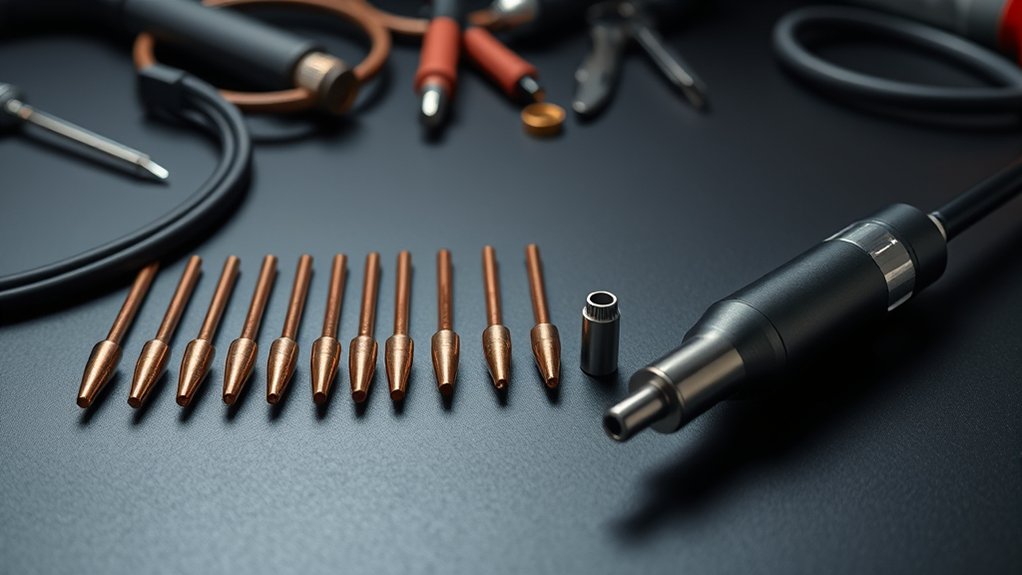
When you contact a supplier, send complete details so the quote is accurate. Include the machine model, torch body, current part numbers, amperage, material type, thickness range, cut process, expected monthly usage, and whether you need OEM parts or aftermarket compatible parts.
Ask for these details before ordering:
- Part-number cross-reference with the exact consumable stack.
- Dimensional drawings or tolerance data for the electrode and nozzle.
- Material information for copper, brass, inserts, and coatings.
- Batch traceability and packaging labels.
- Cut-test photos or reports on mild steel, stainless steel, or aluminum.
- Recommended amperage, gas pressure, standoff, and cut mode.
- Warranty terms and whether the parts are approved for your torch.
- Lead time, shipping method, Incoterms, and minimum order quantity.
If you run high-volume production, ask for sample packs before a bulk order. Test the samples with your normal settings and compare them with your current consumables. The lowest price is not a saving if the parts shorten torch life, slow cutting, or increase rework.
Storage, Handling, and Recycling
Store consumables in clean, dry, labeled containers. Keep electrodes, nozzles, shields, caps, and swirl rings separated by part number so they are not mixed at the bench. Use clean gloves when handling parts that contact gas flow or seating surfaces.
Do not leave consumables loose in a drawer where grit can enter the nozzle or damage sealing surfaces. For humid shops, sealed bins with desiccant packs can help reduce corrosion and contamination.
Spent copper and brass parts may be recyclable if they are separated and not contaminated with shop debris. For environmental programs, look for recyclers or waste partners that follow recognized systems such as ISO 14001 environmental management or SERI R2 practices, when applicable.
Frequently Asked Questions
How should consumables be stored to prevent corrosion or contamination?
Store them in sealed, labeled containers away from moisture, grinding dust, oil, and loose metal chips. Keep each part number separated, use clean gloves when handling precision surfaces, and rotate stock so older parts are used first.
What safety precautions apply when changing torch consumables?
Turn off and disconnect the system, follow lockout/tagout rules where required, let the torch cool, release stored pressure according to the manual, and wear proper PPE. OSHA’s control of hazardous energy guidance is a useful safety reference for service work.
Are aftermarket Powermax Pro 80 consumables safe to use?
They can be useful when they are correctly matched and well made, but you should not assume every aftermarket part is equal. Confirm the exact cross-reference, test samples, review warranty limits, and avoid parts with unclear labeling or no supplier documentation.
How do ambient temperature and humidity affect cut quality?
Humidity can lead to moisture in compressed air, which may hurt arc stability and shorten consumable life. Temperature can also affect condensation and air-system performance. The practical fix is clean, dry, oil-free air, serviced filters, and pressure checked at the torch.
What troubleshooting steps fix inconsistent arc starts?
Install a fresh matched consumable set, check electrode and nozzle wear, verify air pressure and flow, clean the work clamp contact point, confirm standoff, and inspect the torch for damaged threads, seals, or blocked gas passages. If the problem continues, compare with OEM consumables and consult the system manual.
When should electrodes and nozzles be replaced?
Replace them when arc starts worsen, the nozzle opening becomes oval or enlarged, the electrode pit is deep or uneven, cut edges become rough, dross increases, or cut angle changes without a settings change. Do not wait until the torch misfires constantly.
Conclusion
You can choose Powermax Pro 80 consumables confidently when you treat fit, documentation, and testing as part of the buying process. Match the complete consumable stack to your exact torch, amperage, cut mode, air setup, and material thickness. Be careful with broad “OEM-level” claims unless the supplier can back them up with real data. Inspect parts regularly, keep air clean and dry, and replace worn electrodes and nozzles before cut quality drops. That approach protects your torch, improves repeatability, and helps you decide whether a supplier is truly worth using.
Sources
- Hypertherm Support Documents — official manuals and documentation for confirming system-specific consumables.
- Hypertherm Powermax Resources — manufacturer information for Powermax plasma cutting systems.
- OSHA Control of Hazardous Energy — safety reference for lockout/tagout before service work.
- OSHA Welding, Cutting, and Brazing — safety reference for hot work and cutting hazards.
- ISO 9013 Thermal Cutting Standard — quality language for thermal-cut geometry and tolerances.
- ISO 14001 Environmental Management — environmental-management reference for recycling and waste programs.