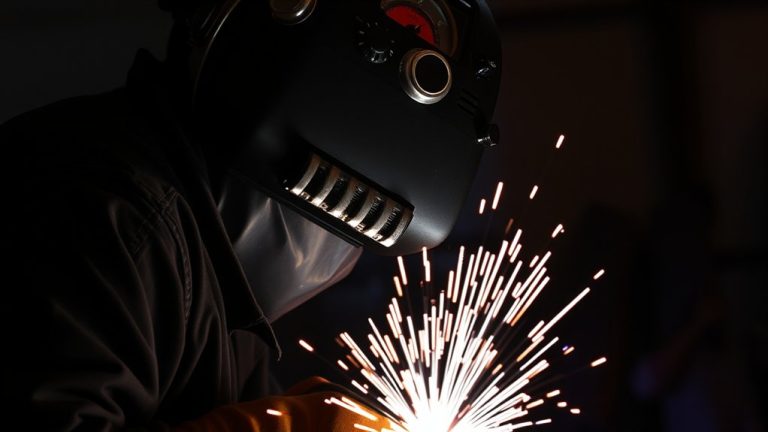
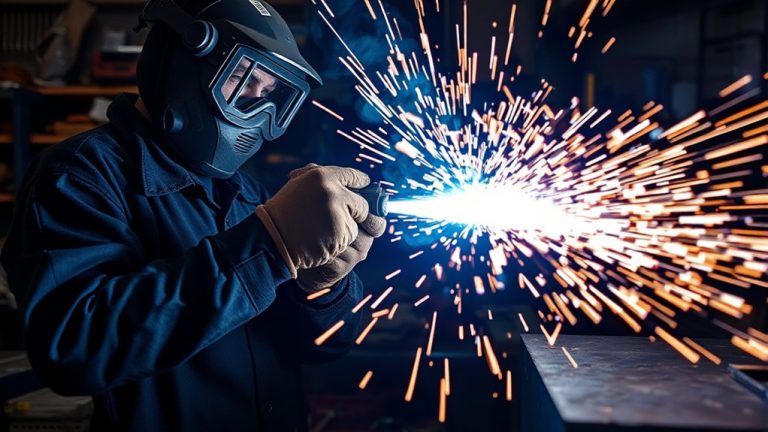
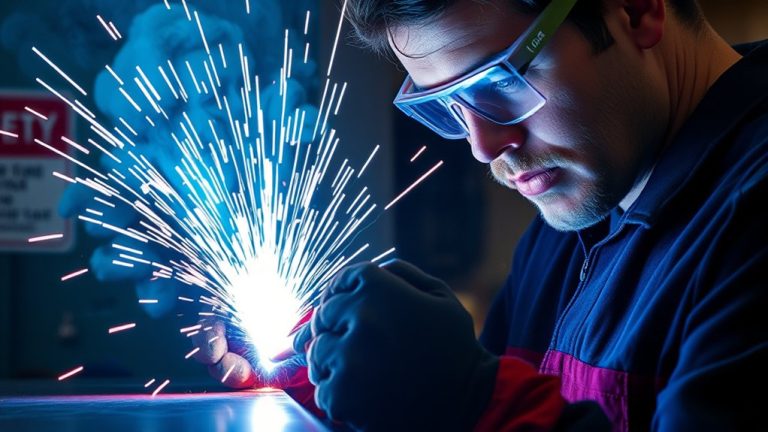
When you are plasma cutting, you need the right safety gear to protect yourself from serious hazards. You will need flame-resistant clothing like long-sleeve shirts and heavy pants to shield against intense heat. Do not forget sturdy, flame-resistant boots for foot protection. Leather gauntlet gloves are a must for your hands. Helmets with the correct shade filters and face shields offer essential protection for your eyes and face. Let us look at exactly what you need to stay safe in the shop.
Quick Answer
- Wear flame-resistant clothing, including long sleeves, heavy pants, and leather boots.
- Protect your hands and forearms with heavy-duty leather gauntlet gloves.
- Use a welding helmet with the correct filter shade (usually shade 5 to 11) based on your machine’s amperage.
- Wear ear protection for noise above 85 decibels and use a respirator to avoid inhaling toxic metal fumes.
- Keep a fire extinguisher nearby and clear all flammable materials within a 35-foot radius of your work area.
Essential Clothing for Plasma Cutting
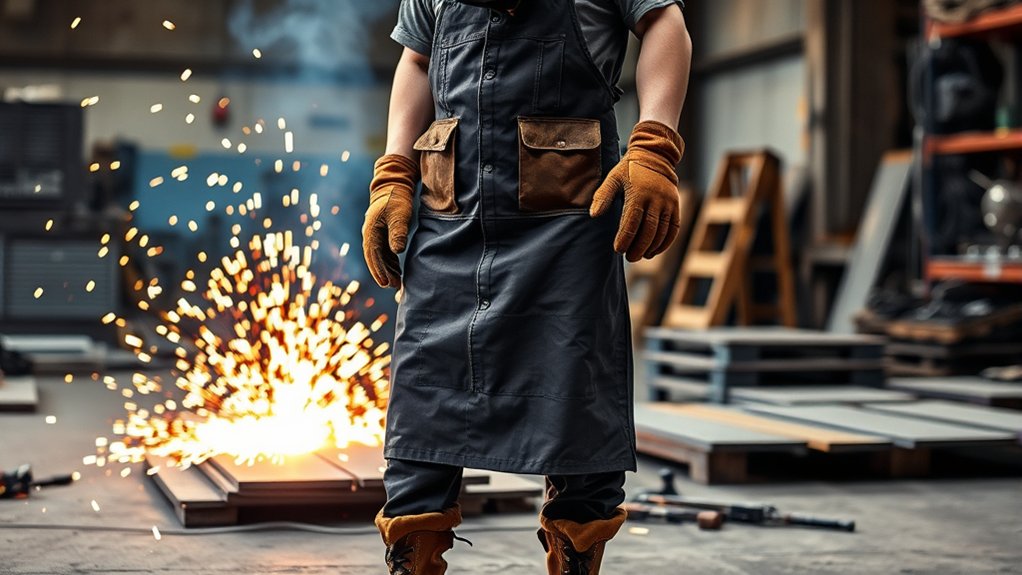
When you use a plasma cutter, wearing the right clothing is your first line of defense. Start with a flame-resistant long-sleeve shirt. This protects your upper body from sparks and intense heat. This protective layer ensures that flying debris and molten metal do not cause severe burns.
You should also wear long pants made from heavy, flame-resistant material like denim or treated cotton. These pants protect your legs from burns and hot metal slag.
Long pants made from heavy, flame-resistant material are crucial for protecting your lower body from burns and hot debris.
Fabric durability matters in a harsh shop environment. Choose materials designed to handle high heat and resist tearing. For extra protection, you can wear flame-resistant aprons and chaps. These give you a final layer of defense against hot sparks.
Protective Footwear Requirements
Your feet are in the direct line of fire for falling sparks and hot slag. Standard sneakers or synthetic shoes will melt quickly in a welding environment. Always wear heavy leather work boots. Steel-toe or composite-toe boots provide extra defense against heavy pieces of falling metal. Ideally, choose high-top boots and let your pant legs fall over the outside of the boots. This prevents hot sparks from dropping inside your shoes and causing severe burns.
Hand Protection: Gloves and Gauntlets
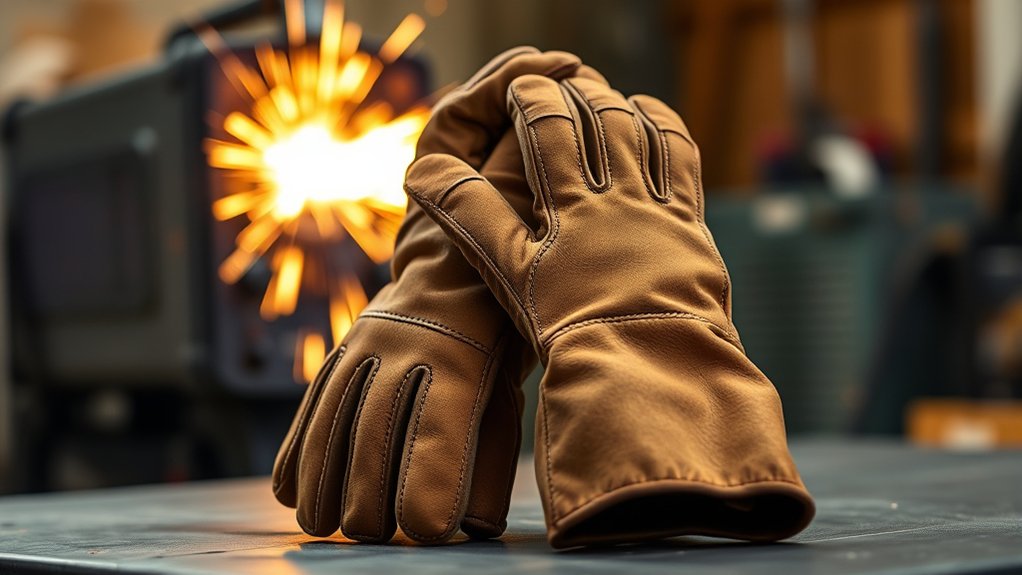
You must wear heavy leather gloves made specifically for welding and cutting. These protect your hands from heat, sparks, and sharp metal edges.
Choose gauntlet-style gloves that extend past your wrist. They protect your forearms from flying sparks and hot metal.
Always buy flame-resistant materials. Check your gloves often for holes or stiff spots to ensure they still protect you safely.
Leather Gloves Benefits
Leather gloves, especially gauntlet styles, are mandatory for plasma cutting. They offer excellent heat resistance and stop burns from sparks and molten metal. Good leather withstands daily wear and tear in harsh shop environments. Make sure your gloves fit well. A proper fit helps you grip tools securely and prevents cuts when handling sharp metal pieces.
| Benefit | Description | Importance |
|---|---|---|
| Heat Resistance | Protects from sparks and molten metal | Essential for safety during plasma cutting |
| Leather Durability | Withstands wear and tear | Ensures long-lasting hand protection |
| Glove Fit | Prevents cuts and abrasions | Enhances safety and precision |
| Grip and Dexterity | Maintains tool control | Critical for safe operations |
| Extended Coverage | Gauntlet style extends past the wrist | Extra protection from heat and sparks |
Do not compromise on your hand protection. Always choose high-quality leather.
Gauntlets for Extra Protection
Gauntlet gloves are critical for plasma cutting safety. They give you necessary protection for both your hands and forearms. They block heat, sparks, and sharp metal edges.
Manufacturers make these gloves from flame-resistant materials that survive extreme cutting temperatures. Because they extend past the wrists, they stop flying debris and molten metal from burning your skin.
Fit is very important. You need to maintain your hand dexterity so your torch does not slip. Look for gloves with reinforced palms and fingers. This adds durability and helps you grip heavy materials safely.
Heat Resistance Materials
It helps to understand heat-resistant materials when buying gloves. Leather is the top choice because it is durable and blocks intense heat, sparks, and hot metal.
Buy gloves with reinforced seams. This adds strength and stops accidental tearing. Make sure they fit snugly. Loose gloves can catch on equipment or make it hard to hold your torch safely.
Pair these with welding gauntlets to protect your wrists and forearms from flying debris.
Inspect your gloves regularly for wear. Replace them as soon as you see thin spots or damage.
Eye and Face Protection: Helmets and Shields
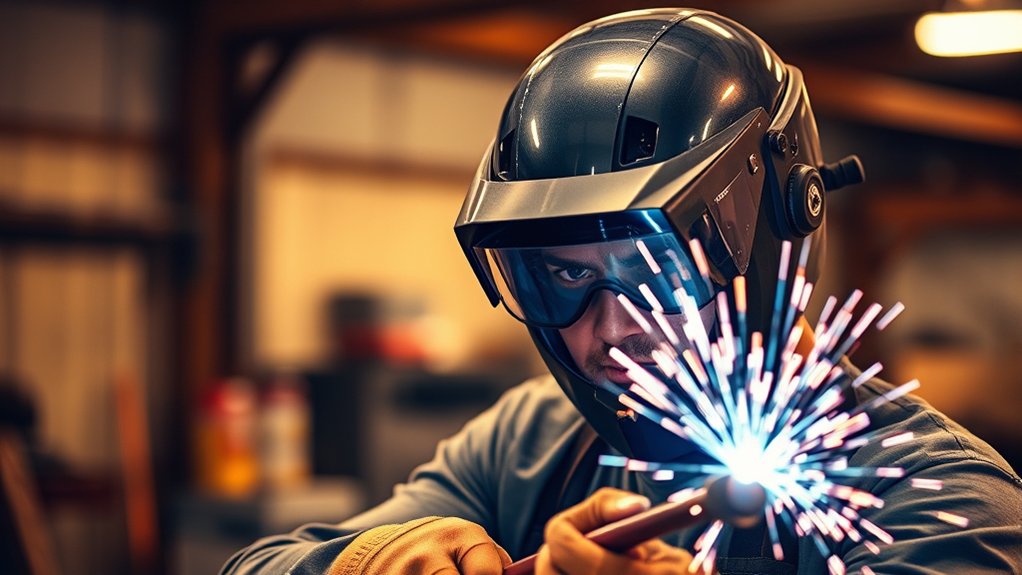
When picking eye and face protection, your helmet needs a filter shade of at least 5 or 6 for standard plasma cutting. This blocks harmful radiation from the arc.
You can also use face shields for extra defense against flying debris and sparks if you are grinding before you cut.
Make sure your helmet fits properly. Check it regularly and adjust the headgear so it stays securely in place while you work.
Choosing Helmet Shade Level
Picking the right helmet shade is critical for eye protection. You need to block intense light and UV radiation. For machines running between 20 and 40 amps, shade 5 goggles or a shade 5 helmet setting will work. Lower amperage tasks might only require shade 3 or 4 safety glasses.
A great option is an auto-darkening hood. You can set it to shade 10 or 11 for standard heavy cutting.
Here is a quick guide:
- Machines 20-40 amps: Opt for shade 5 goggles or lenses.
- Lower amperage tasks: Use shade 3 or 4 safety glasses.
- Auto-darkening hood: Set to shade 10 or 11 for heavy cutting.
- Versatile helmets: Look for a cut or grind setting around shade 5 or 6.
Check your helmet’s clear cover lens often and replace it when it gets scratched or cloudy.
Benefits of Face Shields
Face shields offer a solid barrier against the physical hazards of plasma cutting. They block flying debris, sparks, and bright light. This heavily reduces your risk of facial burns.
If you wear a face shield, you must still wear safety glasses underneath it. The glasses protect your eyes from radiation and physical impacts if debris gets under the shield. A full-face shield covers your face and neck to prevent arc burns.
Ensure your face shield meets industry standards for impact resistance. Check it often for scratches that might block your vision while you work.
Proper Helmet Fit Tips
How do you make sure your welding helmet fits right? Learn how to adjust the headgear so it feels snug but not tight. Your helmet should sit on your head securely without falling when you nod. Follow these steps:
- Adjustable Headband: Change the size to fit your head perfectly for stability.
- Visor Positioning: Move the helmet forward or backward so it sits at a comfortable distance from your face.
- Even Weight Distribution: Balance the helmet so it does not strain your neck.
- Regular Component Inspections: Check the headgear plastic and sweatbands for wear. Replace parts to keep it comfortable.
Test the comfort before you start a long cutting session to prevent neck fatigue.
Respiratory Protection: Managing Air Quality
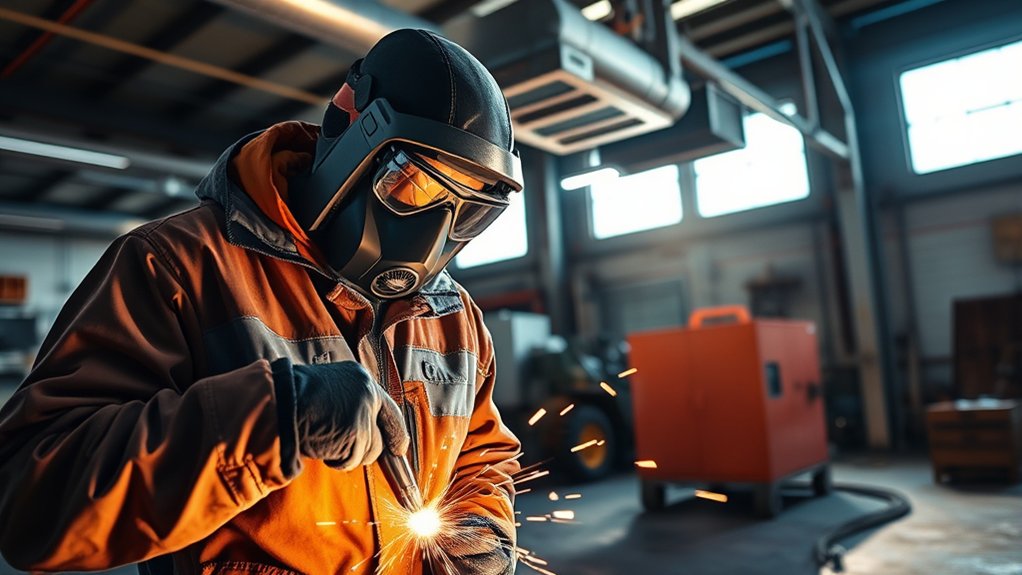
Plasma cutting creates toxic fumes and fine metal dust. Protecting your lungs is extremely important.
If you work in a shop, use air quality monitors to check the environment. This helps you figure out if you need a heavy-duty respirator or just better ventilation.
Begin with air quality monitoring to evaluate the environment’s safety and identify the necessary respirator type.
Choose a half-mask respirator with the right particulate filters (like a P100). This is especially important in small spaces or areas with bad airflow. A good mask blocks toxic metal dust from reaching your lungs.
You should also use fume extractors or exhaust fans to pull harmful smoke outside.
Always grind off paint, rust, or coatings from your metal before cutting. This greatly reduces toxic fumes.
Consistently monitor your air quality and wear your respiratory PPE to protect your long-term health.
Ear Protection: Preventing Hearing Damage
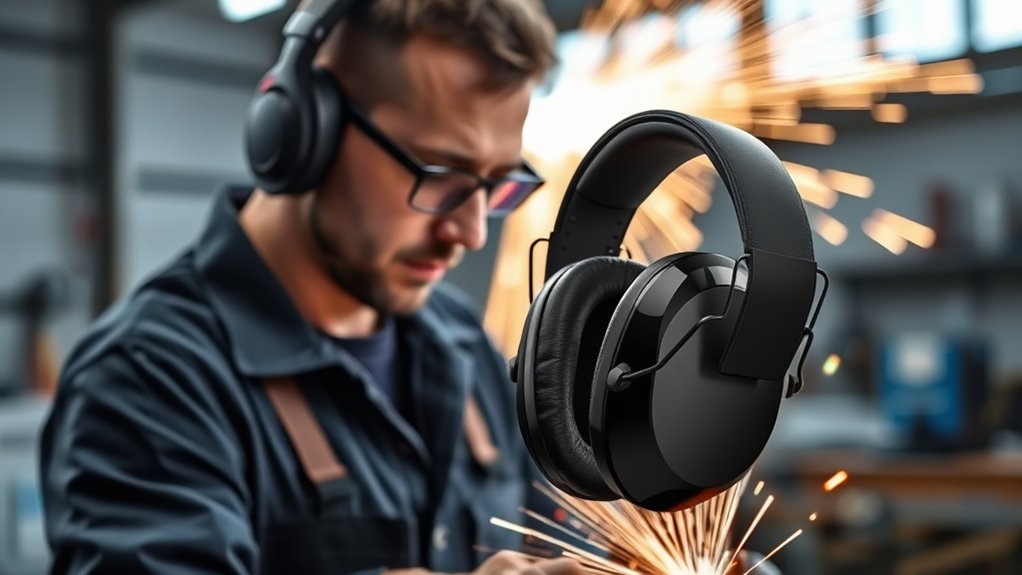
Plasma cutters are loud machines. They often create noise levels well over 85 decibels. You need ear protection to stop permanent hearing damage.
Add earplugs or earmuffs to your daily safety routine. The Occupational Safety and Health Administration (OSHA) requires ear protection when noise exposure reaches 85 dBA over an 8-hour shift.
Flame-resistant earmuffs are a great choice. They offer better protection against the sparks and heat of plasma cutting than standard foam earplugs.
Check your earmuffs regularly. Look for cracked plastic or torn foam pads to keep them effective.
Keep these points in mind for ear safety:
- Use flame-resistant earmuffs: They resist heat and sparks better than basic plugs.
- Adhere to OSHA guidelines: Protect your hearing from loud machines.
- Inspect gear regularly: Replace torn or hard ear pads.
- Incorporate into PPE strategy: Make hearing protection a daily habit.
Additional Protective Gear: Aprons and Chaps
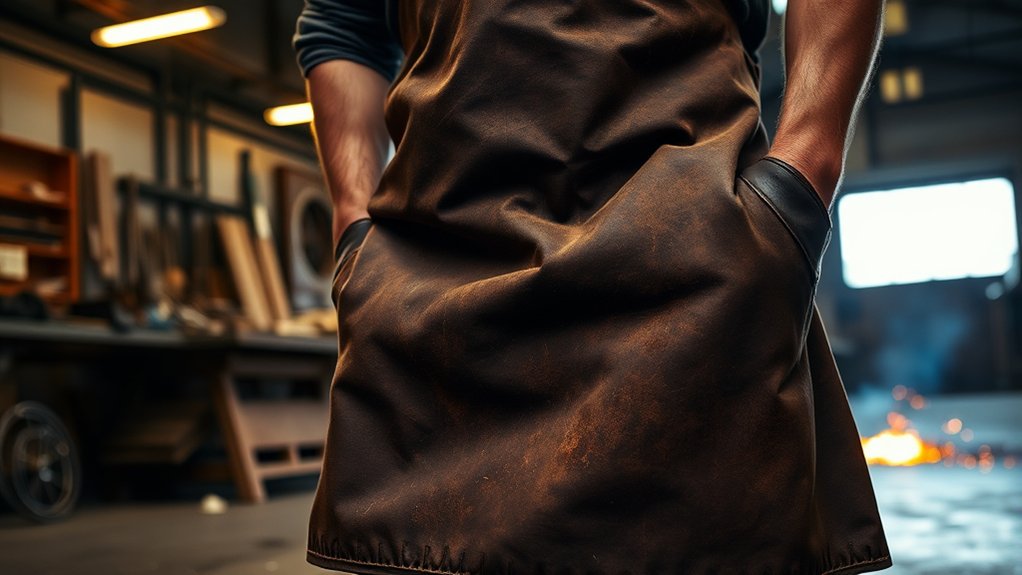
Plasma cutting throws sparks everywhere, so aprons and chaps give you excellent extra coverage. Look for heavy aprons made from leather or treated flame-resistant cotton. These materials stop sparks, hot metal, and high heat from reaching your clothes. A good apron covers your chest and lap without getting in your way.
Leather chaps protect your legs from severe burns. Make sure your chaps fit well so you can still walk and bend easily around the shop.
Look over your chaps and aprons for holes or torn straps. Small holes can let hot sparks through and ruin your clothes. Keep your gear clean and in good shape so it lasts much longer.
Addressing Fire and Electrocution Hazards
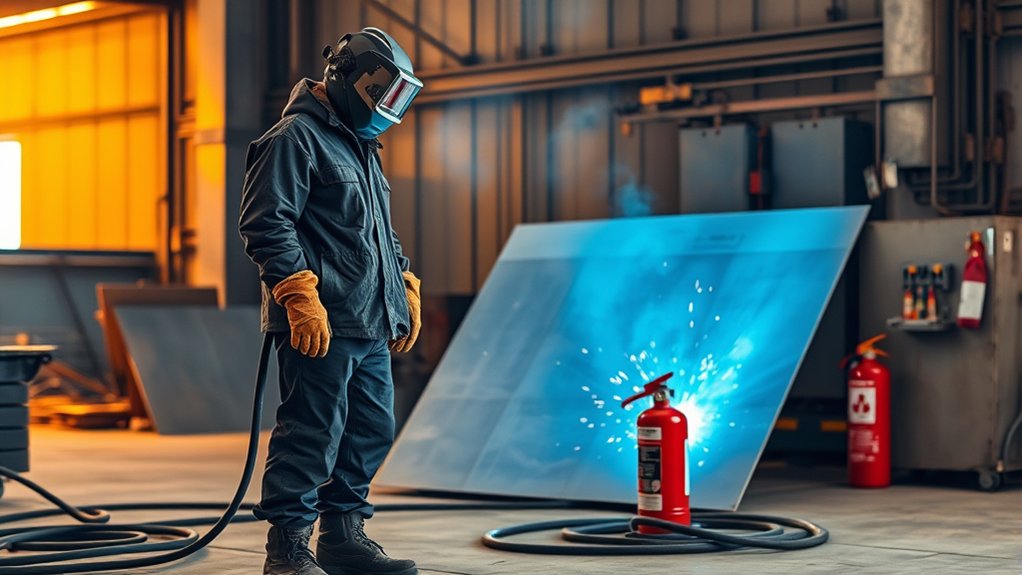
Plasma cutting is fast and useful, but it brings serious fire and shock hazards. You must take safety precautions seriously. Keep your workspace safe by maintaining a 35-foot distance from flammable materials. Always keep a fire extinguisher close by. Hot sparks and slag can start fires very easily.
To prevent electric shock, make sure your machine is grounded properly. Wear dry, insulated leather gloves and rubber-soled boots. Plasma cutters use high voltage that can cause severe injury.
Before you start, inspect your cables and ground clamp. A tight, clean connection prevents accidents and electric shocks.
Keep your shop clean and sweep up dust and debris. Do not cut sealed containers or unknown metals to avoid explosions and toxic smoke.
- Keep a 35-foot distance from flammable materials.
- Verify your equipment is securely grounded.
- Wear dry, insulated gloves and thick rubber-soled boots.
- Inspect all cables and clamps thoroughly.
Community Tips and Resource Sharing
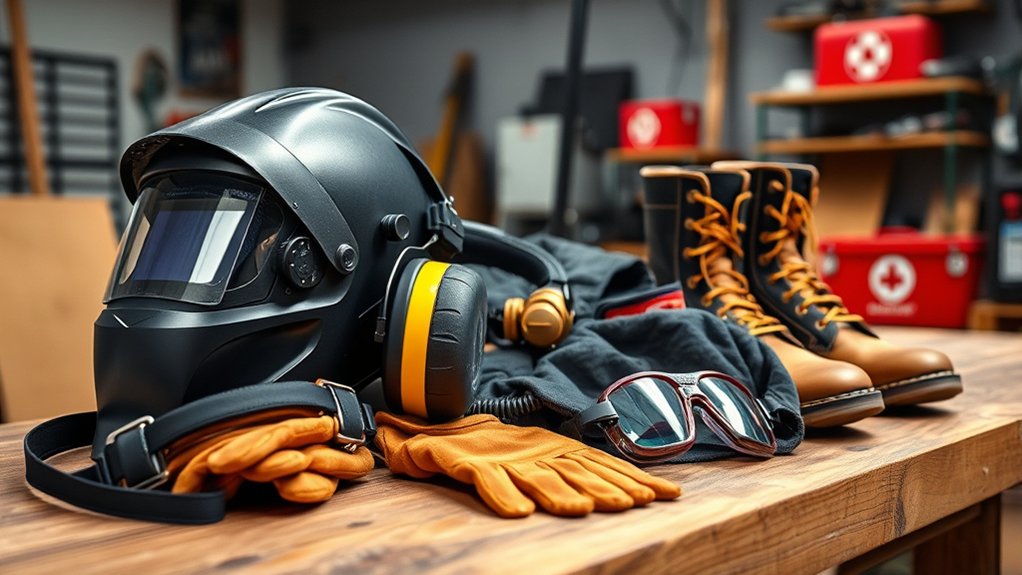
Talking with other metalworkers is a great way to find the best safety gear. Veteran fabricators can tell you what gear lasts and what falls apart quickly.
Online forums and local welding shops offer great advice on trusted brands. Experienced cutters often share helpful tricks for making gear more comfortable while you work.
You can also learn practical tips, like how to temporarily fix a ripped pant leg in an emergency.
Swapping advice on how to clean and store your leather equipment helps it stay in top condition. Learning from others helps you build a safe, reliable setup for your own shop.
This shared knowledge is highly valuable for anyone serious about mastering plasma cutting safely.
Frequently Asked Questions
How Often Should PPE Gear Be Inspected for Damage?
Check your safety gear before every single use. Look for tears, cracked plastic, or worn leather. Checking your gear daily prevents accidents and keeps you safe in the shop. Do not skip this step.
What Materials Should PPE Be Made From for Optimal Protection?
Choose flame-resistant materials like heavy leather, treated cotton, Kevlar, or Nomex. These materials handle intense heat and sparks while staying durable enough for daily shop work. They keep you safe while allowing you to move freely.
Can Contact Lenses Be Worn Under a Welding Helmet?
It is generally best to avoid wearing contact lenses under a welding helmet. High heat and trapped dust can irritate your eyes and damage the lenses. Instead, wear prescription safety glasses. They fit easily under a helmet and give you better eye protection.
Are There Specific PPE Guidelines for Outdoor Plasma Cutting?
Yes, outdoor cutting requires extra care. You have to deal with wind blowing sparks and fumes in unpredictable directions. Wear full flame-resistant clothing and safety glasses. Make sure your ground clamp has a solid connection to dry metal to prevent shocks in damp weather.
How Should PPE Be Stored to Maintain Its Effectiveness?
Store your safety gear in a clean, dry place away from direct sunlight. UV light can damage helmet lenses and break down fabrics. Wipe down your helmet and hang up your leather gear after you finish cutting. Good storage habits make your gear last much longer.
Conclusion
When you run a plasma cutter, proper safety gear is your best defense against injury. Flame-resistant clothing, heavy leather gloves, and a good helmet are basic requirements for any project. A respirator keeps toxic metal dust out of your lungs, and earmuffs stop permanent hearing loss. Heavy leather aprons and chaps give you a final layer of defense against hot sparks. Safety is never optional. Take the time to put on the right gear so you can focus entirely on making clean, accurate cuts.