Eye injuries account for roughly 25% of all welding and cutting-related injuries. When plasma cutting, picking the right lens shade is one of the simplest things you can do to protect yourself. Each shade number matches a range of cutting currents, so knowing the chart helps you stay safe and see your work clearly.
Quick Answer
- Under 20 Amps: minimum shade #4
- 20–40 Amps: shade #5
- 40–60 Amps: shade #6
- 60–80 Amps: shade #8
- Above 80 Amps: shade #10
- Always meet ANSI and OSHA standards and inspect your eyewear regularly.
Importance of Choosing the Right Lens Shade
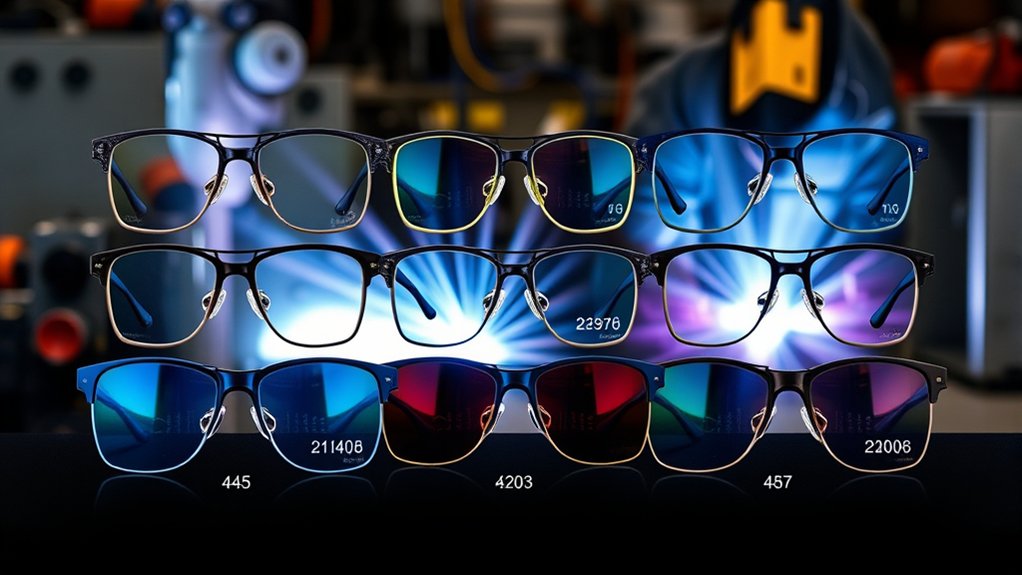
The right lens shade does two things at once: it blocks harmful radiant energy and keeps your view of the workpiece clear. Too light a shade leaves your eyes exposed to intense light and infrared radiation. Too dark a shade and you can’t see what you’re cutting.
Compliance with ANSI and OSHA safety standards is required, not optional. Always factor in the amperage you’re running and your distance from the arc when choosing a shade. That simple check keeps both your eyes and your work quality where they need to be.
Recommended Shade Numbers for Plasma Cutting
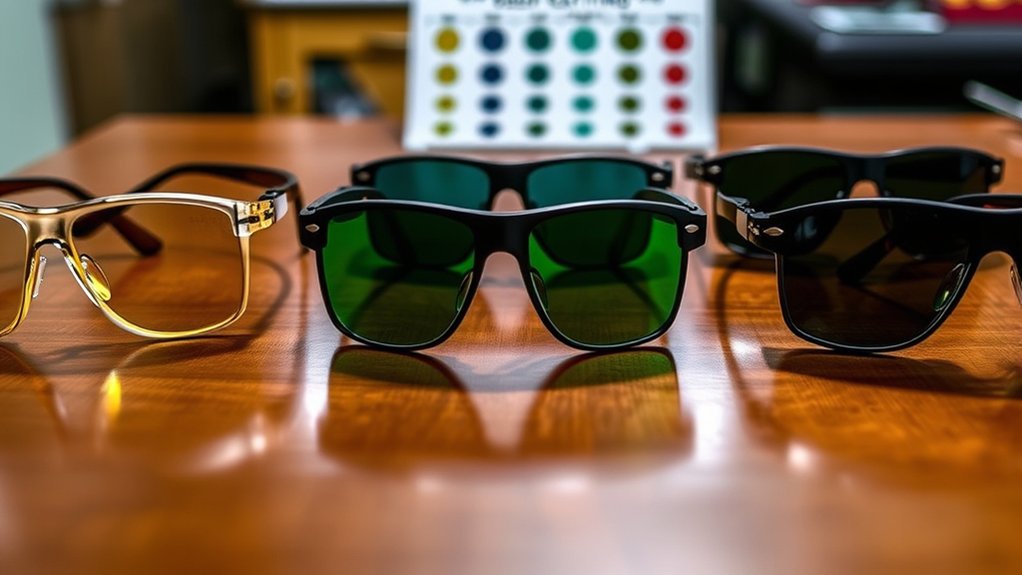
Choosing the correct lens shade ensures optimal eye protection and visibility during plasma cutting.
For cutting currents under 20 Amps, a minimum lens shade of #4 is the standard starting point. It protects against harmful light while keeping visibility intact.
At 20 to 40 Amps, move to shade #5. It handles the increased radiant energy while still letting you follow the cut line.
From 40 to 60 Amps, shade #6 blocks the stronger light and infrared output at that power level.
Working between 60 and 80 Amps? Use shade #8. It gives strong protection without making the cut area hard to see.
Above 80 Amps, go to shade #10. High-amperage cutting produces brightness and radiation levels that need the strongest filter in this range.
Understanding Lens Shade Standards
Lens shade numbers are not arbitrary. Each one is calibrated to protect your eyes from a specific range of harmful radiant energy. Here are the three things you need to understand:
- OSHA, ANSI, and AWS Standards: These organizations publish minimum lens shade requirements. OSHA’s eye and face protection standard sets the floor, while ANSI and AWS typically recommend slightly darker shades for better safety margins.
- Amperage Levels: Shade numbers climb with amperage. Shade 4 covers currents below 20 Amps; shades 5 through 10 step up from there.
- Protection vs. Visibility: A shade that’s too light risks eye injury. A shade that’s too dark makes precision cuts harder and introduces its own safety risks. The right shade balances both.
Comparing Different Types of Protective Eyewear
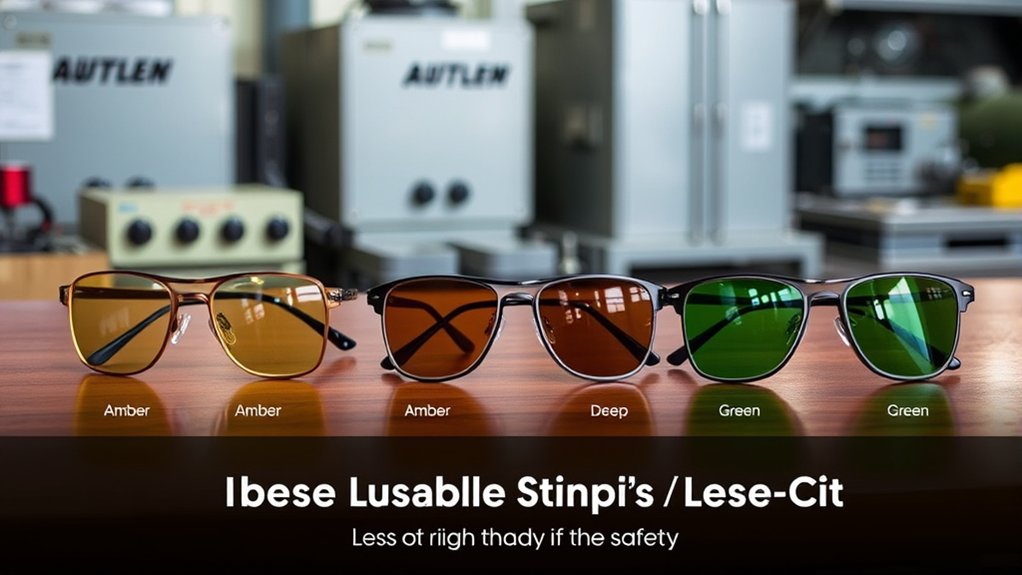
When choosing protective eyewear for plasma cutting, consider both the type of gear and whether it meets eye safety standards like ANSI Z87.1. Welding helmets, goggles, and full face shields each serve different needs. Make sure your choice fits the amperage and type of cut you’re doing.
Types of Protective Eyewear
- Goggles: A snug fit makes goggles useful for close-up work. They protect against flying debris and accept varying lens shades for different amperage levels.
- Welding Helmets: These give the most complete coverage, shielding your entire face from heat, sparks, and UV radiation. Many include auto-darkening filters that adjust shade automatically.
- Face Shields: Full face shields work well at high amperage, covering a wide area against hot air and blowback. Pair them with clear safety glasses for added eye protection.
Pick based on your amperage level and eye sensitivity. No single option suits every job.
Eye Safety Standards Compliance
Good eyewear isn’t just about comfort. It has to meet compliance requirements from OSHA, ANSI, and AWS, which set criteria for shielding against harmful UV and IR radiation. Your gear should carry the correct shade rating and an eyewear certification.
OSHA sets the minimum required shades. ANSI and AWS suggest going slightly darker for a stronger safety margin. Check your gear regularly for damage and verify it still meets ANSI Z87.1 standards. Worn or scratched lenses lose their effectiveness fast.
Tips for Ensuring Proper Eye Protection
Start with the right lens shade for your amperage. Below 20 Amps, use at least shade #4. Between 60 and 100 Amps, shade #8 is the minimum. Getting this right is the first line of defense against harmful radiation and intense arc light.
Next, keep up with lens maintenance. A cracked or scratched lens can drop your protection level significantly without any obvious warning. Inspect your eyewear before each session.
- Clean and inspect regularly: Wipe lenses before use. Check for scratches, cracks, or haze that could reduce clarity or protection.
- Verify your shade: Cross-check the shade number against your amperage setting before you start cutting.
- Upgrade when it makes sense: Anti-fog coatings and impact-resistant lenses add real safety value, especially in production environments.
Expert Insights on Plasma Cutting Safety
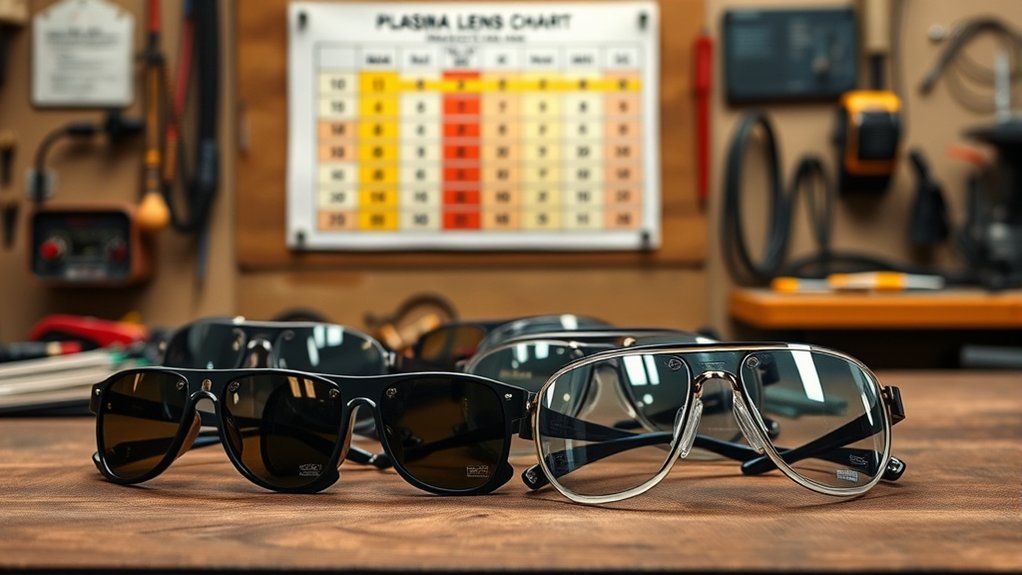
Lens shade choice is the starting point, not the whole answer. You also need the right gear around the lens to guard against UV and IR radiation, blowback, and hot air exposure. A well-matched full face shield paired with the correct lens shade covers both risks.
Essential Safety Gear
- Protective Gear: Use welding helmets or face shields that meet ANSI Z87.1 standards. These protect against both UV and infrared radiation.
- Full Face Shields: Required for higher-amperage work. They add a layer against blowback and hot air that a lens alone won’t stop.
- PPE Maintenance: Inspect and maintain your personal protective equipment on a set schedule. Damaged gear can expose you to radiant energy without any obvious sign it’s failing.
Proper Lens Selection
Lens compatibility with your cutting amperage is non-negotiable for blocking harmful infrared and ultraviolet radiation. Use at least shade 4 under 20 Amps, and step up to shade 10 above 80 Amps. An incorrect shade, in either direction, either puts your eyes at risk or makes it impossible to cut accurately.
| Amperage (Amps) | Minimum Shade | Recommended Protection |
|---|---|---|
| <20 | 4 | Basic protection |
| 20-80 | 8 | Moderate protection |
| >80 | 10 | Maximum protection |
Pair the right lens shade with a full face shield for complete coverage against intense arcs and hot air. Inspect and maintain your eyewear to keep it meeting current safety standards.
Frequently Asked Questions
Can Lens Shades Be Too Dark for Visibility While Plasma Cutting?
Yes. A shade that’s too dark can make it hard to see your cut line, which creates its own safety risk. You need a shade that protects your eyes while keeping the workpiece clearly visible.
How Do Lens Shades Affect Color Perception During Cutting?
Darker shades can shift how you perceive material colors. This can affect your ability to follow a line or read heat zones, so balance protection with enough clarity for your specific job.
Are There Adjustable Lens Shades for Varying Plasma Cutter Amperages?
Yes. Auto-darkening helmets with adjustable shade ranges let you dial in the right protection level without swapping lenses. These are worth considering if you cut across a wide range of amperages.
Do Lens Shades Expire or Degrade Over Time?
They can. Scratches, UV exposure, and impacts all reduce a lens’s effectiveness over time. Inspect them regularly and replace any lens that shows visible damage or reduced clarity.
Can Prescription Glasses Be Fitted With Plasma Cutting Lens Shades?
Yes, in many cases. Talk to an optical professional to confirm the modified glasses meet the shade and impact-resistance requirements for plasma cutting before using them on the job.
Conclusion
The right lens shade protects your eyes, keeps you compliant, and lets you see your work clearly. Use shade #4 for under 20 Amps, #5 for 20–40 Amps, #6 for 40–60 Amps, #8 for 60–80 Amps, and #10 above 80 Amps. Follow ANSI and OSHA guidelines, choose your protective eyewear to match the job, and inspect it regularly. Getting this right protects your vision and keeps your cuts precise.